

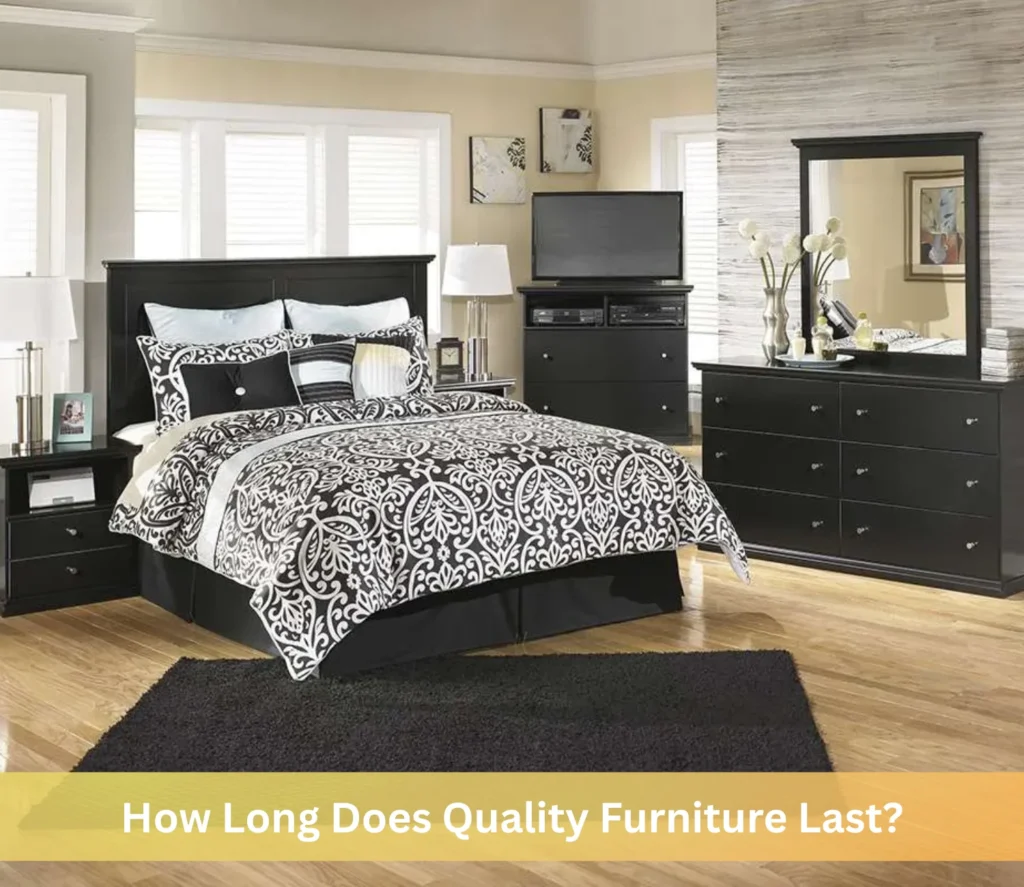
Quality furniture in Pakistan can last anywhere from 5 to 25 years depending on the material, craftsmanship, usage, and maintenance. Solid wood furniture such as sheesham or oak can last 10–25 years or more, while sofas typically last 5–15 years depending on frame and upholstery quality. Beds and mattresses usually last 5–10 years, and dining or office furniture can last 5–12 years with proper care. However, factors like humidity, heat, termites, and daily wear can reduce lifespan if furniture is not maintained properly. Regular cleaning, protection from moisture, and timely repairs can significantly extend durability, making quality furniture a long-term investment for Pakistani buyers.
What Defines “Quality Furniture?”
Quality furniture is defined by strong materials, precise craftsmanship, and durable finishing. Solid wood like sheesham or oak offers much longer life compared to engineered boards. High-quality upholstery and metal fittings also improve strength and comfort. Proper joinery techniques ensure furniture does not loosen over time. Cheap furniture often uses low-density materials that degrade quickly. In contrast, quality furniture is designed for long-term daily use and stability.
Average Lifespan of Different Furniture Types in Pakistan
Wooden Furniture
Wooden furniture is one of the most durable options in Pakistan when made from solid wood. High-quality wooden pieces like sheesham can last 10 to 25 years or even longer. Engineered wood furniture usually lasts less, around 5 to 10 years. Proper polishing and termite protection greatly extend its life. Climate conditions like humidity can affect wood quality over time. Regular maintenance ensures structural strength remains intact.
Sofa Sets
Sofa lifespan depends heavily on frame quality and upholstery material. Fabric sofas typically last 5 to 10 years depending on usage and care. Leather sofas often last longer, around 8 to 15 years with proper maintenance. Internal wooden or metal frames also impact durability. Daily usage in large families can shorten lifespan. Regular cleaning and cushion rotation help maintain comfort and shape.
Beds and Mattresses
Bed frames made from solid wood or metal can last 10 to 20 years if well maintained. Poor-quality frames may weaken within a few years. Mattresses generally have a shorter lifespan of 5 to 10 years. Over time, they lose support and comfort, affecting sleep quality. Proper support and regular cleaning extend usability. Avoiding excess moisture prevents damage and sagging issues.
Dining Sets
Dining furniture experiences frequent use, affecting its lifespan. High-quality dining sets can last 10 to 15 years or more. Wooden dining tables are more durable compared to glass or particle board options. Chairs often wear out faster due to constant movement. Protective coatings help prevent scratches and stains. Proper care ensures long-term usability in busy households.
Office Furniture
Office furniture such as chairs and desks typically lasts 5 to 12 years. Ergonomic chairs with strong frames last longer than basic models. Desks made from solid wood or metal are more durable. Constant daily use can lead to faster wear and tear. Maintenance and tightening of screws improve longevity. Quality office furniture also enhances productivity and comfort.
Factors That Affect Furniture Lifespan in Pakistan
Climate Conditions (Heat and Humidity)
Pakistan experiences extreme seasonal variations, especially hot summers and humid monsoon months. High humidity causes wood to absorb moisture, which leads to swelling, bending, and weakening of joints. During dry and hot weather, wood can shrink and develop cracks. Constant expansion and contraction reduces structural strength over time. Metal parts may also corrode due to moisture exposure. Overall, climate is one of the biggest factors affecting furniture lifespan.
Material Quality
The type of material used directly determines how long furniture will last. Solid hardwood like sheesham or oak is more durable compared to engineered wood or low-grade plywood. Poor-quality materials tend to break, chip, or lose shape quickly under pressure. Cheap adhesives used in manufacturing can weaken joints over time. High-quality finishing also protects against moisture and pests. Investing in strong materials significantly increases furniture life.
Termite and Pest Damage
Termites are a major issue for wooden furniture in many regions of Pakistan. They slowly eat away at the internal structure of wood, making it hollow and weak. Infestation often goes unnoticed until visible damage appears. Humid environments increase the risk of termite growth. Lack of preventive treatment makes furniture highly vulnerable. Regular anti-termite treatment is essential for long-lasting protection.
Usage and Load Pressure
Daily usage has a strong impact on furniture durability. Heavy loads or improper use can damage joints and frames. Sofas, beds, and chairs wear out faster when used roughly or overloaded. Frequent movement or dragging also weakens the structure. Furniture designed for light use may not survive heavy household or commercial use. Proper handling helps extend its lifespan significantly.
Maintenance and Care
Regular maintenance plays a crucial role in extending furniture life. Dust accumulation can damage polish and reduce shine over time. Lack of polishing or oiling makes wood dry and fragile. Cleaning with harsh chemicals may also harm the surface finish. Minor repairs, if ignored, can turn into major damage. Consistent care ensures furniture remains strong and visually appealing for years.
Storage and Placement Environment
Where furniture is placed affects its durability. Direct sunlight can fade colors and weaken wood fibers. Keeping furniture close to moisture sources like bathrooms or kitchens increases damage risk. Poor ventilation leads to mold growth in humid conditions. Uneven flooring can also stress joints and frames. Proper placement in a stable environment ensures longer lifespan.
How to Make Your Furniture Last Longer
Regular Cleaning and Dust Removal
Regular cleaning is essential to keep furniture in good condition for a long time. Dust particles slowly damage wooden and polished surfaces by creating fine scratches over time. Using a soft cloth or microfiber duster helps protect the finish. For upholstered furniture, vacuuming prevents dirt buildup inside fabric layers. Avoid using harsh chemicals as they can weaken the surface coating. Consistent cleaning keeps furniture fresh and durable.
Polishing and Surface Protection
Polishing wooden furniture helps restore its natural shine and adds a protective layer. This layer prevents moisture from entering the wood and reduces the risk of cracking or fading. High-quality polish also protects against small scratches and daily wear. It is recommended to polish furniture every few months depending on usage. Proper polishing keeps furniture looking new and extends its lifespan significantly.
Using Covers for Protection
Furniture covers are a simple but effective way to prevent damage. They protect against stains, spills, dust, and scratches. Covers are especially useful in homes with children or pets. They also reduce exposure to sunlight, which can cause fading. Waterproof covers can protect against accidental liquid spills. Using covers regularly helps maintain both appearance and durability.
Protection from Sunlight and Heat
Direct sunlight is one of the biggest threats to furniture quality. Continuous exposure causes wood to fade, dry out, and develop cracks over time. Heat can also weaken glue joints and distort shape. Placing furniture away from windows or using curtains helps reduce damage. Keeping a balanced indoor temperature ensures longer furniture life.
Termite Prevention Treatments
Termites can silently destroy wooden furniture from the inside. Preventive anti-termite treatments help protect furniture from infestation. These treatments create a barrier that prevents termite entry and spread. Regular inspection is important, especially in humid regions. Early treatment saves furniture from irreversible structural damage.
Timely Repairs and Maintenance
Small issues like loose screws, minor cracks, or weak joints should never be ignored. Timely repairs prevent these problems from becoming major structural damage. Regular inspection helps identify issues early. Fixing problems quickly reduces long-term repair costs. Proper maintenance ensures furniture remains strong, safe, and long-lasting.
Signs Your Furniture Is Wearing Out
Loose Joints and Squeaking Sounds
One of the earliest signs of furniture wear is loose joints or squeaking noises. These issues indicate that the internal structure is weakening over time. Constant use, movement, and pressure can loosen screws and joints. If ignored, the damage can spread to the entire frame. Tightening or repairing early can prevent further deterioration.
Visible Cracks and Surface Damage
Cracks in wood or visible damage on surfaces show that the material is aging. These cracks often appear due to dryness, heat exposure, or poor-quality material. Once cracks develop, moisture can enter and weaken the structure further. Surface peeling or chipping also reduces durability. Such signs clearly indicate furniture is losing strength.
Loss of Shape and Comfort in Sofas
Sofas that lose their original shape are a strong sign of internal damage. The cushioning may flatten, and springs may lose elasticity over time. This reduces comfort and support for users. Continuous use without maintenance speeds up this problem. When sofas no longer provide proper comfort, repair or replacement is needed.
Stains and Fabric Wear
Fabric furniture shows wear through stains, fading, and tearing. Spills that are not cleaned properly can leave permanent marks. Over time, fabric fibers weaken and lose their original texture. This affects both appearance and hygiene. Regular cleaning helps, but heavy wear often requires reupholstery.
Sagging Beds and Poor Support
Beds that sag in the middle indicate structural weakness or broken support systems. This affects sleep quality and can cause back pain or discomfort. Weak bed frames or damaged slats are common causes. Ignoring this issue can lead to further structural failure. Proper inspection is important to ensure good support.
When to Repair or Replace
When multiple signs appear together, it usually means the furniture is reaching the end of its lifespan. Minor issues can be repaired, but severe damage often requires replacement. Timely action saves cost and maintains comfort. Evaluating condition regularly helps make the right decision.
Why Quality Furniture Is a Better Investment
Quality furniture offers long-term savings by reducing replacement costs. It provides better comfort, durability, and visual appeal. High-quality pieces maintain value for many years. They require less frequent repairs compared to cheaper alternatives. A strong investment improves both lifestyle and home aesthetics. In the long run, quality always proves more cost-effective.
Buying Tips for Durable Furniture in Pakistan
Always check the type of wood or material used before purchasing. Inspect joints and finishing for strength and durability. Compare multiple options instead of choosing the cheapest product. Buy from trusted and reputable furniture brands or showrooms. Ask about warranty and after-sales service. Consider long-term durability instead of just design trends.
Why Choose Gourmet Furnishers
Gourmet Furnishers offers high-quality furniture designed for long-lasting performance and elegant design. The brand focuses on premium materials that ensure durability in Pakistan’s climate. Skilled craftsmanship guarantees strong construction and fine finishing. Custom design options allow customers to match furniture with their home style. Competitive pricing makes luxury furniture more accessible. Reliable customer service and nationwide delivery add extra convenience for buyers.
Conclusion
Furniture lifespan depends on quality, care, and environmental conditions. Investing in durable materials ensures long-term savings and comfort. In Pakistan, climate and usage play a major role in how long furniture lasts. Proper maintenance can significantly extend durability. Choosing a trusted brand like Gourmet Furnishers helps ensure quality and reliability. Smart buying decisions always lead to better long-term value.
FAQs
How long does quality furniture last in Pakistan?
Quality furniture can last anywhere from 5 to 25 years depending on material and care.
What is the most durable furniture material?
Solid wood like sheesham and high-grade metal frames are the most durable options.
Does furniture last longer indoors or outdoors?
Indoor furniture lasts longer as it is protected from weather conditions.
How often should furniture be maintained?
Light cleaning should be done weekly and deep maintenance every few months.
Is cheap furniture worth buying?
Cheap furniture may save money initially but usually has a much shorter lifespan.