

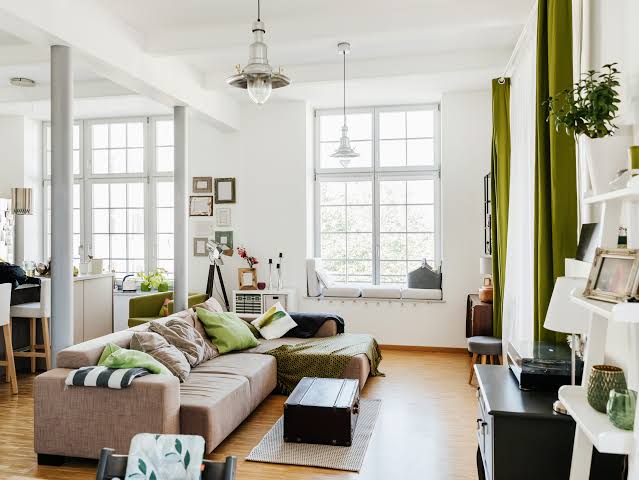
Buying furniture for your first home is exciting, but it can also lead to expensive mistakes if you rush your decisions. Many first-time home buyers focus on appearance or price without considering quality, size, functionality, or long-term value. Choosing the right furniture helps create a comfortable, practical, and stylish living space while preventing unnecessary expenses. By understanding the most common furniture buying mistakes, you can make smarter purchases that suit your lifestyle and budget. This guide highlights ten common mistakes and explains how to avoid them when furnishing your new home.
Buying Furniture Before Measuring Your Home
Many homeowners purchase furniture because it looks attractive in the showroom or online, only to realize it doesn’t fit properly once it arrives. Measuring your home before buying is one of the most important steps in furniture shopping. It helps you avoid delivery problems, overcrowded rooms, and costly returns. Taking accurate measurements ensures every piece fits comfortably while maintaining a balanced layout. Planning ahead saves both time and money.
Measure Every Room Properly
Always measure the length, width, and height of every room before shopping for furniture. Record these measurements and carry them with you while visiting furniture stores. Consider windows, built-in cabinets, and electrical outlets that may affect furniture placement. Leaving enough walking space creates a more comfortable living environment. Accurate measurements help you choose furniture that complements your home’s layout.
Check Doorways, Hallways, and Staircases
Large furniture may fit inside your room but still fail to pass through your entrance or staircase. Measure every access point before making a purchase. This includes door frames, elevators, hallways, and narrow corners. Confirm delivery dimensions with the furniture seller to avoid surprises. Careful planning prevents delivery delays and unnecessary frustration.
Plan Furniture Placement in Advance
Sketch a simple room layout before purchasing furniture. Decide where major pieces like beds, sofas, and dining tables will be placed. Visual planning helps prevent overcrowding and improves traffic flow throughout the room. It also allows you to choose matching furniture sizes. A planned layout creates a more functional and attractive home.
Choosing Style Over Comfort
Beautiful furniture is important, but comfort should never be sacrificed. Furniture is used every day, so it must support your daily activities and relaxation. Comfortable furniture improves your overall living experience while maintaining visual appeal. A balanced combination of style and comfort provides the best long-term value. Always consider both before making your final decision.
Test Furniture Before Buying
Whenever possible, sit on sofas, chairs, and beds before purchasing them. Check seat depth, cushion support, and overall comfort. Online buyers should carefully review customer feedback and product specifications. Testing furniture helps ensure it meets your personal comfort preferences. Comfortable furniture makes everyday living more enjoyable.
Balance Design with Everyday Comfort
Choose furniture that complements your home’s style while remaining practical for daily use. Modern designs should also provide ergonomic support and durable construction. Avoid buying uncomfortable pieces simply because they are fashionable. Practical furniture delivers better long-term satisfaction. A good balance creates a welcoming living space.
Think About Long-Term Use
Furniture is a long-term investment that should remain useful for many years. Select timeless designs that won’t quickly go out of fashion. Durable materials and quality craftsmanship reduce replacement costs over time. Consider how your family’s needs may change in the future. Long-lasting furniture offers better overall value.
Ignoring Furniture Quality
Low-quality furniture may appear attractive initially but often wears out much faster. Investing in better materials and construction ensures durability and long-term satisfaction. Quality furniture requires fewer repairs and replacements. Understanding basic furniture materials helps you make informed decisions. Paying attention to craftsmanship protects your investment.
Understand Different Wood Types
Solid wood furniture generally lasts longer than particleboard or MDF alternatives. Different wood species offer varying levels of strength and durability. Learn the differences before making expensive purchases. Choosing quality wood improves furniture lifespan and appearance. Strong materials deliver better long-term performance.
Check Build Quality and Materials
Inspect joints, hardware, finishing, and overall construction before buying furniture. Strong joints and quality fittings indicate better craftsmanship. Avoid products with loose connections or uneven finishes. High-quality construction increases stability and durability. Careful inspection prevents future maintenance issues.
Invest in Durable Pieces
Spend more on frequently used furniture such as beds, sofas, and dining tables. These items experience daily wear and should be built to last. Durable furniture saves money over time by reducing replacement costs. Quality products maintain their appearance for years. Investing wisely delivers better long-term value.
Buying Everything at Once
Many first-time homeowners feel pressured to furnish every room immediately. This often leads to poor financial decisions and unnecessary purchases. Buying gradually allows you to prioritize quality over quantity. Careful planning results in a more cohesive home design. Patience leads to smarter investments.
Prioritize Essential Furniture
Start with necessities like beds, sofas, dining tables, and wardrobes. Purchase decorative furniture only after meeting your essential needs. This approach helps manage your budget effectively. Essential furniture improves daily comfort from the beginning. Gradual purchasing reduces financial stress.
Create a Room-by-Room Budget
Allocate a separate budget for each room before shopping. This prevents overspending on one area while neglecting another. Budget planning helps balance furniture quality across the home. Financial discipline supports smarter buying decisions. Organized spending reduces unexpected expenses.
Add Decorative Items Gradually
Accessories such as coffee tables, shelves, rugs, and decorative pieces can be purchased over time. Living in your home first helps identify what you truly need. Gradual decorating creates a more personalized interior. Avoid impulse buying unnecessary items. Thoughtful decorating improves long-term satisfaction.
Not Matching Furniture to Room Size
Furniture should fit the available space without making rooms feel crowded. Oversized furniture reduces comfort and limits movement. Properly scaled furniture improves both appearance and functionality. Room proportions should always guide your buying decisions. A balanced layout creates a spacious atmosphere.
Avoid Oversized Furniture
Large sofas and oversized beds may overwhelm smaller rooms. Select furniture that suits your room dimensions while maintaining visual balance. Smaller spaces benefit from compact furniture designs. Proper sizing enhances comfort and movement. Well-proportioned furniture creates a cleaner appearance.
Use Space-Saving Designs
Furniture with built-in storage or foldable features maximizes available space. Multi-functional pieces are especially useful in apartments and smaller homes. These designs improve efficiency without sacrificing style. Practical furniture supports organized living. Space-saving solutions increase flexibility.
Maintain Comfortable Walking Space
Leave enough clearance between furniture pieces for comfortable movement. Avoid blocking doors, windows, and natural walkways. Proper spacing improves accessibility and room functionality. Open layouts create a brighter and more inviting atmosphere. Good furniture placement enhances everyday living.
Forgetting About Storage Needs
Storage is often overlooked during furniture shopping but becomes essential after moving in. Insufficient storage leads to clutter and poor organization. Furniture with built-in storage provides practical solutions without requiring extra space. Organized homes feel cleaner and more comfortable. Storage planning improves long-term convenience.
Choose Multi-Functional Furniture
Beds with storage drawers, storage benches, and lift-top coffee tables serve multiple purposes. These furniture pieces maximize functionality while saving space. Multi-purpose furniture is ideal for modern homes. They reduce clutter without compromising style. Smart furniture choices improve efficiency.
Maximize Small Spaces
Use vertical storage units, compact wardrobes, and corner furniture to maximize available space. Every square foot should be utilized effectively. Practical storage solutions create a more organized environment. Efficient furniture layouts improve daily living. Small homes benefit greatly from thoughtful planning.
Reduce Everyday Clutter
Furniture with hidden storage keeps household items neatly organized. Organized spaces improve productivity and reduce stress. Storage solutions make cleaning easier and faster. Functional furniture supports better home management. A clutter-free home feels more relaxing.
Ignoring Lifestyle and Family Needs
Furniture should match the people who use it every day. Families with children or pets require different materials than single homeowners. Your lifestyle should guide every furniture decision. Practical furniture improves convenience and durability. Personalized choices provide better satisfaction.
Consider Children and Pets
Choose stain-resistant fabrics and rounded furniture edges for improved safety. Durable materials withstand daily wear from active families. Easy-to-clean surfaces simplify maintenance. Family-friendly furniture lasts longer under heavy use. Safety should always remain a priority.
Select Easy-to-Maintain Materials
Low-maintenance fabrics and finishes reduce cleaning time and preserve appearance. Leather, treated fabrics, and quality wood finishes are easier to maintain. Practical materials remain attractive for years. Maintenance-friendly furniture saves effort and money. Smart material selection increases durability.
Buy Furniture That Fits Your Routine
Consider how you work, relax, entertain guests, and spend time at home. Furniture should support your daily habits comfortably. Practical choices improve functionality and convenience. Personalized furniture enhances your living experience. Everyday comfort should guide your decisions.
Following Trends Instead of Practicality
Furniture trends change quickly, while quality furniture should last for many years. Following temporary trends may result in expensive replacements later. Focus on timeless designs that remain stylish over time. Practical furniture offers greater flexibility. Long-lasting designs provide better value.
Choose Timeless Designs
Neutral colors and classic furniture styles remain attractive for years. Timeless furniture adapts easily to changing décor preferences. Classic designs reduce future replacement costs. They provide lasting elegance and versatility. Simple styles rarely go out of fashion.
Mix Trendy Accessories with Classic Furniture
Instead of replacing major furniture pieces, update your home using cushions, artwork, rugs, and decorative items. Accessories are affordable and easy to change. This approach keeps your home modern without major expenses. Classic furniture remains the foundation. Flexible decorating saves money.
Think About Future Home Updates
Choose furniture that can adapt to renovations or changing interior styles. Neutral furniture offers greater decorating flexibility. Long-term planning reduces unnecessary purchases. Versatile furniture supports future design updates. Adaptable choices increase overall value.
Overlooking Material and Fabric Selection
Furniture materials directly affect durability, maintenance, and comfort. Choosing the wrong material can lead to faster wear and higher maintenance costs. Consider your climate, household, and daily usage before buying. Material quality influences long-term satisfaction. Informed decisions improve furniture lifespan.
Pick Materials Suitable for Your Climate
Wood, fabric, and leather perform differently in various weather conditions. Choose materials suitable for Pakistan’s changing climate. Moisture-resistant finishes help protect furniture during humid seasons. Climate-appropriate materials last longer. Proper selection preserves appearance and quality.
Compare Fabric Durability
Different fabrics offer different levels of stain resistance and durability. Compare upholstery materials before making a final decision. High-quality fabrics maintain their appearance under daily use. Durable upholstery reduces replacement costs. Better materials improve long-term comfort.
Consider Cleaning and Maintenance
Select materials that match your willingness to perform regular maintenance. Easy-to-clean finishes simplify daily care. Proper maintenance extends furniture lifespan significantly. Practical materials remain attractive with minimal effort. Maintenance-friendly furniture saves time.
Buying Without Comparing Prices
Purchasing from the first furniture store you visit may not provide the best value. Comparing products helps identify better quality, pricing, and warranties. Smart buyers research before making major purchases. Careful comparison prevents overspending. Informed shopping leads to better investments.
Research Multiple Furniture Stores
Visit several furniture retailers before making your final decision. Compare materials, craftsmanship, pricing, and customer reviews. Different stores may offer better quality at competitive prices. Research increases buying confidence. Better comparisons produce better results.
Compare Features, Warranty, and Value
Price alone should not determine your purchase. Evaluate warranties, delivery services, after-sales support, and furniture quality. Better value often outweighs lower prices. Comprehensive comparisons improve decision-making. Quality purchases provide lasting satisfaction.
Look for Seasonal Discounts and Deals
Furniture sales during holidays and promotional events offer significant savings. Plan major purchases around seasonal discounts whenever possible. Compare sale prices carefully before buying. Discounts help maximize your furniture budget. Smart timing reduces overall expenses.
How to Create a Smart Furniture Buying Checklist
A furniture checklist helps you stay organized throughout the buying process. It reduces impulse purchases and keeps spending under control. Planning every purchase improves overall satisfaction. Organized shopping leads to better decisions. A simple checklist saves both time and money.
Set a Realistic Budget
Determine your total furniture budget before visiting any store. Divide the budget according to room priorities and essential furniture pieces. Include delivery and installation costs in your calculations. Financial planning prevents overspending. Realistic budgets support smarter investments.
Make a Priority Shopping List
List essential furniture items before decorative purchases. Prioritize daily-use furniture first to maximize comfort and functionality. A clear shopping list keeps purchases focused. Organized planning prevents unnecessary spending. Priorities simplify the buying process.
Measure Before Every Purchase
Verify room measurements before placing every furniture order. Double-check product dimensions to ensure compatibility. Accurate measurements prevent costly mistakes. Consistent measuring improves shopping confidence. Preparation ensures successful furniture placement.
Compare Quality Before Price
Always evaluate construction quality before considering price. Better materials often provide greater long-term savings. Cheap furniture may require frequent replacement. Quality products deliver higher overall value. Smart buyers prioritize durability over low prices.
Why Choose Gourmet Furnishers
Gourmet Furnishers is committed to helping homeowners furnish their spaces with premium-quality furniture that combines style, durability, and functionality. Every product is crafted using high-quality materials and expert workmanship to ensure long-lasting performance. Whether you prefer modern, classic, or custom-made furniture, Gourmet Furnishers offers a wide selection designed to suit every home and lifestyle. Competitive pricing, exceptional customer service, and reliable nationwide delivery across Pakistan make furniture shopping simple and stress-free. By choosing Gourmet Furnishers, you invest in furniture that enhances your home’s beauty, comfort, and value for years to come.
Conclusion
Avoiding these ten common furniture mistakes can help first-time home buyers create a comfortable, practical, and stylish living space without overspending. Taking time to measure your home, compare quality, choose durable materials, and prioritize essential purchases leads to smarter long-term decisions. Furniture is an investment that should provide comfort, functionality, and lasting value. With careful planning and trusted suppliers like Gourmet Furnishers, you can confidently furnish your first home while avoiding costly regrets.
FAQs
What furniture should first-time home buyers purchase first?
Start with essential items like a bed, sofa, dining table, and wardrobe before buying decorative furniture.
can I tell if furniture is high quality?
Check the materials, construction, joints, finish, hardware, and warranty before making a purchase.
Should I buy custom furniture or ready-made furniture?
Choose custom furniture if you need specific sizes or designs, while ready-made furniture offers faster delivery and lower costs.
How much should I budget for furnishing a new home?
Your budget depends on your home size, but prioritize quality essentials before spending on decorative pieces.
What is the biggest mistake first-time furniture buyers make?
Buying furniture without measuring their home is one of the most common and expensive mistakes.