A console table with mirror is a decorative furniture combination that adds style, reflects light, and provides a practical surface for entrances, hallways, and living rooms. Popular options for Pakistani homes include wooden console tables with mirrors, modern minimalist designs, carved wooden consoles, marble-top tables, and compact entrance consoles. The best design depends on your available space, preferred furniture style, storage requirements, and budget.
What Is a Console Table with Mirror?
A console table with mirror combines a narrow table with a wall-mounted or coordinating mirror to create a functional decorative feature. It can be used as an entrance console table, a living room display surface, or an accent piece in a hallway.
In Pakistan, homeowners can explore traditional wooden furniture, contemporary metal frames, luxury finishes, and custom console designs. A carefully selected combination complements existing furniture while making an empty wall more attractive.
10 Stylish Console Table with Mirror Designs for Pakistani Homes
1. Modern Wooden Console Table with Mirror
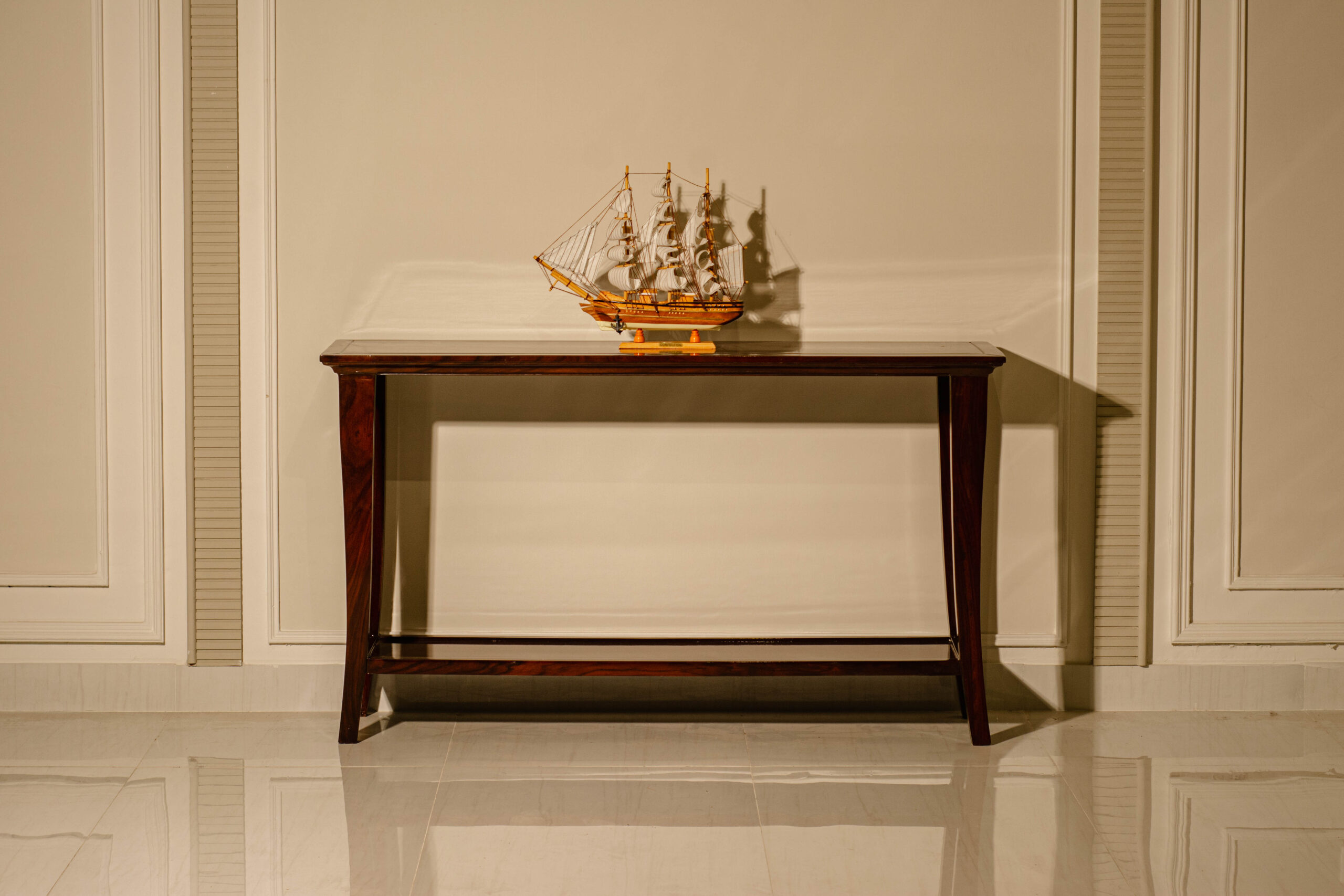
A wooden console table with mirror brings warmth and elegance to traditional and contemporary Pakistani interiors. Walnut-toned finishes, natural wood grains, and simple table legs create a timeless appearance.
Pair a wood console with a round or rectangular mirror, a decorative vase, and a small tray. This design works well in entrances, drawing rooms, and hallways where you want practical surface space without bulky furniture.
2. Luxury Console Table with Round Mirror
A luxury console table with a round mirror creates a balanced, contemporary look. Gold accents, a marble-look tabletop, and a circular mirror can make an entrance or living room feel more refined. Choose finishes that coordinate with your lighting, wall colours, and other decorative furniture. Keep accessories simple so the mirror remains the main focal point.
3. Traditional Carved Wooden Console
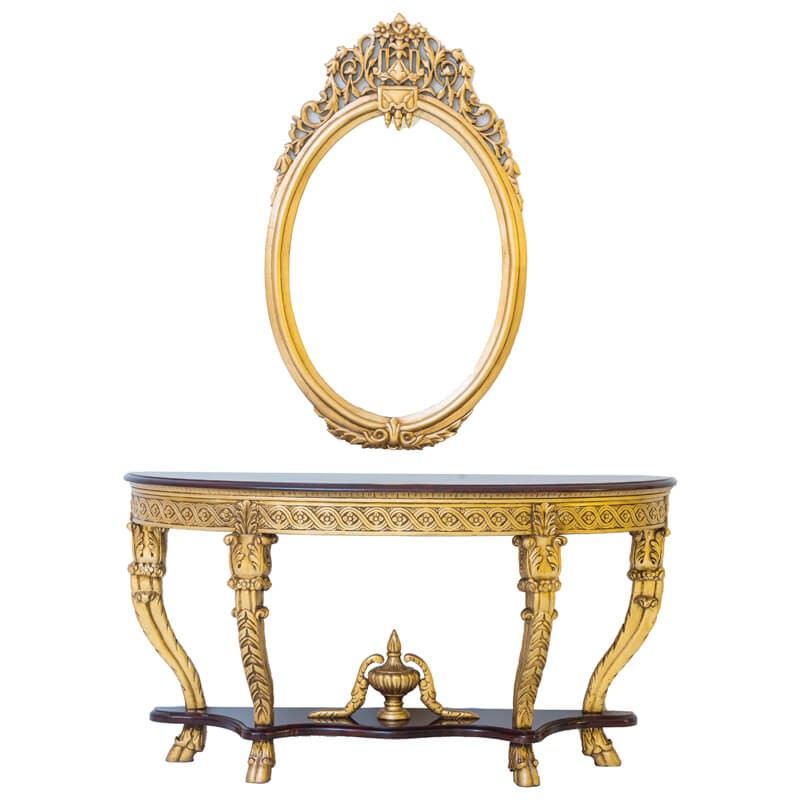
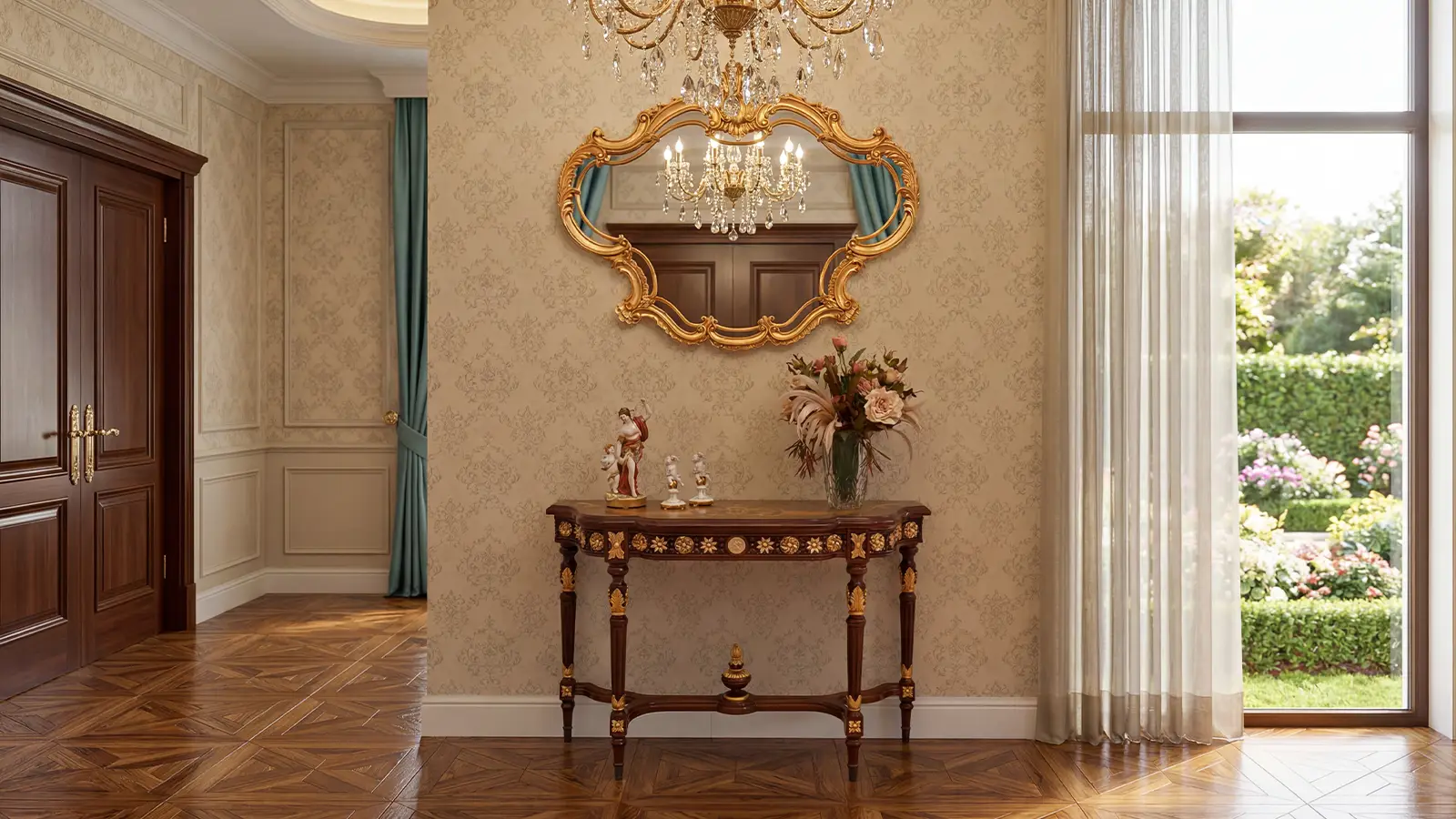
An ornate wooden console is suitable for homeowners who prefer classic furniture designs. Carved legs, decorative details, rich wood finishes, and framed mirrors create a distinctive feature for formal drawing rooms and spacious entrances. This style works particularly well when paired with traditional wooden furniture and neutral wall colours. Avoid excessive decoration around the console so its craftsmanship remains visible.
4. Minimalist Console Table with Rectangular Mirror
A minimalist console table with a rectangular mirror suits modern homes with clean lines and uncluttered interiors. Slim legs, neutral finishes, and a simple tabletop make this design suitable for contemporary apartments and smaller houses. Add a small lamp, a decorative bowl, or a plant to complete the arrangement. A narrow table is especially useful when the entrance or hallway has limited floor space.
5. Marble-Top Console Table with Mirror
A marble-top console table offers a refined appearance through its smooth surface and distinctive patterns. White, beige, and dark marble-look finishes pair well with gold, black, or silver mirror frames. Before purchasing, confirm whether the tabletop uses natural marble, engineered stone, or a marble-look material. These options differ in durability, maintenance, and price.
6. Console Table with Mirror and Drawers
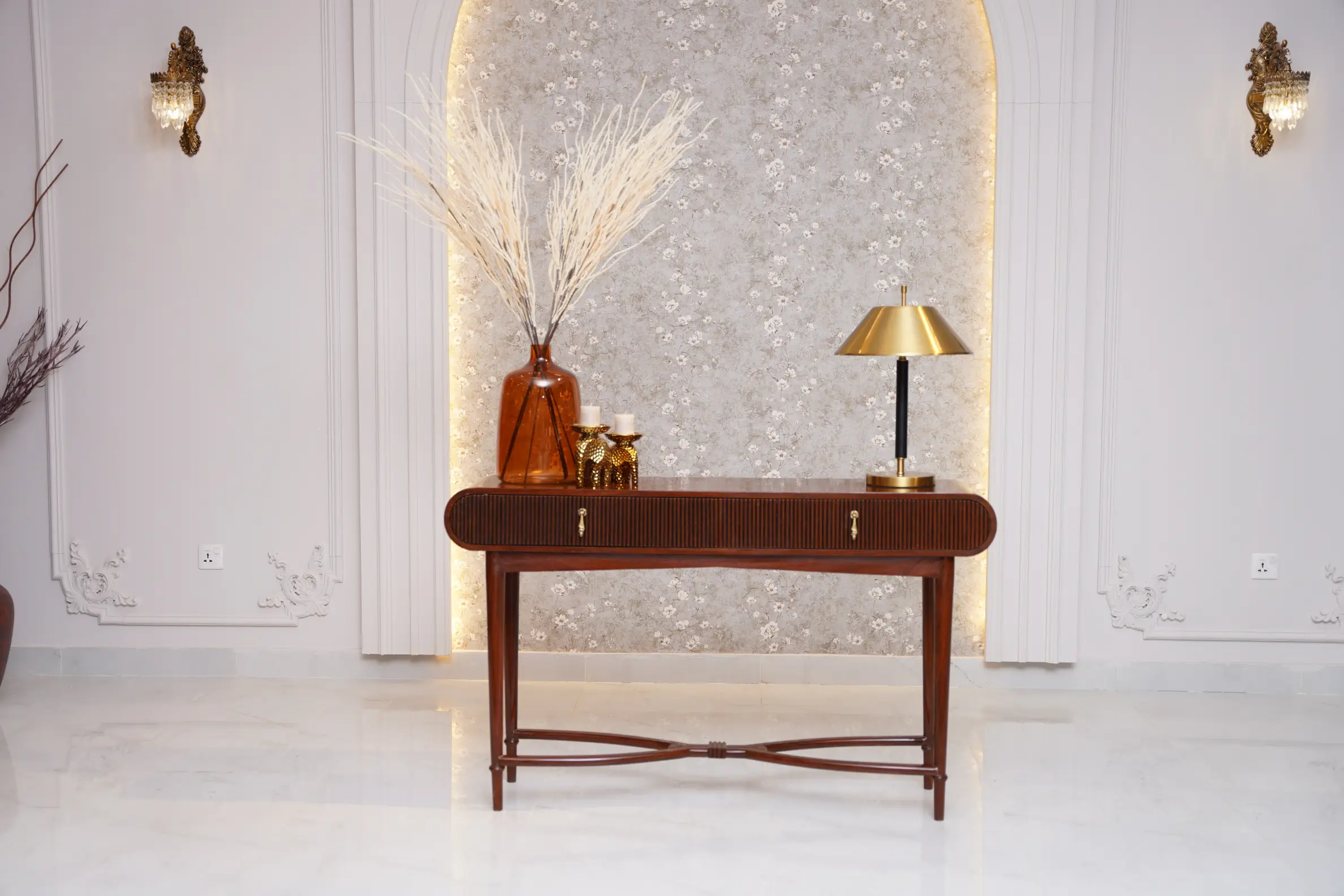
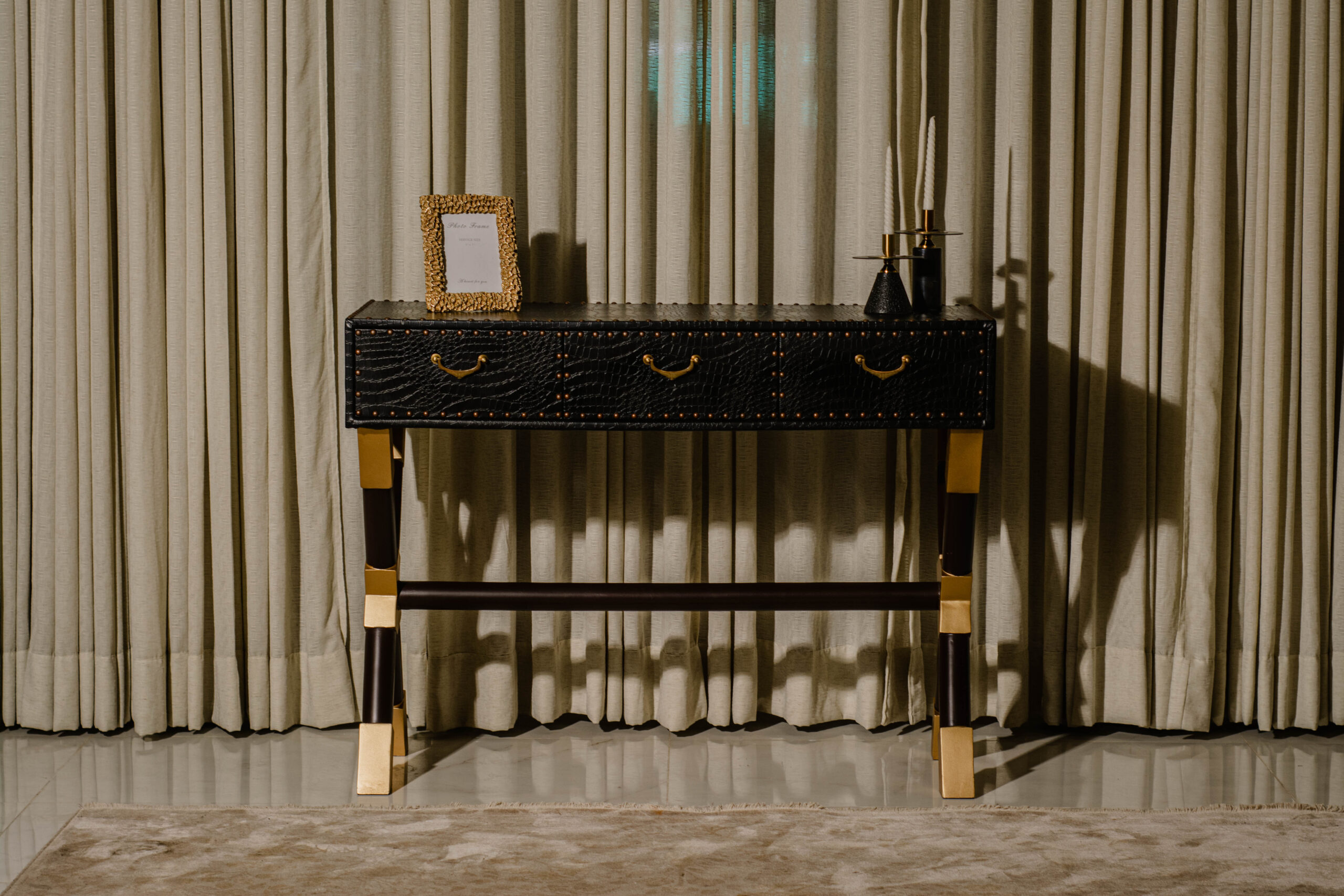
A console table with mirror and drawers combines decoration with useful storage. Drawers can hold keys, stationery, chargers, and other everyday essentials while keeping the tabletop organised. Choose a design with sufficient storage but a depth that suits your available space. This is a practical choice for family homes where an entrance console needs to look attractive and remain functional.
7. Gold Console Table with Decorative Mirror
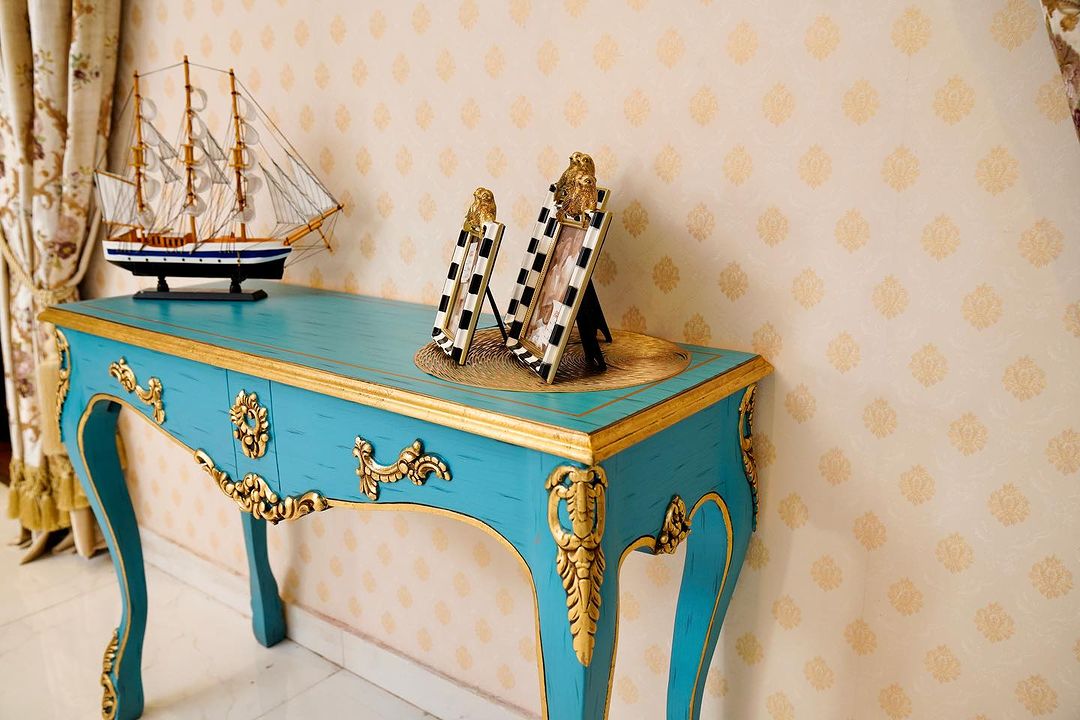
A gold console table paired with a decorative mirror introduces a glamorous accent to contemporary interiors. Metallic finishes, geometric frames, and sculptural legs work well with cream, beige, white, and charcoal colour schemes.
For a cohesive appearance, coordinate the gold finish with selected lighting or decorative accessories instead of using too many competing metallic elements.
8. Console Table for a Small Entrance
A console table for a small entrance should be slim, proportionate, and easy to move around. Choose a shallow table, an open-leg design, or a wall-mounted option that uses available space without blocking the walkway. A hanging wall mirror above the table can reflect light and create a more open visual effect. Limit the accessories to one or two items to keep the entrance uncluttered.
9. Black Console Table with Modern Mirror
A black console table with a modern mirror creates contrast and works well in contemporary Pakistani homes. Matte-black finishes complement white walls, neutral interiors, wood accents, and minimalist décor. A light-coloured vase or a small decorative lamp can soften the overall appearance. Select a mirror frame that complements the table’s proportions and the room’s existing furniture.
10. Custom Console Table and Mirror Set
A custom console table and mirror set allows you to choose the dimensions, material, finish, storage features, and mirror shape according to your interior requirements. Custom designs are particularly useful for unusually sized entrance walls or homeowners seeking a coordinated furniture combination. Confirm the materials, final measurements, finishing details, delivery charges, and production timeline before ordering.
Where Should You Place an Entrance Console Table with Mirror?
An entrance console table with mirror is a popular choice, but the same combination can enhance several areas of your home.
- Entrance or foyer: Create a welcoming first impression with a mirror, decorative tray, and vase.
- Living room: Use the console against an empty wall to display lamps, photographs, and decorative accessories.
- Hallway: Select a narrow design that adds character without obstructing movement.
- Behind a sofa: Use a console to define an open-plan seating area.
- Bedroom: Pair a compact console with a mirror for decorative display and everyday essentials.
Measure the wall and available walking space before selecting a table. The furniture should complement the room without making movement uncomfortable.
How Do You Choose the Best Console Table in Pakistan?
The best console table in Pakistan should match your home’s interior style, available space, and practical requirements. Consider these factors before buying:
- Material: Compare solid wood, engineered wood, metal, glass, and stone finishes.
- Size: Measure the wall width, table depth, height, and surrounding clearance.
- Mirror design: Select a round, rectangular, decorative, or wooden-frame mirror that complements the table.
- Storage: Consider drawers or shelves if you need space for everyday essentials.
- Finish: Coordinate the table with your flooring, doors, wall colours, and existing furniture.
- Stability: Check the table’s construction and ensure the wall mirror can be installed securely.
If you prefer a natural finish, a wood console can complement other wooden furniture. For modern interiors, minimalist or metallic designs may be more suitable.
What Is the Console Table with Mirror Price in Pakistan?
The console table with mirror price depends on the table’s material, dimensions, craftsmanship, mirror frame, storage features, and whether the mirror is included in the purchase. A simple design may cost less than a handcrafted wooden console or a premium combination featuring decorative carving and a stone tabletop. Custom console tables may also have different prices depending on the materials and specifications.
When comparing the wooden console table price in Pakistan, confirm the wood type, finish, dimensions, and construction quality. Check whether delivery, installation, and customisation are included in the quoted price. Always compare current retailer listings instead of relying on an unverified nationwide average.
Console Table Designs in Pakistan: Which Style Should You Choose?
Console table designs in Pakistan range from traditional carved furniture to contemporary wooden, metallic, and minimalist styles. The right option depends on your home’s layout and the appearance you want to achieve.
- Traditional interiors: Choose carved wooden consoles with decorative mirror frames.
- Modern interiors: Consider clean lines, geometric shapes, and neutral finishes.
- Small entrances: Select a narrow console with a simple hanging mirror.
- Luxury interiors: Explore coordinated finishes, marble-look tops, and metallic accents.
- Storage-focused spaces: Choose a console with drawers or shelves.
If you are comparing console tables online in Pakistan, check product dimensions, material descriptions, mirror specifications, and delivery terms before making your decision.
How Do You Decorate a Console Table with a Mirror?
To decorate a console table with a mirror, begin with one focal point and add a few accessories of different heights. A decorative vase, table lamp, small plant, or tray can create visual interest without overcrowding the surface.
As a starting point, choose a mirror approximately two-thirds the width of the console, then adjust the proportions to suit the frame and wall. Leave enough space between the mirror and tabletop for the arrangement to look balanced.
In smaller Pakistani homes, lighter finishes and minimal accessories can keep the area visually open. Larger drawing rooms can accommodate more substantial mirrors, decorative lamps, and traditional accessories.
How Is a Console Table Different from a Dressing Table with Mirror?
A console table is primarily used for decorative display and convenient surface space in entrances, hallways, and living rooms. A dressing table with mirror is designed for grooming and commonly includes storage for cosmetics, personal accessories, and sometimes a stool.
If you need a decorative feature for your entrance, a console table and mirror set is generally more appropriate. If you need a dedicated grooming area, compare dressing table designs in Pakistan, modern dressing table designs, and wooden dressing tables.
The dressing mirror price in Pakistan varies according to the mirror’s dimensions, frame material, finish, and construction. Choose the furniture according to its intended use rather than selecting a design based on appearance alone.
Related Furniture Ideas for Pakistani Homes
A console table with mirror can complement other furniture and decorative features throughout your home.
- Wooden mirror design: Coordinate a wooden mirror frame with your console’s finish for a cohesive appearance.
- Wall mirror designs in Pakistan: Compare round, rectangular, framed, and decorative mirrors for different room layouts.
- Mirror with storage: Consider storage-oriented mirror furniture if you need additional space for everyday items.
- Wardrobe design with mirror: Explore mirrored wardrobe doors for bedrooms where a full-length reflection and coordinated furniture are priorities.
- Bedroom furniture Pakistan: Match the finish of your console or dressing furniture with the room’s other wooden pieces.
Explore the relevant furniture collections at Gourmet Furnishers and select designs that complement your home’s style and functional requirements.
Conclusion
A console table with mirror is a stylish addition to Pakistani homes, combining decorative appeal with practical functionality. Whether you prefer a modern wooden console, a luxurious marble-top design, a traditional carved table, or a compact entrance console, choose a style that complements your interior, available space, and budget. Compare materials, mirror designs, storage options, and current prices before making your decision. Explore Gourmet Furnishers for furniture inspiration and create a welcoming, elegant look for your home.
FAQs
Which console table with mirror design is best for Pakistani homes?
A wooden console table with mirror is a versatile choice for traditional and contemporary homes. Minimalist designs suit compact entrances, while carved wooden and marble-top consoles work well in larger drawing rooms and foyers.
What is the price of a wooden console table with mirror in Pakistan?
The price depends on the material, dimensions, craftsmanship, finish, mirror size, and storage features. Compare current listings and confirm whether the mirror is included before purchasing.
Can I place a console table with mirror in a small entrance?
Yes. Choose a slim or shallow console, a proportionate wall mirror, and minimal accessories. Measure the available space first to ensure the furniture does not obstruct the entrance.
Which mirror shape looks best above a console table?
Round mirrors complement contemporary and softer interior styles, while rectangular mirrors suit long console tables and symmetrical arrangements. The best shape depends on the table’s proportions and the room’s overall design.
What is the difference between a console table and a dressing table?
A console table is mainly used for decorative display and convenient surface space, whereas a dressing table is designed for grooming and often includes dedicated storage and a mirror.
How do I maintain a wooden console table with mirror?
Dust the wooden surface with a soft cloth, follow the manufacturer’s instructions for the finish, and clean the mirror with a suitable non-abrasive glass cleaner. Avoid excess moisture on wooden joints.
Should a console table match the mirror frame?
The finishes can match for a coordinated look or contrast for a more distinctive design. Choose a combination that complements the room’s colours, furniture, and decorative style.