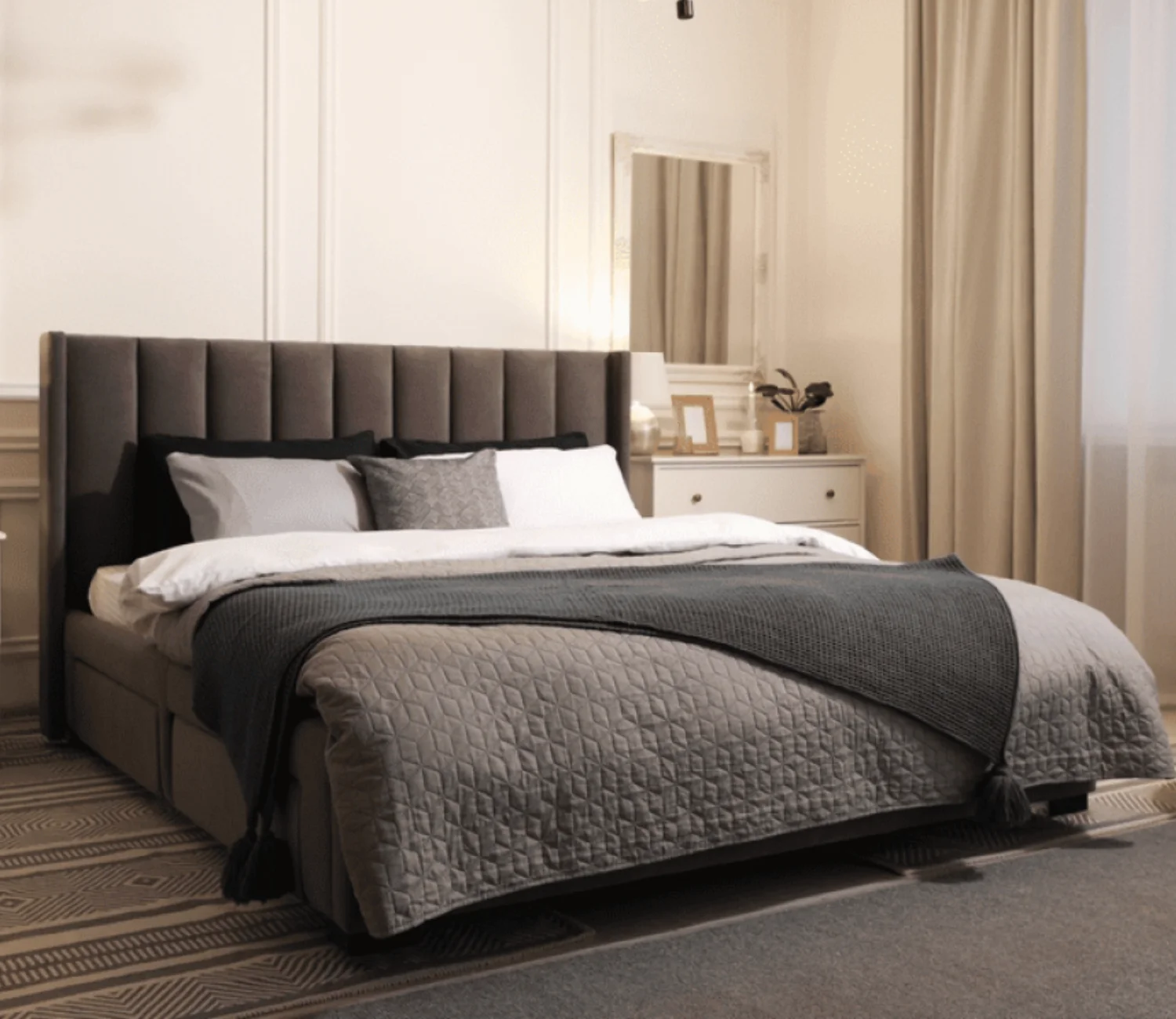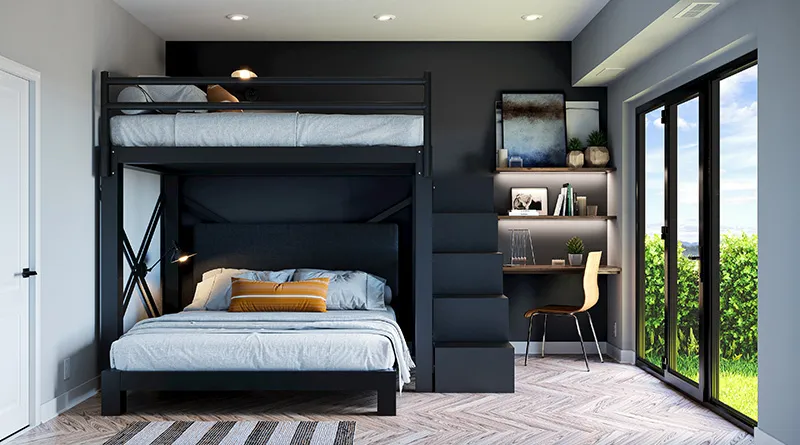
Matching bedroom furniture starts with choosing a consistent style, color palette, and material that creates a balanced and inviting space. Begin by selecting a main furniture style, such as modern, minimalist, traditional, or contemporary, and keep major pieces like the bed, wardrobe, bedside tables, and dresser within the same design family. For colors, choose one dominant shade, one complementary color, and a neutral tone to prevent the room from looking too busy.
Wooden furniture in natural shades such as walnut, oak, or brown can add warmth, while white, beige, grey, and soft neutral furniture creates a clean modern appearance. You can also mix furniture finishes carefully, but keep similar undertones and avoid combining too many different wood colors. Finally, coordinate your furniture with the flooring, wall color, curtains, bedding, rugs, and lighting to create a cohesive bedroom where every element feels connected.
How Do You Match Bedroom Furniture?
The easiest way to match bedroom furniture is to choose one dominant style or finish then repeat two or three visual elements throughout the room. Furniture does not need to be identical as long as the colors, proportions, materials and overall design language feel connected.
Start with the largest furniture piece in your bedroom. In most rooms, that will be the bed.
Use its:
- Wood tone
- Upholstery color
- Shape
- Hardware
- Design style
as the foundation for choosing the remaining furniture.
For example, a walnut wooden bed can work beautifully with cream nightstands and a dark wood dresser if walnut tones appear again through handles, shelving or decorative accessories.
Think coordinated rather than identical.
Should All Bedroom Furniture Match?
No, bedroom furniture does not have to match exactly. Mixing complementary furniture often produces a more natural and professionally designed bedroom than using an identical bed, dresser, wardrobe and nightstand set.
Perfectly matching furniture can create a clean traditional appearance. However, using too many identical pieces can sometimes make a bedroom feel like a furniture showroom.
A more balanced approach is to repeat certain elements.
For example:
| Furniture Piece | Main Feature | Coordinating Element |
|---|---|---|
| Bed | Walnut wood | Main wood tone |
| Nightstands | Warm white | Walnut handles |
| Dresser | Walnut | Matches bed |
| Bench | Beige fabric | Matches bedding |
| Wardrobe | Warm white | Matches nightstands |
Everything belongs together without every piece looking the same.
Start With One Anchor Piece
Choose one major piece of bedroom furniture as your visual anchor before selecting the rest. The bed usually works best because it is normally the largest and most noticeable piece in the room.
Your anchor furniture establishes the direction of the bedroom.
For example, if you have a modern walnut platform bed, you might build around:
- Warm walnut tones
- Beige or cream upholstery
- Black metal details
- Clean straight lines
- Minimal decorative elements
You now have a simple design rule for evaluating every additional furniture piece.
Before buying something, ask:
Does this piece share at least one or two characteristics with my anchor furniture?
If the answer is yes, it will usually fit naturally.
How to Match Bedroom Furniture Colors
Bedroom furniture colors should complement rather than compete with each other. Use one dominant furniture color then introduce one secondary finish and a smaller accent color to create visual balance.
A useful approach is the 60-30-10 principle.
Approximately:
- 60% of the room uses the main color
- 30% uses a supporting color
- 10% uses an accent
You do not need to follow these percentages mathematically. They simply help prevent too many colors from competing for attention.
For example:
Main: warm oak
Secondary: cream
Accent: matte black
You might use oak for the bed and dresser, cream for the wardrobe and nightstands then black for handles, lamps and frames.
The result feels connected even though three colors are present.
Can You Mix Different Wood Tones in a Bedroom?
Yes, different wood tones can work together when they share similar undertones. Mixing two main wood finishes usually creates more harmony than combining several unrelated brown, red, orange and grey woods.
First determine whether your wood has a warm, cool or neutral undertone.
Warm Woods
Warm wood tones often include hints of:
- Red
- Orange
- Honey
- Gold
Examples can include honey oak, cherry and some walnut finishes.
Cool Woods
Cool wood tones may lean toward:
- Grey
- Taupe
- Ash
- Muted brown
Neutral Woods
- Some natural oak and medium walnut finishes can sit between warm and cool depending on their stain.
- A light oak nightstand and walnut bed can work together because both can carry warm natural undertones.
- A heavily orange bed beside a blue-grey washed dresser may be more difficult to coordinate.
How Many Wood Tones Should You Use?
Two main wood tones are usually enough for a bedroom while a third can be used sparingly as an accent. Repeating each important wood tone at least twice makes mixed furniture look intentional rather than accidental.
Imagine you have:
- Walnut bed
- Walnut dresser
- Cream nightstands
- Oak dressing table
The single oak piece may feel disconnected.
Instead, repeat the oak tone through a mirror frame, chair, shelves or decorative tray.
Repeating materials gives the room visual rhythm.
Match the Furniture Style, Not Just the Color
Furniture pieces can have different colors and materials while still matching if their overall design style is consistent. Shape, leg design, detailing and proportions often influence compatibility just as much as furniture color.
Consider the difference between:
- Modern
- Contemporary
- Traditional
- Scandinavian
- Mid-century modern
- Rustic
- Industrial
- Luxury
- Minimalist
A simple oak platform bed may pair naturally with Scandinavian nightstands.
The same bed may feel disconnected beside a heavily carved traditional dresser with ornate gold handles.
You can mix styles but one style should normally remain dominant.
A simple rule is:
80% primary style + 20% contrasting style
That small contrast adds character without making the bedroom feel confused.
How to Match a Bed With Nightstands
Nightstands do not need to match the bed exactly but they should complement its height, scale, color or design details. Ideally, the top of a bedside table should sit close to the height of the mattress for comfortable everyday use.
For a large upholstered bed, avoid extremely delicate nightstands that look visually undersized.
Similarly, a slim minimalist bed can feel overwhelmed by oversized traditional bedside cabinets.
Look for a connection such as:
- Matching wood undertones
- Similar leg shapes
- Matching hardware
- Similar proportions
- Complementary colors
For example, a beige upholstered bed with walnut legs can look excellent with walnut nightstands.
The walnut detail visually connects the pieces.
Do Both Nightstands Need to Match?
Matching nightstands create symmetry but they are not required. Two different bedside tables can work when they have similar height, visual weight or a repeated color or material.
Different nightstands are especially useful when two people have different storage requirements.
You might use:
- A two-drawer table on one side
- A compact open shelf table on the other
Keep both approximately similar in height then repeat a material such as walnut or black metal.
This creates balance without complete symmetry.
How to Match a Dresser With a Bed
A dresser should coordinate with the bed through its wood tone, color, hardware or design style without necessarily being identical. Because both pieces have strong visual weight, avoid combining designs that strongly compete with each other.
If your bed is already highly detailed, choose a simpler dresser.
If your bed is minimal, the dresser can carry slightly more character.
For example:
Statement bed + simple dresser = balanced
Simple bed + textured dresser = balanced
Ornate bed + ornate dresser + ornate wardrobe = potentially overwhelming
Let one or two elements become the visual stars rather than asking every piece to attract attention.
How to Match a Wardrobe With Bedroom Furniture
Match a wardrobe to the room by repeating one of the bedroom’s dominant colors, wood tones or hardware finishes. Large wardrobes occupy significant visual space so neutral finishes often make them easier to integrate.
Suppose your room contains:
- Walnut bed
- Cream nightstands
- Beige upholstery
- Brass accents
A cream wardrobe with brass handles would connect naturally with the existing palette.
You do not necessarily need another large walnut piece.
In a small bedroom, using a wardrobe close to the wall color can also reduce its visual heaviness.
Match Furniture Hardware
Repeating hardware finishes is one of the easiest ways to make different bedroom furniture pieces look coordinated. Handles, knobs, legs and metal frames in similar finishes can visually connect furniture from completely different collections.
Common finishes include:
- Matte black
- Brass
- Gold
- Chrome
- Nickel
- Bronze
For example, you could have:
- Walnut bed
- White dresser
- Oak nightstands
Adding matte black handles or black lighting across the room creates a common visual thread.
Avoid introducing several competing metal finishes unless the room has a deliberate eclectic design.
Match Furniture With the Bedroom Floor
Bedroom furniture should contrast slightly with the floor instead of disappearing into it. If both the furniture and flooring are wood, use different but compatible tones to create separation.
If your floor is dark wood, consider:
- Light oak
- Cream
- Beige
- Upholstered furniture
- Medium walnut
If your floor is light wood, you have more freedom to introduce darker walnut, charcoal or painted furniture.
When the furniture and floor are almost the same wood color, the room can appear flat.
A rug can help create separation between similar finishes.
How to Match Furniture With Bedroom Walls
Furniture should either contrast with the wall color or use a related undertone. Light walls give greater flexibility while dark walls often work best with furniture that provides enough tonal contrast.
White or Off-White Walls
Work well with:
- Walnut
- Oak
- Black
- Beige
- Grey
- White furniture
Beige or Cream Walls
Pair naturally with:
- Walnut
- Warm oak
- Ivory
- Taupe
- Brown
Grey Walls
Consider:
- Ash wood
- Black
- White
- Natural oak
- Walnut for added warmth
Dark Walls
Balance them with:
- Light oak
- Cream
- Beige upholstery
- Natural wood
Contrast usually makes individual furniture pieces easier to appreciate.
Consider the Size and Scale of Every Piece
Matching furniture is also about proportion. Pieces with similar visual weight generally look more cohesive than furniture that is dramatically different in size, height or thickness.
A king-size upholstered bed has significant visual weight.
Tiny bedside tables may look lost beside it.
Instead, use nightstands wide enough to visually support the size of the bed.
Likewise, avoid filling a small bedroom with:
- Oversized dressers
- Deep wardrobes
- Large benches
- Bulky armchairs
- Heavy four-poster beds
Before buying furniture, measure:
- Room width
- Room length
- Door openings
- Walking space
- Bed dimensions
- Wardrobe depth
- Drawer opening clearance
A beautifully matched bedroom still fails functionally if you cannot comfortably move around it.
Use Upholstery to Connect Different Furniture
Upholstery can bridge different wood finishes and furniture styles by introducing a neutral material that repeats throughout the room. Beige, cream, taupe and soft grey fabrics are particularly flexible.
Suppose your bedroom contains walnut and oak furniture.
You could connect them using:
- Beige upholstered headboard
- Matching bench
- Neutral curtains
- Textured cushions
- Large neutral rug
The eye begins seeing the room as one complete composition rather than separate furniture pieces.
Should Bedroom Furniture Match the Bedding?
Bedroom furniture and bedding should complement each other but they do not need to share exactly the same colors. Bedding works best when it repeats one or two furniture tones then introduces softer contrasting shades.
For example:
Walnut furniture works beautifully with:
- Ivory
- Sage green
- Beige
- Warm white
- Taupe
- Muted blue
Black furniture can be softened with:
- Cream
- White
- Beige
- Soft grey
- Warm natural fabrics
Because bedding is easy to change, keep expensive furniture relatively versatile then use textiles to update the bedroom’s personality.
Best Bedroom Furniture Color Combinations
Successful bedroom color combinations usually include a dominant neutral or natural wood finish supported by one secondary tone and a smaller accent. Limiting the palette makes mixed furniture appear more deliberate.
| Main Furniture | Secondary Color | Accent | Overall Feel |
|---|---|---|---|
| Walnut | Cream | Brass | Warm and luxurious |
| Oak | White | Black | Modern and clean |
| Black | Natural wood | Beige | Contemporary |
| White | Light oak | Sage | Calm and Scandinavian |
| Dark walnut | Taupe | Gold | Elegant |
| Grey | Natural oak | Black | Modern |
| Cream | Walnut | Bronze | Warm and sophisticated |
| Beige | Oak | Soft green | Relaxed and natural |
Use these combinations as starting points rather than strict rules.
Lighting, flooring and wall colors will also affect how each finish appears.
How to Mix Old and New Bedroom Furniture
Old and new furniture can work together when they share a repeated color, material, shape or finish. Instead of trying to disguise the contrast, create one consistent visual element that connects both generations of furniture.
For example, an antique wooden dresser can work beside a modern upholstered bed.
Connect them with:
- Similar brass hardware
- Warm wood accessories
- Neutral bedding
- Traditional bedside lamps
- Artwork with warm tones
The older piece then becomes an intentional feature rather than an awkward mismatch.
Common Bedroom Furniture Matching Mistakes
The biggest bedroom furniture mistakes are using too many unrelated finishes, ignoring scale and trying to make every item a statement piece. A successful room needs repetition, contrast and visual hierarchy.
1. Buying Every Piece in Exactly the Same Finish
A complete matching set is not automatically wrong but too much repetition can make the room feel predictable.
Mix one complementary finish or material for depth.
2. Using Too Many Wood Colors
Four or five unrelated wood finishes can quickly make a room look disorganized.
Keep one dominant wood and one secondary wood whenever possible.
3. Ignoring Undertones
Two brown pieces are not automatically compatible.
One may have red undertones while another has a cool grey finish.
View furniture samples together before making expensive purchases.
4. Forgetting About Scale
Furniture can match perfectly in color while looking completely wrong in proportion.
Always consider height, width and visual weight.
5. Mixing Too Many Design Styles
A minimalist bed, industrial wardrobe, ornate dresser and farmhouse nightstand may struggle to form one coherent bedroom.
Choose one primary style then introduce smaller influences.
6. Matching Everything Too Perfectly
Professional-looking interiors often rely on controlled variation.
Matching every surface removes contrast and personality.
A Simple Formula for Matching Bedroom Furniture
Use one dominant furniture finish, one complementary finish and one repeating accent throughout the bedroom. This simple three-part formula allows different furniture pieces to look coordinated without requiring a complete matching set.
Try this approach:
1 dominant material + 1 secondary finish + 1 accent
For example:
Walnut + cream + brass
Use:
- Walnut bed
- Walnut dresser
- Cream nightstands
- Cream wardrobe
- Brass handles
- Brass lamps
Another example:
Oak + white + black
Use:
- Oak bed
- Oak dresser
- White wardrobe
- White nightstands
- Black handles
- Black lighting
This is one of the easiest ways to create a cohesive bedroom.
Bedroom Furniture Matching Checklist
Before buying bedroom furniture, check whether the new piece shares at least one or two characteristics with the furniture you already own. Color, undertone, style, scale, hardware and material are the most useful comparison points.
Before purchasing a new piece, ask:
- Does the wood undertone complement my existing furniture?
- Does the furniture style suit the rest of the bedroom?
- Is the size appropriate for the room?
- Does the height work with nearby furniture?
- Does the hardware coordinate with existing metals?
- Does the piece complement the flooring?
- Does it work with the wall color?
- Is there another element in the room that repeats its finish?
- Am I introducing too many different colors?
- Does the room still have one clear dominant style?
If most answers are yes, the furniture will probably integrate naturally.
Is It Better to Buy a Bedroom Set or Mix Furniture?
A bedroom set is best for people who want quick consistency while mixed furniture offers more personality and flexibility. Neither approach is automatically better as long as the furniture fits the room and follows a coherent palette.
Choose a matching set when you want:
- Simple decision-making
- Consistent finishes
- Traditional symmetry
- Easy coordination
Mix furniture when you want:
- More personality
- A layered designer look
- Greater flexibility
- Vintage and modern combinations
- Freedom to replace individual pieces
You can also combine both approaches.
For example, buy a matching bed and dresser then introduce contrasting nightstands.
How Can You Make Mismatched Bedroom Furniture Look Good?
Make mismatched furniture look intentional by repeating colors, hardware, textiles or wood tones around the bedroom. You do not necessarily need to repaint or replace furniture if other design elements can create visual connections.
Try adding:
- Matching drawer handles
- Similar bedside lamps
- Coordinated artwork
- A large area rug
- Repeated wood accessories
- Matching bedside styling
- Complementary bedding
- Similar baskets or storage boxes
Small repeated details can visually connect furniture that originally came from different collections.
Final Thoughts
The best bedroom furniture combinations look coordinated rather than perfectly matched. Choose a dominant style and finish then use repeated colors, materials, hardware and proportions to create a clear relationship between every piece.
Start with your bed or another major furniture piece then build the room around it. Keep the palette controlled. Match wood undertones. Pay attention to proportion and repeat important finishes around the bedroom.Most importantly, do not assume every piece must come from the same furniture collection.
A walnut bed can sit beside cream nightstands. An antique dresser can work with a modern upholstered headboard. Light and dark woods can share the same room. The secret is giving different pieces something in common. When that connection is visible, the entire bedroom feels planned, comfortable and complete.
FAQs
Does bedroom furniture have to be the same color?
No. Bedroom furniture can use different colors as long as they belong to a controlled palette and repeat elsewhere in the room.
For example, walnut furniture can be paired with cream, beige, black or even muted green depending on the overall design.
Can I mix white and wood furniture in a bedroom?
Yes. White and natural wood are one of the easiest furniture combinations because white creates visual simplicity while wood adds warmth and texture.
Light oak with white creates a Scandinavian feel while walnut with warm white can produce a richer contemporary look.
Can I mix dark and light wood furniture?
Yes. Dark and light wood can create attractive contrast when their undertones are compatible and both finishes appear intentionally throughout the bedroom.
Repeating each wood tone through smaller elements can help connect them.
Should my dresser match my nightstands?
Your dresser and nightstands do not need to match exactly. They should share at least one visual connection such as wood tone, hardware, shape, color or design style.
Using contrasting nightstands is also an easy way to prevent the room from looking overly matched.
What bedroom furniture color goes with everything?
Natural oak, medium walnut, warm white, cream and neutral upholstered finishes are among the easiest furniture colors to coordinate. Their versatility allows bedding, wall colors and accessories to change without requiring new furniture.
For long-term flexibility, choose major furniture in timeless finishes then introduce trend-driven colors through smaller decorative elements.