Chat on WhatsApp

Tag: bedroom furniture ideas

  • How to Match Bedroom Furniture: A Complete Style and Color Guide

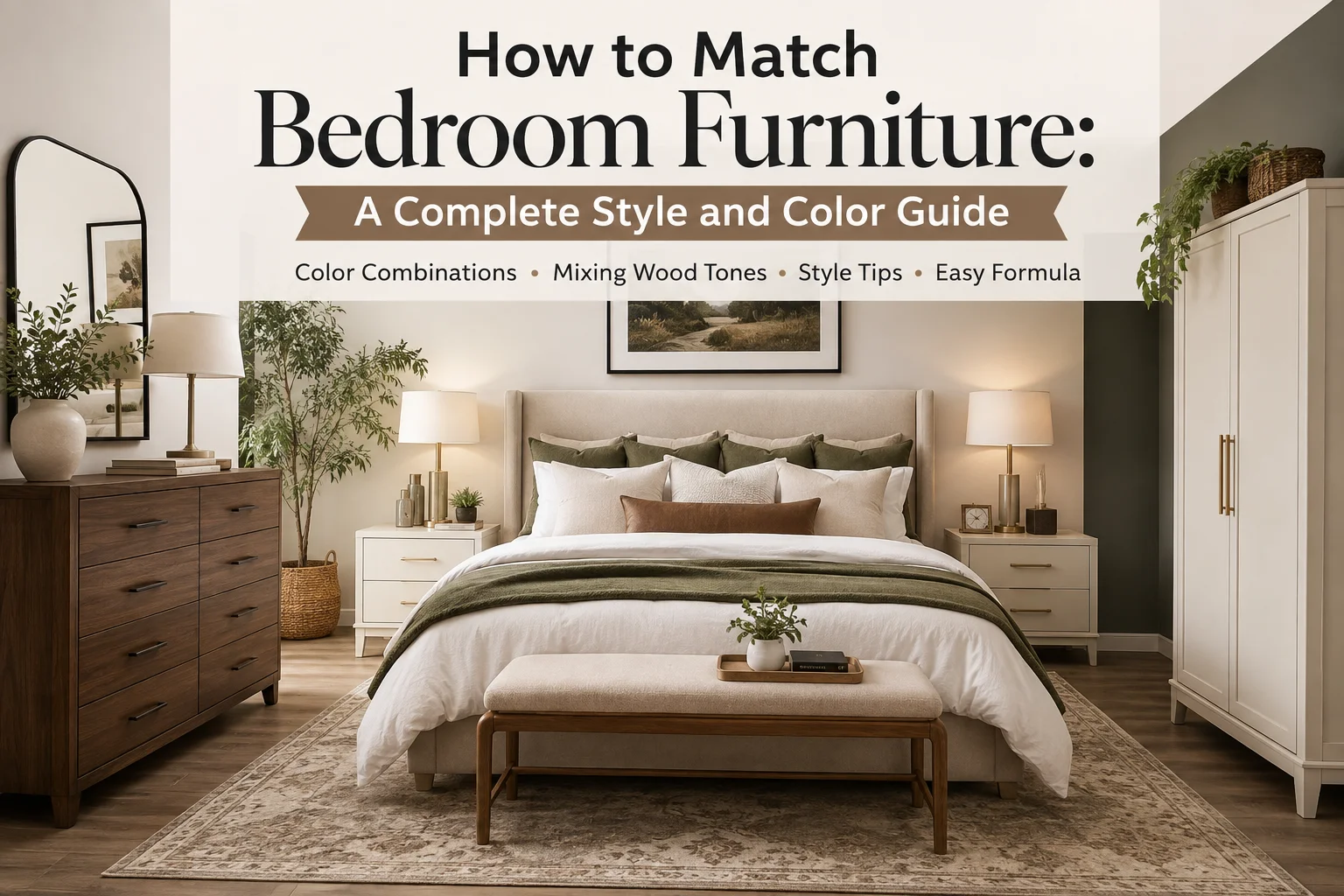
    How to Match Bedroom Furniture: A Complete Style and Color Guide

    Matching bedroom furniture starts with choosing a consistent style, color palette, and material that creates a balanced and inviting space. Begin by selecting a main furniture style, such as modern, minimalist, traditional, or contemporary, and keep major pieces like the bed, wardrobe, bedside tables, and dresser within the same design family. For colors, choose one dominant shade, one complementary color, and a neutral tone to prevent the room from looking too busy.

    Wooden furniture in natural shades such as walnut, oak, or brown can add warmth, while white, beige, grey, and soft neutral furniture creates a clean modern appearance. You can also mix furniture finishes carefully, but keep similar undertones and avoid combining too many different wood colors. Finally, coordinate your furniture with the flooring, wall color, curtains, bedding, rugs, and lighting to create a cohesive bedroom where every element feels connected.

    How Do You Match Bedroom Furniture?

    The easiest way to match bedroom furniture is to choose one dominant style or finish then repeat two or three visual elements throughout the room. Furniture does not need to be identical as long as the colors, proportions, materials and overall design language feel connected.

    Start with the largest furniture piece in your bedroom. In most rooms, that will be the bed.

    Use its:

    • Wood tone
    • Upholstery color
    • Shape
    • Hardware
    • Design style

    as the foundation for choosing the remaining furniture.

    For example, a walnut wooden bed can work beautifully with cream nightstands and a dark wood dresser if walnut tones appear again through handles, shelving or decorative accessories.

    Think coordinated rather than identical.

    Should All Bedroom Furniture Match?

    No, bedroom furniture does not have to match exactly. Mixing complementary furniture often produces a more natural and professionally designed bedroom than using an identical bed, dresser, wardrobe and nightstand set.

    Perfectly matching furniture can create a clean traditional appearance. However, using too many identical pieces can sometimes make a bedroom feel like a furniture showroom.

    A more balanced approach is to repeat certain elements.

    For example:

    Furniture PieceMain FeatureCoordinating Element
    BedWalnut woodMain wood tone
    NightstandsWarm whiteWalnut handles
    DresserWalnutMatches bed
    BenchBeige fabricMatches bedding
    WardrobeWarm whiteMatches nightstands

    Everything belongs together without every piece looking the same.

    Start With One Anchor Piece

    Choose one major piece of bedroom furniture as your visual anchor before selecting the rest. The bed usually works best because it is normally the largest and most noticeable piece in the room.

    Your anchor furniture establishes the direction of the bedroom.

    For example, if you have a modern walnut platform bed, you might build around:

    • Warm walnut tones
    • Beige or cream upholstery
    • Black metal details
    • Clean straight lines
    • Minimal decorative elements

    You now have a simple design rule for evaluating every additional furniture piece.

    Before buying something, ask:

    Does this piece share at least one or two characteristics with my anchor furniture?

    If the answer is yes, it will usually fit naturally.

    How to Match Bedroom Furniture Colors

    Bedroom furniture colors should complement rather than compete with each other. Use one dominant furniture color then introduce one secondary finish and a smaller accent color to create visual balance.

    A useful approach is the 60-30-10 principle.

    Approximately:

    • 60% of the room uses the main color
    • 30% uses a supporting color
    • 10% uses an accent

    You do not need to follow these percentages mathematically. They simply help prevent too many colors from competing for attention.

    For example:

    Main: warm oak
    Secondary: cream
    Accent: matte black

    You might use oak for the bed and dresser, cream for the wardrobe and nightstands then black for handles, lamps and frames.

    The result feels connected even though three colors are present.

    Can You Mix Different Wood Tones in a Bedroom?

    Yes, different wood tones can work together when they share similar undertones. Mixing two main wood finishes usually creates more harmony than combining several unrelated brown, red, orange and grey woods.

    First determine whether your wood has a warm, cool or neutral undertone.

    Warm Woods

    Warm wood tones often include hints of:

    • Red
    • Orange
    • Honey
    • Gold

    Examples can include honey oak, cherry and some walnut finishes.

    Cool Woods

    Cool wood tones may lean toward:

    • Grey
    • Taupe
    • Ash
    • Muted brown

    Neutral Woods

    • Some natural oak and medium walnut finishes can sit between warm and cool depending on their stain.
    • A light oak nightstand and walnut bed can work together because both can carry warm natural undertones.
    • A heavily orange bed beside a blue-grey washed dresser may be more difficult to coordinate.

    How Many Wood Tones Should You Use?

    Two main wood tones are usually enough for a bedroom while a third can be used sparingly as an accent. Repeating each important wood tone at least twice makes mixed furniture look intentional rather than accidental.

    Imagine you have:

    • Walnut bed
    • Walnut dresser
    • Cream nightstands
    • Oak dressing table

    The single oak piece may feel disconnected.

    Instead, repeat the oak tone through a mirror frame, chair, shelves or decorative tray.

    Repeating materials gives the room visual rhythm.

    Match the Furniture Style, Not Just the Color

    Furniture pieces can have different colors and materials while still matching if their overall design style is consistent. Shape, leg design, detailing and proportions often influence compatibility just as much as furniture color.

    Consider the difference between:

    • Modern
    • Contemporary
    • Traditional
    • Scandinavian
    • Mid-century modern
    • Rustic
    • Industrial
    • Luxury
    • Minimalist

    A simple oak platform bed may pair naturally with Scandinavian nightstands.

    The same bed may feel disconnected beside a heavily carved traditional dresser with ornate gold handles.

    You can mix styles but one style should normally remain dominant.

    A simple rule is:

    80% primary style + 20% contrasting style

    That small contrast adds character without making the bedroom feel confused.

    How to Match a Bed With Nightstands

    Nightstands do not need to match the bed exactly but they should complement its height, scale, color or design details. Ideally, the top of a bedside table should sit close to the height of the mattress for comfortable everyday use.

    For a large upholstered bed, avoid extremely delicate nightstands that look visually undersized.

    Similarly, a slim minimalist bed can feel overwhelmed by oversized traditional bedside cabinets.

    Look for a connection such as:

    • Matching wood undertones
    • Similar leg shapes
    • Matching hardware
    • Similar proportions
    • Complementary colors

    For example, a beige upholstered bed with walnut legs can look excellent with walnut nightstands.

    The walnut detail visually connects the pieces.

    Do Both Nightstands Need to Match?

    Matching nightstands create symmetry but they are not required. Two different bedside tables can work when they have similar height, visual weight or a repeated color or material.

    Different nightstands are especially useful when two people have different storage requirements.

    You might use:

    • A two-drawer table on one side
    • A compact open shelf table on the other

    Keep both approximately similar in height then repeat a material such as walnut or black metal.

    This creates balance without complete symmetry.

    How to Match a Dresser With a Bed

    A dresser should coordinate with the bed through its wood tone, color, hardware or design style without necessarily being identical. Because both pieces have strong visual weight, avoid combining designs that strongly compete with each other.

    If your bed is already highly detailed, choose a simpler dresser.

    If your bed is minimal, the dresser can carry slightly more character.

    For example:

    Statement bed + simple dresser = balanced

    Simple bed + textured dresser = balanced

    Ornate bed + ornate dresser + ornate wardrobe = potentially overwhelming

    Let one or two elements become the visual stars rather than asking every piece to attract attention.

    How to Match a Wardrobe With Bedroom Furniture

    Match a wardrobe to the room by repeating one of the bedroom’s dominant colors, wood tones or hardware finishes. Large wardrobes occupy significant visual space so neutral finishes often make them easier to integrate.

    Suppose your room contains:

    • Walnut bed
    • Cream nightstands
    • Beige upholstery
    • Brass accents

    A cream wardrobe with brass handles would connect naturally with the existing palette.

    You do not necessarily need another large walnut piece.

    In a small bedroom, using a wardrobe close to the wall color can also reduce its visual heaviness.

    Match Furniture Hardware

    Repeating hardware finishes is one of the easiest ways to make different bedroom furniture pieces look coordinated. Handles, knobs, legs and metal frames in similar finishes can visually connect furniture from completely different collections.

    Common finishes include:

    • Matte black
    • Brass
    • Gold
    • Chrome
    • Nickel
    • Bronze

    For example, you could have:

    • Walnut bed
    • White dresser
    • Oak nightstands

    Adding matte black handles or black lighting across the room creates a common visual thread.

    Avoid introducing several competing metal finishes unless the room has a deliberate eclectic design.

    Match Furniture With the Bedroom Floor

    Bedroom furniture should contrast slightly with the floor instead of disappearing into it. If both the furniture and flooring are wood, use different but compatible tones to create separation.

    If your floor is dark wood, consider:

    • Light oak
    • Cream
    • Beige
    • Upholstered furniture
    • Medium walnut

    If your floor is light wood, you have more freedom to introduce darker walnut, charcoal or painted furniture.

    When the furniture and floor are almost the same wood color, the room can appear flat.

    A rug can help create separation between similar finishes.

    How to Match Furniture With Bedroom Walls

    Furniture should either contrast with the wall color or use a related undertone. Light walls give greater flexibility while dark walls often work best with furniture that provides enough tonal contrast.

    White or Off-White Walls

    Work well with:

    • Walnut
    • Oak
    • Black
    • Beige
    • Grey
    • White furniture

    Beige or Cream Walls

    Pair naturally with:

    • Walnut
    • Warm oak
    • Ivory
    • Taupe
    • Brown

    Grey Walls

    Consider:

    • Ash wood
    • Black
    • White
    • Natural oak
    • Walnut for added warmth

    Dark Walls

    Balance them with:

    • Light oak
    • Cream
    • Beige upholstery
    • Natural wood

    Contrast usually makes individual furniture pieces easier to appreciate.

    Consider the Size and Scale of Every Piece

    Matching furniture is also about proportion. Pieces with similar visual weight generally look more cohesive than furniture that is dramatically different in size, height or thickness.

    A king-size upholstered bed has significant visual weight.

    Tiny bedside tables may look lost beside it.

    Instead, use nightstands wide enough to visually support the size of the bed.

    Likewise, avoid filling a small bedroom with:

    • Oversized dressers
    • Deep wardrobes
    • Large benches
    • Bulky armchairs
    • Heavy four-poster beds

    Before buying furniture, measure:

    1. Room width
    2. Room length
    3. Door openings
    4. Walking space
    5. Bed dimensions
    6. Wardrobe depth
    7. Drawer opening clearance

    A beautifully matched bedroom still fails functionally if you cannot comfortably move around it.

    Use Upholstery to Connect Different Furniture

    Upholstery can bridge different wood finishes and furniture styles by introducing a neutral material that repeats throughout the room. Beige, cream, taupe and soft grey fabrics are particularly flexible.

    Suppose your bedroom contains walnut and oak furniture.

    You could connect them using:

    • Beige upholstered headboard
    • Matching bench
    • Neutral curtains
    • Textured cushions
    • Large neutral rug

    The eye begins seeing the room as one complete composition rather than separate furniture pieces.

    Should Bedroom Furniture Match the Bedding?

    Bedroom furniture and bedding should complement each other but they do not need to share exactly the same colors. Bedding works best when it repeats one or two furniture tones then introduces softer contrasting shades.

    For example:

    Walnut furniture works beautifully with:

    • Ivory
    • Sage green
    • Beige
    • Warm white
    • Taupe
    • Muted blue

    Black furniture can be softened with:

    • Cream
    • White
    • Beige
    • Soft grey
    • Warm natural fabrics

    Because bedding is easy to change, keep expensive furniture relatively versatile then use textiles to update the bedroom’s personality.

    Best Bedroom Furniture Color Combinations

    Successful bedroom color combinations usually include a dominant neutral or natural wood finish supported by one secondary tone and a smaller accent. Limiting the palette makes mixed furniture appear more deliberate.

    Main FurnitureSecondary ColorAccentOverall Feel
    WalnutCreamBrassWarm and luxurious
    OakWhiteBlackModern and clean
    BlackNatural woodBeigeContemporary
    WhiteLight oakSageCalm and Scandinavian
    Dark walnutTaupeGoldElegant
    GreyNatural oakBlackModern
    CreamWalnutBronzeWarm and sophisticated
    BeigeOakSoft greenRelaxed and natural

    Use these combinations as starting points rather than strict rules.

    Lighting, flooring and wall colors will also affect how each finish appears.

    How to Mix Old and New Bedroom Furniture

    Old and new furniture can work together when they share a repeated color, material, shape or finish. Instead of trying to disguise the contrast, create one consistent visual element that connects both generations of furniture.

    For example, an antique wooden dresser can work beside a modern upholstered bed.

    Connect them with:

    • Similar brass hardware
    • Warm wood accessories
    • Neutral bedding
    • Traditional bedside lamps
    • Artwork with warm tones

    The older piece then becomes an intentional feature rather than an awkward mismatch.

    Common Bedroom Furniture Matching Mistakes

    The biggest bedroom furniture mistakes are using too many unrelated finishes, ignoring scale and trying to make every item a statement piece. A successful room needs repetition, contrast and visual hierarchy.

    1. Buying Every Piece in Exactly the Same Finish

    A complete matching set is not automatically wrong but too much repetition can make the room feel predictable.

    Mix one complementary finish or material for depth.

    2. Using Too Many Wood Colors

    Four or five unrelated wood finishes can quickly make a room look disorganized.

    Keep one dominant wood and one secondary wood whenever possible.

    3. Ignoring Undertones

    Two brown pieces are not automatically compatible.

    One may have red undertones while another has a cool grey finish.

    View furniture samples together before making expensive purchases.

    4. Forgetting About Scale

    Furniture can match perfectly in color while looking completely wrong in proportion.

    Always consider height, width and visual weight.

    5. Mixing Too Many Design Styles

    A minimalist bed, industrial wardrobe, ornate dresser and farmhouse nightstand may struggle to form one coherent bedroom.

    Choose one primary style then introduce smaller influences.

    6. Matching Everything Too Perfectly

    Professional-looking interiors often rely on controlled variation.

    Matching every surface removes contrast and personality.

    A Simple Formula for Matching Bedroom Furniture

    Use one dominant furniture finish, one complementary finish and one repeating accent throughout the bedroom. This simple three-part formula allows different furniture pieces to look coordinated without requiring a complete matching set.

    Try this approach:

    1 dominant material + 1 secondary finish + 1 accent

    For example:

    Walnut + cream + brass

    Use:

    • Walnut bed
    • Walnut dresser
    • Cream nightstands
    • Cream wardrobe
    • Brass handles
    • Brass lamps

    Another example:

    Oak + white + black

    Use:

    • Oak bed
    • Oak dresser
    • White wardrobe
    • White nightstands
    • Black handles
    • Black lighting

    This is one of the easiest ways to create a cohesive bedroom.

    Bedroom Furniture Matching Checklist

    Before buying bedroom furniture, check whether the new piece shares at least one or two characteristics with the furniture you already own. Color, undertone, style, scale, hardware and material are the most useful comparison points.

    Before purchasing a new piece, ask:

    1. Does the wood undertone complement my existing furniture?
    2. Does the furniture style suit the rest of the bedroom?
    3. Is the size appropriate for the room?
    4. Does the height work with nearby furniture?
    5. Does the hardware coordinate with existing metals?
    6. Does the piece complement the flooring?
    7. Does it work with the wall color?
    8. Is there another element in the room that repeats its finish?
    9. Am I introducing too many different colors?
    10. Does the room still have one clear dominant style?

    If most answers are yes, the furniture will probably integrate naturally.

    Is It Better to Buy a Bedroom Set or Mix Furniture?

    A bedroom set is best for people who want quick consistency while mixed furniture offers more personality and flexibility. Neither approach is automatically better as long as the furniture fits the room and follows a coherent palette.

    Choose a matching set when you want:

    • Simple decision-making
    • Consistent finishes
    • Traditional symmetry
    • Easy coordination

    Mix furniture when you want:

    • More personality
    • A layered designer look
    • Greater flexibility
    • Vintage and modern combinations
    • Freedom to replace individual pieces

    You can also combine both approaches.

    For example, buy a matching bed and dresser then introduce contrasting nightstands.

    How Can You Make Mismatched Bedroom Furniture Look Good?

    Make mismatched furniture look intentional by repeating colors, hardware, textiles or wood tones around the bedroom. You do not necessarily need to repaint or replace furniture if other design elements can create visual connections.

    Try adding:

    • Matching drawer handles
    • Similar bedside lamps
    • Coordinated artwork
    • A large area rug
    • Repeated wood accessories
    • Matching bedside styling
    • Complementary bedding
    • Similar baskets or storage boxes

    Small repeated details can visually connect furniture that originally came from different collections.

    Final Thoughts

    The best bedroom furniture combinations look coordinated rather than perfectly matched. Choose a dominant style and finish then use repeated colors, materials, hardware and proportions to create a clear relationship between every piece.

    Start with your bed or another major furniture piece then build the room around it. Keep the palette controlled. Match wood undertones. Pay attention to proportion and repeat important finishes around the bedroom.Most importantly, do not assume every piece must come from the same furniture collection.

    A walnut bed can sit beside cream nightstands. An antique dresser can work with a modern upholstered headboard. Light and dark woods can share the same room. The secret is giving different pieces something in common. When that connection is visible, the entire bedroom feels planned, comfortable and complete.

    FAQs

    Does bedroom furniture have to be the same color?

    No. Bedroom furniture can use different colors as long as they belong to a controlled palette and repeat elsewhere in the room.

    For example, walnut furniture can be paired with cream, beige, black or even muted green depending on the overall design.

    Can I mix white and wood furniture in a bedroom?

    Yes. White and natural wood are one of the easiest furniture combinations because white creates visual simplicity while wood adds warmth and texture.

    Light oak with white creates a Scandinavian feel while walnut with warm white can produce a richer contemporary look.

    Can I mix dark and light wood furniture?

    Yes. Dark and light wood can create attractive contrast when their undertones are compatible and both finishes appear intentionally throughout the bedroom.

    Repeating each wood tone through smaller elements can help connect them.

    Should my dresser match my nightstands?

    Your dresser and nightstands do not need to match exactly. They should share at least one visual connection such as wood tone, hardware, shape, color or design style.

    Using contrasting nightstands is also an easy way to prevent the room from looking overly matched.

    What bedroom furniture color goes with everything?

    Natural oak, medium walnut, warm white, cream and neutral upholstered finishes are among the easiest furniture colors to coordinate. Their versatility allows bedding, wall colors and accessories to change without requiring new furniture.

    For long-term flexibility, choose major furniture in timeless finishes then introduce trend-driven colors through smaller decorative elements.

  • Practical Home Furniture Guide for Pakistani Homes | Style & Comfort

    Practical Home Furniture Guide for Pakistani Homes | Style & Comfort

    Choosing home furniture for Pakistani homes means balancing style, comfort, space, and climate. Opt for durable materials like solid wood, engineered wood, or quality upholstery that can handle daily use and changing weather conditions. For living rooms, comfortable sofas, elegant center tables, and storage-friendly designs work well, while bedrooms benefit from sturdy beds, wardrobes, and practical side tables. Traditional Pakistani styles with carved wood, warm colors, and luxurious fabrics can add cultural charm, while modern minimalist designs help smaller homes feel more spacious. Consider multifunctional furniture such as sofa beds, storage beds, and compact dining sets to maximize space. Always prioritize comfort, easy maintenance, and quality craftsmanship so your furniture remains beautiful and functional for years.

    What every Pakistani bedroom needs to get right

    bedroom furniture

    The bedroom carries real social weight in Pakistani homes. When guests visit, the master bedroom is often on display. The bed set signals permanence, taste, and care. Getting this room right means understanding what to prioritise from the very start, and this home furniture guide for Pakistan begins here because the bedroom is where most buyers feel the pressure most acutely.

    The bed set: how big is actually big enough?

    The most commonly sold large bed size in Pakistani master bedrooms is the king, which typically measures 72 inches wide by 78 inches long (183 cm by 198 cm). Queen-size beds are less common in Pakistani master bedrooms, where the king has become the standard choice. Many buyers opt for a coordinated bed set, side tables and a dressing unit matched to the same finish, rather than sourcing individual pieces, which keeps the room visually cohesive without the effort of combining separate suppliers.

    Wardrobes: freestanding almost always wins here

    Freestanding wardrobes are commonly chosen for their flexibility, if you move, they come with you, and local craftsmanship in carved joinery remains a genuine draw. Standard wardrobe depth runs at 60 cm; if your room has a lower ceiling, confirm the unit’s full height before ordering. For rooms with odd-shaped alcoves or non-standard layouts, a bespoke wardrobe resolves the fit problem that ready-made units simply cannot address.

    Materials that last in Pakistan’s climate

    Sheesham is the practical first choice for beds and dressing tables. It is locally sourced, dense enough to handle Pakistan’s humidity cycles, and built to last 20 to 30 years or more. MDF is acceptable for wardrobe carcasses where it bears little structural load, but it is not suitable for bed frames. It swells in moisture, weakens under weight, and cannot be repaired once damaged. The price difference between sheesham and MDF is real, and so is the replacement cycle that comes with choosing the cheaper option.

    Living room furniture Pakistan, setting up the space without second-guessing yourself

    Practical Home Furniture Guide

    The living room is the most publicly visible space in a Pakistani home. Guests are received here. Family gatherings happen here. Getting the furniture wrong is both expensive and obvious.

    Choosing the right sofa set for your space

    The 7-seater sofa set is the dominant choice for main living rooms in urban Pakistani homes. As a general rule, a room of at least 15 by 18 feet provides enough space for a 7-seater without crowding; apply the standard clearance guide of maintaining at least 5 feet (roughly 150 cm) between facing seats so the room stays walkable. A 5-seater suits smaller or secondary lounges. L-shaped sectionals work well in corner layouts common in newer housing society apartments, but confirm the combined length, typically 250 to 325 cm, fits your room before ordering. For a mid-range 7-seater in 2026, budget between PKR 170,000 and PKR 300,000.

    Supporting pieces and current style trends

    TV unit should sit at a height that aligns with seated eye level, and your sofa should be at least 6 feet from the screen for comfortable viewing. A coffee table around 122 cm long pairs proportionally with a standard 3-seater anchor. Modern minimalism and Scandinavian-inspired design dominate urban Lahore and Karachi in 2026, with warm earth tones and natural wood finishes as the preferred combination.

    Traditional Chinioti carved sets remain popular among older buyers and in established housing schemes. A fusion approach pairs traditional joinery with clean contemporary upholstery. It sits comfortably between both worlds and suits buyers who want heritage without a heavy traditional feel.

    Upholstery choices that make sense for Pakistani homes

    Full-grain leather and heavy linens outlast velvet in high-traffic family rooms. Velvet photographs beautifully but shows wear faster in everyday use. Bouclé and textured cotton offer a relaxed, contemporary look that is gaining serious ground in 2026. For a main living room that seats the whole family regularly, durability and cleanability should weigh equally alongside appearance.

    Dining furniture that works for extended family gatherings

    dining table in a Pakistani home is not a breakfast-for-two situation. It needs to seat parents, in-laws, cousins, and the occasional unexpected guest without anyone ending up on a folding chair.

    How many seats do you actually need?

    For nuclear families, a 6-seater (150 by 90 cm) is the practical minimum. For joint families or anyone who regularly hosts, an 8-seater (195 by 90 cm) is the smarter default. A 10-seater runs to 260 by 90 cm and needs a dining room of at least 9 by 14 feet to allow proper chair clearance. The room rule to remember: maintain at least 91 cm from table edge to wall so chairs can be pulled out without difficulty.

    Table shape and material: what holds up over time

    Rectangular tables seat more guests and fit most Pakistani dining rooms. Round tables encourage conversation and work well in smaller spaces, but seat fewer people for the same footprint. For material, solid sheesham and walnut tops age beautifully over decades. Marble is striking but requires careful maintenance, scratches and staining are real concerns in a working family kitchen. MDF with veneer is the budget option, but it shows wear within a few years of daily use. A quality dining set in Pakistan is a generational purchase, not just a piece of furniture.

    Chairs and the details that get overlooked

    Standard dining chairs sit at 45 cm wide with a seat height of 46 cm. Chair height must match the table height, typically 76 cm, to avoid an awkward gap between seat and tabletop. For long family meals, upholstered chairs add real comfort; choose a fabric that handles food spills and regular cleaning.

    Coordinated dining sets, where table, chairs, and finish are matched from the same manufacturing batch, remove the guesswork of combining pieces from different suppliers.

    Kitchen furniture: the most overlooked room in the house

    Pakistani kitchens work hard. Steam, heat, and daily heavy use are the norm. Furniture choices here need to be functional first.

    Modular vs custom-built: which is right for you?

    Modular kitchens use pre-built units assembled on-site. Custom-built cabinets are made to your room’s exact measurements. In Pakistan, where kitchen layouts vary enormously between properties, custom-built almost always wins. Standard modular units frequently leave awkward gaps along walls, above appliances, or beside built-in alcoves. A bespoke kitchen eliminates those gaps because every unit is built to the room’s actual dimensions.

    Materials that survive the Pakistani kitchen

    For cabinet carcasses, moisture-resistant plywood or properly sealed MDF is acceptable. Ask the supplier specifically for a moisture-resistant board grade and sealed edges. Standard MDF without sealing fails quickly in high-humidity kitchen conditions, it swells, warps, and cannot be repaired. Before signing off on any kitchen order, confirm the ventilation allowances around your refrigerator unit (consult your appliance manual or installer for the recommended clearance). It is a small detail that causes significant problems if ignored.

    Home furniture buying guide Pakistan: what to realistically budget for each room

    Furniture Guide for Pakistani Homes

    Furniture prices in Pakistan are not always displayed clearly. Many showrooms quote verbally, which makes planning difficult, so ask for written quotes and use the reference ranges below as your benchmark for 2026.

    Item

    Budget (PKR) Mid-Range (PKR) Premium (PKR)

    Sofa set (5-seater) 70,000, 120,000

    120,000, 200,000

    200,000, 350,000+

    Dining set (6-seater) 25,000, 50,000

    50,000, 90,000

    90,000, 150,000+

    Bed set 20,000, 40,000

    40,000, 70,000

    70,000, 120,000+

    Wardrobe (2, 3 door)

    30,000, 60,000

    60,000, 100,000

    100,000, 180,000+

    What separates budget from premium is almost never just aesthetics. It is the wood type, joinery quality, and upholstery grade that you cannot see from across the showroom. Beds, sofas, and dining tables are worth investing in at the mid-to-premium tier because they are used every day. Secondary pieces, side tables, TV units, and accent chairs, can be sourced at a lower price point without noticeably compromising the overall look. Bespoke furniture costs more upfront but tends to eliminate the replacement cycles that come from buying low-quality ready-made pieces every few years.

    How to buy furniture in Pakistan without making costly mistakes

    Knowing what to buy is only half the equation. How you buy, and from whom, determines whether the process ends in satisfaction or regret. Whether you plan to visit furniture stores in Pakistan in person or buy furniture online in Pakistan through WhatsApp consultations, the same principles apply.

    Measure before you shop: a simple checklist

    Measuring everything yourself takes ten minutes and prevents weeks of frustration after delivery. Take these measurements before visiting a single showroom.

    • Room length and width at floor level, not just wall-to-wall
    • Ceiling height for tall wardrobes and display units
    • Door frame width and height to confirm furniture can be delivered into the room
    • Door swing arc, which needs at least 76 to 91 cm of clear space
    • Fixed elements: AC positions, built-in alcoves (aalmars), and electrical panels
    • Walkway clearances around major furniture pieces, minimum 90 cm on all sides

    What to look for in a trustworthy furniture seller

    A reliable seller, whether you are browsing furniture stores in Pakistan or considering buying furniture online, has transparent pricing, a physical showroom or factory you can inspect, a documented warranty on structural defects, and a clear return or exchange policy. These are the non-negotiables regardless of your budget. Gourmet Furnishers, based in Lahore, operates an open factory that customers can visit before delivery, a level of transparency that is genuinely rare in Pakistani furniture retail. Their catalogue covers every room in this guide, from bespoke wardrobes and kitchen cabinetry to complete dining and bed sets. For buyers in Karachi, Islamabad, or overseas, WhatsApp-based consultation and appointment scheduling mean you do not need to be in Lahore to receive the full service.

    Delivery, warranties, and the questions to ask before you pay

    Confirm the following before placing any order: Is delivery included? Is on-site assembly part of the service? What does the warranty actually cover, and what is the process for raising a defect claim? Many small local sellers may not offer a formal warranty, confirm coverage before purchasing. Buying from a brand with a documented warranty fundamentally changes the risk profile of a purchase that can run into hundreds of thousands of rupees. A well-informed buyer is always the better-protected buyer.

    Why Choose Gourmet Furnishers?

    Gourmet Furnishers is a trusted choice for high-quality home furniture that combines elegant design, comfort, and durability. With a focus on modern and traditional styles, Gourmet Furnishers offers furniture solutions that suit Pakistani homes, lifestyles, and budgets. From stylish living room sets to comfortable bedroom furniture, each piece is crafted with attention to detail and quality materials. Customers choose Gourmet Furnishers for its reliable craftsmanship, wide range of designs, customization options, and commitment to creating beautiful, functional spaces that last for years.

    Where to go from here

    Furnishing a home room by room is entirely manageable with the right framework. Each space has its own priorities: the bedroom demands durable materials and correctly sized pieces; the living room rewards investment in the right sofa set; the dining area must account for the full extended family; the kitchen requires materials that survive daily heat and steam. Working through them in sequence removes the feeling of being overwhelmed all at once.

    Two principles hold across every room in your home: measure before you shop, and buy from a seller who stands behind their work. A verbal promise in a showroom is not the same as a written warranty and a documented return policy. The difference only becomes apparent after delivery, which is exactly when you want that protection in place.

    Use this home furniture guide for Pakistan as your starting point, return to the pricing table when you are ready to budget, and bring your room measurements along to any showroom visit. Gourmet Furnishers brings bespoke manufacturing, full factory transparency, and a product range that covers every room under one quality standard. Visit the showroom in Lahore, book a WhatsApp consultation from wherever you are, or explore the full catalogue online. The right furniture, chosen carefully, serves your home for decades.

    FAQs

    What type of furniture is best for Pakistani homes?

    The best furniture for Pakistani homes is durable, comfortable, and suitable for the available space. Wooden furniture, upholstered sofas, storage beds, and multifunctional pieces are popular choices because they combine practicality with style.

    Which furniture style is popular in Pakistani homes?

    Both traditional and modern furniture styles are popular in Pakistan. Carved wooden designs, classic sofas, and elegant fabrics offer a traditional look, while minimalist furniture is ideal for contemporary homes.

    How can I choose furniture for a small Pakistani home?

    For smaller homes, choose space-saving furniture such as storage beds, compact sofas, foldable tables, and built-in cabinets. Light colors and simple designs can also make rooms appear larger.

    What materials are best for long-lasting home furniture?

    Solid wood, high-quality engineered wood, and durable upholstery fabrics are good options for long-lasting furniture. These materials provide strength, comfort, and better resistance to everyday wear.

    How can I maintain home furniture in Pakistan’s climate?

    Regular dusting, avoiding excess moisture, using protective covers, and keeping wooden furniture away from direct sunlight can help maintain its appearance and extend its lifespan.

  • Sliding Mirror Wardrobes: Are They Worth It for Small Bedrooms?

    Sliding Mirror Wardrobes: Are They Worth It for Small Bedrooms?

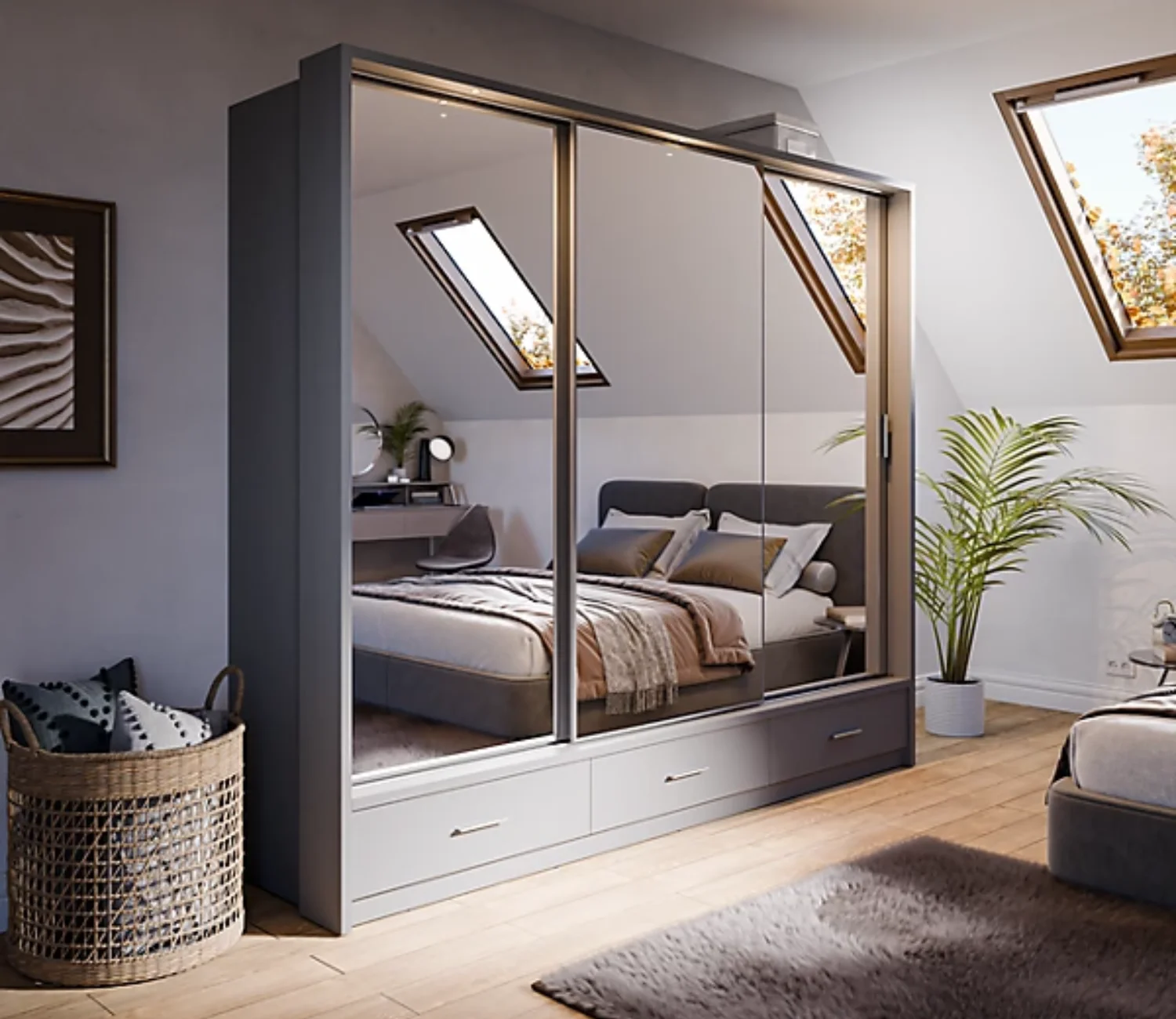
    Sliding mirror wardrobes are definitely worth it for small bedrooms because they save space and improve functionality. Unlike traditional hinged doors, sliding doors do not require extra clearance, making them ideal for compact rooms. The mirrored surface reflects light, which creates the illusion of a larger and brighter space. They also combine storage and dressing mirror in one unit, reducing the need for additional furniture. Overall, they are a practical, modern, and space-efficient solution for small bedrooms.

    Space-Saving Design Benefits

    Sliding mirror wardrobes are designed to maximize floor space in small bedrooms. Unlike traditional wardrobes, they do not require extra room to open doors outward. The sliding mechanism allows smooth movement along tracks without interfering with surrounding furniture. This makes them ideal for tight layouts where every inch matters. They help improve room flow and accessibility. Overall, they create a more functional and clutter-free environment.

    Mirror Effect and Visual Expansion

    One of the biggest advantages of these wardrobes is the mirror effect on room perception. The reflective surface creates an illusion of a larger and more spacious bedroom. It also helps bounce natural light around the room, making it brighter and more welcoming. This is especially useful in small or low-light spaces. Mirrors add depth and dimension to interior design. As a result, the room feels less confined and more open.

    Storage Capacity and Organization

    Sliding mirror wardrobes offer well-structured internal storage systems. They typically include shelves, hanging rods, drawers, and compartments for better organization. This helps users keep clothes, shoes, and accessories neatly arranged. In small bedrooms, organized storage is crucial to avoid clutter. These wardrobes maximize vertical and horizontal space efficiently. They make it easier to maintain a clean and tidy living area.

    Style and Modern Aesthetics

    These wardrobes add a modern and elegant touch to bedroom interiors. The sleek sliding doors give a minimalist and stylish appearance. Mirror finishes blend well with various décor styles, from contemporary to classic. They enhance the overall visual appeal of the room without overwhelming the space. Designers often use them to create luxury-like interiors in compact homes. This makes them both functional and visually attractive.

    Durability and Maintenance Factors

    Sliding mirror wardrobes are generally made with durable materials like MDF, engineered wood, or solid frames. However, the quality of the sliding track system plays a key role in long-term performance. Mirrors require regular cleaning to avoid fingerprints and dust marks. Proper maintenance ensures smooth sliding and long-lasting use. Safety features like shatter-resistant glass add extra protection. With care, these wardrobes can last for many years.

    Cost vs Value Analysis

    The price of sliding mirror wardrobes is usually higher than standard wardrobes. However, they provide multiple benefits that justify the investment. They combine storage, mirror functionality, and space optimization in one unit. This reduces the need for additional mirrors or furniture. In small bedrooms, their value becomes more noticeable due to efficient space use. Overall, they offer good long-term value for modern homes.

    Best Room Types for Sliding Mirror Wardrobes

    These wardrobes are best suited for small apartments, studio rooms, and compact bedrooms. They are also ideal for shared spaces where storage needs are high. Urban homes with limited square footage benefit the most from their design. Even guest rooms can use them for a stylish and functional upgrade. They fit well in modern interior layouts where space optimization is important. Their versatility makes them widely applicable.

    Common Drawbacks to Consider

    Despite their benefits, sliding mirror wardrobes have some limitations. Fingerprints and smudges are more visible on mirrored surfaces. The sliding mechanism may require maintenance over time. Poor-quality tracks can cause alignment issues. Mirrors also carry a risk of breakage if not handled carefully. These factors should be considered before purchasing.

    Buying Tips for Small Bedrooms

    When choosing a sliding mirror wardrobe, size is the most important factor. Always measure your room space before selecting a design. Check the quality of sliding tracks for smooth operation. Choose durable frame materials for long-term use. Interior customization options should match your storage needs. A well-planned choice ensures better performance and satisfaction.

    Measuring Your Bedroom Space Accurately

    Before buying a sliding mirror wardrobe, accurate measurement of your bedroom is essential. You should measure the height, width, and available wall space where the wardrobe will be placed. Also consider door clearance, bed position, and walking space to avoid a cramped look. Many buyers ignore depth, which later causes storage and movement issues. Always leave extra space for ventilation and easy access. Proper measurement ensures the wardrobe fits perfectly without disturbing room balance.

    Checking Sliding Track Quality

    The sliding mechanism is the most important functional part of a mirror wardrobe. Always check the quality of rails and rollers before purchasing. Smooth, noise-free sliding ensures long-term convenience and comfort. Poor-quality tracks often jam or become difficult to move over time. Stainless steel or high-grade aluminum tracks are more durable and reliable. A strong sliding system increases the lifespan and usability of the wardrobe.

    Choosing Durable Frame Materials

    Frame material directly affects the strength and durability of the wardrobe. Options like solid wood, engineered wood, or high-quality MDF are commonly used. Solid wood offers long-lasting performance but is more expensive. MDF and engineered wood are budget-friendly but should have proper finishing and lamination. Always check moisture resistance, especially in humid climates. A strong frame ensures stability and prevents warping over time.

    Selecting Interior Storage Layout

    Interior design plays a major role in maximizing storage efficiency. Look for wardrobes with adjustable shelves, hanging space, and drawers. Your storage choice should match your lifestyle, such as clothing type and accessories. Poor interior planning can lead to clutter and wasted space. Modular interiors offer flexibility for future adjustments. A well-designed layout keeps your bedroom organized and functional.

    Matching Design with Room Aesthetics

    A sliding mirror wardrobe should complement your bedroom’s overall style. Mirror finishes create a spacious and brighter look, especially in small rooms. However, consider frame color and design to match your existing furniture. Minimalist designs work best for modern interiors, while wood textures suit traditional themes. Avoid overly bulky designs that make the room feel smaller. A balanced design improves both beauty and comfort.

    Final Buying Considerations

    Before finalizing your purchase, compare prices, quality, and warranty options. Always buy from a trusted furniture provider to ensure durability and service support. Check installation services and after-sales assistance for added convenience. Reading customer reviews can help you understand product performance. Avoid rushing the decision and focus on long-term value. A well-researched purchase ensures satisfaction and better investment in your bedroom furniture.

    Why Choose Gourmet Furnishers

    Gourmet Furnishers is known for delivering high-quality, modern, and durable furniture solutions for Pakistani homes. Their sliding mirror wardrobes are designed with a focus on space optimization and elegant styling. The brand uses premium materials that ensure long-lasting performance and smooth functionality. They also offer customized designs according to customer room size and storage needs. Attention to detail and finishing makes their products stand out in the market. Choosing Gourmet Furnishers means investing in reliable quality and stylish home solutions.

    Conclusion

    Sliding mirror wardrobes are a highly practical solution for small bedrooms where space optimization is a priority. They combine storage efficiency with a modern, stylish appearance while also making the room feel larger and brighter. Although they may require a higher initial investment and regular maintenance, their long-term benefits in terms of functionality and aesthetics make them a worthwhile choice. For compact urban homes, they offer an ideal balance of design and utility. Overall, if used wisely and chosen with quality materials, sliding mirror wardrobes can significantly improve both the look and usability of small bedroom spaces.

    FAQs

    Are sliding mirror wardrobes good for small bedrooms?

    Yes, they are ideal because they save space and create a larger visual effect.

    Do mirror wardrobes make a room look bigger?

    Yes, mirrors reflect light and give the illusion of a more spacious room.

    Are sliding wardrobes durable?

    Yes, if made with quality materials and strong sliding systems, they last long.

    Do they require maintenance?

    Yes, regular cleaning of mirrors and track maintenance is recommended.

    Are they expensive compared to normal wardrobes?

    They are slightly more expensive but offer better functionality and value.