Chat on WhatsApp

Tag: furniture buying tips

  • How to Know If Furniture Price is Fair or Overcharged

    How to Know If Furniture Price is Fair or Overcharged

    A furniture price is considered fair when it reflects the quality of the materials, craftsmanship, durability, and overall value offered by the product. To determine whether you are being overcharged, compare similar furniture items from multiple retailers while paying close attention to factors such as solid wood versus engineered wood construction, upholstery quality, warranty coverage, and included services like delivery or assembly. A higher price may be justified if the furniture is built with premium materials and designed to last for many years, while an overpriced item often relies on branding, marketing, or artificial discounts without offering superior quality. By researching market prices, evaluating product specifications, and considering long-term durability, you can confidently decide whether a furniture piece is fairly priced or costs more than its true value.

    Understand What Determines Furniture Pricing

    Furniture pricing is influenced by several factors that go beyond appearance alone. Materials, construction methods, labor costs, transportation, brand reputation, and retailer markups all contribute to the final price. While some furniture commands a higher price due to superior durability and craftsmanship, other products may be overpriced because of branding or marketing strategies. Knowing what drives furniture costs helps buyers evaluate whether a price reflects actual value. Instead of focusing solely on the sticker price, it’s important to understand what you’re getting in return. This knowledge allows you to make smarter purchasing decisions and avoid unnecessary expenses.

    Material Quality

    The materials used in furniture construction play a major role in determining its price and long-term value. Solid hardwoods such as oak, walnut, and teak generally cost more because they offer superior durability and longevity. In contrast, engineered wood products like MDF or particleboard are more affordable but may not last as long under heavy use. Upholstery materials also affect pricing, with genuine leather and high-performance fabrics typically costing more than standard synthetic options. Premium materials often provide better resistance to wear, moisture, and daily damage. Evaluating material quality is one of the most effective ways to determine whether a furniture price is justified.

    Construction and Craftsmanship

    The way furniture is built significantly impacts both its quality and price. Well-crafted furniture often features strong joinery techniques, reinforced frames, and careful attention to detail. Handcrafted pieces generally require more labor and expertise, resulting in higher costs compared to mass-produced furniture. Quality craftsmanship contributes to stability, comfort, and durability over many years of use. Buyers should inspect joints, hardware, stitching, and finishing details to assess construction quality. A higher price is often fair when superior craftsmanship results in a longer-lasting and more reliable product.

    Brand Reputation

    Established furniture brands often charge higher prices due to their reputation for quality, consistency, and customer service. Consumers may be willing to pay more because trusted brands have a proven track record of delivering durable products. However, not all brand premiums are justified, and some companies rely heavily on marketing to command higher prices. Researching customer reviews and product specifications can help determine whether the reputation aligns with actual quality. A well-known brand may offer benefits such as better warranties and support services. Understanding the role of branding helps buyers separate genuine value from unnecessary markups.

    Research Average Market Prices

    Before making a purchase, it is important to understand the typical price range for the type of furniture you need. Comparing prices across multiple retailers provides valuable insight into what constitutes a fair market value. Market research helps identify unusually high prices and reveals competitive alternatives with similar features. Buyers who take time to compare options are less likely to overpay. Looking at both online and physical stores can provide a broader understanding of pricing trends. A little research can often save a substantial amount of money.

    Compare Multiple Retailers

    Comparing products from several furniture retailers allows buyers to identify pricing patterns and evaluate available options. Different stores may offer the same or similar products at significantly different prices. Retailers also vary in terms of warranties, delivery services, and customer support, all of which affect overall value. Checking multiple sources prevents buyers from assuming that the first price they encounter is fair. Online marketplaces, local furniture stores, and manufacturer websites are all useful comparison points. Gathering information from several retailers leads to more informed purchasing decisions.

    Check Similar Products

    When comparing furniture prices, it’s essential to evaluate products with similar specifications and features. Factors such as dimensions, materials, upholstery, frame construction, and included features should be as close as possible. Comparing dissimilar products can create misleading conclusions about value. Similar products provide a realistic benchmark for determining whether a particular item is priced competitively. This approach helps buyers identify products that offer better quality for a comparable cost. Careful comparison ensures a more accurate assessment of fair pricing.

    Evaluate Material Quality Before Comparing Prices

    Price comparisons are only meaningful when product quality is properly evaluated first. Two furniture items may look alike in photos while differing significantly in materials and construction. Examining material specifications allows buyers to understand what they are truly paying for. Higher-quality materials generally offer improved durability, appearance, and long-term performance. Ignoring material differences can result in purchasing a lower-quality product simply because it appears less expensive. Assessing quality before comparing prices leads to better value and greater satisfaction.

    Solid Wood Furniture

    Solid wood furniture is widely regarded as one of the most durable and valuable furniture options available. Woods such as oak, maple, walnut, and teak provide exceptional strength and longevity. Genuine solid wood typically withstands years of daily use while maintaining its appearance and structural integrity. Buyers should examine grain patterns, weight, and product descriptions to confirm authenticity. Although solid wood furniture often costs more initially, it can provide excellent long-term value. Its durability often justifies a higher purchase price compared to engineered alternatives.

    Upholstered Furniture

    The quality of upholstered furniture depends heavily on the fabric, cushioning, and frame construction used. High-density foam cushions generally retain their shape longer and provide greater comfort over time. Durable fabrics resist stains, fading, and wear, making them suitable for busy households. The frame should be sturdy and properly reinforced to support regular use. Buyers should consider both comfort and durability when evaluating upholstered furniture. Higher-quality upholstery often justifies a higher price due to its extended lifespan.

    Metal and Glass Furniture

    Metal and glass furniture can vary considerably in quality depending on the materials and manufacturing methods used. Thicker metal frames typically provide greater stability and durability than lightweight alternatives. Tempered glass is generally safer and more resistant to breakage than standard glass. Quality finishes help protect metal surfaces from rust, scratches, and discoloration. Buyers should inspect welds, connections, and overall construction quality before making a purchase. Well-made metal and glass furniture often offers excellent long-term value despite a higher initial cost.

    Look Beyond the Price Tag

    The listed price is only one component of the total cost of owning furniture. Additional expenses such as delivery, assembly, maintenance, and warranty coverage can significantly affect overall value. Some lower-priced products become more expensive after these costs are included. Buyers should evaluate the complete ownership experience rather than focusing solely on the advertised price. Considering all associated costs provides a more accurate picture of value. This approach helps prevent unexpected expenses after purchase.

    Delivery Costs

    Furniture delivery fees can vary greatly depending on product size, location, and service level. Some retailers include delivery in the purchase price, while others charge separate fees. Large furniture items often require specialized transportation and handling. Buyers should always confirm delivery costs before finalizing a purchase. Comparing total costs rather than base prices helps ensure a fair evaluation. Understanding delivery expenses prevents surprises and supports better budgeting.

    Warranty and After-Sales Service

    A comprehensive warranty often indicates confidence in a product’s quality and durability. Warranties can protect buyers against manufacturing defects, structural failures, and material issues. Reliable after-sales service adds value by providing assistance when problems arise. Buyers should carefully review warranty terms, coverage periods, and claim procedures. Furniture backed by strong warranties may justify a higher purchase price. Long-term support contributes to greater peace of mind and customer satisfaction.

    Return Policies

    Return policies are an important consideration when evaluating furniture purchases. Flexible return options provide reassurance if the product does not meet expectations after delivery. Buyers should review return windows, restocking fees, and return shipping requirements. Restrictive policies may increase the risk associated with a purchase. Understanding return terms allows consumers to make more confident decisions. A fair return policy can significantly enhance the overall value of a furniture purchase.

    Watch for Common Overpricing Tactics

    Some retailers use marketing techniques that make products appear more valuable than they actually are. Understanding common pricing strategies helps consumers identify potential overcharging. Not all discounts represent genuine savings, and not all premium prices indicate superior quality. Buyers who recognize these tactics can make more objective purchasing decisions. Careful evaluation reduces the likelihood of paying more than necessary. Awareness is one of the best defenses against overpriced furniture.

    Artificial Discounts

    Artificial discounts occur when retailers inflate original prices before advertising significant markdowns. This strategy creates the impression of exceptional savings even when the final price is close to normal market value. Buyers should compare prices across multiple retailers to verify the legitimacy of discounts. Historical pricing tools and competitor comparisons can provide useful insights. Genuine sales typically reflect meaningful reductions from established market prices. Research helps distinguish authentic deals from marketing tactics.

    Luxury Marketing Without Added Value

    Some furniture products are marketed as luxury items despite offering little difference in quality or performance. Premium branding, elaborate showrooms, and sophisticated advertising can contribute to inflated prices. Buyers should focus on tangible factors such as materials, craftsmanship, and durability rather than marketing claims alone. Genuine luxury furniture typically demonstrates exceptional construction and premium materials. Understanding the difference between perceived and actual value prevents unnecessary spending. Careful evaluation ensures that higher prices are justified.

    Limited-Time Pressure Sales

    Limited-time offers are commonly used to encourage quick purchasing decisions. While some promotions are legitimate, others create unnecessary urgency that discourages proper research. Buyers should avoid making purchases solely because a sale appears to be ending soon. Taking time to compare alternatives often reveals whether the offer is truly valuable. Thoughtful decision-making reduces the risk of overpaying. A quality furniture purchase should be based on value rather than pressure.

    Use the Cost-Per-Year Method

    The cost-per-year approach helps buyers evaluate furniture value over its expected lifespan. Instead of focusing solely on purchase price, this method considers how long a product will remain functional and attractive. A more expensive piece may actually cost less per year if it lasts significantly longer. This perspective encourages long-term thinking and smarter investments. Durable furniture often provides better value despite higher upfront costs. Calculating cost per year can simplify purchasing decisions.

    Calculate Long-Term Value

    Long-term value is determined by balancing purchase price against expected durability and performance. For example, a sofa that lasts fifteen years may represent better value than a cheaper alternative that requires replacement after five years. Buyers should consider expected lifespan, maintenance requirements, and overall quality. Products that maintain their appearance and functionality longer often justify higher prices. Looking beyond initial cost provides a more complete assessment of value. Long-term thinking leads to more economical furniture choices.

    Consider Maintenance Costs

    Maintenance expenses can affect the true cost of furniture ownership over time. Certain materials require specialized cleaning, refinishing, or repair services. Buyers should consider ongoing care requirements before making a purchase. Furniture with lower maintenance needs may offer greater value in the long run. Understanding these costs helps create realistic ownership expectations. Factoring maintenance into the buying decision supports smarter financial planning.

    Signs a Furniture Price Is Fair

    Fairly priced furniture typically combines quality materials, solid construction, and competitive market pricing. The product should offer durability and functionality that align with its cost. Positive customer reviews and transparent product information further support value. Fair pricing often includes reasonable warranties and dependable customer service. Buyers should feel confident that the product’s quality justifies its price. When these factors are present, the purchase is more likely to represent good value.

    Red Flags That Suggest Overcharging

    Several warning signs may indicate that furniture is overpriced. Excessively high prices compared to similar products should prompt further investigation. Vague descriptions, poor-quality materials, and limited warranty coverage can also signal overcharging. Retailers that rely heavily on marketing while providing little product detail may deserve extra scrutiny. Buyers should carefully compare specifications before committing to a purchase. Recognizing these red flags helps prevent costly mistakes.

    Smart Questions to Ask Before Buying

    Asking the right questions can reveal valuable information about furniture quality and value. Buyers should inquire about materials, construction methods, warranty coverage, and expected lifespan. Understanding delivery fees, assembly requirements, and return policies is equally important. Detailed answers demonstrate transparency and confidence from the seller. Well-informed questions help buyers compare products more effectively. This approach leads to smarter purchasing decisions and better long-term satisfaction.

    Why Choose Gourmet Furnishers

    Gourmet Furnishers is committed to delivering furniture that balances quality, craftsmanship, and value. Every piece is carefully selected or manufactured using durable materials designed for long-lasting performance. The company focuses on transparent pricing, helping customers understand exactly what they are paying for without hidden costs. A wide range of furniture styles ensures that customers can find options that suit both their needs and budgets. Dedicated customer support and reliable after-sales service further enhance the buying experience. By prioritizing quality, honesty, and customer satisfaction, Gourmet Furnishers helps buyers invest confidently in furniture that offers genuine value.

    Conclusion

    Determining whether a furniture price is fair requires more than simply comparing price tags. Buyers should evaluate materials, craftsmanship, warranties, market comparisons, and long-term durability before making a decision. Understanding these factors helps separate genuine value from marketing-driven pricing. By conducting careful research and asking the right questions, consumers can avoid overpaying while investing in furniture that meets their needs. A thoughtful approach ensures greater satisfaction and better financial outcomes. Ultimately, fair pricing is about receiving quality, performance, and longevity that justify the cost.

    FAQs

    How can I tell if furniture is overpriced?

    Compare similar products, evaluate material quality, and review construction details. If the price is significantly higher without clear benefits, it may be overpriced.

    Is expensive furniture always better quality?

    Not necessarily. Some products cost more because of branding or marketing. Always assess materials, craftsmanship, and durability before making a decision.

    What is the best way to compare furniture prices?

    Compare products with similar dimensions, materials, and features across multiple retailers to establish a fair market value.

    Why are solid wood furniture pieces more expensive?

    Solid wood offers greater durability, longevity, and structural strength, making it a premium material that often justifies higher pricing.

    Do warranties affect furniture value?

    Yes. Strong warranties provide protection against defects and indicate the manufacturer’s confidence in the product’s quality, adding overall value.


  • Why Cheap Furniture Breaks Quickly and How to Avoid It

    Why Cheap Furniture Breaks Quickly and How to Avoid It

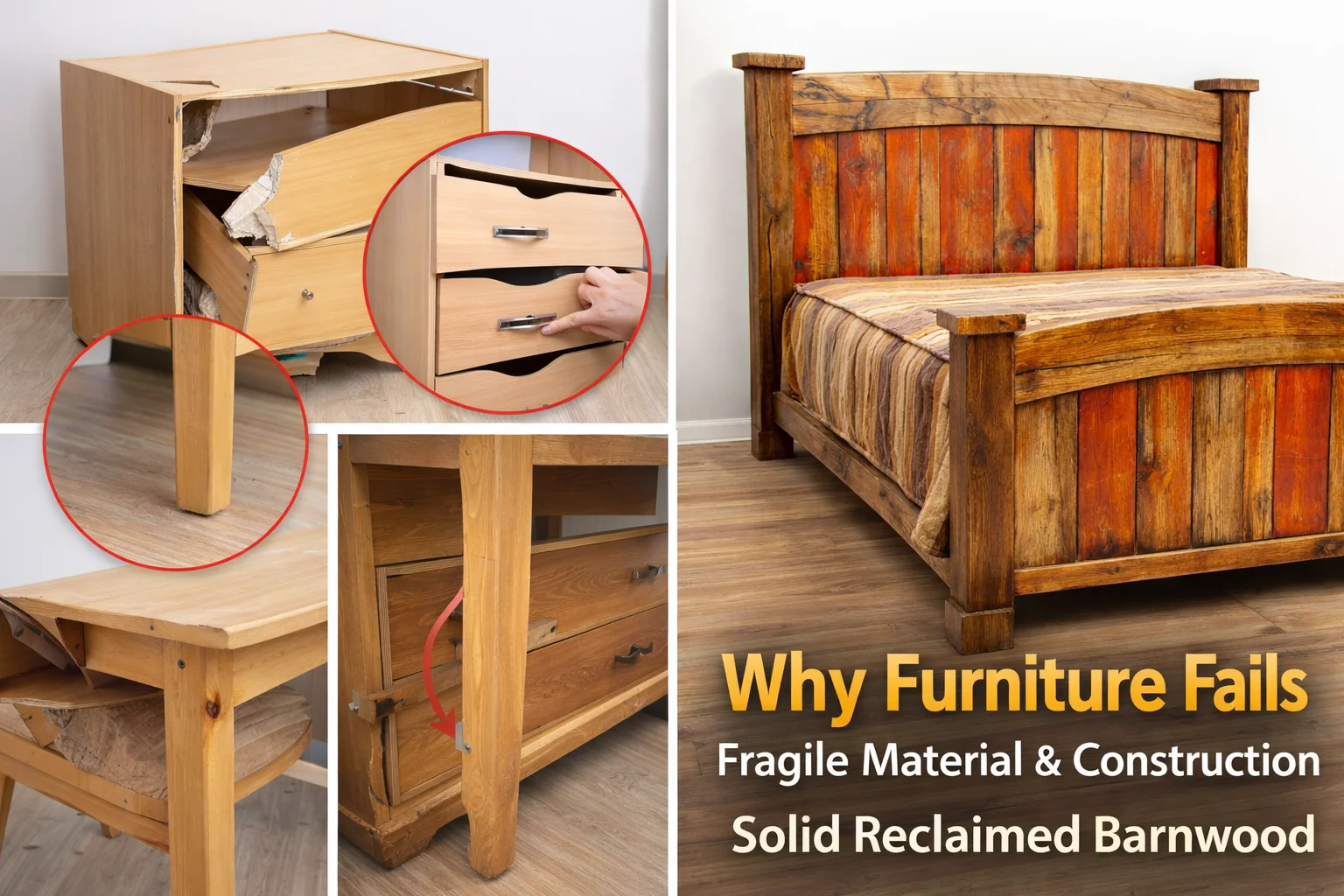
    Cheap furniture breaks quickly mainly because it is made from low-quality materials like thin particle board, weak adhesives, and low-grade metal or plastic fittings that cannot handle regular weight or daily use, and manufacturers often reduce durability to cut costs, resulting in poor joints, weak screws, and minimal structural support. It also lacks proper finishing and moisture resistance, which causes swelling, cracking, or loosening over time. To avoid this, always check for solid wood or high-density engineered wood, strong joinery (like screws and dowels instead of glue-only assembly), good hardware quality, and proper weight capacity ratings before buying. Investing a little more in well-built furniture from trusted makers ensures long-term durability, better stability, and lower replacement costs in the future.

    Why Does Cheap Furniture Break Quickly?

    Many low-cost furniture pieces are manufactured with the primary goal of reducing production expenses. This often leads to compromises in material quality, construction methods, and finishing standards. While these products may look attractive in showrooms, they may not withstand everyday use. Weak structures and low-grade components make them more susceptible to damage. Knowing the reasons behind premature wear can help buyers avoid costly mistakes. Investing in durable furniture provides better performance and greater value over time.

    Low-Quality Materials

    One of the biggest reasons cheap furniture breaks quickly is the use of low-quality materials. Manufacturers often use particle board, thin MDF, or weak plywood instead of solid wood. These materials are less durable and can crack or bend under pressure. Low-grade laminates and veneers may peel off after prolonged use. Moisture and temperature changes can also affect these materials more severely. Choosing furniture made from premium wood or high-quality engineered boards increases durability significantly.

    Poor Construction and Workmanship

    Even attractive furniture can fail quickly if it is poorly constructed. Weak joints, inadequate screws, and poor adhesives reduce structural stability. Furniture made with shortcuts during manufacturing often becomes loose over time. Wobbly legs and unstable frames are common signs of poor workmanship. Lack of reinforcement in key areas causes stress-related damage. High-quality craftsmanship ensures strength and extends the life of furniture.

    Inferior Hardware and Accessories

    Furniture hardware plays an essential role in functionality and durability. Cheap hinges, handles, and drawer channels wear out quickly with regular use. Doors may stop closing properly, and drawers may become difficult to open. Weak fittings can loosen and require frequent maintenance. Inferior accessories negatively affect the overall performance of furniture. Premium hardware provides smooth operation and long-lasting reliability.

    Thin Upholstery and Foam

    Low-quality sofas and chairs often contain thin foam and poor fabric materials. These materials lose their shape quickly and become uncomfortable after regular use. Sagging cushions and torn upholstery reduce both comfort and appearance. Inferior foam lacks resilience and cannot support daily usage effectively. Cheap fabrics may fade or wear out prematurely. Investing in quality upholstery ensures lasting comfort and elegance.

    Lack of Moisture and Termite Protection

    Furniture without proper protection is vulnerable to environmental damage. Humidity can cause swelling, warping, and cracking in weak materials. Termites and insects may also attack untreated wooden furniture. Exposure to moisture shortens the lifespan of cabinets, beds, and wardrobes. Protective coatings and treated wood improve resistance against such issues. Quality furniture manufacturers prioritize moisture and termite resistance for long-term durability.

    Mass Production Over Quality

    Many inexpensive furniture products are mass-produced to minimize manufacturing costs. Speed often becomes more important than quality control during production. As a result, inconsistencies in finishing and structural integrity are common. Low attention to detail affects overall strength and appearance. Mass-produced furniture may look appealing initially but often lacks durability. Choosing reputable brands helps ensure better craftsmanship and quality standards.

    Signs That Furniture Is Made Cheaply

    Buyers can identify low-quality furniture by paying attention to certain signs. Lightweight construction often indicates weak materials and poor support. Uneven surfaces and rough edges suggest inadequate finishing processes. Loose joints and unstable frames point toward weak workmanship. Thin panels and poor-quality veneers are also warning signs. Examining furniture carefully before purchase helps prevent expensive disappointments. Quality furniture generally feels sturdy, balanced, and professionally finished.

    Lightweight and Unstable Construction

    Furniture that feels excessively light may lack the structural strength needed for long-term use. Weak frames and thin materials contribute to instability. Wobbling tables and chairs indicate poor support systems. Lightweight pieces are more prone to damage during regular use. Strong furniture should feel solid and balanced. Stability is a key indicator of durability and quality.

    Uneven Finishes and Rough Edges

    Poor finishing reflects inadequate manufacturing standards. Uneven paint, chipped surfaces, and rough corners affect both appearance and durability. Low-quality finishes may peel or fade with time. Imperfections are signs of limited quality control. Smooth surfaces and precise detailing indicate superior craftsmanship. Proper finishing enhances both beauty and longevity.

    Loose Joints and Wobbly Legs

    Weak joints reduce the structural integrity of furniture. Loose screws and unstable legs often become worse with regular use. Wobbly furniture creates safety concerns and discomfort. Properly reinforced joints improve stability and strength. High-quality furniture uses advanced joinery techniques for added durability. Strong construction ensures long-term performance.

    Thin Panels and Weak Frames

    Thin boards and weak frames cannot handle daily stress effectively. They are more likely to bend, crack, or break over time. Weak structures compromise overall functionality and safety. Furniture frames should provide solid support to maintain stability. Thick panels and reinforced frames increase durability significantly. Quality materials contribute to a longer lifespan.

    Low-Quality Fabric or Veneer

    Cheap upholstery fabrics wear out quickly and lose their appearance. Thin veneers may peel or crack after prolonged use. Poor materials reduce the visual appeal of furniture. High-quality fabrics provide better comfort and durability. Premium veneers maintain their finish for years. Investing in superior materials enhances long-term satisfaction.

    Cheap Hardware and Fittings

    Low-grade fittings are among the first components to fail. Drawer slides and hinges may become loose or malfunction. Poor hardware affects daily convenience and usability. Durable accessories improve furniture performance significantly. Strong fittings reduce maintenance costs over time. Premium hardware ensures smooth and reliable operation.

    Hidden Costs of Buying Cheap Furniture

    While cheap furniture appears affordable initially, it often leads to higher expenses later. Frequent repairs and replacements increase overall costs. Poor durability means furniture may need replacement within a few years. Inferior quality also affects comfort and aesthetics. Investing in quality products reduces long-term expenses and improves satisfaction. Durable furniture provides better value for money over its lifespan.

    How to Avoid Buying Furniture That Breaks Easily

    Making informed decisions can help buyers avoid low-quality furniture. Always inspect materials, construction, and hardware carefully. Test the stability and comfort of furniture before purchasing. Research reputable brands and customer reviews for better assurance. Consider warranties and after-sales services as indicators of quality. Taking these precautions helps ensure long-lasting satisfaction.

    Check the Material Quality

    Materials determine the strength and durability of furniture. Solid wood and premium engineered boards offer better performance. High-quality finishes improve resistance against wear and moisture. Strong materials maintain their appearance over time. Investing in superior materials reduces repair costs. Quality construction starts with quality raw materials.

    Inspect the Frame and Construction

    The frame acts as the foundation of furniture durability. Strong joints and reinforced corners provide better support. Proper construction techniques prevent loosening and instability. A sturdy frame increases safety and lifespan. Buyers should examine structural strength before making a purchase. Quality craftsmanship ensures long-lasting performance.

    Examine Hardware and Accessories

    Hardware quality directly affects furniture functionality. Smooth drawer channels and durable hinges enhance user experience. Strong fittings reduce wear and tear over time. Premium accessories require less maintenance and replacement. Buyers should inspect handles and mechanisms carefully. High-quality hardware contributes to overall durability.

    Test Comfort and Stability

    Comfort is as important as durability when choosing furniture. Sofas and chairs should provide proper support and cushioning. Tables and beds should feel stable and balanced. Testing furniture before purchase helps identify weaknesses. Stable furniture performs better over the years. Comfort and strength should always go hand in hand.

    Buy From Trusted Furniture Brands

    Reputable brands maintain higher manufacturing standards. They use quality materials and experienced craftsmanship. Established companies also provide warranties and after-sales support. Positive customer reviews indicate reliability and trust. Trusted brands focus on long-term customer satisfaction. Buying from reputable manufacturers reduces the risk of poor-quality products.

    Best Materials for Long-Lasting Furniture

    The choice of material greatly influences furniture durability. Solid Ashwood and Sheesham wood are known for their strength and elegance. High-quality MDF with deco paint provides modern appeal and resistance. UV sheet furniture with aluminum and glass offers durability and contemporary style. Premium upholstery materials enhance comfort and longevity. Selecting quality materials ensures years of dependable performance.

    Is Expensive Furniture Always Better?

    Higher prices do not always guarantee superior quality. Buyers should focus on materials, craftsmanship, and durability rather than cost alone. Some affordable furniture options provide excellent value and longevity. Understanding construction and quality indicators helps make better decisions. Value should always take precedence over price. Smart purchases deliver long-term satisfaction and savings.

    Why Investing in Quality Furniture Saves Money

    Quality furniture lasts longer and requires fewer repairs. Durable products maintain their appearance and functionality for years. Better materials provide enhanced comfort and support. Long-lasting furniture reduces replacement costs significantly. Investing wisely increases overall value and satisfaction. Quality furniture becomes more economical over time.

    Why Choose Gourmet Furnishers

    Gourmet Furnishers is committed to delivering premium-quality furniture designed for modern Pakistani homes. Every product is crafted using durable materials and superior workmanship to ensure long-lasting performance. Their collection includes stylish bedroom sets, dining furniture, center tables, wardrobes, and living room essentials. Attention to detail, premium finishes, and reliable hardware make each piece both functional and elegant. Customers benefit from exceptional quality, contemporary designs, and excellent value for money. Gourmet Furnishers focuses on creating furniture that combines beauty, comfort, and durability for years of use.

    Conclusion

    Cheap furniture may save money initially, but its limited lifespan often leads to higher costs in the future. Weak materials, poor construction, and inferior hardware are common reasons behind frequent damage. Understanding quality indicators helps buyers make smarter decisions. Investing in durable furniture ensures comfort, style, and long-term value. Choosing trusted manufacturers reduces maintenance and replacement expenses. Quality furniture remains a worthwhile investment for every home.

    FAQs

    Why does cheap furniture break easily?

    Cheap furniture often uses low-quality materials and weak construction, which reduces durability and lifespan.

    How can I identify quality furniture?

    Check the materials, frame strength, hardware, and overall finishing before buying.

    Is MDF furniture durable?

    High-quality MDF with proper finishing can provide excellent durability and long-lasting performance.

    Which wood is best for furniture in Pakistan?

    Sheesham wood and Ashwood are popular choices because of their strength and elegant appearance.

    Why should I buy from Gourmet Furnishers?

    Gourmet Furnishers offers premium-quality furniture with stylish designs, durable materials, and reliable craftsmanship.

  • How to Identify High-Quality Wood Furniture?

    How to Identify High-Quality Wood Furniture?

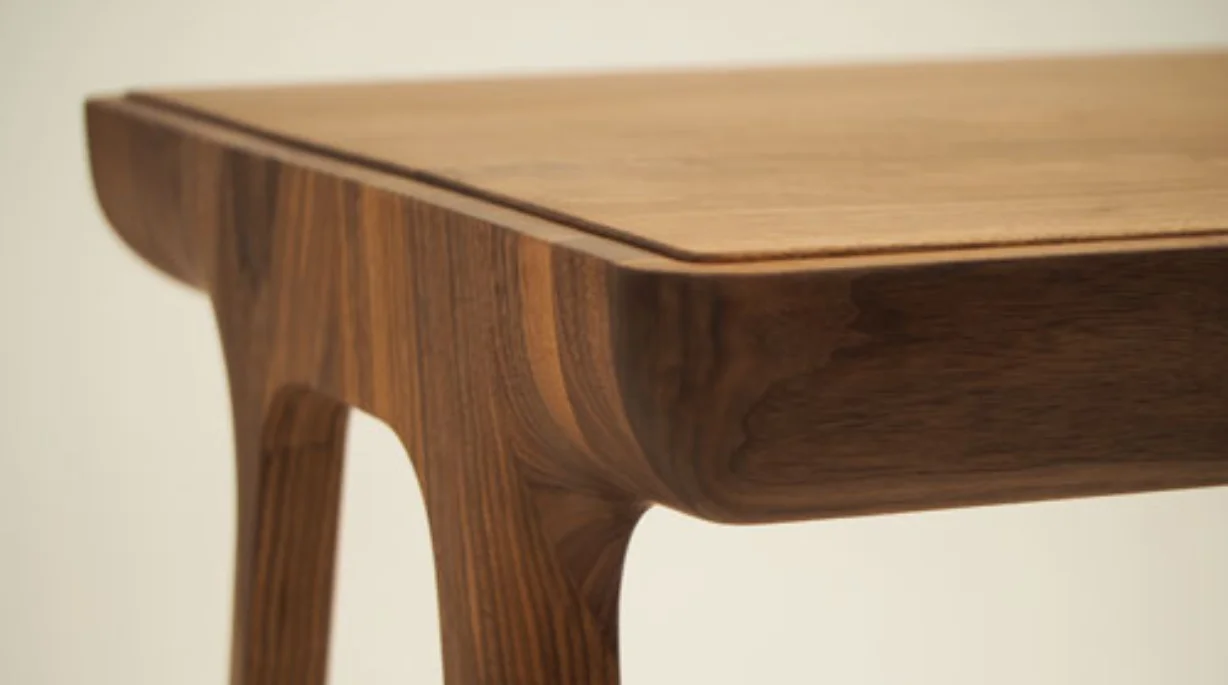
    High-quality wood furniture can be identified by carefully checking the type of wood, craftsmanship, and finishing details. Solid hardwoods like oak, teak, walnut, and maple are usually stronger and more durable than engineered or particle boards. You should look at the joints of the furniture; well-made pieces often use strong joinery techniques such as dovetail or mortise-and-tenon joints instead of nails or weak glue. The surface should feel smooth, even, and properly sealed without rough edges, bubbles, or uneven paint or polish.

    Another important factor is weight and stability, as good-quality wooden furniture tends to feel solid and heavy rather than lightweight or hollow. Check for consistency in color and grain pattern, which reflects careful selection of wood and proper finishing. Also, open drawers or doors to test movement—high-quality furniture operates smoothly without sticking or wobbling. Lastly, reputable manufacturers usually provide warranties, which is a strong sign of confidence in their product quality.

    What Defines High-Quality Wood Furniture?

    High-Quality Wood Furniture

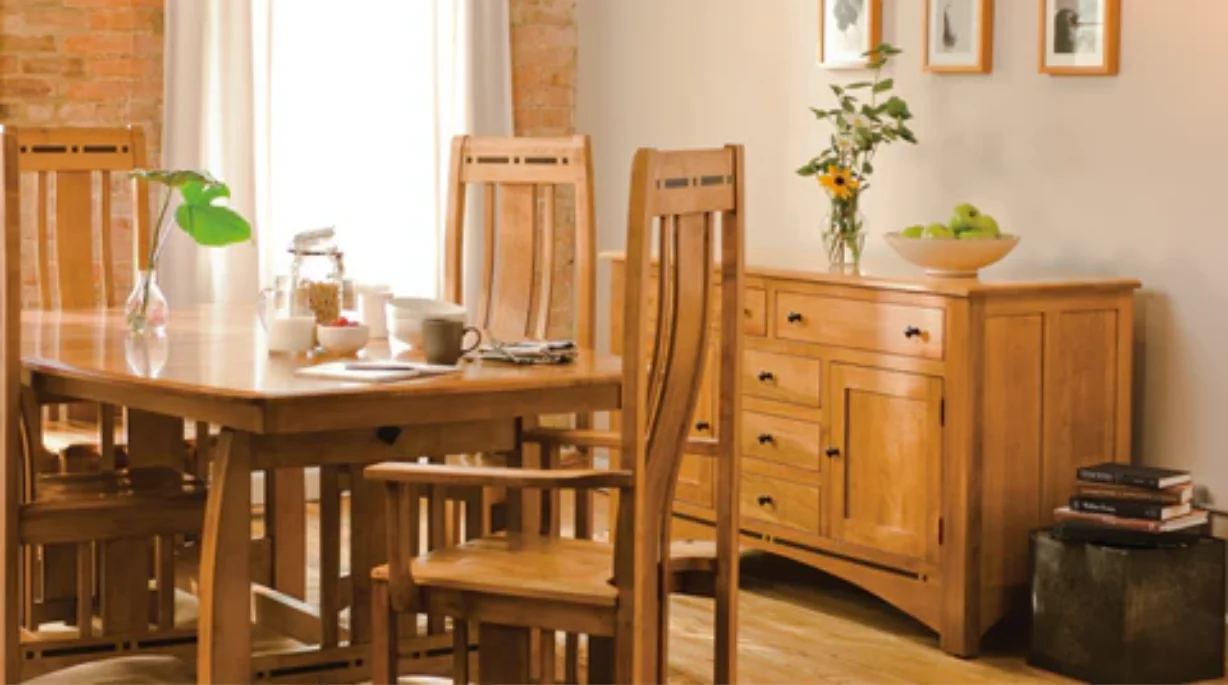
    High-quality wood furniture is defined by its material strength, craftsmanship, and finishing. Solid wood pieces are generally more durable and long-lasting compared to engineered alternatives. The way furniture is designed and assembled also plays a major role in its quality. Strong joints, proper finishing, and attention to detail are key indicators. A premium product feels stable, smooth, and well-balanced. Overall, quality furniture combines beauty with long-term durability.

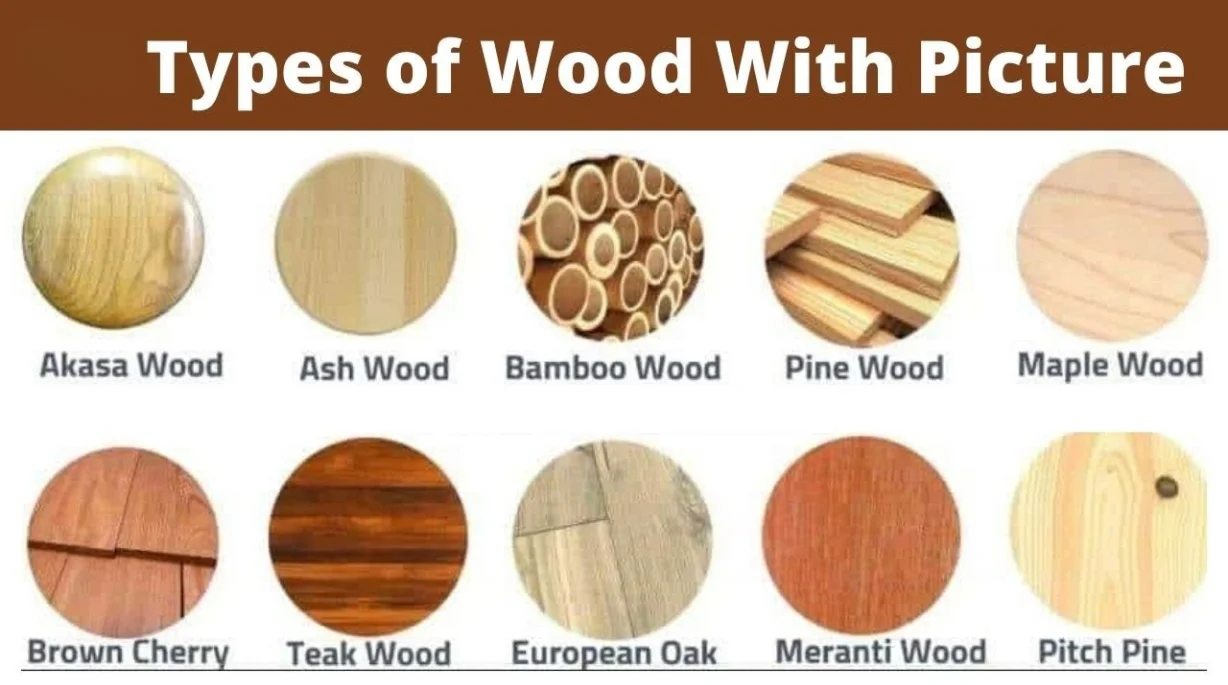
    Types of Wood Used in Furniture

    Types of Wood Used in Furniture

    Solid Wood

    Solid wood furniture is made from natural timber like teak, oak, walnut, or sheesham. These woods are known for their strength, natural texture, and long lifespan. They often improve in appearance over time and can be refinished if needed. Solid wood is resistant to heavy use and provides a premium look. It is generally heavier, which adds to its durability. This type is ideal for long-term investment.

    Engineered Wood

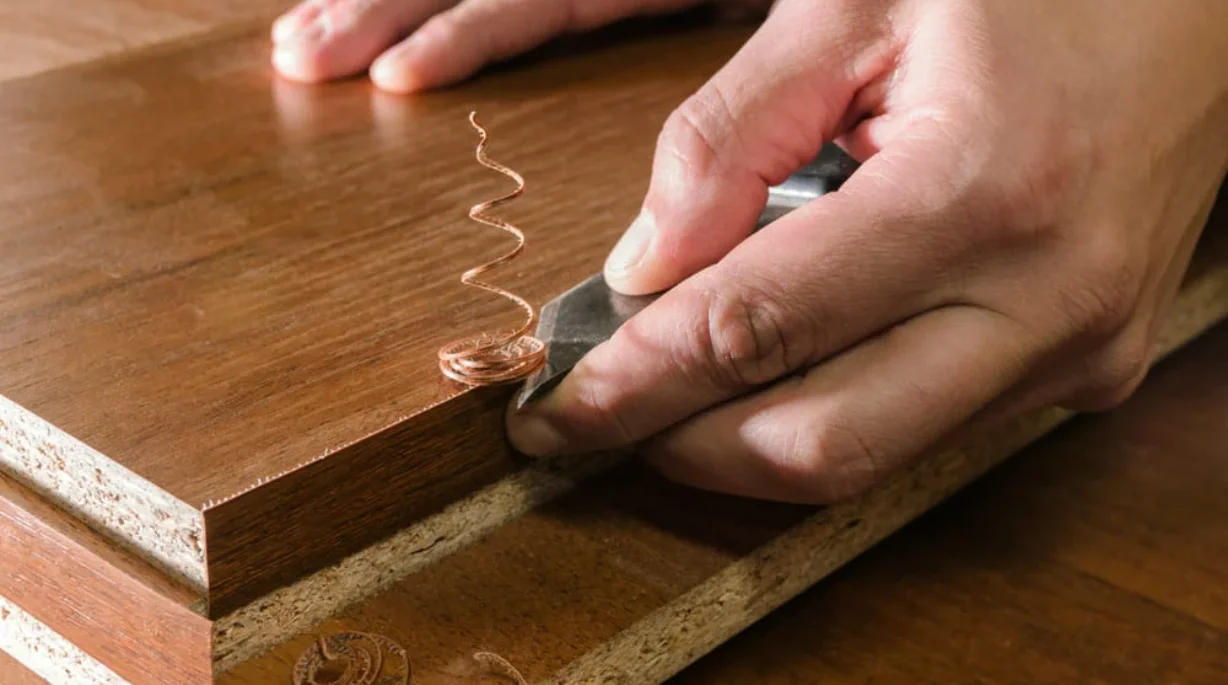
    Engineered wood includes materials like MDF, plywood, and particle board. It is more affordable and widely used in modern furniture. However, it is less durable compared to solid wood and may get damaged with moisture. It is suitable for budget-friendly or temporary furniture needs. Engineered wood can still look stylish with good finishing. But it usually does not last as long as natural wood.

    How to Check Wood Quality Before Buying

    How to Check Wood Quality Before Buying

    Inspect the Surface Finish

    A high-quality furniture piece will have a smooth and even surface finish. There should be no rough edges, cracks, or uneven polishing. Good finishing also protects the wood from moisture and damage. It enhances the overall appearance of the furniture. Poor finishing often indicates low-quality production. Always run your hand over the surface before buying.

    Check the Weight of Furniture

    Weight is a simple but effective indicator of wood quality. Solid wood furniture is usually heavier due to its dense structure. Lightweight furniture may indicate hollow or engineered materials. Heavy furniture also tends to be more stable and durable. However, weight alone should not be the only factor. It should be checked along with other quality signs.

    Examine the Grain Pattern

    Natural wood has unique and irregular grain patterns. These patterns are never perfectly repeated, making each piece unique. Engineered wood often shows artificial or repeated designs. Observing grain helps you identify authenticity. Natural grain also enhances the aesthetic value of furniture. It is a strong indicator of real wood material.

    Joinery and Construction Quality 

    Joinery and Construction Quality

    What is Joinery in Furniture?

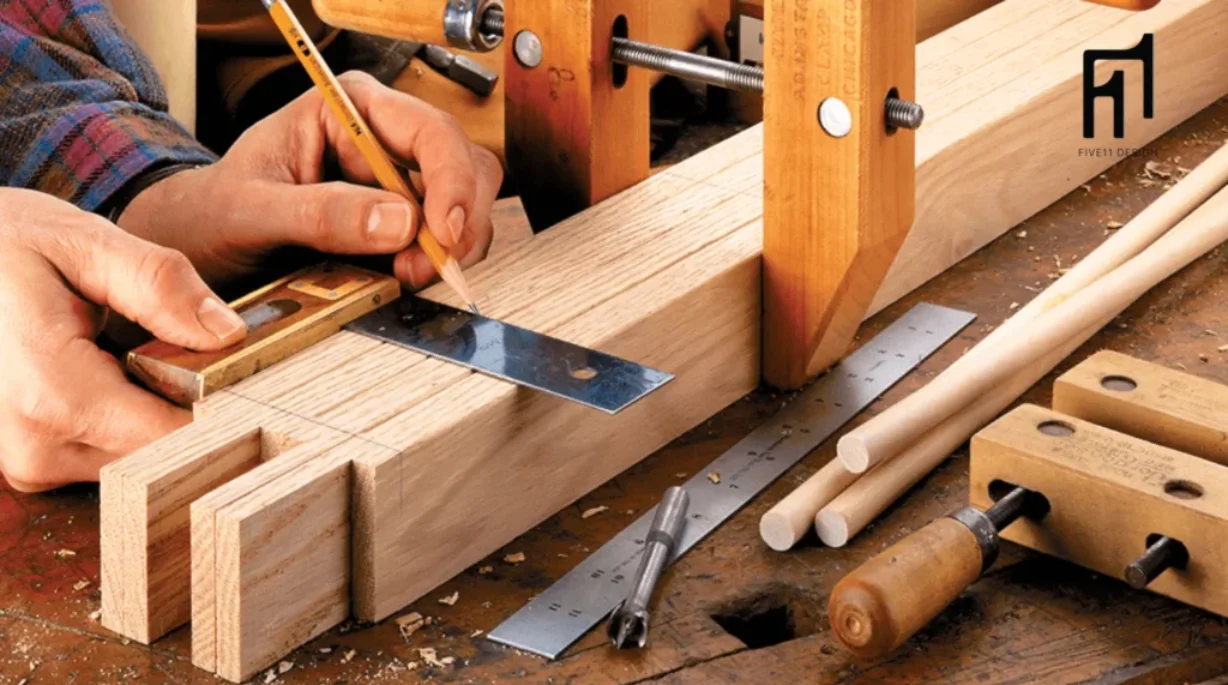
    Joinery refers to the method used to connect different parts of furniture, such as legs, frames, panels, and supports. It is one of the most important factors in determining the strength and lifespan of any furniture piece. Good joinery ensures that all parts fit tightly and securely without unnecessary movement. High-quality furniture avoids weak connections and focuses on precision fitting. When joinery is strong, the furniture remains stable even after long-term use. Poor joinery, on the other hand, leads to loosening, wobbling, and early damage.

    Types of High-Quality Joinery

    There are several traditional and modern joinery techniques used in premium furniture making. Dovetail joints are commonly used in drawers because they interlock strongly and resist pulling apart. Mortise and tenon joints are widely used in chairs and tables, providing excellent strength and stability. Finger joints and lap joints are also used for added support in wooden frames. These joints are designed to distribute weight evenly and prevent structural failure. High-end furniture often combines multiple joinery techniques for maximum durability.

    Importance of Strong Joinery

    Strong joinery directly impacts the durability, safety, and performance of furniture. Well-joined furniture can handle daily pressure, movement, and weight without weakening. It prevents issues like shaking chairs, loose table legs, or broken frames. Good joinery also improves the overall finish and appearance of furniture by keeping everything aligned properly. In contrast, furniture made with nails, staples, or weak glue tends to fail quickly. That’s why joinery quality is a key indicator of premium furniture.

    Construction Quality in Furniture Making

    Construction Quality in Furniture Making

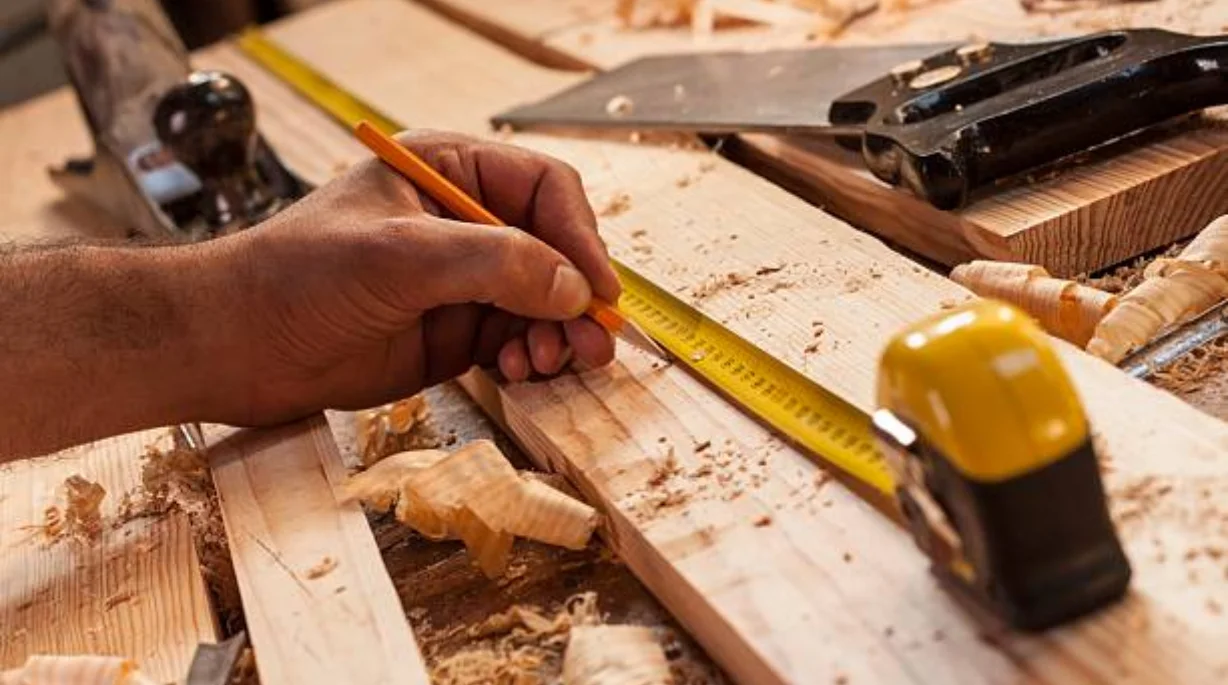
    Construction quality refers to how carefully and professionally the furniture is built from start to finish. It includes material selection, cutting accuracy, assembly technique, and finishing details. High-quality construction ensures that every component is properly balanced and aligned. Skilled craftsmanship plays a major role in achieving smooth edges, tight fittings, and solid structure. Poor construction often results in uneven surfaces, gaps, and unstable design. Well-constructed furniture not only lasts longer but also provides better comfort and usability.

    How to Inspect Joinery and Build Quality

    You can easily check furniture quality by closely inspecting the joints and overall build. Look for tight fittings where no gaps or cracks are visible between connected parts. Try gently shaking the furniture to see if it feels stable or loose. Check drawers and doors to ensure they open smoothly without sticking or wobbling. High-quality furniture will feel solid and heavy due to strong internal structure. Avoid items that rely too much on visible screws, nails, or excessive glue marks.

    Common Problems in Poor Joinery

    Furniture with poor joinery often develops several issues over time. The most common problem is loosening of joints, which causes wobbling and instability. Cracks may appear at weak connection points due to pressure or weight. Cheap adhesives can dry out and lose strength, causing parts to separate. Poor alignment can also affect usability, making doors or drawers difficult to operate. These problems reduce the lifespan of furniture and lead to frequent repairs or replacement.

    Moisture Resistance and Durability in Wood Furniture 

    Moisture Resistance and Durability in Wood Furniture

    What is Moisture Resistance in Furniture?

    Moisture resistance refers to the ability of wood furniture to withstand exposure to water, humidity, and environmental moisture without getting damaged. High-quality furniture is specially treated or naturally dense so it does not absorb excessive moisture. This prevents swelling, softening, or structural weakening. Moisture resistance is especially important in areas with high humidity or seasonal weather changes. Without it, wood can quickly lose its strength and appearance.

    Importance of Kiln-Drying Process

    Kiln-drying is a controlled heating process used to remove excess moisture from wood before furniture is made. This process stabilizes the wood by reducing internal water content. As a result, the wood becomes less likely to warp, crack, or shrink over time. Kiln-dried wood is more reliable and long-lasting compared to air-dried or untreated wood. It also improves the bonding of joints and finishes. This step is essential in producing durable, high-quality furniture.

    Protection Against Warping and Cracking

    One of the biggest benefits of moisture control is protection against warping and cracking. When wood absorbs too much moisture, it expands unevenly, causing distortion in shape. Over time, this leads to visible cracks and structural weakness. Properly treated furniture maintains its original shape even after years of use. This ensures smooth functionality of doors, drawers, and frames. Good moisture control significantly increases furniture lifespan.

    Role of Anti-Termite and Pest Treatment

    High-quality furniture is often treated with chemical or natural solutions to resist termites and wood-boring insects. These pests can destroy internal wood structure without being immediately visible. Anti-termite treatment creates a protective barrier that prevents infestation. This is especially important in warm and humid climates where pests are more active. Without such treatment, even strong wood can become hollow and weak over time. Pest resistance is therefore a key part of durability.

    Durability and Long-Term Strength

    Durability refers to how well furniture maintains its strength, shape, and appearance over many years. Moisture-resistant wood stays stable under different environmental conditions. It does not easily bend, crack, or lose its finish. Strong durability means less maintenance and fewer repairs over time. High-quality furniture can last for decades if properly maintained. This makes it a long-term investment for homes and offices.

    Effects of Poor Moisture Protection

    Furniture without proper moisture protection can deteriorate quickly. It may absorb humidity, leading to swelling or uneven surfaces. Joints may loosen, and paint or polish may start peeling off. Over time, the structure becomes weak and unsafe for regular use. In severe cases, fungal growth or pest infestation may occur. This significantly reduces the value and usability of the furniture.

    Finishing and Coating Quality in Wood Furniture 

    Finishing and Coating Quality in Wood Furniture

    What is Furniture Finishing?

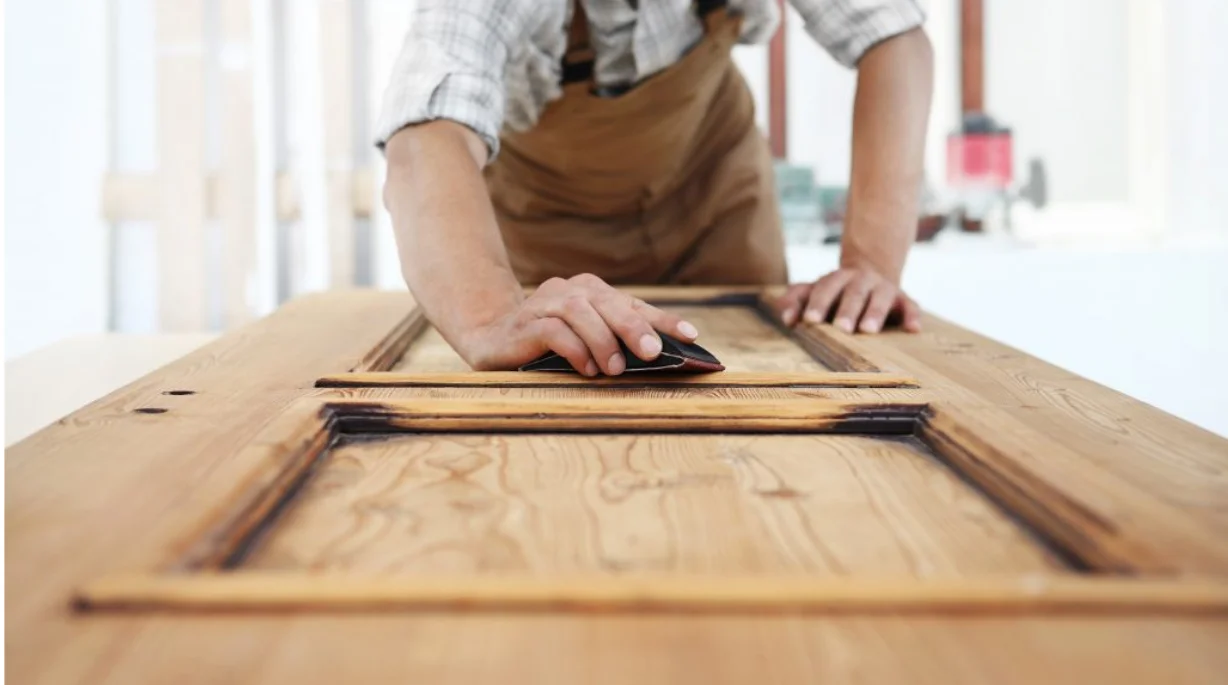
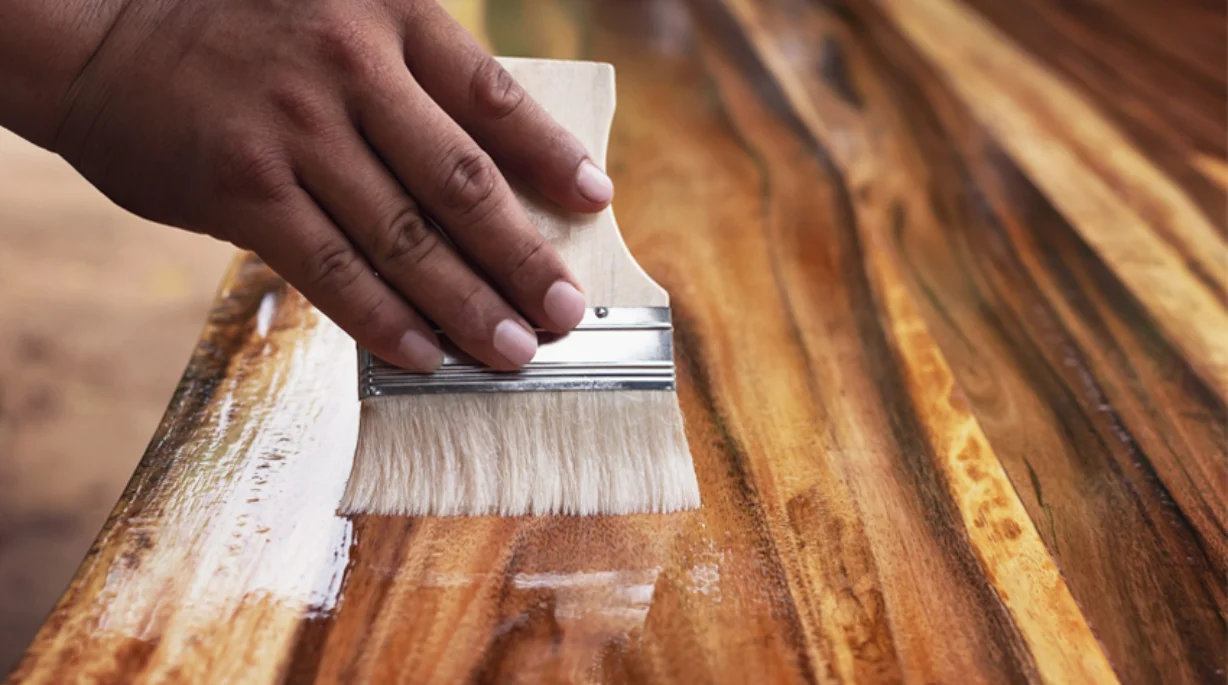
    Finishing refers to the final surface treatment applied to wood furniture after it is shaped and assembled. It is not only about making furniture look attractive but also about protecting the surface from external damage. A good finish enhances the texture, color, and natural grain of wood. It also helps seal the surface, making it smoother and more durable. Without proper finishing, even strong furniture can look dull and wear out quickly.

    Importance of High-Quality Coatings

    High-quality furniture uses strong protective coatings such as lacquer, polyurethane, varnish, or premium polish. These coatings create a protective layer over the wood surface. This layer prevents moisture, dust, and chemicals from penetrating the wood. It also helps maintain the furniture’s shine and color for a longer time. Poor-quality coatings may peel, crack, or fade within a short period, reducing both beauty and durability.

    Protection Against Scratches and Stains

    One of the main purposes of finishing is to protect furniture from daily wear and tear. High-quality coatings make the surface resistant to scratches caused by regular use. They also prevent stains from liquids such as water, tea, or coffee from seeping into the wood. This is especially important for tables, chairs, and frequently used surfaces. A strong finish keeps furniture looking new even after years of use.

    Enhancing Natural Wood Beauty

    Good finishing does more than just protect—it enhances the natural beauty of wood. It highlights the grain patterns, color depth, and texture of the material. A well-applied polish gives the furniture a smooth and elegant appearance. Matte, semi-gloss, or high-gloss finishes can be chosen depending on design style. High-quality finishing ensures that the wood looks rich and premium rather than dull or artificial.

    Signs of Poor Finishing

    Poor finishing is easy to identify if you look closely at the surface. It may show uneven color, rough patches, or visible brush marks. The coating may feel sticky or inconsistent in different areas. Over time, such finishes start fading, peeling, or cracking. Furniture with poor finishing also becomes more vulnerable to water damage and scratches. These issues reduce both the appearance and lifespan of the product.

    Importance of Consistency and Shine

    A high-quality finish is always consistent across the entire furniture piece. There should be no dull spots, bubbles, or uneven gloss levels. The shine should look natural and evenly distributed under light. Consistency in finishing reflects skilled craftsmanship and attention to detail. Always inspect furniture under proper lighting to check for uniformity. This is one of the most reliable indicators of premium-quality furniture.

    Brand Reputation and Craftsmanship in Furniture 

    Brand Reputation and Craftsmanship in Furniture

    What is Brand Reputation in Furniture?

    Brand reputation refers to how trustworthy and reliable a furniture company is in the market. A well-known brand usually builds its reputation through consistent quality, durable products, and good customer service. When a brand has a strong reputation, it means customers are generally satisfied with their purchases. This helps new buyers feel more confident in choosing their products. A poor reputation, on the other hand, often indicates inconsistent quality or weak after-sales support.

    Importance of Experienced Craftsmanship

    Craftsmanship plays a key role in determining the overall quality of furniture. Skilled craftsmen understand how to properly cut, shape, join, and finish wood with precision. Their experience allows them to create furniture that is not only strong but also visually appealing. They pay attention to small details like alignment, smooth edges, and structural balance. Poor craftsmanship can lead to weak joints, uneven surfaces, and reduced durability. High-quality furniture is always a result of expert workmanship.

    Custom-Made vs Mass-Produced Furniture

    Custom-made furniture is often crafted with greater attention to detail compared to mass-produced items. It allows better control over materials, design, and finishing quality. Customers can also request specific adjustments according to their needs and space. Mass-produced furniture, while cheaper, is often made quickly in large quantities, which may affect precision and durability. Custom pieces usually last longer and offer better performance. This makes them a preferred choice for quality-focused buyers.

    Role of Customer Reviews and Feedback

    Customer reviews are an important factor in evaluating a furniture brand’s reliability. Positive reviews usually indicate good product quality, durability, and customer satisfaction. Negative feedback can highlight issues like poor finishing, weak structure, or delayed service. Reading reviews helps buyers make informed decisions before purchasing. Trusted brands often maintain a strong online and offline reputation supported by real customer experiences. This builds long-term trust in the market.

    Long-Term Customer Satisfaction

    A reliable furniture brand focuses not just on selling products but also on ensuring long-term satisfaction. This includes offering durable designs, warranty support, and responsive customer service. Such brands aim to build lasting relationships with their customers. They prioritize quality materials and proper construction to reduce future complaints. Long-term satisfaction is a sign of consistent quality and professionalism. It also reflects the brand’s commitment to excellence.

    Why Choosing a Trusted Manufacturer Matters

    Choosing a reputable furniture manufacturer reduces the risk of receiving low-quality or poorly built products. Trusted brands follow proper quality standards and use better materials in production. They also ensure that each piece undergoes quality checks before delivery. This minimizes defects and improves overall reliability. Investing in a trusted manufacturer gives peace of mind and ensures better value for money.

    Price vs Quality in Wood Furniture

    Price vs Quality in Wood Furniture

    Understanding the Relationship Between Price and Quality

    Price in furniture is usually a direct reflection of the materials used, craftsmanship level, and overall build quality. High-quality wood, strong joinery, and premium finishing naturally increase the cost of furniture. When a piece is made with care and durable materials, its price tends to be higher. However, this higher price often ensures better performance and longer lifespan. Cheap furniture, on the other hand, often reduces costs by using low-grade materials and simpler construction methods.

    Why Cheap Furniture Often Compromises Quality

    Low-priced furniture is usually made with cost-cutting techniques that affect durability. Manufacturers may use low-quality wood, weak adhesives, or poor finishing materials. This results in furniture that may look good initially but deteriorates quickly over time. Joints may loosen, surfaces may scratch easily, and structural strength may decrease. In many cases, cheap furniture requires frequent repairs or replacement, increasing long-term expenses.

    Benefits of Investing in High-Quality Furniture

    High-quality wood furniture may require a higher initial investment, but it provides long-term value. It is built using strong materials, precise joinery, and protective finishes that increase durability. Such furniture can last for many years without major issues. It also maintains its appearance and structural strength even with regular use. This makes it a more reliable and cost-effective choice in the long run.

    Long-Term Value vs Short-Term Savings

    Choosing furniture based only on low price can lead to higher costs over time due to replacements and repairs. In contrast, investing in durable furniture reduces maintenance and replacement needs. Long-term value focuses on how well the furniture performs over years rather than its initial cost. Smart buyers understand that quality furniture saves money in the long run. It is always better to think beyond short-term savings.

    How Smart Buyers Make Decisions

    Smart buyers carefully balance cost with durability, design, and material quality. They compare different options instead of choosing the cheapest product available. They also check construction quality, finishing, and brand reputation before purchasing. Reviews and product details help them understand long-term performance. This approach ensures they get the best value for their money while avoiding poor-quality furniture.

    Final Insight on Price and Quality

    Price should never be the only deciding factor when buying furniture. A slightly higher investment in quality furniture often results in better comfort, durability, and satisfaction. Good furniture is not just a purchase but a long-term investment for the home. Choosing quality over price ensures better performance and reduces future expenses.

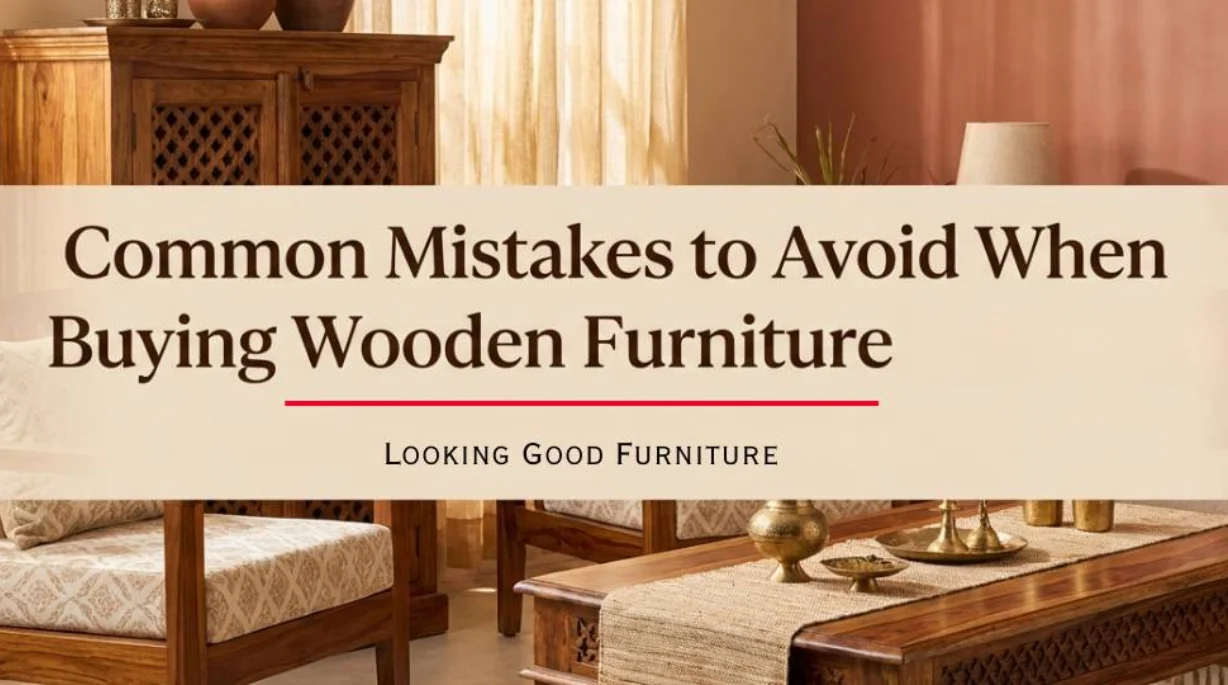
    Common Mistakes to Avoid When Buying Wood Furniture

    Common Mistakes to Avoid When Buying Wood Furniture

    Focusing Only on Appearance

    One of the most common mistakes buyers make is choosing furniture based only on its appearance. While design and style are important, they do not guarantee durability or quality. Beautiful furniture may still be made from low-grade materials that wear out quickly. Many buyers get attracted to polished finishes or modern designs without checking internal strength. Always remember that true quality lies inside the structure, not just the outer look.

    Ignoring Material Quality

    Another major mistake is not paying attention to the type and quality of wood used. Different woods have different strength levels, durability, and resistance to damage. Low-quality or engineered wood may not last long under regular use. High-quality hardwood, on the other hand, offers better strength and stability. Ignoring material quality often results in furniture that breaks, bends, or deteriorates quickly.

    Not Checking Joints and Construction

    Many buyers forget to inspect how furniture pieces are joined together. Strong joinery like dovetail, mortise, and tenon is a sign of good craftsmanship. Weak joints made with nails or poor glue can lead to wobbling and instability. Over time, poorly constructed furniture may loosen or break completely. Always check the joints carefully before making a purchase to ensure long-term durability.

    Overlooking Moisture Resistance

    Moisture resistance is often ignored by buyers, especially in humid regions. Wood that is not properly treated can absorb moisture, leading to swelling, cracking, or warping. This can significantly reduce the lifespan of furniture. Kiln-dried and treated wood performs much better in varying weather conditions. Ignoring this factor can result in early damage and costly replacements.

    Not Researching the Brand or Manufacturer

    Many people fail to research the brand or manufacturer before buying furniture. A trusted brand usually guarantees better quality, consistency, and customer support. Unverified sellers may offer low prices but compromise on materials and craftsmanship. Checking reviews, reputation, and past customer experiences can help avoid poor-quality products. A reliable brand ensures better long-term satisfaction and peace of mind.

    Making Decisions Based on Price Alone

    Choosing furniture only because it is cheap is another common mistake. Low-cost furniture often sacrifices durability, finishing, and material quality. While it may seem like a good deal initially, it usually leads to higher replacement or repair costs later. It is always better to balance price with quality and long-term value. Smart buying focuses on durability rather than just saving money upfront.

    Why Choose Gourmet Furnishers 

    Premium Quality Wood Furniture

    Premium Quality Wood Furniture

    Gourmet Furnishers is known for offering high-quality wood furniture that combines strength, durability, and style. Each product is carefully manufactured using selected materials that ensure long-lasting performance. The brand focuses on delivering furniture that can withstand daily use without losing its structure or appearance. This makes it a reliable choice for both home and office interiors. Quality is always maintained as a top priority in every product.

    Attention to Detail in Craftsmanship

    Every furniture piece is designed with strong attention to detail, from cutting and assembly to finishing. Skilled craftsmen ensure precise construction, smooth edges, and perfect alignment in every design. This level of craftsmanship enhances both durability and visual appeal. Small details such as joints, polish, and texture are carefully handled to achieve a premium look. Such dedication ensures that each item meets high-quality standards.

    Modern Designs with Long-Lasting Strength

    Gourmet Furnishers focuses on combining modern aesthetics with solid construction. Their designs are created to match contemporary interior trends while maintaining structural strength. This balance ensures that customers do not have to compromise between style and durability. Furniture pieces are built to remain strong even after years of use. This makes them suitable for long-term investment in home décor.

    Customization Options for Customers

    One of the key advantages of choosing Gourmet Furnishers is the availability of customized furniture solutions. Customers can select designs, materials, sizes, and finishes according to their personal requirements. This flexibility allows buyers to create furniture that perfectly fits their space and style. Custom-made options also ensure better satisfaction and usability. It is ideal for those who want unique and personalized interiors.

    Strong Construction and Premium Finishing

    The brand emphasizes strong construction techniques and high-quality finishing in every product. Durable joinery and solid wood structure ensure stability and long life. At the same time, premium coatings and polishing enhance the beauty and protection of the furniture. This combination prevents damage from scratches, moisture, and daily wear. As a result, the furniture remains elegant and functional for years.

    Value, Reliability, and Customer Satisfaction

    Choosing Gourmet Furnishers means investing in long-term value and reliability. The brand focuses on customer satisfaction by delivering durable and stylish furniture solutions. It aims to build trust through consistent quality and dependable service. Customers receive products that are both practical and visually appealing. This makes it a trusted choice for quality furniture buyers.

    Conclusion

    Identifying high-quality wood furniture requires careful attention to material, construction, and finishing. Understanding wood types and joinery helps you make smarter buying decisions. Good furniture is not just about looks but also long-term durability. Investing in quality saves money in the long run. Always choose trusted brands and inspect details before purchasing. With the right knowledge, you can select furniture that lasts for generations.

    FAQs

    What is the strongest wood for furniture?

    Teak and oak are considered among the strongest and most durable woods for furniture.

    How can I check if wood furniture is real?

    Check grain patterns, weight, and natural imperfections in the surface.

    Is solid wood better than engineered wood?

    Yes, solid wood is more durable and long-lasting compared to engineered wood.

    How long does quality wood furniture last?

    High-quality wood furniture can last 15 to 50 years or more with proper care.

    What is the most important factor in furniture quality?

    Strong joinery and high-quality wood material are the most important factors.