Chat on WhatsApp

Tag: furniture for small homes

  • How to Choose Furniture According to Your Home Size

    How to Choose Furniture According to Your Home Size

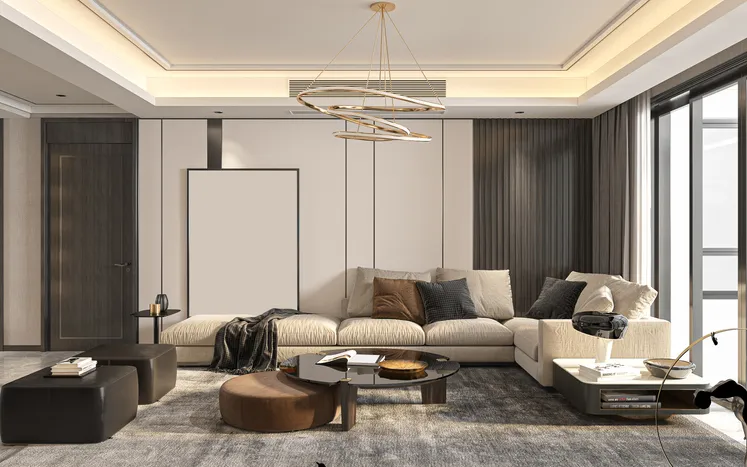
    Choosing furniture according to your home size starts with one simple rule: measure your available space before choosing the furniture style. For a small home, choose compact furniture, slim profiles, multifunctional pieces, and layouts that preserve walking space. Medium-sized homes can accommodate larger sofas, complete bedroom furniture, and more flexible dining arrangements. Large homes can support statement furniture and larger seating groups, but the furniture should still remain proportionate to each individual room.

    The right furniture is not simply the biggest piece that fits. It is furniture that provides the comfort and functionality you need while leaving enough open space for people to move around the room easily. If you are planning to buy furniture online, start with our How to Measure Your Home Before Ordering Furniture Online guide before selecting individual pieces.

    Quick Furniture Size Guide

    Home or Room TypeFurniture ApproachBest Choices
    Small apartment or compact homeKeep furniture visually and physically lightCompact sofas, nesting tables, smaller beds, sliding wardrobes, multifunctional furniture
    Medium-sized homeBalance seating capacity with open space3–5 seat sofa arrangements, standard dining sets, coordinated bedroom sets
    Large homeUse larger furniture without leaving spaces feeling emptySectionals, larger sofa sets, statement tables, full bedroom furniture and larger dining sets
    Open-plan homeUse furniture to create zonesL-shaped sofas, rugs, consoles, dining tables and accent seating

    These are general starting points. Actual room dimensions, furniture dimensions, door positions and walking routes should always determine your final choice.

    Why Does Home Size Matter When Choosing Furniture?

    Home size affects how furniture looks, feels and functions.

    An oversized sofa in a small living room can block movement and make the room feel crowded. At the opposite extreme, a tiny sofa placed in a very large lounge may look disconnected from the rest of the interior.

    Furniture therefore needs to be selected according to scale and proportion, not appearance alone.

    Before buying anything, consider:

    • Room length and width
    • Ceiling height
    • Door and window positions
    • Available wall space
    • Walking areas
    • Furniture depth
    • Storage requirements
    • Number of people using the room
    • How often you entertain guests

    A well-proportioned room normally feels more comfortable because there is a clear relationship between the furniture and the surrounding open space.

    Step 1: Measure Your Home Before Choosing Furniture

    Never estimate furniture size from photographs.

    Begin by measuring the complete room, followed by the exact area where each item will be positioned.

    Record:

    1. Room length
    2. Room width
    3. Ceiling height
    4. Available wall width
    5. Door dimensions
    6. Window positions
    7. Hallway and staircase widths
    8. Distance between furniture pieces
    9. Space required for doors and drawers to open
    10. Delivery access

    Your furniture may fit inside the room but still be impossible to deliver through a narrow doorway, staircase or hallway.

    For a complete measuring process, read our home furniture measurement guide.

    How to Choose Furniture for a Small Home

    Small homes benefit from compact furniture with high functionality and a lighter visual appearance.

    The objective should not be to fit as many furniture pieces as possible into the room. Instead, select the pieces you actually use and maintain open areas between them.

    Choose Compact Sofas

    In a small living room, start with one main sofa rather than automatically purchasing a complete large seating set.

    Good options include:

    • Compact straight sofas
    • Two- or three-seater sofas
    • Small L-shaped sofas
    • Sofa-and-accent-chair combinations
    • Sofas with relatively slim arms
    • Designs with visible legs

    Explore the Gourmet Furnishers sofa sets collection and compare the dimensions and layout of each design with your available room space.

    If your room has an unused corner, an L-shaped design can sometimes provide more seating while making efficient use of that corner. The Soho L Shape Sofa is one option to consider for this type of layout.

    For more detailed planning, read Which Sofa Shape Is Best for a Small Living Room? and our complete Sofa Size Guide.

    Avoid Oversized Coffee Tables

    A large center table can quickly consume the remaining floor space after a sofa is installed.

    For compact homes, consider:

    • Smaller center tables
    • Nesting tables
    • Side tables
    • Round tables
    • Lightweight tables that can be repositioned

    Browse our tables collection when planning your living-room layout.

    Use Furniture That Performs More Than One Function

    Multifunctional furniture is especially useful in apartments and smaller homes.

    Examples include:

    • Beds with storage
    • Benches with storage
    • Nesting tables
    • Ottomans
    • Compact dressing units
    • Wardrobes with efficient internal storage

    Instead of adding several separate pieces, choose furniture that solves more than one requirement.

    How to Choose Furniture for a Medium-Sized Home

    Medium-sized homes usually offer the greatest flexibility.

    There is enough room for comfortable furniture without requiring the scale of furniture used in very large houses.

    Living Room Furniture for a Medium Home

    A medium living room may work well with:

    • One large three-seater sofa with accent chairs
    • A 3+2 sofa arrangement
    • A compact L-shaped sofa
    • A five-seat seating combination
    • Sofa, center table and one or two side tables

    The important point is to maintain circulation between the entrance, sofa, table and other furniture.

    Do not increase seating capacity simply because an empty wall remains available.

    Our Sofa Size Guide explains how different sofa configurations affect the amount of floor space you need.

    You can also compare different styles in our sofa collection.

    Bedroom Furniture for a Medium Home

    A medium bedroom normally allows more flexibility than a compact bedroom, but the bed should still be chosen first because it is usually the largest item in the room.

    After positioning the bed, calculate the remaining space for:

    • Bedside tables
    • Wardrobe
    • Dressing table
    • Chest of drawers
    • Bench or ottoman

    Browse the Gourmet Furnishers bed sets collection when planning a coordinated bedroom.

    For a contemporary option, you can also explore the Aura Bed Set.

    If you are trying to create a consistent bedroom interior, read our guide on How to Match Bedroom Furniture.

    How to Choose Furniture for a Large Home

    A large home gives you more furniture options, but bigger furniture is not automatically better.

    The goal is to create properly defined areas rather than placing oversized furniture everywhere.

    Large living rooms can accommodate:

    • Larger sofa sets
    • Sectional sofas
    • Multiple accent chairs
    • Larger center tables
    • Console tables
    • Side tables
    • Ottomans
    • Separate conversation areas

    Instead of placing every piece against a wall, larger rooms can often be divided into functional zones.

    For example, a large family lounge might contain a main TV seating area as well as a smaller pair of chairs around a side table.

    This approach makes a large space feel intentional rather than empty.

    If you have a spacious lounge, browse our sofa sets and tables collection to build a balanced seating arrangement.

    What Sofa Size Should You Choose for Your Living Room?

    The correct sofa size depends on room dimensions, sofa depth, seating requirements and layout, rather than seat count alone.

    Two sofas labelled as three-seaters can occupy very different amounts of floor space because of differences in:

    • Arm thickness
    • Cushion width
    • Back design
    • Frame shape
    • Overall depth

    That is why external dimensions should always be checked before ordering.

    Small Living Room

    Consider:

    • 2-seater sofa
    • Compact 3-seater
    • Sofa plus one chair
    • Compact L-shaped sofa

    Medium Living Room

    Consider:

    • Large 3-seater plus chairs
    • 3+2 arrangement
    • 3+1+1 arrangement
    • Medium sectional

    Large Living Room

    Consider:

    • Larger sectional
    • Multiple sofas
    • 5- or 7-seat arrangements
    • Sofa set plus additional accent seating

    Compare your options in the Gourmet Furnishers sofa sets collection.

    For more help before buying, see our sofa size guide.

    How Much Space Should You Leave Around Furniture?

    Leaving open space around furniture is just as important as fitting the furniture into the room.

    A room can technically accommodate a sofa, table, bed and wardrobe while still being uncomfortable to use.

    Check whether you can comfortably:

    • Walk around the furniture
    • Open doors fully
    • Open wardrobe doors
    • Pull out drawers
    • Pull dining chairs away from the table
    • Access windows
    • Reach electrical sockets
    • Clean around large furniture pieces

    Try creating a simple floor plan before purchasing.

    You can even mark the expected furniture footprint on the floor using removable tape. This gives you a much more realistic understanding of scale than looking at dimensions on a screen.

    Our guide to measuring your home before ordering furniture explains this process in more detail.

    How to Choose a Bed According to Bedroom Size

    Choose the bed according to the usable dimensions of the bedroom, not simply whether a mattress can physically fit.

    You also need room for circulation and other bedroom furniture.

    Small Bedroom

    Consider:

    • Smaller bed frame
    • Minimal headboard
    • Compact bedside tables
    • Sliding wardrobe
    • Limited additional furniture
    • Built-in or vertical storage

    Avoid filling a small bedroom with a bed, two large side tables, a dresser, bench, cabinet and oversized wardrobe simply because they are available as a matching collection.

    Medium Bedroom

    A medium bedroom can usually accommodate:

    • Bed
    • Bedside tables
    • Wardrobe
    • Dressing table

    Additional furniture should depend on the remaining usable floor space.

    Large Bedroom

    A large master bedroom may accommodate:

    • Larger bed
    • Two bedside tables
    • Wardrobe
    • Dressing table
    • Bench
    • Lounge chair
    • Chest of drawers

    However, keep comfortable walking routes around each item.

    If you are considering a king bed, read How Much Space Should You Leave Around a King-Size Bed? before choosing your layout. When you are ready to compare designs, browse our bed sets collection.

    How to Choose a Dining Table According to Room Size

    Dining furniture needs more floor space than the table itself.

    You also need enough room for people to pull chairs away from the table and move behind seated guests.

    Small Dining Area

    Consider:

    • Four-seat dining table
    • Compact rectangular table
    • Round table
    • Furniture with a visually lighter design

    Avoid oversized chairs and extremely wide tables when space is limited.

    Medium Dining Area

    Depending on the actual dimensions, a medium room can accommodate a larger family dining arrangement while still providing circulation around the table.

    Start with the table dimensions and then calculate the additional area required for chairs.

    Large Dining Room

    Larger dining rooms give you more freedom to use:

    • Longer dining tables
    • Additional dining chairs
    • Sideboards
    • Display cabinets
    • Console tables

    Explore the Gourmet Furnishers dining room sets to compare different styles.

    For a more refined contemporary dining setting, you can also explore the Crystal Dining Set.

    Should Furniture Be Small in a Small House?

    Not every piece of furniture in a small house needs to be tiny.

    A common mistake is buying many small pieces because they appear space-saving individually.

    Several small chairs, tables, storage units and decorative items can sometimes create more visual clutter than one properly proportioned main piece.

    For example, a well-selected three-seater sofa may work better than multiple small chairs scattered across a compact living room.

    Focus on:

    fewer pieces + correct dimensions + useful functionality.

    This usually creates a cleaner and more comfortable room.

    If your main challenge is arranging seating, our guide on the best sofa shape for a small living room can help you choose a more efficient layout.

    Should You Buy a Complete Furniture Set?

    A complete set can be useful when the room is large enough and you want a coordinated appearance.

    However, do not assume every piece in a set must be placed in the same room.

    Before buying a complete furniture package, calculate:

    • Combined furniture footprint
    • Available wall space
    • Storage requirements
    • Walking areas
    • Actual pieces you need

    This is especially important with bedroom and living-room sets.

    A beautifully coordinated furniture set will not look luxurious if every piece has been squeezed into an undersized room.

    For bedroom planning, read our complete bedroom set guide and explore the latest bed sets.

    What Furniture Makes a Small Home Look Bigger?

    Furniture cannot physically increase room size, but certain design choices can create a more open appearance.

    Consider:

    • Furniture with raised legs
    • Slimmer profiles
    • Light or neutral upholstery
    • Simple silhouettes
    • Glass or visually lightweight tables
    • Mirrors
    • Fewer large decorative pieces
    • Vertical storage
    • Furniture that leaves some floor visible

    Maintaining open space is often more effective than trying to fill every corner.

    You may also find inspiration in our guide to Best Wooden Furniture Ideas for Modern Homes.

    Furniture Size vs Furniture Style: Which Matters More?

    Size should come first.

    You may love a particular traditional, contemporary or luxury design, but it still needs to fit the room comfortably.

    A good furniture-buying order is:

    Room measurements → furniture dimensions → functionality → style → material → colour and finish.

    This reduces the risk of choosing an attractive product that becomes impractical after delivery.

    Once you know your measurements, explore Gourmet Furnishers to compare furniture for living rooms, bedrooms and dining areas.

    Common Furniture Size Mistakes to Avoid

    Buying Before Measuring

    Never assume furniture will fit because your room looks large enough.

    Measuring Only the Empty Wall

    Furniture also extends into the room. Depth matters just as much as width.

    Ignoring Doors and Drawers

    Furniture may block a door even when it fits perfectly against the wall.

    Choosing Furniture From Photos

    Product photography does not provide reliable scale.

    Filling Every Empty Space

    Open floor area is part of good interior design.

    Forgetting the Delivery Route

    Measure doors, stairs, lifts, hallways and tight corners before ordering oversized furniture.

    Buying a Complete Set Without Checking Every Piece

    Always consider the combined footprint of the entire set. Before ordering online, follow our home measurement checklist to reduce the risk of choosing the wrong size.

    Frequently Asked Questions

    How do I choose furniture according to my home size?

    Measure every room first, identify the furniture you actually need, compare those measurements with the external dimensions of each product, and leave enough open space for comfortable movement. Small homes usually benefit from compact and multifunctional furniture, while larger homes can accommodate bigger furniture arrangements.

    What furniture is best for a small house?

    Compact sofas, smaller tables, nesting tables, storage beds, sliding wardrobes, ottomans and multifunctional furniture are good choices. Avoid oversized pieces that dominate the room or block walking paths.

    How do I know if a sofa is too big for my living room?

    A sofa is probably too large if it restricts important walking routes, interferes with doors or other furniture, leaves insufficient room for a center table, or visually dominates most of the room.

    Compare the sofa’s complete width and depth with your floor plan before ordering, and use our Sofa Size Guide for additional guidance.

    Is an L-shaped sofa good for a small home?

    A compact L-shaped sofa can be a good option when the room has an appropriate corner because it can provide useful seating while using the corner efficiently. Large sectionals, however, can overwhelm small rooms.

    How much furniture should be in a room?

    There is no universal number of furniture pieces. The correct amount depends on room dimensions and how the room is used. Prioritize essential furniture first and add secondary pieces only when they do not interfere with circulation.

    Should furniture match the size of the room?

    Yes. Furniture should be visually and physically proportionate to the room. Oversized furniture can make small spaces uncomfortable, while furniture that is too small can look disconnected in a large room.

    What should I measure before buying furniture online?

    Measure room length, width and height; the proposed furniture location; doors; hallways; stairs; lifts; windows; and the complete delivery route. You should also check the manufacturer’s overall furniture width, depth and height. For step-by-step instructions, read How to Measure Your Home Before Ordering Furniture Online.

    What is the most important rule when choosing furniture?

    Measure first and buy second. The furniture should fit your lifestyle and your room—not force the room to adapt to the furniture.

    Final Thoughts

    Choosing furniture according to your home size is about creating the right balance between comfort, functionality, proportion and open space. For a small home, prioritize compact and multifunctional pieces. For a medium-sized home, combine practical furniture with flexible seating and storage. For a large home, use larger furniture and defined zones without overcrowding individual rooms.

    Most importantly, make your buying decision using actual measurements rather than photographs or assumptions. Start by reading our furniture measurement guide, then explore Gourmet Furnishers to discover sofa sets, bed sets, dining room sets and tables for different home sizes and interior styles. Measure your room, understand the space you have available and then select furniture that makes your home more comfortable to live in.
  • How to Select the Right Dining Table for Small Spaces

    How to Select the Right Dining Table for Small Spaces

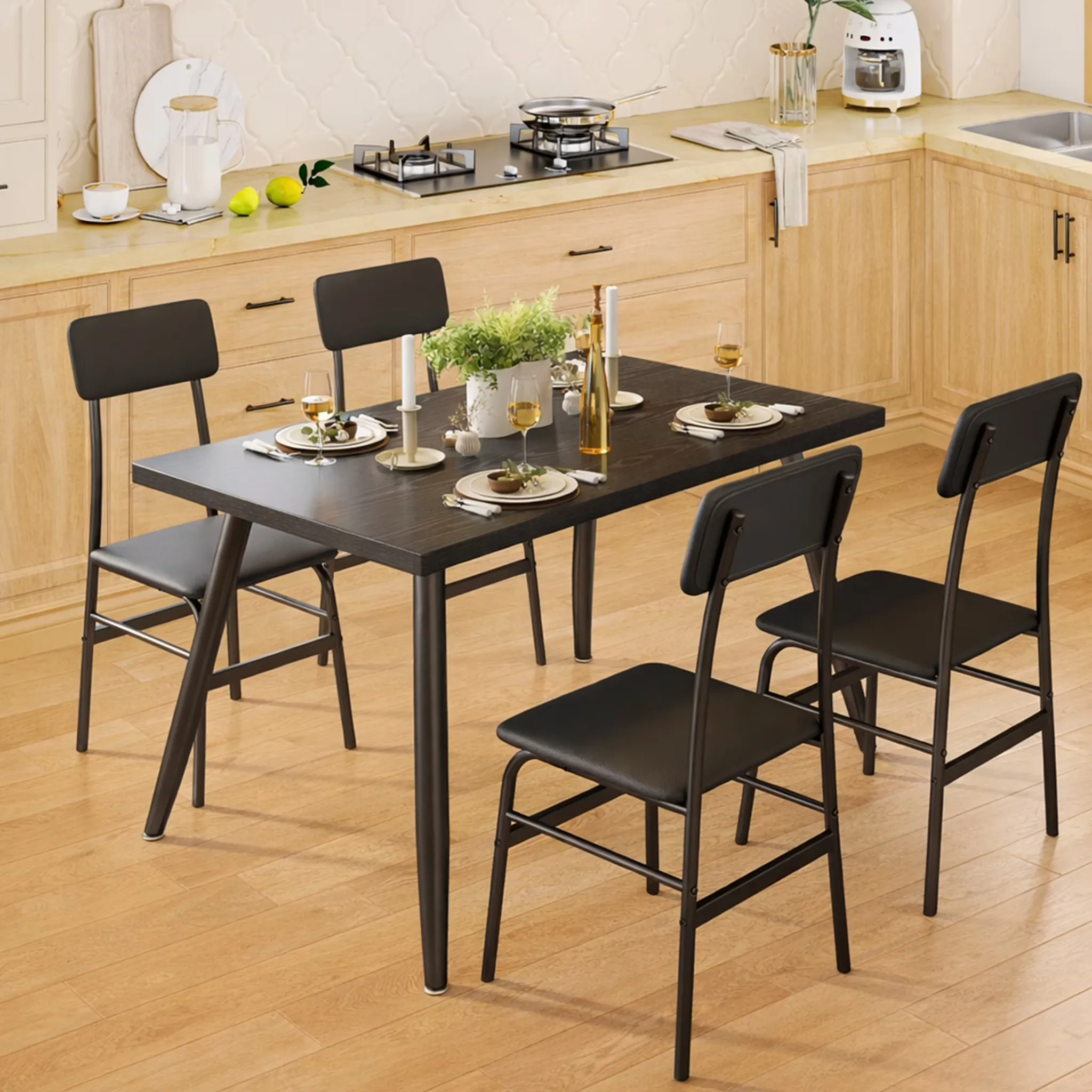
    To select the right dining table for small spaces, first measure your available area carefully so the table doesn’t block movement, then choose space-saving designs like round or square tables that fit better in tight corners. Opt for extendable, foldable, or drop-leaf tables so you can adjust size when needed, and consider slim legs or glass tops to create a more open visual feel. Always match the table size with the number of people in your home, and use stackable or bench-style seating instead of bulky chairs to save extra space while keeping the area functional and stylish.

    Choosing the right dining table for a small space is important because it directly affects comfort, movement, and overall room appearance. In compact homes, every inch matters, so the wrong table can make the space feel crowded and unbalanced. A well-selected dining table can improve both functionality and interior style. It also helps create a comfortable dining experience without blocking pathways. Small spaces require smart planning rather than large or heavy furniture. This guide will help you make a practical and stylish decision.

    Understanding Your Space Before Buying

    Before buying a dining table, you must carefully measure your available space to avoid sizing mistakes. Many people ignore clearance areas, which later makes the room feel congested. You should leave enough walking space around the table for easy movement. It is also important to consider nearby furniture, walls, and doors. Think about how people will move in and out of the area during daily use. Proper planning ensures your dining setup feels open and functional.

    Choosing the Right Table Shape for Small Spaces

    Round Tables for Maximum Space Efficiency

    Round dining tables are one of the best choices for very small rooms because they eliminate sharp corners, allowing smoother movement around the space. This shape creates a more open and balanced feel, making the room look less crowded. It also encourages better conversation since everyone faces each other equally. Round tables are ideal for 2–4 people setups in compact apartments or small dining areas. They work especially well in square or tight rooms where corners are limited. Overall, they help maximize usability without blocking walkways.

    Square Tables for Balanced Compact Rooms

    Square dining tables are a great fit for small, square-shaped rooms where symmetry is important. They utilize corner space efficiently and provide equal seating on all sides. This shape creates a neat and organized look, especially in modern interior designs. Square tables are suitable for small families or couples who don’t need large seating capacity. They also allow easy placement against walls when not in use. However, they may feel tight if too many chairs are added, so minimal seating works best.

    Rectangular Tables for Narrow Spaces

    Rectangular dining tables are ideal for long, narrow rooms where other shapes may not fit properly. They can be placed against walls or along dining zones to save space. This shape offers more seating capacity compared to round or square tables, making it suitable for slightly larger families. However, proper placement is important to avoid blocking movement paths. When paired with slim chairs, rectangular tables can look elegant while still being space-efficient. They are a practical option for structured room layouts.

    Extendable Tables for Flexible Use

    Extendable dining tables are perfect for people who need flexibility in small spaces. They stay compact for daily use and can be expanded when guests arrive. This feature makes them highly practical for multifunctional rooms or apartments. Extendable designs help save space without sacrificing seating capacity when needed. They are available in various shapes like round, square, and rectangular, giving more design options. This type of table is a smart investment for modern small-space living.

    Final Thought on Table Shape Selection

    Choosing the right table shape depends on your room size, layout, and daily usage needs. Each shape has its own advantages, but the main goal is to maintain comfort without overcrowding the space. Proper selection improves both functionality and interior appearance. Always measure your area before buying to ensure the best fit. A well-chosen dining table can completely transform the usability of a small space.

    Selecting the Ideal Size for a Dining Table

    Matching Table Size with Room Dimensions

    The first step in selecting the ideal dining table size is to carefully match it with your room dimensions. A table that is too large can dominate the space and make movement difficult, while a properly sized table maintains balance in the room. You should always measure your dining area before making a purchase and consider walking space around the table. This ensures chairs can be pulled out easily without hitting walls or furniture. A well-fitted table improves both comfort and visual harmony in the space.

    Avoiding Overcrowding in Small Spaces

    Overcrowding is one of the most common mistakes in small dining areas. A large table can block pathways and make the room feel cramped and uncomfortable. It also reduces the overall functionality of the space, limiting movement for daily activities. Choosing a compact design helps maintain an open and breathable environment. Even in small homes, smart sizing can make the dining area feel more spacious and welcoming. The goal is to keep enough free space around the table for easy access.

    Ensuring Comfortable Seating Per Person

    Comfortable seating space is essential when deciding table size. Each person should have enough room to sit, eat, and move without feeling restricted. If seating is too tight, it can create discomfort during meals and reduce the overall dining experience. Proper spacing between chairs also improves usability and interaction. Standard allowance per person helps you choose the right table length or diameter. This ensures that daily use remains practical and comfortable for everyone.

    Planning for Future Use and Guests

    While selecting a dining table, it is important to think beyond daily usage. You may need extra space for family gatherings, guests, or special occasions. Choosing a slightly larger or extendable table can solve this issue without permanently taking up extra space. This flexibility makes your dining area more functional in the long run. Planning for future needs ensures you don’t have to replace furniture too soon. It also adds value to your investment.

    Achieving a Balanced and Practical Setup

    A well-sized dining table creates a perfect balance between comfort and practicality. It should neither feel too bulky nor too limited for your needs. Proper sizing enhances room flow, improves usability, and maintains a clean interior look. By carefully considering space, seating, and future needs, you can select a table that fits perfectly into your home. The right balance ultimately improves both functionality and overall dining experience.

    Multi-Functional Dining Tables for Small Homes

    Multi-functional dining tables are perfect for modern compact living spaces. Foldable tables can be stored when not in use, freeing up valuable space. Wall-mounted drop-leaf tables are excellent for extremely small apartments. Storage-integrated tables provide hidden compartments for added convenience. Convertible designs can change from coffee tables to dining tables easily. These smart solutions help maximize utility in limited spaces.

    Material and Design Considerations

    The material of your dining table affects both appearance and space perception. Lightweight materials like MDF or engineered wood are easy to move and suitable for small homes. Glass tables create a visual illusion of more space and look modern. Minimalist designs reduce clutter and keep the room visually clean. Durable materials ensure long-term use without frequent replacement. A good balance of style and practicality is essential.

    Seating Options for Small Dining Areas

    Choosing the right seating is just as important as selecting the table. Benches are a great space-saving option because they can be tucked under the table. Stackable chairs are useful when extra seating is needed occasionally. Folding chairs provide flexibility for small gatherings. Built-in seating like corner benches adds both storage and comfort. Smart seating choices improve functionality in limited spaces.

    Color and Style Tips for Small Spaces

    Colors and design styles influence how spacious your room feels. Light colors such as white, beige, and soft wood tones make spaces appear larger. Heavy and dark furniture can make small rooms feel even tighter. A minimalist style helps reduce visual clutter and improves openness. Matching the table with your interior theme creates harmony. Simple designs are always better for compact areas.

    Smart Space-Saving Placement Ideas

    Proper placement of your dining table can completely change the room layout. Corner placements are ideal for saving central space. Open-plan kitchen integration helps create a modern and functional dining zone. Using wall edges efficiently maximizes unused areas. Floating dining setups work well in studio apartments. Smart positioning improves both usability and flow.

    Common Mistakes to Avoid

    Many people make mistakes when selecting dining tables for small spaces. One common mistake is choosing oversized furniture that blocks movement. Another mistake is ignoring walking clearance around the table. Overdecorating the dining area can make it look cluttered. People also forget to consider future needs like guests. Avoiding these mistakes ensures a more practical setup.

    Buying Tips Before Final Decision

    Double-Check All Measurements

    Before finalizing your dining table purchase, it is very important to carefully recheck all room and furniture measurements. Many people make the mistake of estimating instead of measuring, which can lead to fitting issues later. Always measure the available floor space, walking paths, and chair clearance around the table. This ensures the table will not block movement or make the room feel cramped. Accurate measurements help you choose a size that fits perfectly and maintains balance in the space.

    Test Folding and Extendable Features

    If you are considering a foldable or extendable dining table, always test its mechanism before buying. Check how smoothly it opens, closes, and locks into position. Poor-quality mechanisms can become difficult to use over time and may reduce the table’s lifespan. Make sure the extension system is stable and does not wobble when expanded. This step ensures you are investing in a functional and reliable design. It also helps you avoid future inconvenience during regular use or gatherings.

    Compare Materials for Durability

    Different dining table materials offer different levels of strength, maintenance, and appearance. Solid wood is durable and long-lasting, while engineered wood is more affordable but may require extra care. Glass tables offer a modern look but need regular cleaning and careful handling. Metal frames add strength and stability, especially for daily use. Comparing materials helps you choose a table that suits both your lifestyle and maintenance preferences. Durability should always be a priority for long-term satisfaction.

    Set a Practical Budget

    Budget planning is an essential part of the buying process. While it is tempting to choose cheaper options, low-quality tables may not last long and can lead to extra replacement costs. At the same time, there is no need to overspend on unnecessary features. Focus on finding a balance between price and essential quality. A well-planned budget helps you get the best value for your money. It ensures you invest in a table that meets your needs without financial stress.

    Focus on Long-Term Usability

    Instead of choosing a dining table based only on appearance, think about long-term use and practicality. A stylish table may look attractive initially, but if it is not functional, it can become inconvenient over time. Consider factors like daily usage, maintenance, seating capacity, and space flexibility. A table that adapts to your lifestyle will serve you better in the long run. Prioritizing usability ensures your investment remains useful and satisfying for years.

    Make a Careful Final Decision

    The final step is to evaluate all factors together before making your purchase. Double-check space, comfort, durability, and budget to ensure everything aligns with your needs. Avoid rushing the decision, as furniture is a long-term investment for your home. A careful and thoughtful approach helps you avoid regrets later. When all aspects are properly considered, you can confidently choose the best dining table for your space.

    Explore More Helpful Articles

    Why Choose Gourmet Furnishers

    High-Quality Dining Solutions for Modern Homes

    Gourmet Furnishers focuses on providing premium-quality dining furniture designed to meet the needs of modern households. Their products are carefully crafted to combine comfort, functionality, and style in one package. Whether you live in a small apartment or a larger home, their dining solutions are designed to fit seamlessly into different interiors. The brand emphasizes practical designs that support everyday use without compromising aesthetics. This makes their furniture a reliable choice for long-term home use.

    Space-Efficient and Stylish Designs

    One of the key strengths of Gourmet Furnishers is its focus on space-saving designs that are ideal for today’s compact living environments. Their dining tables are created to maximize usability while minimizing space consumption. Smart designs such as compact shapes and extendable features help make small rooms more functional. At the same time, the furniture maintains a modern and stylish appearance that enhances interior décor. This balance of design and efficiency makes their collection highly practical for urban homes.

    Durable Materials for Long-Lasting Use

    Gourmet Furnishers uses high-quality and durable materials to ensure their furniture lasts for years. Each product is built with attention to strength, stability, and resistance to daily wear and tear. This focus on durability reduces the need for frequent replacements, making it a cost-effective choice. The materials are also selected for easy maintenance, helping users keep their furniture in good condition with minimal effort. This long-lasting performance adds value to every purchase.

    Designs Suitable for All Living Spaces

    Their furniture collection is thoughtfully designed to suit both small and large dining areas. Whether you need a compact table for a tight space or a larger setup for family gatherings, they offer versatile options. This flexibility allows customers to find the perfect match for their home layout and lifestyle needs. Each design is created with practicality in mind, ensuring comfort and usability in any setting. This makes their range suitable for a wide variety of customers.

    Affordable and Practical Furniture Options

    Gourmet Furnishers provides furniture that is both affordable and practical without compromising on quality. Their pricing structure is designed to make stylish dining solutions accessible to a wide range of customers. Along with affordability, the focus remains on delivering functional and modern designs. This combination ensures customers receive excellent value for their investment. It also makes it easier for homeowners to upgrade their dining space within budget.

    Transforming Compact Spaces into Elegant Dining Areas

    One of the biggest advantages of choosing Gourmet Furnishers is their ability to transform small and compact spaces into stylish dining areas. Their designs help create a more open, organized, and visually appealing environment. Even limited spaces can feel more functional and inviting with the right furniture arrangement. By combining smart design with elegant finishes, they enhance both usability and aesthetics. This makes every dining area feel more comfortable and well-designed.

    Conclusion

    Selecting the right dining table for small spaces requires careful planning and smart decision-making. Every factor including size, shape, material, and placement plays an important role. A well-chosen table improves comfort and enhances interior aesthetics. Space-saving solutions make even small homes highly functional. With the right approach, you can create a stylish and practical dining area. Thoughtful choices always lead to better living experiences.

    FAQs

    What shape dining table is best for small spaces?

    Round and square tables are best because they save space and improve movement flow.

    Can a small dining table work for a family?

    Yes, extendable or foldable tables can comfortably support family needs.

    Are glass dining tables good for small rooms?

    Yes, glass tables create a visual illusion of more space and openness.

    What is the best material for compact dining tables?

    Lightweight wood, MDF, and glass are ideal for small spaces.

    How much space should be around a dining table?

    At least enough space for comfortable chair movement and walking clearance is recommended.