Chat on WhatsApp

Tag: home furnishing tips

  • New Home in Pakistan? Here’s What Furniture to Buy First

    New Home in Pakistan? Here’s What Furniture to Buy First

    When moving into a new home in Pakistan, start by buying the most essential furniture that supports your daily needs and comfort. A durable bed and mattress should be your first priority, followed by a wardrobe for storage, a comfortable sofa set for the living room, and a dining table if space allows. Next, add practical items like a center table, TV unit, study desk, or office chair based on your lifestyle. Choose high-quality wooden furniture that is durable, easy to maintain, and suits your home’s size and interior style. Instead of purchasing everything at once, invest in essential pieces first and gradually add decorative or luxury furniture as your budget allows, ensuring your new home remains both functional and welcoming.

    The bedroom is where you start, full stop

    You need a functional place to sleep from the very first night in your new home. That alone makes the bedroom your non-negotiable priority. Beyond basic comfort, the bed set defines the scale and proportion of the master bedroom before anything else goes in. Place the bed first, and every other decision in the room follows logically: wardrobe position, side table placement, dresser or dressing table position. Skip it, and you’re arranging furniture around an invisible centrepiece.

    In many Pakistani homes, the master bedroom carries more social weight than people typically account for. It can double as a private sitting area, a nursing room, or a children’s study corner, especially during family gatherings when space is at a premium. This is not just a sleeping space. Getting it right early pays dividends every single day.

    Bedroom first: what furniture to buy for a new house in Pakistan

    Why the bed set is the anchor piece, not just a starting point

    A bed set, frame, headboard, and side tables together, functions as both a visual and spatial anchor for the entire room. Once the bed is placed against the right wall, every other piece arranges itself around it naturally. The wardrobe goes here, the dressing table goes there, the lighting follows. Without the bed as a reference point, you’re making spatial guesses that often result in a room that never quite settles.

    For a standard master bedroom in a housing society like DHA or Bahria Town, a king-size frame works well in most room configurations, though room sizes do vary by sector, so measure before you commit. A queen-size works well in tighter rooms without sacrificing too much floor space. Either way, decide on the bed before you buy anything else in the room.

    Wardrobe and storage: don’t underestimate these on day one

    The wardrobe is the second purchase in the bedroom, not something to defer until later. Without proper storage, clothing and belongings pile up immediately, and the room never achieves the settled, organised feel you’re aiming for. A room with a beautiful bed and no wardrobe still looks unfinished and functions poorly.

    For smaller bedrooms in apartments, floor-to-ceiling wardrobes that use vertical space are significantly more effective than standard units. A three-door built-in wardrobe with internal shelving, hanging rails, and a drawer section handles most families’ storage needs without consuming excessive floor area. If your bedroom has an alcove or a non-standard wall configuration, this is precisely where custom becomes worth considering over ready-made.

    Materials that actually hold up in Pakistan’s climate

    Pakistan’s heat-and-humidity cycle, particularly during monsoon season, is genuinely harsh on furniture. Solid sheesham remains the best choice for longevity because it expands and contracts naturally without permanent warping or swelling. Properly seasoned and finished with a polyurethane coating, a sheesham bed frame will outlast multiple house moves.

    MDF is the material to avoid for structural pieces. It absorbs monsoon humidity, swells permanently, and fails within three to five years under heavy use. For mid-range budgets where solid wood is out of reach, marine-grade plywood with sealed edges and a polyurethane finish is a viable and durable alternative. Whatever you choose, ask specifically about the material before you commit.

    What furniture should I buy first, lounge and dining priorities

    The lounge comes next, and the sofa does most of the work

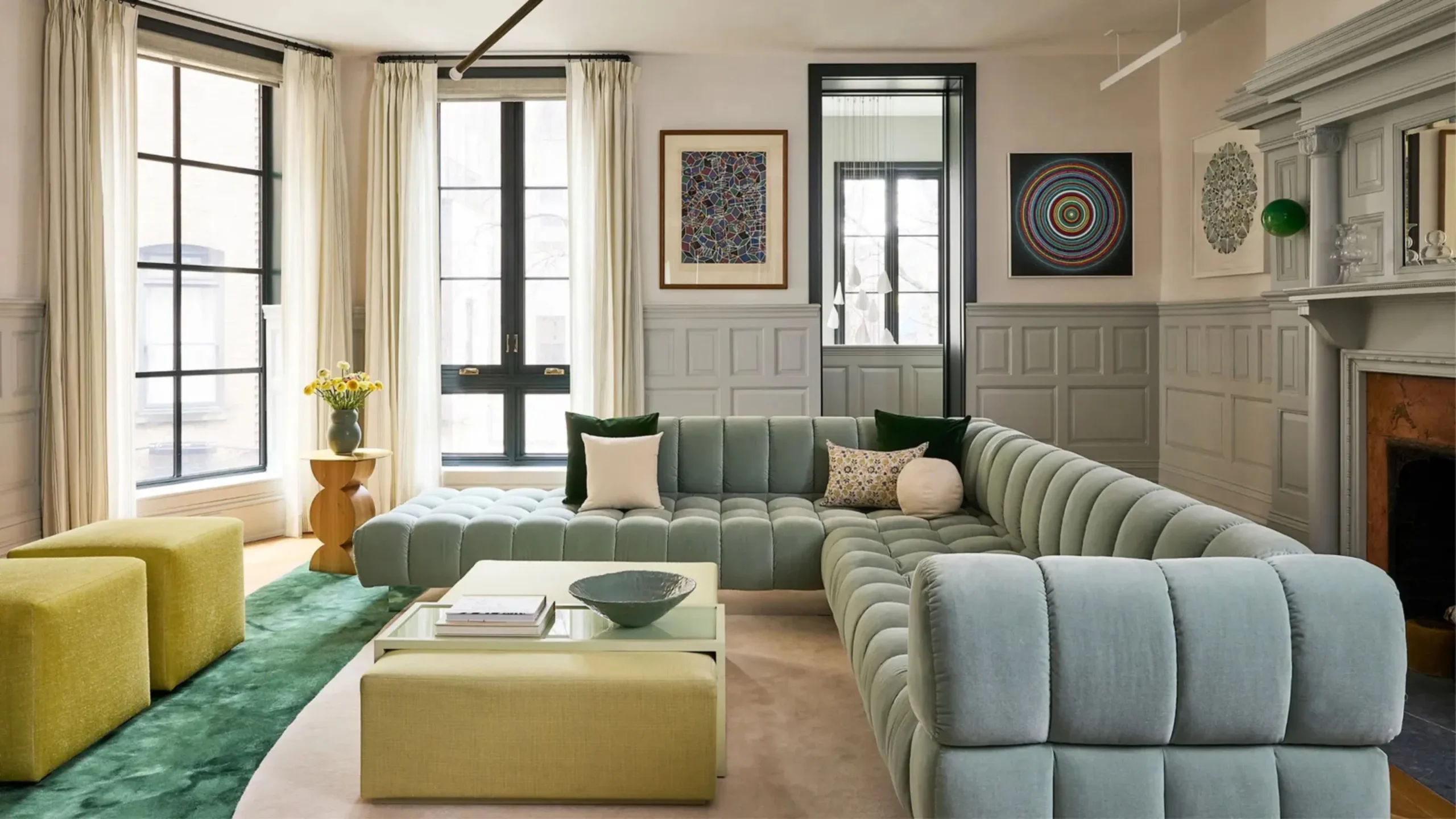
    The lounge is the primary gathering and guest-reception space in Pakistani households. It carries significant social weight, which means the sofa is not simply a seating choice. It anchors the entire room’s layout, sets the colour direction, and communicates the overall style register of your home to every guest who walks through the door. Get the sofa right early, and every other lounge piece, from the coffee table and side tables to rugs and curtains, can be chosen in relation to it rather than in conflict with it.

    Why the sofa is a structural decision, not just a style one

    The size and placement of the sofa determines traffic flow, conversation distances, and how much wall space remains available for other furniture or décor. A sofa that’s too large for the room closes it off entirely; one that’s too small looks lost and inadequate for guests. Before you fall in love with a particular design, measure your lounge and work out the maximum sofa dimensions that allow comfortable movement around it.

    In most standard Pakistani drawing rooms, a three-to-four seater sofa paired with a complementary side chair is the functional baseline. This arrangement comfortably seats four to six people depending on chair choice, allows for conversation across the room, and leaves enough open floor space that the room doesn’t feel crowded. A corner sectional works well in L-shaped lounges but can feel overwhelming in a square room.

    Coffee table and side storage: the room isn’t finished without them

    A sofa without a coffee table feels incomplete and impractical from day one. It anchors the seating arrangement and serves as the primary surface for everyday use: cups of chai, remote controls, books, and the inevitable pile of things that accumulate in a lived-in lounge. For smaller lounges, a lift-top coffee table with internal storage solves two problems at once.

    Storage ottomans are an equally practical alternative. They provide flexible extra seating when guests arrive, work as a footrest during everyday use, and store blankets, magazines, or children’s toys out of sight. In a compact lounge, an ottoman can provide greater versatility and storage density than a traditional coffee table, particularly useful given how many new homes in Pakistan lean towards the space-saving end of the spectrum.

    The dining area gets put off too often, and it’s a mistake

    Many first-time buyers treat the dining area as a third-tier priority and end up eating from the lounge sofa for months. The practical friction this creates accumulates quickly, particularly in Pakistani households where communal meals are a core daily rhythm and family gatherings happen regularly. The dining table is also the homework surface, the workspace, and the centrepiece of Eid lunches. It earns its place early.

    Choosing the right table size before you fall in love with a design

    The most common dining room mistake is choosing a table based on aesthetics without first matching it to actual family size and room dimensions. A six-seater table placed in a tight dining alcove leaves no room to pull chairs out comfortably, which makes every meal feel cramped. Measure the room, account for at least 90 centimetres of clearance on all sides, then select a table size.

    The practical guide is straightforward: a four-seater works for couples and small families in compact spaces; a six-seater is the Pakistani household standard and fits most medium dining rooms comfortably; an eight-seater is only appropriate if the dining room is genuinely large. For a family of six, the recommended table length is between 160 and 180 centimetres, with a width of 90 to 100 centimetres.

    Chairs vs benches: what suits your space and how you actually eat

    Dining chairs take up more floor space when pulled out, which matters in tighter rooms. Benches tuck neatly under the table when not in use and can seat multiple people without the footprint of individual chairs. For families with young children, or homes where the dining area doubles as a study or craft space, a bench along one side of the table offers flexibility without sacrificing seating capacity.

    This is a practical decision that first-time homeowners rarely think about until they’ve already assembled furniture in the room. Consider how you actually use the space daily, not just how it will look for guests.

    Ready-made or custom: a practical call, not just a budget one

    The common assumption is that ready-made furniture is always faster and cheaper, and custom is a luxury for later. The reality is more nuanced. The right answer depends on timing, room dimensions, and how long you intend to stay in the home.

    Ready-made makes complete sense when you need to be functional within a week. If you’re moving in on a Saturday and need a sofa and dining set by Sunday, ready-made is your only realistic option. Ready-made pieces are also sensible for secondary bedrooms, children’s rooms, or spaces that will change as the family grows. The trade-off is standard sizing, standard materials, and lower long-term durability.

    The calculus shifts when the room has non-standard dimensions or you’re buying for the long term. Custom furniture is worth the wait for the master bedroom wardrobe in a non-standard alcove, a dining table that must fit a specific room configuration, or any piece where exact dimensions and premium materials matter. Lead times in Lahore typically run three to eight weeks for most custom residential pieces, worth factoring into your moving timeline. The cost premium of roughly twenty to fifty percent over ready-made equivalents is offset by better material quality, exact fit, and a significantly longer lifespan. For homeowners who plan to stay put for ten or more years, custom furniture in the key rooms is often the more economical decision over time.

    How to furnish every room without the back-and-forth

    Sourcing bedroom furniture from one supplier, lounge furniture from another, and dining furniture from a third creates a coherence problem that’s easy to underestimate. Finishes don’t quite match, proportions feel slightly off, and the overall look of the home never fully comes together. Achieving a cohesive interior when every room comes from a different source requires time, coordination, and a level of design expertise most people furnishing their first home don’t have yet.

    When one brand carries the full range, from bed sets and wardrobes to sofas, dining tables, and home décor accessories, the finish tones and design language stay consistent throughout the home. This is a design principle worth taking seriously. A home where every room speaks the same visual language feels deliberate and considered, even before a single piece of art goes on the wall.

    Gourmet Furnishers is a Lahore-based luxury furniture manufacturer whose range covers bed sets, wardrobes, sofa sets, dining tables, and kitchen fittings. Their pieces are manufactured in-house using materials that include solid sheesham, walnut, marble, and full-grain leather. You can visit the factory in Lahore before delivery to inspect pieces directly, a level of transparency worth asking about when comparing suppliers. The brand offers a two-year warranty on structural defects and craftsmanship, alongside a thirty-day return policy. For further details on specific products and current terms, it’s worth reaching out to them directly.

    For new homeowners in DHA, Bahria Town, or Gulberg who want quality furniture without the coordination overhead, working with a single full-range supplier is the most straightforward route from an empty house to a fully furnished home.

    Start with a sequence, not a shopping list

    So, what furniture should you buy first for a new house in Pakistan? The priority logic is simple once you see it clearly. Bedroom first, because you live there from day one and the bed set shapes every subsequent decision in the room. Lounge second, because it sets the social register of your home and the sofa is the structural starting point for the entire space. Dining area third, because family rhythm and daily life depend on it more than most first-time buyers realise until the sofa has doubled as their dining table for four weeks running.

    Settle your material and budget decisions before you walk into any showroom. Know whether you’re choosing solid wood or marine-grade plywood, know your maximum dimensions for each room, and know which pieces are worth the wait for custom and which can be ready-made without compromise. That preparation alone will save you from the two most common mistakes: buying the wrong thing quickly, or buying nothing because the decisions feel too large.

    If you want to skip the back-and-forth entirely, Gourmet Furnishers’ housewarming bundles are designed for exactly this moment. You can browse their range online, book a factory visit, or simply reach out via WhatsApp with your room dimensions and budget, they’ll take it from there.
  • 10 Furniture Mistakes First-Time Home Buyers Make

    10 Furniture Mistakes First-Time Home Buyers Make

    Buying furniture for your first home is exciting, but it can also lead to expensive mistakes if you rush your decisions. Many first-time home buyers focus on appearance or price without considering quality, size, functionality, or long-term value. Choosing the right furniture helps create a comfortable, practical, and stylish living space while preventing unnecessary expenses. By understanding the most common furniture buying mistakes, you can make smarter purchases that suit your lifestyle and budget. This guide highlights ten common mistakes and explains how to avoid them when furnishing your new home.

    Buying Furniture Before Measuring Your Home

    Many homeowners purchase furniture because it looks attractive in the showroom or online, only to realize it doesn’t fit properly once it arrives. Measuring your home before buying is one of the most important steps in furniture shopping. It helps you avoid delivery problems, overcrowded rooms, and costly returns. Taking accurate measurements ensures every piece fits comfortably while maintaining a balanced layout. Planning ahead saves both time and money.

    Measure Every Room Properly

    Always measure the length, width, and height of every room before shopping for furniture. Record these measurements and carry them with you while visiting furniture stores. Consider windows, built-in cabinets, and electrical outlets that may affect furniture placement. Leaving enough walking space creates a more comfortable living environment. Accurate measurements help you choose furniture that complements your home’s layout.

    Check Doorways, Hallways, and Staircases

    Large furniture may fit inside your room but still fail to pass through your entrance or staircase. Measure every access point before making a purchase. This includes door frames, elevators, hallways, and narrow corners. Confirm delivery dimensions with the furniture seller to avoid surprises. Careful planning prevents delivery delays and unnecessary frustration.

    Plan Furniture Placement in Advance

    Sketch a simple room layout before purchasing furniture. Decide where major pieces like beds, sofas, and dining tables will be placed. Visual planning helps prevent overcrowding and improves traffic flow throughout the room. It also allows you to choose matching furniture sizes. A planned layout creates a more functional and attractive home.

    Choosing Style Over Comfort

    Beautiful furniture is important, but comfort should never be sacrificed. Furniture is used every day, so it must support your daily activities and relaxation. Comfortable furniture improves your overall living experience while maintaining visual appeal. A balanced combination of style and comfort provides the best long-term value. Always consider both before making your final decision.

    Test Furniture Before Buying

    Whenever possible, sit on sofas, chairs, and beds before purchasing them. Check seat depth, cushion support, and overall comfort. Online buyers should carefully review customer feedback and product specifications. Testing furniture helps ensure it meets your personal comfort preferences. Comfortable furniture makes everyday living more enjoyable.

    Balance Design with Everyday Comfort

    Choose furniture that complements your home’s style while remaining practical for daily use. Modern designs should also provide ergonomic support and durable construction. Avoid buying uncomfortable pieces simply because they are fashionable. Practical furniture delivers better long-term satisfaction. A good balance creates a welcoming living space.

    Think About Long-Term Use

    Furniture is a long-term investment that should remain useful for many years. Select timeless designs that won’t quickly go out of fashion. Durable materials and quality craftsmanship reduce replacement costs over time. Consider how your family’s needs may change in the future. Long-lasting furniture offers better overall value.

    Ignoring Furniture Quality

    Low-quality furniture may appear attractive initially but often wears out much faster. Investing in better materials and construction ensures durability and long-term satisfaction. Quality furniture requires fewer repairs and replacements. Understanding basic furniture materials helps you make informed decisions. Paying attention to craftsmanship protects your investment.

    Understand Different Wood Types

    Solid wood furniture generally lasts longer than particleboard or MDF alternatives. Different wood species offer varying levels of strength and durability. Learn the differences before making expensive purchases. Choosing quality wood improves furniture lifespan and appearance. Strong materials deliver better long-term performance.

    Check Build Quality and Materials

    Inspect joints, hardware, finishing, and overall construction before buying furniture. Strong joints and quality fittings indicate better craftsmanship. Avoid products with loose connections or uneven finishes. High-quality construction increases stability and durability. Careful inspection prevents future maintenance issues.

    Invest in Durable Pieces

    Spend more on frequently used furniture such as beds, sofas, and dining tables. These items experience daily wear and should be built to last. Durable furniture saves money over time by reducing replacement costs. Quality products maintain their appearance for years. Investing wisely delivers better long-term value.

    Buying Everything at Once

    Many first-time homeowners feel pressured to furnish every room immediately. This often leads to poor financial decisions and unnecessary purchases. Buying gradually allows you to prioritize quality over quantity. Careful planning results in a more cohesive home design. Patience leads to smarter investments.

    Prioritize Essential Furniture

    Start with necessities like beds, sofas, dining tables, and wardrobes. Purchase decorative furniture only after meeting your essential needs. This approach helps manage your budget effectively. Essential furniture improves daily comfort from the beginning. Gradual purchasing reduces financial stress.

    Create a Room-by-Room Budget

    Allocate a separate budget for each room before shopping. This prevents overspending on one area while neglecting another. Budget planning helps balance furniture quality across the home. Financial discipline supports smarter buying decisions. Organized spending reduces unexpected expenses.

    Add Decorative Items Gradually

    Accessories such as coffee tables, shelves, rugs, and decorative pieces can be purchased over time. Living in your home first helps identify what you truly need. Gradual decorating creates a more personalized interior. Avoid impulse buying unnecessary items. Thoughtful decorating improves long-term satisfaction.

    Not Matching Furniture to Room Size

    Furniture should fit the available space without making rooms feel crowded. Oversized furniture reduces comfort and limits movement. Properly scaled furniture improves both appearance and functionality. Room proportions should always guide your buying decisions. A balanced layout creates a spacious atmosphere.

    Avoid Oversized Furniture

    Large sofas and oversized beds may overwhelm smaller rooms. Select furniture that suits your room dimensions while maintaining visual balance. Smaller spaces benefit from compact furniture designs. Proper sizing enhances comfort and movement. Well-proportioned furniture creates a cleaner appearance.

    Use Space-Saving Designs

    Furniture with built-in storage or foldable features maximizes available space. Multi-functional pieces are especially useful in apartments and smaller homes. These designs improve efficiency without sacrificing style. Practical furniture supports organized living. Space-saving solutions increase flexibility.

    Maintain Comfortable Walking Space

    Leave enough clearance between furniture pieces for comfortable movement. Avoid blocking doors, windows, and natural walkways. Proper spacing improves accessibility and room functionality. Open layouts create a brighter and more inviting atmosphere. Good furniture placement enhances everyday living.

    Forgetting About Storage Needs

    Storage is often overlooked during furniture shopping but becomes essential after moving in. Insufficient storage leads to clutter and poor organization. Furniture with built-in storage provides practical solutions without requiring extra space. Organized homes feel cleaner and more comfortable. Storage planning improves long-term convenience.

    Choose Multi-Functional Furniture

    Beds with storage drawers, storage benches, and lift-top coffee tables serve multiple purposes. These furniture pieces maximize functionality while saving space. Multi-purpose furniture is ideal for modern homes. They reduce clutter without compromising style. Smart furniture choices improve efficiency.

    Maximize Small Spaces

    Use vertical storage units, compact wardrobes, and corner furniture to maximize available space. Every square foot should be utilized effectively. Practical storage solutions create a more organized environment. Efficient furniture layouts improve daily living. Small homes benefit greatly from thoughtful planning.

    Reduce Everyday Clutter

    Furniture with hidden storage keeps household items neatly organized. Organized spaces improve productivity and reduce stress. Storage solutions make cleaning easier and faster. Functional furniture supports better home management. A clutter-free home feels more relaxing.

    Ignoring Lifestyle and Family Needs

    Furniture should match the people who use it every day. Families with children or pets require different materials than single homeowners. Your lifestyle should guide every furniture decision. Practical furniture improves convenience and durability. Personalized choices provide better satisfaction.

    Consider Children and Pets

    Choose stain-resistant fabrics and rounded furniture edges for improved safety. Durable materials withstand daily wear from active families. Easy-to-clean surfaces simplify maintenance. Family-friendly furniture lasts longer under heavy use. Safety should always remain a priority.

    Select Easy-to-Maintain Materials

    Low-maintenance fabrics and finishes reduce cleaning time and preserve appearance. Leather, treated fabrics, and quality wood finishes are easier to maintain. Practical materials remain attractive for years. Maintenance-friendly furniture saves effort and money. Smart material selection increases durability.

    Buy Furniture That Fits Your Routine

    Consider how you work, relax, entertain guests, and spend time at home. Furniture should support your daily habits comfortably. Practical choices improve functionality and convenience. Personalized furniture enhances your living experience. Everyday comfort should guide your decisions.

    Following Trends Instead of Practicality

    Furniture trends change quickly, while quality furniture should last for many years. Following temporary trends may result in expensive replacements later. Focus on timeless designs that remain stylish over time. Practical furniture offers greater flexibility. Long-lasting designs provide better value.

    Choose Timeless Designs

    Neutral colors and classic furniture styles remain attractive for years. Timeless furniture adapts easily to changing décor preferences. Classic designs reduce future replacement costs. They provide lasting elegance and versatility. Simple styles rarely go out of fashion.

    Mix Trendy Accessories with Classic Furniture

    Instead of replacing major furniture pieces, update your home using cushions, artwork, rugs, and decorative items. Accessories are affordable and easy to change. This approach keeps your home modern without major expenses. Classic furniture remains the foundation. Flexible decorating saves money.

    Think About Future Home Updates

    Choose furniture that can adapt to renovations or changing interior styles. Neutral furniture offers greater decorating flexibility. Long-term planning reduces unnecessary purchases. Versatile furniture supports future design updates. Adaptable choices increase overall value.

    Overlooking Material and Fabric Selection

    Furniture materials directly affect durability, maintenance, and comfort. Choosing the wrong material can lead to faster wear and higher maintenance costs. Consider your climate, household, and daily usage before buying. Material quality influences long-term satisfaction. Informed decisions improve furniture lifespan.

    Pick Materials Suitable for Your Climate

    Wood, fabric, and leather perform differently in various weather conditions. Choose materials suitable for Pakistan’s changing climate. Moisture-resistant finishes help protect furniture during humid seasons. Climate-appropriate materials last longer. Proper selection preserves appearance and quality.

    Compare Fabric Durability

    Different fabrics offer different levels of stain resistance and durability. Compare upholstery materials before making a final decision. High-quality fabrics maintain their appearance under daily use. Durable upholstery reduces replacement costs. Better materials improve long-term comfort.

    Consider Cleaning and Maintenance

    Select materials that match your willingness to perform regular maintenance. Easy-to-clean finishes simplify daily care. Proper maintenance extends furniture lifespan significantly. Practical materials remain attractive with minimal effort. Maintenance-friendly furniture saves time.

    Buying Without Comparing Prices

    Purchasing from the first furniture store you visit may not provide the best value. Comparing products helps identify better quality, pricing, and warranties. Smart buyers research before making major purchases. Careful comparison prevents overspending. Informed shopping leads to better investments.

    Research Multiple Furniture Stores

    Visit several furniture retailers before making your final decision. Compare materials, craftsmanship, pricing, and customer reviews. Different stores may offer better quality at competitive prices. Research increases buying confidence. Better comparisons produce better results.

    Compare Features, Warranty, and Value

    Price alone should not determine your purchase. Evaluate warranties, delivery services, after-sales support, and furniture quality. Better value often outweighs lower prices. Comprehensive comparisons improve decision-making. Quality purchases provide lasting satisfaction.

    Look for Seasonal Discounts and Deals

    Furniture sales during holidays and promotional events offer significant savings. Plan major purchases around seasonal discounts whenever possible. Compare sale prices carefully before buying. Discounts help maximize your furniture budget. Smart timing reduces overall expenses.

    How to Create a Smart Furniture Buying Checklist

    A furniture checklist helps you stay organized throughout the buying process. It reduces impulse purchases and keeps spending under control. Planning every purchase improves overall satisfaction. Organized shopping leads to better decisions. A simple checklist saves both time and money.

    Set a Realistic Budget

    Determine your total furniture budget before visiting any store. Divide the budget according to room priorities and essential furniture pieces. Include delivery and installation costs in your calculations. Financial planning prevents overspending. Realistic budgets support smarter investments.

    Make a Priority Shopping List

    List essential furniture items before decorative purchases. Prioritize daily-use furniture first to maximize comfort and functionality. A clear shopping list keeps purchases focused. Organized planning prevents unnecessary spending. Priorities simplify the buying process.

    Measure Before Every Purchase

    Verify room measurements before placing every furniture order. Double-check product dimensions to ensure compatibility. Accurate measurements prevent costly mistakes. Consistent measuring improves shopping confidence. Preparation ensures successful furniture placement.

    Compare Quality Before Price

    Always evaluate construction quality before considering price. Better materials often provide greater long-term savings. Cheap furniture may require frequent replacement. Quality products deliver higher overall value. Smart buyers prioritize durability over low prices.

    Why Choose Gourmet Furnishers

    Gourmet Furnishers is committed to helping homeowners furnish their spaces with premium-quality furniture that combines style, durability, and functionality. Every product is crafted using high-quality materials and expert workmanship to ensure long-lasting performance. Whether you prefer modern, classic, or custom-made furniture, Gourmet Furnishers offers a wide selection designed to suit every home and lifestyle. Competitive pricing, exceptional customer service, and reliable nationwide delivery across Pakistan make furniture shopping simple and stress-free. By choosing Gourmet Furnishers, you invest in furniture that enhances your home’s beauty, comfort, and value for years to come.

    Conclusion

    Avoiding these ten common furniture mistakes can help first-time home buyers create a comfortable, practical, and stylish living space without overspending. Taking time to measure your home, compare quality, choose durable materials, and prioritize essential purchases leads to smarter long-term decisions. Furniture is an investment that should provide comfort, functionality, and lasting value. With careful planning and trusted suppliers like Gourmet Furnishers, you can confidently furnish your first home while avoiding costly regrets.

    FAQs

    What furniture should first-time home buyers purchase first?

    Start with essential items like a bed, sofa, dining table, and wardrobe before buying decorative furniture.

    can I tell if furniture is high quality?

    Check the materials, construction, joints, finish, hardware, and warranty before making a purchase.

    Should I buy custom furniture or ready-made furniture?

    Choose custom furniture if you need specific sizes or designs, while ready-made furniture offers faster delivery and lower costs.

    How much should I budget for furnishing a new home?

    Your budget depends on your home size, but prioritize quality essentials before spending on decorative pieces.

    What is the biggest mistake first-time furniture buyers make?

    Buying furniture without measuring their home is one of the most common and expensive mistakes.