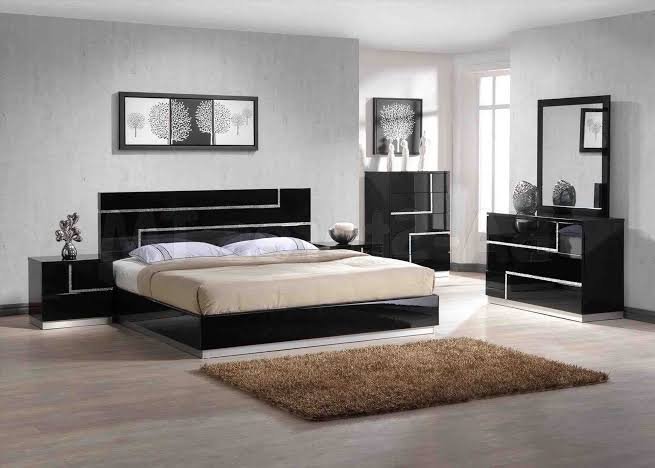
You can identify low-quality furniture by looking for common warning signs such as loose joints, uneven finishes, lightweight construction, low-grade materials like particleboard instead of solid wood, weak or wobbly frames, poor upholstery stitching, and drawers or doors that do not open and close smoothly. Cheap hardware, visible gaps, peeling laminate, and a lack of warranty are also indicators of poor craftsmanship. Before buying, inspect the furniture carefully, test its stability, and ask about the materials and construction to ensure you are investing in durable, long-lasting furniture that offers good value for your money.
Why Furniture Quality Matters
High-quality furniture offers better durability, improved comfort, and greater value over time. Well-crafted furniture can withstand daily use without losing its strength or appearance. It also requires fewer repairs and maintenance, making it a more cost-effective investment. Quality furniture enhances the beauty of your home while providing reliable performance for years. Choosing premium materials and skilled craftsmanship ensures your furniture remains functional and stylish. Investing in quality today prevents frequent replacements in the future.
Durability and Lifespan
Furniture made with strong materials and expert craftsmanship lasts significantly longer than cheaply manufactured alternatives. Solid construction helps prevent cracking, bending, or breaking under everyday use. Durable furniture maintains its structure even after years of regular use. It also performs better in different weather conditions and household environments. Long-lasting furniture reduces replacement costs and offers better long-term value. Always consider durability before focusing solely on appearance or price.
Comfort and Everyday Performance
Comfort is one of the most important qualities of any furniture piece. High-quality sofas, chairs, and beds provide proper support and retain their shape over time. Premium foam, cushions, and upholstery improve daily comfort without sagging quickly. Strong frames ensure furniture remains stable even with frequent use. Comfortable furniture enhances relaxation and supports healthy posture. Investing in better construction results in a more enjoyable living experience.
Better Value for Money
Although premium furniture often costs more initially, it delivers better value over its lifetime. Durable materials reduce repair and replacement expenses. High-quality furniture maintains its appearance for years, making it a worthwhile investment. Better craftsmanship also increases resale value if you decide to upgrade later. Instead of replacing cheap furniture repeatedly, buying quality products saves money in the long run. Value should always be measured by lifespan rather than purchase price alone.
Sign 1: Weak or Wobbly Frame
A weak or unstable frame is one of the clearest signs of poor-quality furniture. Furniture should feel sturdy and balanced without rocking or shaking during normal use. Wobbling often indicates weak joints or low-grade materials. Over time, unstable frames become even weaker and may eventually fail. Always test the furniture by gently applying pressure before purchasing. A solid frame ensures better durability and safety.
How to Check Frame Stability
Carefully shake the furniture from different angles to check for movement or looseness. Sit on chairs and sofas to ensure they remain stable without unusual sounds. Inspect the legs to confirm they are securely attached. Lift one side slightly to determine whether the frame twists easily. Stable furniture feels firm and well-balanced throughout. Simple stability tests can reveal hidden quality issues before purchase.
Why Solid Construction Matters
Furniture built with strong construction methods provides superior strength and longevity. Solid frames distribute weight evenly and resist daily wear. Proper construction also improves safety by reducing the risk of structural failure. High-quality joinery ensures each component remains securely connected. Strong construction enhances comfort and preserves the furniture’s appearance over time. Choosing well-built furniture is always a smart investment.
Sign 2: Cheap Materials and Poor Wood Quality
Low-quality furniture often uses inferior materials that wear out quickly. Thin particleboard, weak plywood, and poor-quality laminates can easily chip, swell, or crack. Premium furniture uses solid wood or high-quality engineered wood for better strength. Carefully inspect material thickness, texture, and finish before buying. Inferior materials may look attractive initially but deteriorate rapidly. Material quality directly affects furniture lifespan.
Difference Between Solid Wood, Engineered Wood, and Low-Grade Materials
Solid wood offers exceptional durability, natural beauty, and long-lasting performance. High-quality engineered wood provides strength while remaining more affordable. Low-grade particleboard and cheap MDF are more vulnerable to moisture and damage. Understanding these differences helps buyers make informed decisions. Each material has different strengths depending on intended use. Selecting the right material ensures better long-term satisfaction.
Signs of Inferior Materials
Look for rough edges, peeling surfaces, visible gaps, and lightweight construction. Thin boards often indicate reduced strength and shorter lifespan. Poor-quality materials may produce strong chemical odors due to cheap adhesives. Surfaces that scratch easily are another warning sign. Visible swelling or uneven textures also suggest inferior manufacturing. These signs should never be ignored during inspection.
Sign 3: Loose or Poor-Quality Joints
Furniture joints play a major role in overall strength and stability. Weak joints often loosen over time, causing furniture to wobble or break. High-quality furniture uses strong joinery techniques instead of relying only on glue or staples. Inspect all corners carefully for secure connections. Strong joints improve structural integrity and durability. Quality assembly ensures years of dependable performance.
Types of Strong Furniture Joints
Mortise and tenon, dovetail, and dowel joints are among the strongest construction methods. These joints provide excellent strength without depending solely on fasteners. Quality manufacturers use these techniques to improve durability. Proper joinery distributes weight evenly across the furniture. Strong joints also resist daily movement and pressure. Reliable construction starts with excellent joinery.
Warning Signs of Weak Assembly
Visible staples, excessive glue, loose screws, and uneven gaps indicate poor assembly quality. Furniture should have clean, tightly fitted joints with no movement. Misaligned corners often reveal rushed manufacturing. Cracking sounds during testing may indicate weak connections. Poor assembly reduces both safety and lifespan. Always inspect the craftsmanship carefully before purchasing.
Sign 4: Thin, Peeling, or Uneven Finish
The surface finish protects furniture from moisture, stains, and scratches. Poor-quality finishes begin peeling, fading, or bubbling after limited use. Uneven paint or polish also reflects poor manufacturing standards. A smooth, consistent finish improves both appearance and durability. Carefully inspect all visible surfaces under proper lighting. Quality finishes extend furniture life and maintain its beauty.
How Surface Finish Affects Durability
A durable finish shields furniture from everyday wear and environmental damage. It prevents moisture from penetrating the wood and reduces surface scratches. High-quality finishes also make cleaning easier. Proper finishing enhances color consistency and overall appearance. Durable coatings protect furniture for many years. Surface quality is an important indicator of overall craftsmanship.
Common Defects to Look For
Watch for peeling laminate, paint bubbles, rough edges, visible brush marks, and inconsistent coloring. Small cracks or chips may indicate poor finishing techniques. Uneven coatings reduce both appearance and protection. Excessive shine can sometimes hide surface imperfections. Inspect furniture from multiple angles before making a decision. Minor defects often become major problems over time.
Sign 5: Low-Density Foam and Poor Upholstery
Low-quality upholstered furniture loses comfort quickly because of weak foam and poor fabric. Cushions may flatten after only a short period of use. Cheap upholstery also tears, fades, or wrinkles more easily. High-density foam provides better support and durability. Strong fabrics improve appearance and lifespan. Upholstery quality significantly influences long-term comfort.
How to Test Seat Cushions
Sit on the furniture for several minutes and observe how quickly the cushions recover their original shape. Firm yet comfortable support indicates better foam quality. Press the cushions with your hands to check resilience. Uneven sinking often signals inferior foam. Quality cushions maintain their structure over time. Testing before buying helps avoid future disappointment.
Fabric Quality and Stitching Inspection
Inspect seams carefully to ensure straight, tight stitching without loose threads. High-quality fabrics feel durable and resist stretching. Pattern alignment should remain consistent across the furniture. Strong stitching prevents tears during everyday use. Well-finished upholstery reflects skilled craftsmanship. Careful inspection ensures better long-term performance.
Sign 6: Weak Hardware and Accessories
Furniture hardware contributes greatly to daily usability and durability. Cheap hinges, drawer slides, handles, and legs often loosen or fail quickly. High-quality hardware operates smoothly and feels solid during use. Reliable components improve both functionality and lifespan. Always inspect moving parts before making a purchase. Strong hardware reflects better manufacturing standards.
Drawer Slides, Hinges, Handles, and Legs
Open drawers several times to ensure smooth movement without sticking. Check hinges for firm alignment and quiet operation. Handles should feel secure without wobbling. Furniture legs should remain stable under normal weight. Premium hardware improves convenience and reliability. Small details often reveal overall furniture quality.
Why Quality Hardware Increases Furniture Life
Strong hardware reduces daily wear on furniture components. Durable hinges and slides continue operating smoothly for years. Quality accessories improve safety by preventing unexpected failures. Reliable hardware also minimizes repair costs over time. Better components increase customer satisfaction and long-term value. Investing in quality hardware ensures dependable performance.
Sign 7: Unusually Low Price with Big Claims
Extremely low prices combined with unrealistic marketing promises often indicate compromised quality. Manufacturers sometimes reduce costs by using inferior materials and weak construction methods. While discounts are common, unusually cheap furniture deserves careful inspection. Compare features, materials, and warranties before making a decision. Quality furniture offers realistic pricing based on craftsmanship. Avoid making decisions based solely on price.
Recognizing Unrealistic Discounts
Massive discounts that seem too good to be true often require extra caution. Compare prices across multiple retailers to understand the market average. Check whether the original price was genuine. Read customer reviews to verify product quality. Genuine value comes from quality rather than exaggerated promotions. Smart buyers always research before purchasing.
Balancing Price with Quality
The best furniture combines fair pricing with reliable materials and construction. Paying slightly more often results in better durability and lower maintenance costs. Compare warranties, materials, and craftsmanship rather than price alone. Long-term value should always guide your buying decision. Balance affordability with quality for the best investment. Quality furniture pays for itself over time.
How to Inspect Furniture Before Buying
A careful inspection can prevent costly mistakes and help you choose furniture that lasts for years. Always examine construction, materials, hardware, and finish before making a purchase. Spend time testing stability and comfort rather than relying only on appearance. Ask questions about manufacturing methods and warranties. Careful inspection provides confidence in your investment. Small details often reveal the true quality of furniture.
Test Stability
Push gently on different sides of the furniture to check for wobbling or movement. Sit on chairs and sofas to evaluate balance and support. Stable furniture should remain firm without making unusual noises. Inspect the legs and frame connections carefully. Strong stability indicates better craftsmanship. Never ignore signs of movement or weakness.
Check Material Thickness
Examine the thickness of wood panels and structural components. Thick materials generally provide greater strength and durability. Thin boards may bend or crack under pressure. Compare different products to understand quality differences. Material thickness directly affects furniture lifespan. Strong construction begins with quality materials.
Inspect Edges and Corners
Smooth edges and neatly finished corners indicate careful manufacturing. Rough edges, chips, or visible gaps suggest lower quality. Well-finished corners improve both appearance and safety. Inspect every side of the furniture carefully. Consistent finishing reflects professional craftsmanship. Small imperfections often reveal larger manufacturing problems.
Open and Close Drawers and Doors
Test every drawer and door multiple times before purchasing. They should operate smoothly without sticking or making excessive noise. Proper alignment ensures better long-term performance. Loose hardware or uneven movement indicates poor construction. Functional components improve everyday convenience. Reliable operation reflects higher manufacturing standards.
Review Warranty and Return Policy
A good warranty demonstrates the manufacturer’s confidence in product quality. Read all warranty terms carefully before purchasing. Understand what repairs or replacements are covered. Flexible return policies provide additional peace of mind. Reliable companies stand behind their products. Warranty protection adds value to your investment.
Common Mistakes Buyers Make
Many buyers focus only on appearance or price while ignoring important quality factors. This often results in purchasing furniture that deteriorates quickly. Taking time to compare products helps avoid expensive mistakes. Understanding materials and construction improves buying decisions. Informed buyers enjoy better long-term satisfaction. Avoiding common mistakes leads to smarter investments.
Choosing Appearance Over Quality
Beautiful furniture is not always well-made. Attractive designs can hide weak construction and poor materials. Always inspect quality before focusing on style alone. Strong craftsmanship should support visual appeal. Balanced decisions provide better long-term value. Quality should never be sacrificed for appearance.
Ignoring Product Specifications
Product specifications reveal important information about materials, dimensions, and construction. Skipping these details increases the risk of buying inferior furniture. Always read specifications carefully before purchasing. Ask questions if important information is missing. Understanding product details supports informed decisions. Knowledge reduces costly mistakes.
Buying Without Comparing Options
Comparing multiple products helps identify better quality and pricing. Different manufacturers use different materials and construction techniques. Side-by-side comparisons reveal important differences. Reading customer reviews also provides valuable insights. Careful comparison improves purchasing confidence. Never buy the first option without research.
Skipping Warranty Information
Many buyers overlook warranty details until problems occur. A strong warranty offers valuable protection against manufacturing defects. Review warranty coverage before making your decision. Reliable brands provide clear warranty terms. Warranty support reflects product confidence. Always consider after-sales service when buying furniture.
Tips for Buying High-Quality Furniture
Choosing quality furniture requires patience, research, and careful inspection. Focus on materials, construction, comfort, and manufacturer reputation rather than price alone. Read reviews and compare different products before making a decision. Visit showrooms whenever possible to inspect furniture personally. Investing time before purchasing reduces future problems. Smart buying decisions provide lasting value.
Buy from Trusted Furniture Brands
Established furniture brands maintain higher manufacturing standards and better customer service. They are more likely to use premium materials and skilled craftsmanship. Trusted brands also provide reliable warranties and support. Customer reviews often reflect consistent product quality. Buying from reputable sellers reduces purchasing risks. Brand reputation is an important quality indicator.
Ask About Materials and Construction
Always ask sales representatives about wood type, upholstery, hardware, and construction methods. Honest sellers provide detailed information about their products. Understanding these details helps compare different options effectively. Material transparency reflects manufacturer confidence. Better information leads to better buying decisions. Never hesitate to ask questions.
Read Customer Reviews
Customer reviews provide valuable insights into durability, comfort, and overall satisfaction. Look for consistent feedback across multiple platforms. Pay attention to long-term user experiences. Reviews often highlight issues not visible in product photos. Balanced feedback supports informed decisions. Genuine customer experiences are valuable buying resources.
Compare Warranties
Different manufacturers offer different warranty periods and coverage. Compare warranty terms alongside product quality and pricing. Longer warranties often indicate better confidence in manufacturing standards. Understand exclusions before purchasing. Warranty comparison improves overall value assessment. Reliable coverage protects your investment.
Inspect Furniture in Person Whenever Possible
Visiting a showroom allows you to examine materials, comfort, and construction firsthand. You can test stability, inspect finishes, and evaluate overall craftsmanship. Physical inspection reveals details that online images cannot show. Take your time comparing different models. Seeing furniture in person improves buying confidence. Direct inspection remains the most reliable evaluation method.
Why Choose Gourmet Furnishers
Gourmet Furnishers is committed to delivering premium-quality furniture that combines durability, comfort, and modern design. Every product is crafted using carefully selected materials and expert manufacturing techniques to ensure long-lasting performance. Whether you need bedroom furniture, living room sets, dining tables, or custom-made pieces, Gourmet Furnishers offers solutions that match your style and budget. The company focuses on customer satisfaction through exceptional craftsmanship, competitive pricing, and dependable nationwide delivery across Pakistan.
Premium Quality Materials
Gourmet Furnishers uses carefully selected woods, premium fabrics, durable hardware, and high-quality finishes. Every material is chosen to provide long-lasting strength and attractive appearance. Quality materials reduce maintenance while improving furniture lifespan. Customers receive products designed for everyday use. Premium construction ensures lasting value. Every piece reflects superior standards.
Expert Craftsmanship
Experienced craftsmen pay close attention to every detail during manufacturing. Precision joinery, smooth finishes, and careful upholstery ensure exceptional quality. Skilled workmanship enhances both beauty and durability. Every furniture piece undergoes quality inspection before delivery. Professional craftsmanship creates furniture built to last. Excellence is maintained throughout production.
Stylish and Functional Furniture
Gourmet Furnishers designs furniture that balances aesthetics with everyday practicality. Modern, classic, and contemporary collections suit different interior styles. Functional designs maximize comfort and usability. Every product enhances the appearance of your home. Style never compromises durability. Beautiful furniture should also perform exceptionally well.
Custom Furniture Solutions
Customers can personalize furniture according to their preferred size, color, material, and design. Custom solutions ensure furniture perfectly matches individual spaces and lifestyles. Expert guidance simplifies the customization process. Every order receives careful attention to detail. Personalized furniture creates unique interiors. Customization provides greater flexibility.
Competitive Prices
Gourmet Furnishers offers premium furniture at fair and competitive prices. Customers receive excellent value without compromising quality. Transparent pricing ensures confidence during purchase. Quality craftsmanship remains affordable for different budgets. Long-lasting furniture reduces future replacement costs. Great value comes from lasting performance.
Nationwide Delivery Across Pakistan
Gourmet Furnishers provides reliable delivery services throughout Pakistan. Furniture is carefully packed to ensure safe transportation. Customers enjoy convenient ordering from anywhere in the country. Timely delivery improves the overall shopping experience. Professional service continues after purchase. Nationwide coverage makes premium furniture accessible to everyone.
Conclusion
Recognizing the signs of low-quality furniture helps you avoid costly mistakes and invest in products that deliver lasting comfort and durability. By carefully inspecting materials, construction, hardware, upholstery, and warranties, you can confidently choose furniture that offers genuine value. Taking time to evaluate quality before buying ensures your investment enhances your home for many years. Purchasing from trusted retailers like Gourmet Furnishers provides additional peace of mind through reliable craftsmanship and excellent customer service.
FAQs
How can I tell if furniture is high quality?
Check the frame, materials, joints, finish, hardware, and warranty. High-quality furniture feels sturdy, well-built, and durable.
Is solid wood always better than MDF?
Solid wood generally lasts longer and is stronger, while high-quality engineered wood can also provide excellent durability for many furniture types.
Why does cheap furniture wear out quickly?
Cheap furniture often uses low-grade materials, weak hardware, poor joinery, and thin finishes that cannot withstand daily use.
Should I always buy the most expensive furniture?
No. Focus on construction quality, materials, craftsmanship, and warranty rather than price alone.
Why is buying from a trusted furniture store important?
Reputable furniture stores provide better quality products, reliable warranties, professional customer support, and greater long-term value.