
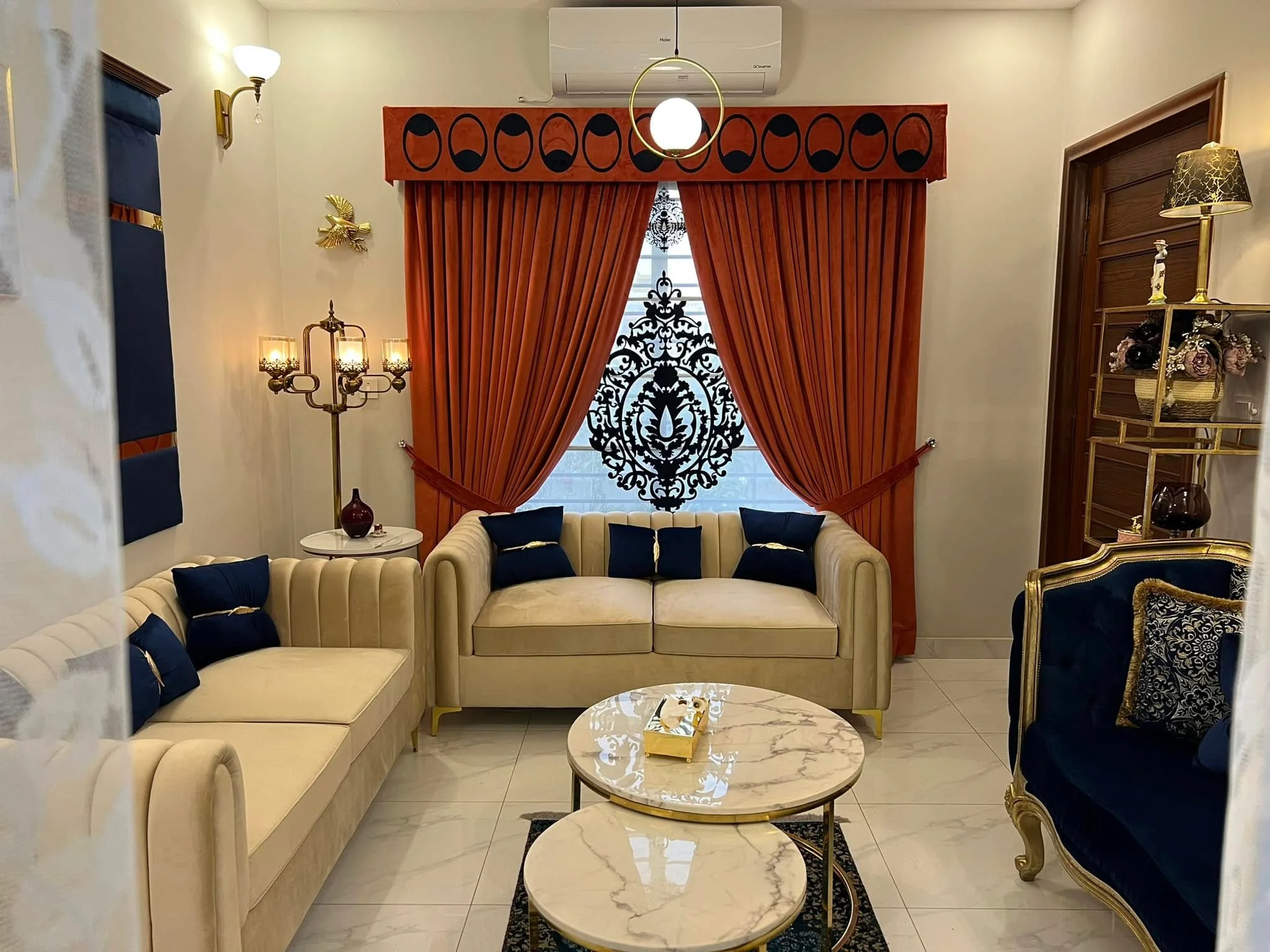
Furnishing a new house in Pakistan depends on the size of the home, quality of furniture, and personal style, but a basic setup can cost around PKR 5 lakh to 20 lakh or more. Start with essential furniture such as beds, sofas, dining tables, wardrobes, curtains, lighting, and storage units, then add appliances, kitchen items, carpets, and décor according to your budget. A complete checklist should include living room furniture (sofa, center table, TV unit), bedroom essentials (bed, mattress, wardrobe, side tables), dining area setup, kitchen appliances and utensils, bathroom accessories, lighting fixtures, curtains, and decorative items. For a cost-effective approach, prioritize daily-use items first, compare prices from local furniture markets and online furniture stores, choose durable materials, and gradually upgrade your home décor over time.
Set your priorities before you buy anything
The rooms you sleep, eat, and live in every day must be functional from the moment you move in. Everything else can wait. That means the master bedroom comes first, then the living and dining area, followed by kitchen essentials, with guest bedrooms, home offices, and decorative details left for later. In housing societies like Bahria Town or DHA, where families often move in while certain rooms are still being finished, this staged approach prevents a very common mistake: spending heavily on rooms you will not use for months.
The bigger risk is panic-buying everything at once. When you try to furnish five rooms simultaneously without a clear checklist, two things happen. First, you run out of budget before the high-priority rooms are done properly. Second, the pieces you buy do not coordinate because you were choosing under pressure rather than with intention. A phased approach, guided by a clear priority order, produces a more cohesive result and protects your cash flow through what is already an expensive period.
Furnishing a new house in Pakistan: room-by-room checklist
Bedrooms: the non-negotiables
For the master bedroom, the essential items are a bed frame, mattress,wardrobe, and dressing table. Curtains and lighting belong on that same initial list, not as afterthoughts to add later. Many homeowners delay curtains and then spend weeks sleeping in a room that gets full morning sun. For guest bedrooms, the checklist is lighter to start: a bed, a basic wardrobe, and window coverings are sufficient until the primary rooms are settled.
On wardrobes specifically, the choice between fitted and freestanding depends on room size and how long you plan to stay. Fitted wardrobes maximise space in smaller rooms and look cleaner, but they are a fixed investment. Freestanding wardrobes offer flexibility if your plans change. For a bedroom in a standard 3-bedroom house in DHA or Bahria Town, a well-made freestanding wardrobe in solid Sheesham is often the more practical starting point.
Living and dining area must-haves
The living room checklist covers four core items: a sofa set, a centre table, a TV unit, and at minimum one quality overhead or floor lamp. In many DHA and Bahria Town homes, the lounge and dining area share an open-plan space, which directly affects sizing decisions. A sofa that works in a smaller dedicated lounge will look undersized in an open-plan layout. Measure the space before you shop, not after.
For the dining area, a 6-seater dining table is the standard choice for a 3-bedroom house with a family. The chair count matters as much as the table size. Overhead lighting above the dining table is not purely decorative; it defines the space in an open-plan layout and makes the area feel intentional rather than incomplete.
Kitchen and bathrooms
Kitchen cabinets and storage units are the furniture equivalent in this space, and they are consistently the most underestimated cost in a new home. For cabinet carcasses, opt for moisture-resistant materials: marine-grade or treated plywood holds up far better than standard board in Pakistan’s humidity. For bathrooms, you will need mirrors, a storage shelving unit or vanity, and appropriate lighting. These two rooms carry the shortest furniture checklist. Yet they are consistently left until last and then rushed, which is precisely where poor material decisions happen.
Furnishing a new house in Pakistan: realistic 2026 costs
Budget tiers: starter, standard, and premium
For furniture only (excluding construction finishes like flooring and paint), there are three realistic tiers. At the starter level, expect to spend approximately PKR 2 million to PKR 2.5 million for basic functional pieces across all rooms. The standard tier, which is where most homeowners furnishing a 3-bedroom house in DHA or Bahria Town land, runs from PKR 3.5 million to PKR 4.5 million. The premium tier starts at PKR 6 million and scales upward depending on materials, customisation, and brand. These are not aspirational figures; they reflect what the market currently delivers at each quality level.
Per-item price ranges for key pieces
The items that consume the most budget are also the most visible. A 7-seater sofa set ranges from PKR 170,000 at the budget end to PKR 550,000 for a premium set. A king-size bed in solid Sheesham wood starts around PKR 150,000 and reaches PKR 800,000 for luxury options. A 6-seater dining set runs from PKR 140,000 to PKR 600,000 depending on material and design. A wardrobe ranges from PKR 150,000 for a standard piece to over PKR 700,000 for a custom fitted unit. Kitchen cabinets are priced per square foot: PKR 800 to PKR 1,200 for budget laminate finishes, PKR 1,500 to PKR 2,500 for mid-range, and PKR 3,000 to PKR 5,000 for premium solid wood or imported finishes.
Where most budgets go wrong
Two categories consistently catch new homeowners off guard. The first is kitchens and wardrobes. Both are priced by the square foot or by custom specification, which means costs scale quickly with room size and finish quality. Most people budget a flat figure for these rooms and discover mid-project that the actual number is significantly higher. The second blind spot is lighting, curtains, and home décor accessories. These items collectively add ten to fifteen per cent on top of the core furniture budget, and skipping them leaves rooms feeling unfinished regardless of how well the furniture was chosen.
Materials that last in Pakistan’s climate
Pakistan’s climate places specific demands on furniture. Summer heat, monsoon humidity, and the dust that comes with both seasons will degrade low-quality materials within a few years. The choice of wood and finish is not merely an aesthetic decision; it is a long-term financial one.
Solid Sheesham, also known as Indian rosewood, is the gold standard for furniture in Pakistan. It is dense, naturally termite-resistant, and handles the seasonal humidity shifts between Lahore’s dry winters and wet monsoon months without warping. Teak is the premium alternative and particularly well-suited to humid coastal cities like Karachi, where its natural oils actively resist moisture and insects. For media walls and high-end cabinetry, walnut delivers a rich, dark grain that photographs beautifully and wears well over time. Avoid MDF and particle board for any primary structural piece, particularly in humid areas or rooms prone to moisture exposure. Both materials absorb dampness during monsoon season, causing veneer to peel and joints to fail within a few years; if treated or marine-grade options are used, quality of treatment matters significantly.
For finishes, lacquer and polyurethane are the most durable options for wooden furniture in Pakistan’s conditions. Both create a sealed surface that resists moisture absorption and is easy to clean. For upholstery, tight-weave fabrics such as cotton-polyester blends and microfibre resist dust accumulation and dry faster after cleaning. Genuine leather is the most durable option if the budget allows. Velvet is beautiful but accumulates dust quickly in Lahore’s environment and shows wear faster than tightly woven alternatives.
Where to shop: local markets, showrooms, and the factory visit advantage
Local furniture markets in Lahore, including areas like Ichraa and Multan Road, offer genuine price advantages and the ability to negotiate. The trade-off is inconsistent quality control and typically no formal warranty. What you see on display may not match what gets delivered, and there is limited recourse if it does not. For buyers on a strict budget purchasing secondary or decorative items, local markets are a reasonable option. For high-investment pieces like beds, wardrobes, and sofas, the absence of quality guarantees is a meaningful risk.
Branded showrooms and online platforms such as Interwood and Habitt offer consistency, design support, and warranties. Interwood includes free assembly upon delivery. Habitt charges a flat PKR 499 for delivery and installation and typically delivers ready-made pieces within 20 working days. Online platforms suit secondary purchases and smaller décor items well. For a sofa or a king-size bed, physically inspecting the piece before committing to a purchase remains important, which is where physical showrooms earn their premium.
Gourmet Furnishers, based in Lahore, operates on a model that addresses this directly: customers can visit the factory before delivery and inspect the wood quality, joinery, and finish on their specific piece before it leaves the workshop. For new homeowners furnishing multiple rooms at once, that level of pre-delivery transparency is uncommon among Pakistani furniture brands. They offer coordinated collections covering bedrooms, living areas, dining sets, wardrobes, kitchen fittings, and doors, worth exploring if you want a single source that keeps everything consistent in material and proportion.
Keeping the look cohesive across every room
A cohesive home does not require an interior designer. It requires a consistent material and colour palette applied across rooms. Choose two or three anchor materials and repeat them throughout. A practical example for a typical Bahria Town or DHA house: walnut wood tones for furniture, brass hardware on handles and light fittings, and off-white walls throughout. Applied consistently, this combination reads as intentional and considered without requiring specialist expertise or fees.
Interior design services in Pakistan currently range from PKR 600 to PKR 2,000 or more per square foot, depending on scope and firm. For homeowners who would prefer not to incur that additional cost, coordinated furniture collections, where every piece across the bedroom, living room, and dining area is already matched in material, finish, and proportion, remove much of the guesswork. The coordination work is done before you make a single purchase decision.
Start with sequence, not with shopping
Furnishing a new house in Pakistan is genuinely manageable when broken into the right order: priorities first, checklist second, budget third, materials fourth, and sourcing last. The decisions you make on structure and materials in the first few months will define how your home looks and functions for the next decade. Quality choices made early on wardrobes, beds, and dining sets do not need to be revisited. Poor ones do, and at considerable expense.
For anyone furnishing a new house in Pakistan, particularly first-time homeowners in a housing society who want a single trusted source covering every room, Gourmet Furnishers is worth visiting before you finalise anything else. You can browse their coordinated collections, book a factory visit to see exactly what you are buying before it arrives, or start a WhatsApp conversation from wherever you are. The empty rooms will not fill themselves, but with the right sequence in place, they come together faster and better than you expect.
FAQs
What is the average cost to furnish a new house in Pakistan?
The average cost of furnishing a new house in Pakistan can range from PKR 5 lakh to 20 lakh or more, depending on the house size, furniture quality, brand choices, and the level of decoration required.
What are the essential items needed to furnish a new house?
Essential items include sofas, beds, mattresses, wardrobes, dining tables, curtains, lighting fixtures, kitchen appliances, utensils, storage solutions, and basic home décor items.
How can I furnish a new house in Pakistan on a low budget?
You can reduce costs by buying furniture in phases, choosing locally made products, comparing prices, selecting multi-purpose furniture, and focusing on essential items before adding luxury décor.
Which furniture items should be purchased first for a new home?
Start with important daily-use furniture such as beds, sofas, dining tables, wardrobes, and kitchen essentials. Decorative items and upgrades can be added later according to your budget.
Where can I buy furniture and home décor items in Pakistan?
Furniture can be purchased from local furniture markets, branded stores, online marketplaces, and custom furniture makers available in major cities across Pakistan.