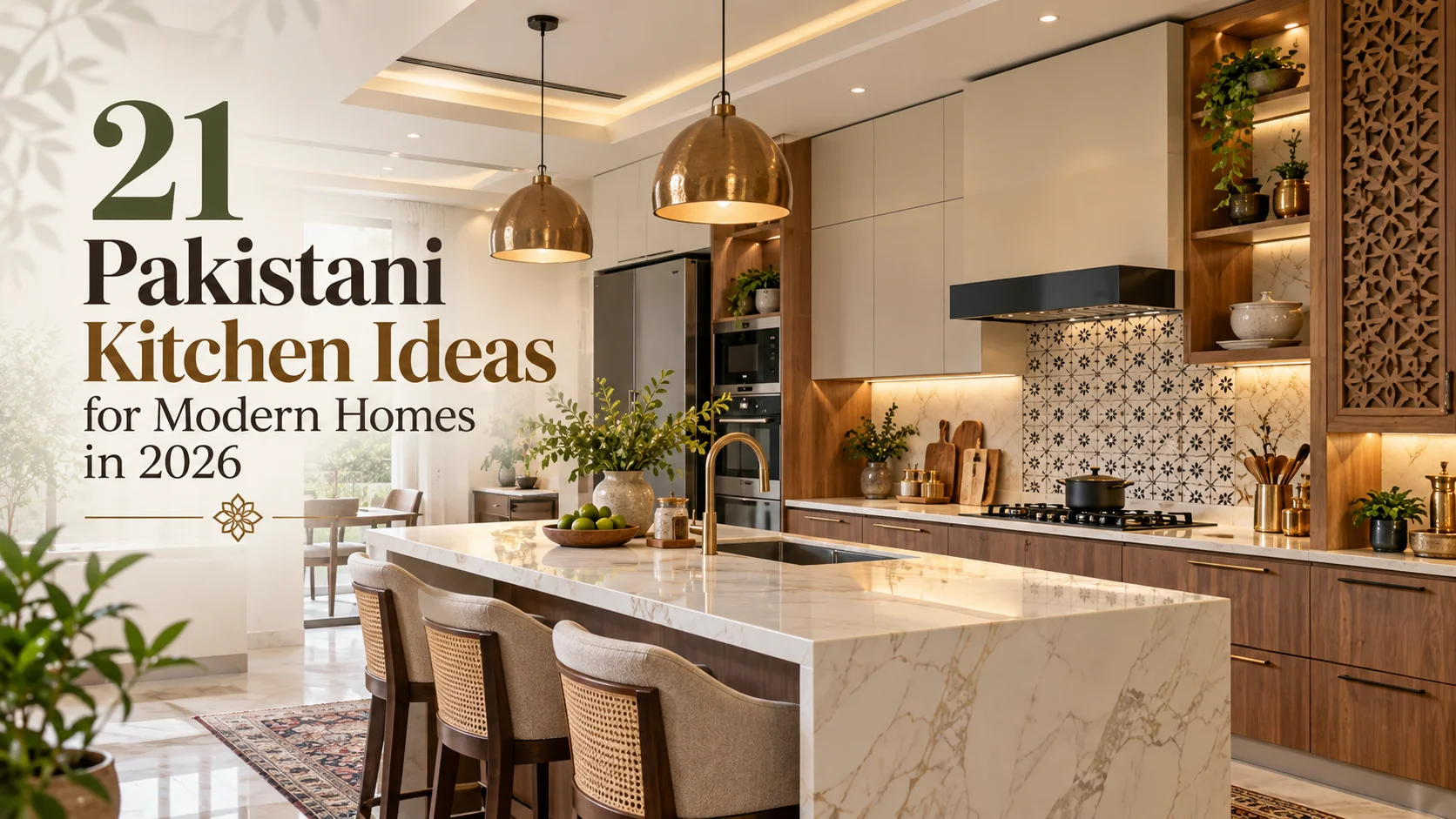
Pakistani kitchen ideas in 2026 focus on modern layouts, smart storage, durable cabinets, neutral colors, wood finishes, marble or quartz countertops, built-in appliances, and space-saving designs. Popular options include modular kitchens, L-shaped and U-shaped layouts, kitchen islands, two-tone cabinets, open shelving, pantry storage, and traditional Pakistani wood details combined with contemporary styling. The right design depends on your kitchen size, cooking needs, storage requirements, and overall home interior.
Pakistan Kitchen Design: Real Household Data for 2026
Kitchen design in Pakistan is closely connected with household cooking fuel, electricity access, household spending, and available living space. Recent Pakistan Bureau of Statistics household data provides useful context for planning practical modern kitchens.
- 47% of Pakistani households reported gas as their cooking fuel, making gas-compatible cooking zones an important consideration in kitchen planning.
- 84% of urban households reported using gas for cooking, making gas-friendly kitchen layouts particularly relevant for modern city homes.
- 96% of households reported access to electricity and/or solar for lighting, highlighting the importance of properly planned electrical points and kitchen lighting.
- The average monthly household income was Rs. 82,179, while average monthly household consumption was Rs. 79,150.
- Furnishing, household equipment, and maintenance represented 3.25% of monthly household consumption, showing that household furniture and equipment form a measurable part of family expenditure.
What This Data Means for Pakistani Kitchens
These figures show why modern kitchen design should focus on functionality as well as appearance. A well-planned Pakistani kitchen should consider the cooking fuel being used, appliance locations, electrical points, lighting, ventilation, storage, and durable materials.
For urban homes, particularly in cities such as Lahore, Karachi, Islamabad, and Rawalpindi, homeowners can benefit from modular cabinetry, organized appliance zones, pantry storage, efficient workspaces, and practical ventilation.
21 Pakistani Kitchen Ideas for Modern Homes
1. Modular Kitchen with Smart Storage
Modular kitchens allow cabinets, drawers, pantry units, and appliance spaces to be planned around the dimensions of the room. Deep drawers can be used for pots and pans, while dedicated organizers can keep spices, utensils, and everyday items accessible.
Best for: Modern homes, apartments, and kitchen renovations.
2. Full-Height Kitchen Cabinets
Full-height cabinets use the vertical space between the countertop and ceiling. The upper sections can store less frequently used cookware, serving dishes, and bulk groceries.
Key benefit: More storage without increasing the kitchen’s floor footprint.
3. L-Shaped Pakistani Kitchen
An L-shaped kitchen uses two adjoining walls and keeps the centre relatively open. This layout can provide separate areas for preparation, cooking, and washing while maintaining comfortable movement.
Best for: Small and medium-sized Pakistani homes.
4. U-Shaped Kitchen Design
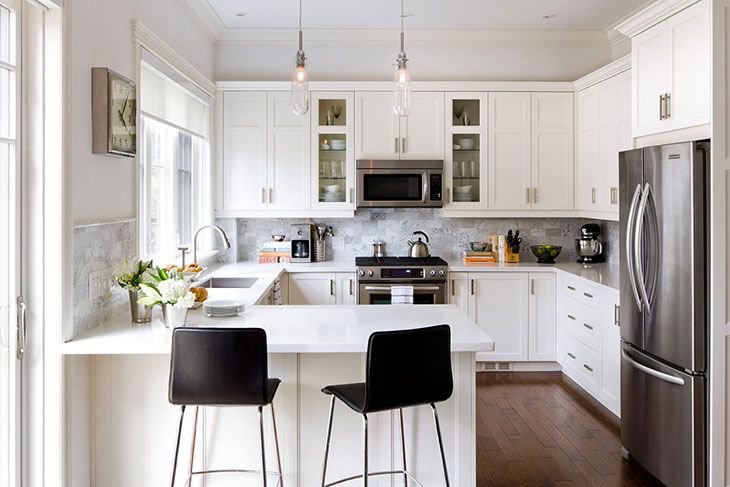
A U-shaped kitchen places cabinets and countertops along three sides of the room. It provides extensive storage and preparation space and can work particularly well for homeowners who regularly cook larger meals.
Key benefit: Maximum use of available wall space.
5. Modern Kitchen Island
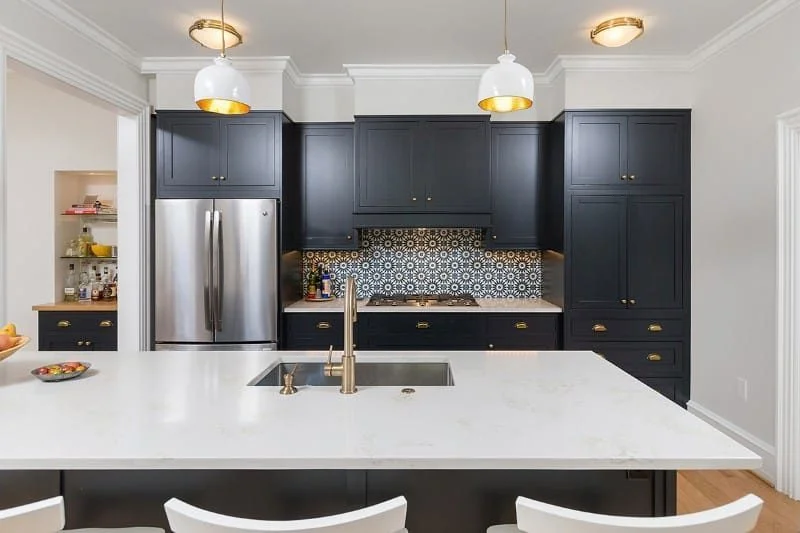
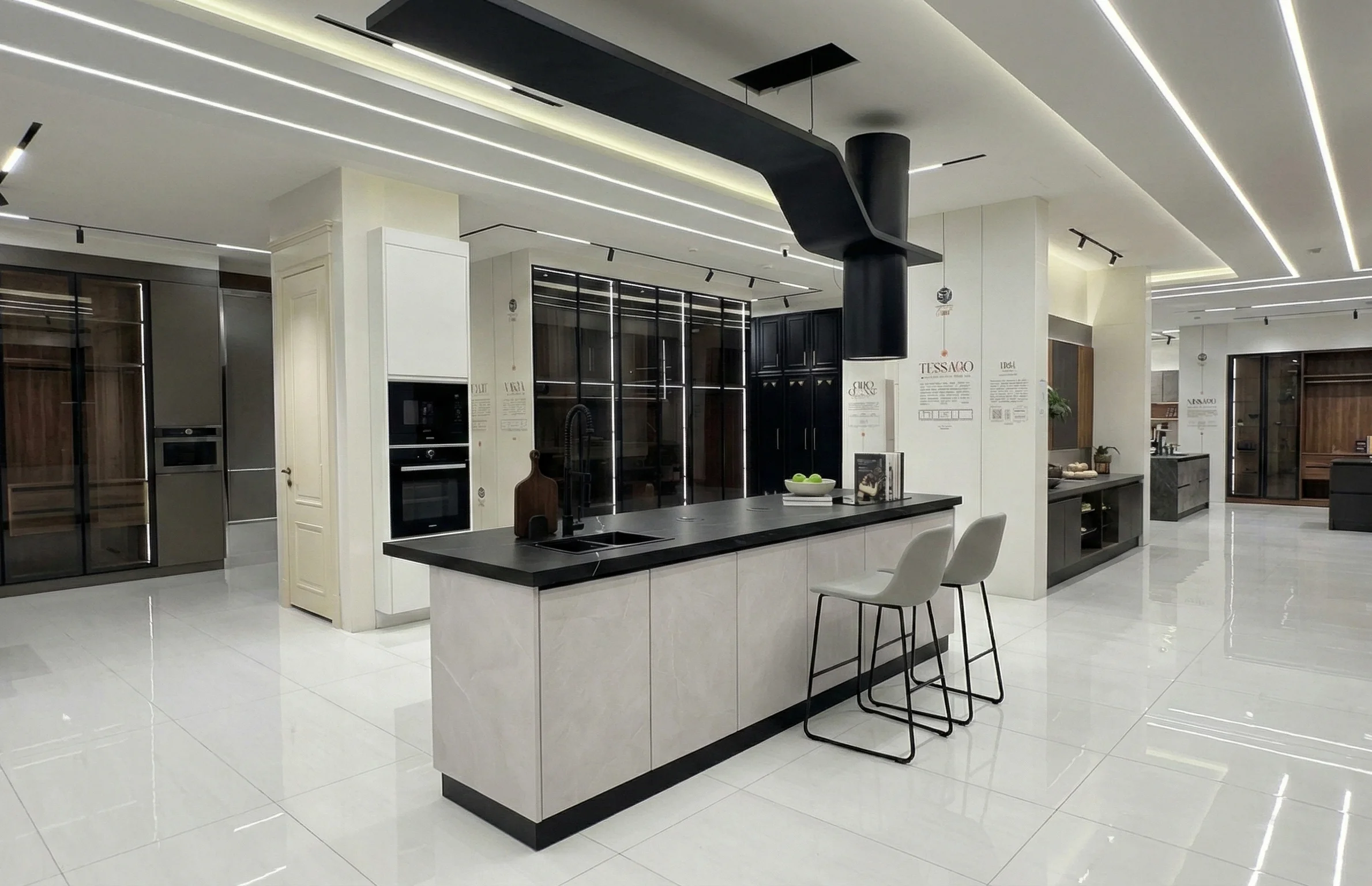
A kitchen island can provide additional countertop space, storage, seating, or a breakfast area. In larger Pakistani homes, it can also become a central family gathering point.
Planning tip: Maintain comfortable walking space around the island before finalizing its size.
6. Two-Tone Kitchen Cabinets
Two-tone cabinetry combines two complementary finishes, such as natural wood with white, cream with walnut, or grey with light wood.
Why it works: It adds visual contrast without requiring complicated decorative elements.
7. Handleless Kitchen Cabinets
Handleless cabinets create clean and continuous lines throughout the kitchen. Integrated handles and push-to-open systems can create a particularly sleek appearance.
Best for: Minimalist and contemporary kitchen interiors.
8. White and Wood Kitchen
White cabinetry creates a bright and open appearance, while wood textures add warmth and character. This combination works especially well in kitchens where homeowners want a balance between modern and natural design.
9. Quartz Countertop Kitchen
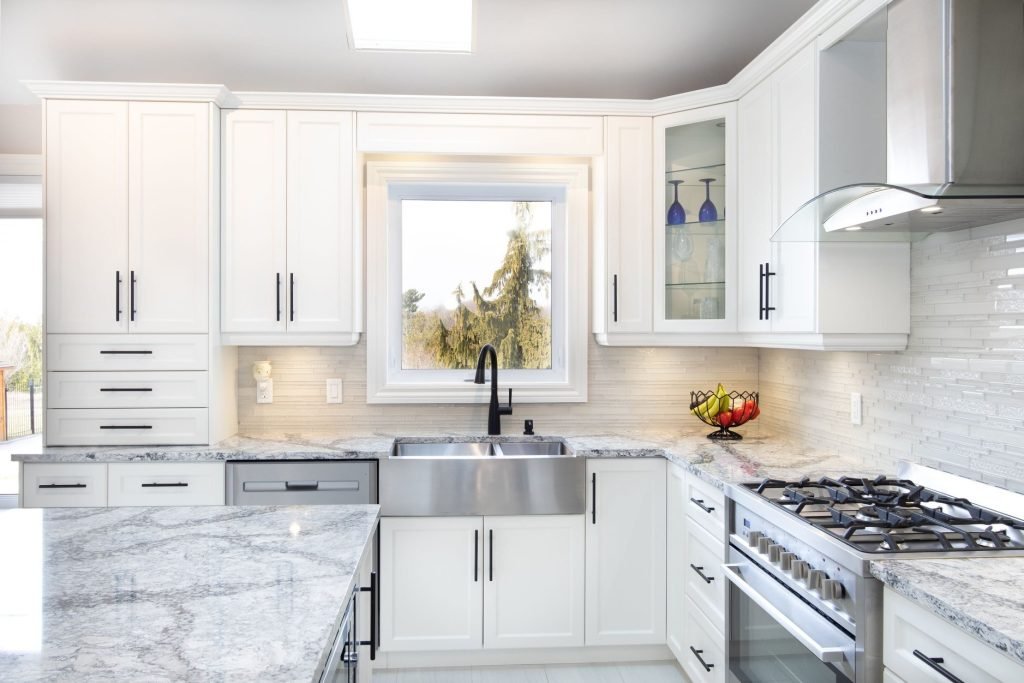
Quartz countertops can provide a clean and contemporary surface that works with many cabinet styles. Neutral quartz finishes can complement both wooden and painted cabinetry.
Consider: Countertop colour, thickness, edge profile, maintenance requirements, and overall kitchen design.
10. Wooden Kitchen Cabinets
Wood and wood-inspired finishes remain versatile choices for Pakistani interiors. Warm walnut, oak-inspired, ashwood, and similar finishes can create a welcoming appearance.
Best for: Traditional-modern and contemporary Pakistani homes.
11. Compact Kitchen for Small Homes
Small kitchens can benefit from vertical cabinets, corner storage, slim pull-out units, built-in appliances, and multifunctional countertops.
Key principle: Make better use of vertical and hidden storage instead of overcrowding the floor area.
12. Parallel Kitchen Layout
A parallel or galley kitchen places cabinets and countertops on two opposite sides. It can make efficient use of a narrow or elongated kitchen.
Best for: Apartments and narrow kitchen spaces.
13. Dedicated Pantry Storage
A pantry cabinet provides a dedicated location for groceries, dry food, bottles, spices, and kitchen supplies.
Key benefit: It reduces clutter inside standard cabinets and keeps frequently purchased items organized.
14. Built-In Appliance Kitchen
Built-in ovens, microwaves, refrigerators, and other appliances can be integrated into the kitchen cabinetry for a coordinated appearance.
Design tip: Finalize appliance dimensions before manufacturing cabinets to avoid installation problems.
15. Minimalist Pakistani Kitchen
A minimalist kitchen uses simple cabinet fronts, neutral colours, limited decoration, and concealed storage.
Best for: Modern homes where homeowners prefer a clean and uncluttered interior.
16. Warm Neutral Kitchen
Beige, cream, taupe, light grey, and natural wood tones can create a warm and timeless kitchen.
These colours can be paired with darker countertops, metallic hardware, or statement lighting to introduce contrast.
17. Glass-Front Kitchen Cabinets
Glass-front cabinets can create a display area for attractive crockery, glassware, or decorative kitchen pieces.
Tip: Use glass doors selectively and keep the majority of everyday storage concealed to maintain a clean appearance.
18. Open Shelving Kitchen
Open shelves provide quick access to frequently used items and can make cabinetry appear visually lighter.
Best approach: Combine open shelving with closed cabinets so that decorative display does not replace practical storage.
19. Modern Kitchen with Better Lighting
A well-designed kitchen should combine general lighting with task lighting and cabinet lighting. Under-cabinet lighting can provide additional illumination over food preparation areas.
With electricity and solar providing lighting access to the overwhelming majority of Pakistani households, lighting should be considered during the initial kitchen planning stage rather than added as an afterthought.
20. Gas-Friendly Cooking Zone
Gas remains an important cooking fuel in Pakistan, particularly in urban households. A modern kitchen should therefore consider the position of the hob, ventilation, countertop preparation area, and nearby storage.
Planning tip: Keep frequently used cooking ingredients and utensils within convenient reach without placing storage directly in unsafe cooking zones.
21. Custom Kitchen Designed for Your Home
A custom kitchen allows cabinet dimensions, appliance locations, storage, finishes, and work zones to be adapted to the actual room.
This is particularly useful when the kitchen has structural columns, windows, unusual corners, limited wall space, or specific appliance requirements.
How to Choose the Right Pakistani Kitchen Design
The right kitchen design depends on the size of the room, cooking habits, storage requirements, budget, appliances, and preferred interior style.
Before selecting cabinets, consider:
- Available wall and floor space
- Refrigerator, hob, oven, and sink positions
- Required countertop area
- Number of cabinets and drawers needed
- Pantry and grocery storage
- Electrical outlets and appliance connections
- Lighting requirements
- Ventilation
- Cabinet material and finish
- Ease of cleaning and maintenance
A beautiful kitchen can still become inconvenient if storage, appliance positioning, and movement are not planned properly.
Best Kitchen Cabinet Materials for Pakistani Homes
Kitchen cabinets can be manufactured using different materials, including MDF, engineered wood, MFC, laminates, and solid wood.
When selecting a material, consider:
- Durability
- Moisture exposure
- Surface finish
- Cleaning requirements
- Hardware quality
- Budget
- Overall interior design
The cabinet material should also complement the countertop, backsplash, flooring, and other furniture in the home.
Modern Pakistani Kitchen Colour Ideas for 2026
Popular colour combinations include:
- White and natural wood
- Beige and walnut
- Cream and light oak
- Grey and white
- Charcoal and wood
- Soft green and cream
- Taupe and warm wood
- Black accents with neutral cabinetry
For smaller kitchens, lighter finishes can help create a more open visual appearance. Larger kitchens can accommodate darker colours and stronger contrasts.
Why Choose Gourmet Furnishers for Your Kitchen?
At Gourmet Furnishers, kitchen furniture is designed with a focus on modern aesthetics, practical storage, quality-focused materials, and the requirements of Pakistani homes.
Custom Kitchen Solutions
Kitchen cabinets can be planned according to the dimensions, layout, appliances, and storage requirements of your space.
Modern Kitchen Designs
From minimalist cabinetry and handleless doors to warm wood finishes and contemporary layouts, Gourmet Furnishers can help create a kitchen suited to your interior style.
Practical Storage Solutions
Drawers, pantry cabinets, tall units, and organized storage areas can help maximize usable space and keep everyday kitchen items accessible.
Space-Focused Planning
Whether you have a compact kitchen, L-shaped layout, U-shaped design, parallel kitchen, or a larger kitchen with an island, the furniture can be planned around the available space.
Quality-Focused Craftsmanship
Kitchen furniture experiences frequent daily use, making proper construction, finishing, hardware, and material selection important considerations.
Designed for Pakistani Homes
Gourmet Furnishers combines contemporary kitchen design with practical considerations such as storage, cooking zones, appliances, available space, and everyday household use.
Final Thoughts
The best Pakistani kitchen ideas for 2026 combine contemporary design with practical everyday functionality. From modular cabinets and smart storage to kitchen islands, wooden finishes, compact layouts, and custom cabinetry, there are many ways to create a kitchen that suits a modern Pakistani home. Instead of choosing a kitchen only for its appearance, consider how the layout will support cooking, cleaning, storage, appliances, lighting, and everyday movement.
With a well-planned design and suitable materials, Gourmet Furnishers can help create a modern kitchen that is both visually appealing and practical for everyday Pakistani living.
FAQs
What are the best Pakistani kitchen ideas for 2026?
Popular Pakistani kitchen ideas for 2026 include modular cabinets, smart storage, two-tone cabinetry, handleless designs, kitchen islands, quartz countertops, wooden finishes, pantry units, and space-saving layouts.
What percentage of Pakistani households use gas for cooking?
According to recent Pakistan Bureau of Statistics household data, 47% of Pakistani households reported gas as their cooking fuel, while the reported share among urban households was 84%.
Which kitchen layout is best for a small Pakistani home?
L-shaped, single-wall, and parallel kitchen layouts can work well in smaller homes because they provide useful storage and workspace without requiring a large central area.
Are full-height kitchen cabinets a good idea?
Yes. Full-height cabinets make use of vertical space and provide additional storage for cookware, groceries, serving dishes, and less frequently used kitchen items.
How can I make a modern Pakistani kitchen more functional?
Start by planning the sink, hob, refrigerator, oven, and main work areas. Then organize cabinets and drawers around these zones while providing sufficient countertop space, storage, lighting, ventilation, and electrical points.