Chat on WhatsApp

Tag: kitchen storage solutions

  • Modern Kitchen Furniture in Pakistan: Complete Buyer’s Guide 2026

    Modern Kitchen Furniture in Pakistan: Complete Buyer’s Guide 2026

    Modern kitchen furniture in Pakistan combines functionality, style, and smart storage solutions to create comfortable and attractive cooking spaces. When choosing kitchen furniture, buyers should consider factors such as kitchen size, layout, material quality, durability, maintenance, and budget. Popular options include modular kitchens, custom-made cabinets, wooden finishes, laminates, and modern storage systems that maximize space. High-quality kitchen furniture should be resistant to moisture, heat, and daily wear, especially in Pakistan’s climate. A well-designed modern kitchen not only improves organization and efficiency but also adds value and elegance to your home. Choosing a trusted furniture brand like Gourmet Furnishers can help ensure premium designs, quality craftsmanship, and long-lasting kitchen solutions.

    Why Pakistani kitchens are shifting to a modern aesthetic
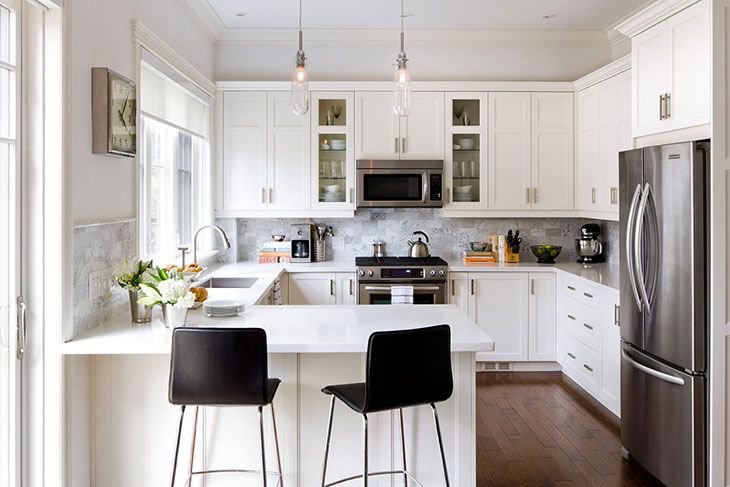
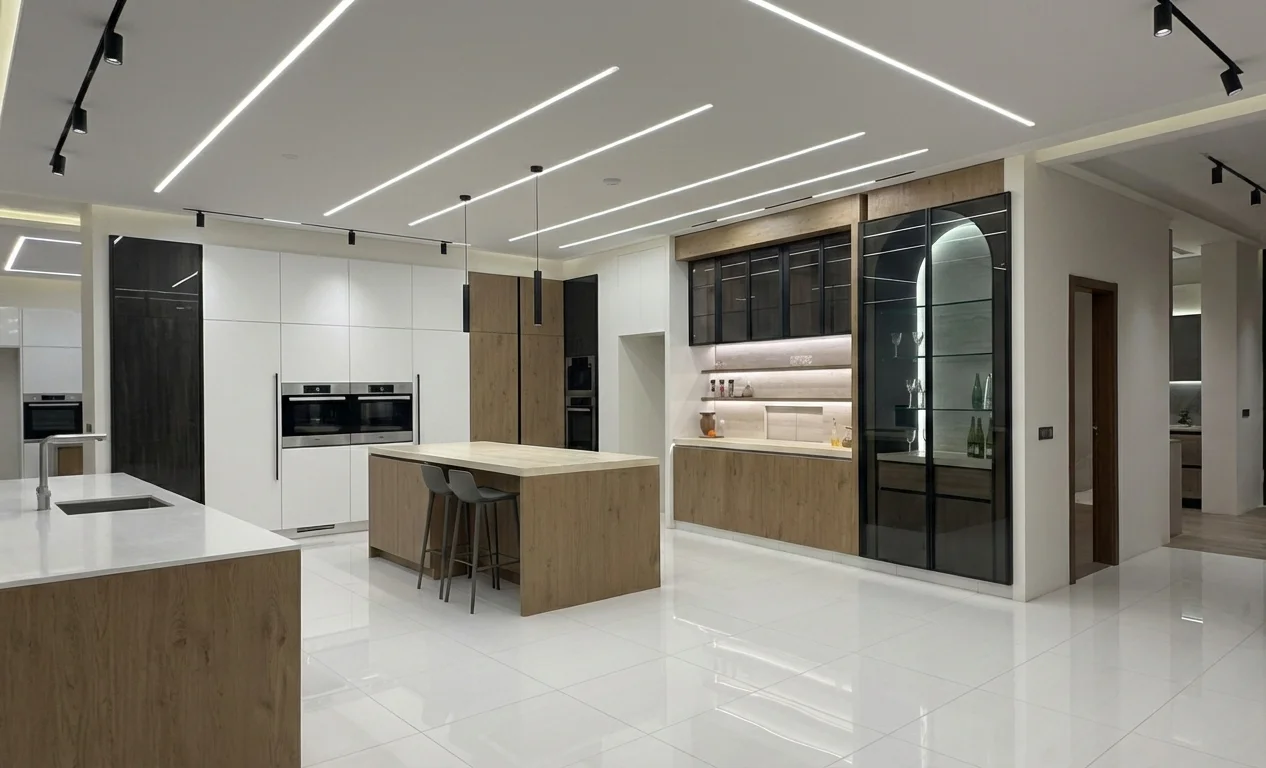
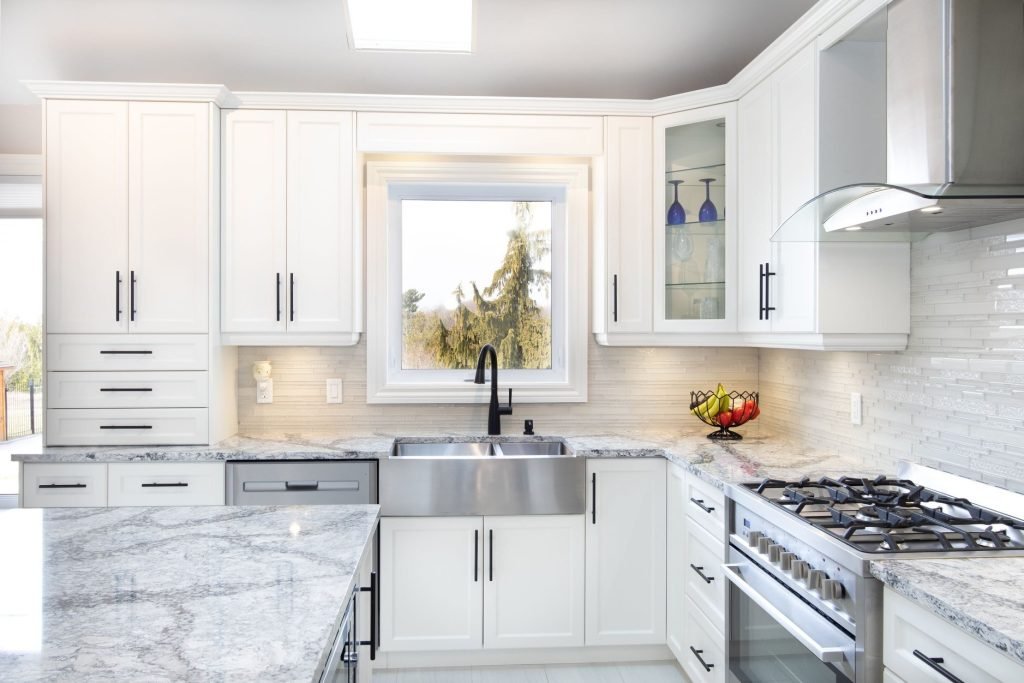
    Modern kitchen furniture

    The change is partly cultural and partly architectural. Homeowners in Lahore, Karachi and Islamabad are increasingly treating the kitchen as a designed, visible space rather than a purely functional one. Social media exposure to international kitchen design has accelerated this appetite considerably: what was once an aspirational reference point is now a practical expectation for new homes in Pakistani housing societies.

    Open-plan builds are doing a lot of the heavy lifting here. When your modular kitchen faces the dining table, poorly finished cabinets or mismatched hardware read immediately. Buyers in newer housing society builds expect the kitchen to arrive with the same level of finish as the rest of the house, and that expectation has pushed local furniture manufacturers to develop structured product lines with clear material and finish options. The era of entirely ad-hoc carpenter solutions is fading, and understanding your choices as a buyer matters more now than it ever has.

    Materials that shape modern kitchen furniture in Pakistan

    Most modern kitchen cabinets in Pakistan use a combination of marine plywood for the carcass (the structural body) and MDF for the doors and shutters. MDF, known locally as “Lassani board,” creates a smooth, compressed surface that takes lacquer, laminate and acrylic finishes cleanly. Marine-grade or boiling-water-resistant (BWR) plywood handles moisture better, holds screws more reliably and resists warping in humid conditions. For most Pakistani kitchens, this combination is the right starting point.

    Acrylic, lacquered MDF and glass-fronted options

    Acrylic is frequently described as a material in its own right, but it is actually a high-gloss finish applied over MDF rather than a structural component. It delivers the sleek, reflective look popular in contemporary kitchens and performs well against scratches when edge-banded with ABS. Lacquered MDF offers a slightly softer sheen and a broader colour palette, though it requires more careful handling and is more vulnerable to yellowing over time, particularly with direct sunlight exposure. Aluminium-framed cabinets fitted with tempered glass panels are a growing choice for fully moisture-resistant, modern kitchens and work especially well in Karachi, where humidity is a persistent concern.

    Solid wood and what to avoid

    Solid wood (oak, walnut, sheesham) is rarely used across entire kitchen cabinet sets in Pakistan due to cost and the risk of expansion in humid conditions. It works beautifully as an accent: a solid wood kitchen island, open shelving or a statement countertop edge. Premium manufacturers use solid wood selectively, prioritising it where visual impact and durability intersect rather than specifying it across every surface. Particle board, meanwhile, is the cheapest structural option but swells easily near sinks and is becoming obsolete in any kitchen intended to last.

    Cabinet styles and finishes trending in Pakistani homes

    Handleless kitchens are increasingly popular in urban Pakistan and are among the most commonly requested styles. Push-to-open mechanisms or integrated recessed rails keep surfaces clean and uncluttered, which suits smaller kitchens particularly well. Paired with a high-gloss acrylic finish in white, graphite or deep navy, the result reads as unmistakably contemporary. The practical caveat: darker finishes show fingerprints clearly, so your finish choice should account for how the kitchen is actually used day to day.

    Two-tone kitchens are gaining real traction in Pakistani interior design. The typical configuration pairs lighter upper cabinets with darker lower units, often in matte finishes of sage, warm grey, mushroom or even aubergine. Unlike high-gloss finishes, matte surfaces reduce glare and do not show reflections, a genuine advantage in Pakistani kitchens with strong natural light, where gloss can create distracting hotspots. Matte finishes in warmer neutrals also perform better under low-light conditions, a practical consideration given the reality of load-shedding in many cities. This approach lets homeowners personalise a kitchen without committing to a single dramatic colour throughout the entire space.

    Tempered glass inserts in upper cabinet doors soften an otherwise all-panel kitchen and create visual breathing room. Open shelving in a floating style adds warmth when styled with ceramics, plants or glassware, but it requires a certain level of organisation to look good consistently. In kitchens where cooking is heavy, open shelves also accumulate grease faster than closed cabinets, so factor your cooking habits into the decision before committing to them as a primary storage solution.

    Making storage work without sacrificing style

    A functional modern kitchen starts with zoning before it starts with aesthetics. The four zones to plan are: prep, cooking, cleaning and pantry. Each has different cabinet requirements. Upper cabinets handle dry goods and occasional-use items, while lower cabinets and deep drawers should prioritise daily-access items like pots, pans and dinnerware. A well-zoned layout reduces unnecessary steps between tasks and produces a kitchen that genuinely works rather than simply photographs well.

    Hardware is where the difference between a frustrating kitchen and an intuitive one becomes apparent. Soft-close hinges, pull-out pantry racks, corner carousel units and spice pull-outs are the details that earn their price over years of daily use. Quality branded hardware adds PKR 2,500 to 4,000 per hinge set but delivers a noticeably better daily experience. Full pantry pull-outs run PKR 10,000 to 20,000 per unit, but for a kitchen used seriously, they reclaim corner and tall-unit space that would otherwise go underused. Over five years of daily use, the cost per use of quality hardware becomes negligible, it is a practical outlay, not an optional luxury.

    Standard cabinet dimensions in Pakistan follow international norms: base cabinets sit at 34.5 inches high without the countertop (36 inches including a standard top), 24 inches deep and between 9 and 48 inches wide in modular increments. Upper cabinets typically mount 18 to 20 inches above the countertop and run 12 inches deep. Tall pantry units extend from 84 to 96 inches high. Knowing these figures before you speak to a supplier means you can verify that quotes cover your full wall runs and do not leave awkward gaps.

    What modern kitchen furniture costs in Pakistan
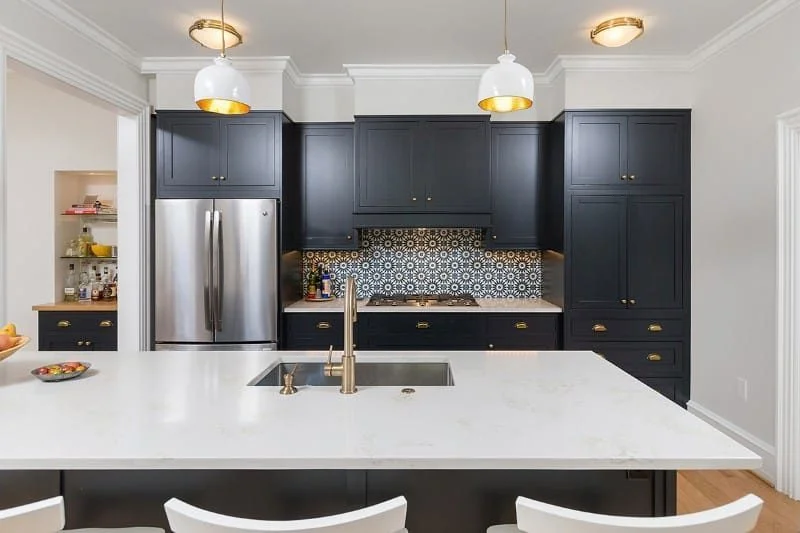
    Modern kitchen furniture

    Economy kitchen furniture in Pakistan runs from PKR 25,000 to 45,000 per linear foot, using standard laminate shutters, particle board or MDF carcasses and basic hardware without soft-close mechanisms. A full 8 to 10-foot kitchen at this grade typically costs between PKR 300,000 and 500,000. The finish is functional, but the limitations in material quality become apparent within a few years of regular use.

    Mid-range kitchens, using BWR plywood carcasses, acrylic or PVC fronts and soft-close hardware, run PKR 50,000 to 85,000 per linear foot. Full project costs at this grade fall between PKR 600,000 and 900,000. Premium kitchens with lacquered MDF or solid wood accents, quartz countertops and quality branded hardware start at PKR 100,000 per linear foot, with total project costs frequently reaching PKR 1.7 million and above.

    Cabinet pricing in Pakistan almost always excludes countertops, installation labour and hardware upgrades. Installation labour typically adds PKR 50,000 to 200,000 to a project. Upgrading to quartz or granite countertops can shift a mid-range project into the premium bracket by adding PKR 300,000 to 600,000. Pull-outs and lift-up mechanisms add approximately 10 to 25 percent to the base cabinet cost.

    Always ask for a fully itemised quote that separates carcass, shutters, countertop, hardware and labour from the outset. Bundled quotes make it impossible to compare suppliers fairly or identify where costs are inflated, a common issue in the Pakistani market, where total project pricing frequently bundles items that vary significantly between suppliers.

    Custom versus ready-made modern kitchen furniture: how to decide

    Ready-made and semi-custom cabinets suit standard kitchen layouts with predictable dimensions and buyers working within a tighter budget. They are typically 30 to 50 percent cheaper than fully bespoke kitchens and can be sourced and installed faster, sometimes within one to two weeks. The trade-off is limited finish choice, fixed sizes and lower-grade materials. For a rental property, a secondary kitchen or a temporary fit-out, ready-made is a sensible call.

    For a home you intend to live in for years, the limitations of ready-made become more obvious over time. Non-standard kitchen dimensions, unusual ceiling heights and personal finish preferences all push a buyer towards custom. A kitchen fitted to the exact dimensions of your space, in the material and finish you have chosen, with hardware selected for your household’s actual habits, will outperform a ready-made unit on every practical measure over a ten-year horizon.

    That specificity of fit is exactly what separates a well-chosen manufacturer from a catalogue supplier, and it is where Gourmet Furnishers offer something genuinely different. Their kitchen furniture is designed and built in-house using premium materials, including lacquered MDF, tempered glass and solid wood accents. Buyers can also visit the Lahore facility before delivery to inspect craftsmanship and materials firsthand, a level of transparency that is rare among kitchen furniture stores in Pakistan. When you are committing a significant sum to a space you use every day, seeing the build quality before it arrives in your home removes much of the uncertainty that makes custom furniture feel like a risk.

    Plan your kitchen with the right information behind you

    The core decisions now sit clearly in front of you: layout configuration, material grade, cabinet finish, storage zoning, budget tier and whether custom or ready-made suits your situation. Modern kitchen furniture in Pakistan is no longer a one-size-fits-all market. Genuine choices exist at every price point, from small kitchen designs in Pakistan’s compact urban apartments to fully fitted premium kitchens in larger homes, and knowing what to ask for is half the work of getting it right.

    Measure your kitchen accurately, including ceiling heights, window positions and any fixed services like gas points or drainage. Shortlist two or three suppliers, request fully itemised quotes and ask specifically about carcass material, shutter finish, hardware brand and countertop options. Where possible, visit a showroom or factory before committing. A kitchen that works well, holds up over years of daily use and looks considered is entirely within reach when you go into the process informed.

    FAQs

    What is the best material for modern kitchen furniture in Pakistan?

    The best materials for modern kitchen furniture in Pakistan include high-quality wood, MDF, plywood, and moisture-resistant laminates. The right choice depends on your budget, kitchen usage, and desired design style.

    How much does modern kitchen furniture cost in Pakistan?

    The cost of modern kitchen furniture in Pakistan varies based on kitchen size, materials, design complexity, and customization. Modular and premium-quality kitchens usually cost more due to better finishes and durability.

    What are the latest modern kitchen furniture trends in Pakistan?

    Popular trends include minimalist cabinet designs, handleless kitchens, smart storage solutions, matte finishes, island counters, built-in appliances, and a combination of wood and modern textures.

    How can I choose the right kitchen furniture for my home?

    Consider your kitchen layout, available space, storage requirements, material durability, maintenance needs, and overall home interior style before selecting kitchen furniture.

    Why should I choose custom kitchen furniture in Pakistan?

    Custom kitchen furniture allows you to create designs that match your exact space, lifestyle, and storage needs while providing a personalized look and better use of available space.
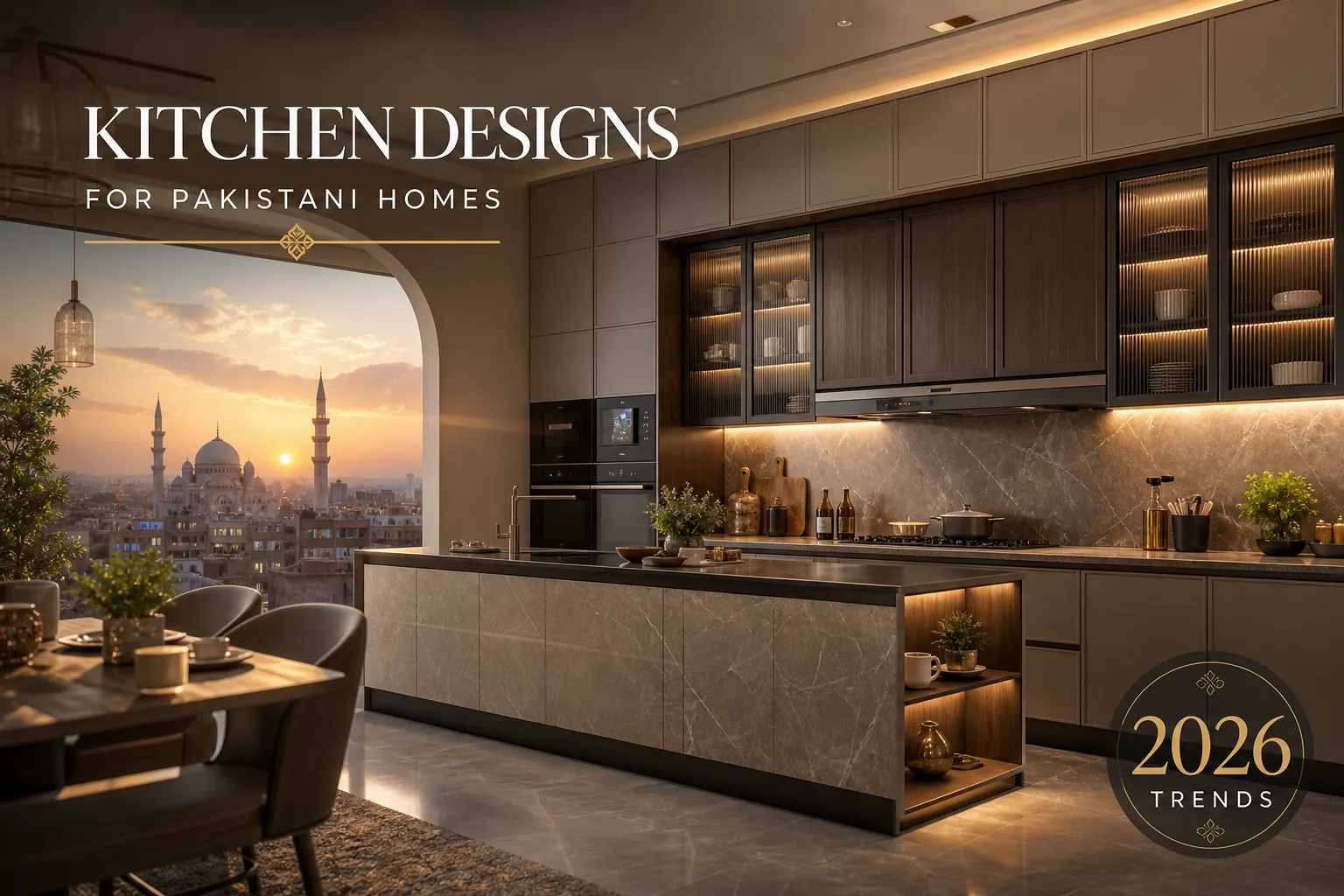
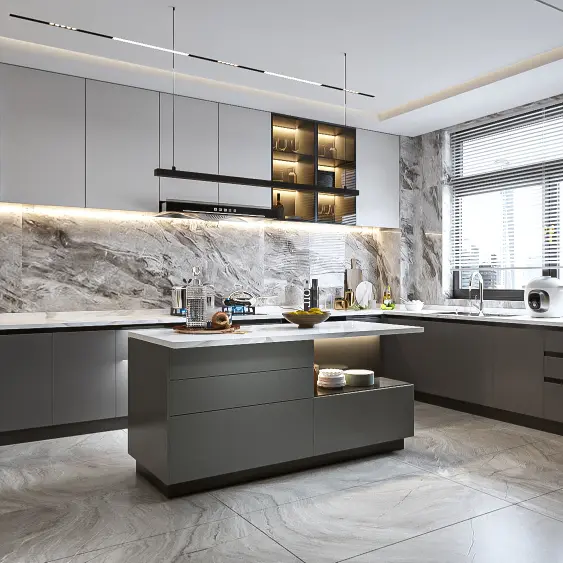
  • Best Kitchen Cabinet Designs for Pakistani Homes 2026

    Best Kitchen Cabinet Designs for Pakistani Homes 2026

    The best kitchen cabinet designs for Pakistani homes in 2026 combine modern aesthetics with practical storage solutions. Homeowners are choosing modular kitchen cabinets with soft-close drawers, handleless finishes, matte and high-gloss laminates, and durable materials like MDF, plywood, and solid wood. Popular color combinations include white and wood, grey, black, and earthy tones that complement contemporary interiors. Smart storage features such as pull-out pantry units, corner organizers, and overhead cabinets help maximize space, making these designs ideal for both small and large kitchens. Selecting high-quality, moisture-resistant cabinets ensures long-lasting performance while enhancing the overall style and functionality of the kitchen.

    Why Pakistani kitchens demand a different approach to cabinet design

    Best Kitchen Cabinet Designs for Pakistani Homes 2026

    Before you shortlist any cabinet style, it helps to understand the specific demands that make kitchen design in Pakistan distinct. Much online kitchen advice targets Western markets with different cooking habits, so be cautious when applying it directly to a Pakistani home.

    Heavy, daily cooking changes everything about cabinet planning

    High-heat stovetops, constant steam from daigs and pressure cookers, oil splatter zones, and collections of 30 or more loose spices are the reality in most Pakistani households. These factors directly affect which materials survive long-term and which layouts make daily cooking manageable rather than frustrating. Ornate carved door profiles, for instance, look handsome in a showroom but tend to trap grease more quickly and require far more frequent cleaning than flat surfaces. Smooth, flat doors are simply easier to maintain in a kitchen that sees heavy activity every day.

    Open-plan kitchens in DHA and Bahria Town have changed the design brief

    New construction in Lahore’s housing societies has largely shifted to open-plan kitchen and dining arrangements. This changes what your cabinets need to do: they now face the living area, which means the aesthetic finish matters as much as the functional layout. Upper cabinets need to feel lighter and less imposing in these spaces. Handle-less and shaker-style designs have grown increasingly popular in new homes across Lahore and Islamabad partly for this reason, they sit comfortably in open-plan settings without dominating the room.

    Most urban Pakistani kitchens are between 8 and 12 feet

    In many urban areas, villa-sized kitchens are less common than apartment-sized ones. The majority of practical cabinet decisions in this guide are calibrated for kitchens in the 8, 12 foot range, common in apartments and mid-range houses across every major city. Everything from layout choice to hardware selection should start with your actual floor plan, not an aspirational one.

    What are the best kitchen cabinet designs for Pakistani homes, layouts and configurations

    Best Kitchen Cabinet Designs for Pakistani Homes 2026

    Your cabinet layout is the structural frame that every other decision sits within. Get this right first and the rest of the design falls into place far more easily. The sections below cover the three configurations that suit Pakistani kitchen shapes most reliably.

    L-shaped kitchens: the most versatile choice for most homes

    The L-shaped layout dominates Pakistani kitchen design for good reason. It works across a wide range of room sizes, keeps the cooking triangle compact between the hob, sink, and refrigerator, and uses corner space efficiently when fitted with smart corner cabinet solutions like magic corners or carousel units. A 10, 12 foot run is typical, and this layout handles the multi-task cooking that Pakistani households require without cramping the cook into a single corridor.

    Parallel or galley layouts for narrow spaces

    When a kitchen is long and narrow, roughly 6, 7 feet wide, a galley layout makes more practical sense than forcing an L-shape into the space. Two parallel counter runs keep the workflow one-directional and prevent household traffic from cutting through the cooking zone, which matters when cooking is a multi-person activity. A minimum aisle width of 900, 1,000 mm is essential for comfort; anything narrower creates a bottleneck the moment two people are in the kitchen at the same time.

    Open-plan and island configurations for larger homes

    Island kitchens are increasingly popular in villa-style homes in Bahria Town and DHA, and they earn their footprint when designed well. An island adds prep space, a casual dining surface, and a social connection between the kitchen and living area. The practical rule is a minimum clearance of 900, 1,000 mm on all sides. Built-in kitchen storage within the island itself, including deep drawers for pots and pull-outs for dry goods, dramatically improves workflow and justifies the space the island occupies.

    Cabinet design styles worth shortlisting for your kitchen

    Design trends come and go, but the styles below have earned their place in Pakistani kitchens because they balance appearance with the maintenance realities of heavy daily cooking.

    Shaker-style cabinets: timeless, forgiving, and widely available

    The shaker profile features a flat recessed centre panel within a simple rail frame. It has become one of the most popular cabinetry styles across Pakistani homes because it suits both modern and traditional interiors, the flat panel surface is straightforward to clean, and it is widely produced by local manufacturers. It works equally well in painted finishes and in wood-look laminates, which gives you genuine flexibility depending on your interior’s overall direction.

    Handle-less (push-to-open) cabinets for a clean, modern look

    Push-to-opencabinets eliminate the handle entirely. A light press on the door face releases the catch. In a Pakistani kitchen, the practical advantage is significant: no handles to collect grease, no protruding hardware to catch clothing, and a seamless surface that suits the open-plan layouts now standard in newer homes. This design works particularly well with high-gloss acrylic or PVC finishes. One honest trade-off: the mechanism requires precise installation alignment, and cheap hardware fails within two to three years of daily use. If you choose this style, the quality of the push-to-open mechanism matters as much as the cabinet itself.

    Mica kitchen cabinets, a practical mid-range option

    Mica kitchen cabinets remain a staple of the mid-range market in Pakistan. The mica laminate sheet is bonded over an MDF or plywood carcass, producing a hard, wipe-clean surface at a considerably lower cost than acrylic or PVC. Colour and pattern options have improved markedly, and modern mica sheets resist peeling better than older formulations. For homeowners who want a clean, low-maintenance finish without moving into the upper-mid price bracket, mica is a sensible, well-tested choice.

    Built-in spice storage and tall pantry units: a Pakistani essential

    Spicestorage deserves its own design conversation in any Pakistani kitchen. Slim pull-out units, 150, 300 mm wide, positioned directly next to the hob provide one-step access to oils and daily spices. Tall pantry cabinets, 84, 96 inches in height, handle dry goods and bulk storage without consuming counter space.

    Toe-kick drawers beneath base cabinets use otherwise wasted space for baking sheets and flat trays. These are not optional extras; they are the difference between a kitchen that works and one that deposits everything onto the countertop by default.

    Small kitchen cabinet ideas for apartments

    Compact kitchens in apartments and smaller houses call for specific thinking. Full-height wall cabinets maximise vertical storage where floor space is limited. Shallow upper cabinets, 250,300mmdeep rather than the standard 300, 350 mm, prevent the kitchen from feeling enclosed. Pull-out larder units, corner carousel fittings, and integrated toe-kick drawers recover space that open-shelf arrangements waste. If your kitchen sits under 8 feet on its longest wall, prioritise built-in storage density over decorative features.

    Best cabinet materials for Pakistani homes in 2026

    The material your cabinets are built from affects how long they last, how much maintenance they require, and whether they survive the specific climate conditions of your city. Here is an honest breakdown.

    MDF and plywood: the two materials running most Pakistani kitchens

    MDF, locally known as Lassani, dominates the budget-to-mid range because it takes finishes beautifully, is widely available, and costs considerably less than plywood. Its key limitation is moisture sensitivity: unsealed MDF will swell and deform in a steam-heavy kitchen or a humidclimate. Plywood, particularly BWR (Boiler Water Resistant) or marine grade, offers stronger structural performance and handles moisture far better, making it the preferred choice for cabinet carcasses in Karachi and other high-humidity environments. This combination gives you structural durability in the carcass alongside a high-quality, easy-clean finish on the door surface.

    PVC and acrylic finishes: the moisture-resistant upgrade

    PVC and acrylic are finishing materials applied over a plywood or MDF carcass, not full cabinet body materials. They resist steam, cooking oils, and frequent cleaning without peeling or warping, which is why they are worth the additional cost in a kitchen that sees heavy daily use. As of 2026, acrylic high-gloss has become the premium finish of choice across Pakistan’s modular kitchen market, particularly for handle-less designs where the surface becomes the focal point of the aesthetic. If your budget allows for one upgrade, switching from standard laminate to acrylic or PVC on the door fronts is where it makes the most tangible difference.

    When aluminium or stainless steel makes sense

    Aluminium and stainless steel kitchen cabinets are not the right choice for most residential Pakistani kitchens. They are hygienic and highly durable, but expensive, limited in design options, and visually cold in a domestic setting. The exception is homes in coastal cities like Karachi where persistent humidity causes accelerated moisture damage to wood-based materials, or for specific components such as under-sink cabinets where water contact is frequent. For general residential use, the better strategy is marine-grade plywood carcasses with PVC or acrylic finishes, which achieve comparable moisture resistance with far greater design flexibility.

    What a kitchen cabinet project actually costs in Pakistan (2026)

    Prices vary considerably depending on finish, hardware quality, and who you commission. The figures below reflect current market rates across Lahore and other major cities and will help you have an informed conversation with any supplier or carpenter. Note that the ranges below cover cabinetry and hardware only; countertops and appliances are excluded unless stated.

    Price ranges by tier

    • Entry (basic laminate, standard hardware, 7, 9 ft run):

    PKR 300,000, 450,000

    • Mid-range (laminate or wood-look, soft-close hinges, 10, 12 ft):

    PKR 450,000, 700,000

    • Upper mid (quartz countertops, branded hardware, 12 ft):

    PKR 1,000,000, 1,600,000

    • Premium (acrylic or lacquer fronts, pull-outs, built-in oven, quartz):

    PKR 1,700,000, 2,500,000+

    A typical 10, 12 foot L-shaped kitchen with mid-range laminate finishes and soft-close hardware generally lands between PKR 600,000 and 1,000,000, excluding appliances. That is the realistic budget for a well-made, durable kitchen built to last in a Pakistani household, though actual longevity will depend on material quality and how well it is installed and maintained.

    What drives the price up and what you can control

    The biggest cost variables are cabinet finish (moving from laminate to acrylic adds significant cost), hardware quality (soft-close mechanisms and pull-out organisers carry a premium), countertop material, and installation complexity. Always request an itemised quote that separates the carcass, door fronts, hardware, countertop, and installation. A per-square-foot rate is the clearest basis for comparing suppliers fairly, and it prevents hidden costs from appearing once the project is underway.

    How to commission kitchen cabinets that fit your home exactly

    Choosing a design and material is only part of the process. Who builds your kitchen cabinets, and how they approach the brief, determines whether the final result actually works in your space.

    Why standard modular sizes rarely fit Pakistani kitchens perfectly

    Off-the-shelf modular cabinet units are designed around Western standard dimensions, fixed modular increments calibrated for European kitchens. Pakistani kitchens frequently have irregular wall angles, existing structural elements, or non-standard room widths that create awkward gaps when standard units are installed. A bespoke approach, where cabinets are designed and manufactured to the exact dimensions of your kitchen, eliminates filler panels, wasted corners, and height mismatches that make a kitchen feel cobbled together rather than purposefully designed.

    What to look for in a kitchen cabinet manufacturer in Pakistan

    A reliable manufacturer visits the site before quoting rather than working from approximate measurements. They build both the carcass and door fronts in-house rather than outsourcing critical components to unverified third parties. They can show you completed projects from previous clients, and they provide a clear warranty covering both structural integrity and hardware performance. Manufacturers who offer a factory visit, so you can inspect cabinet construction and materials before anything is delivered, provide a level of transparency that many local suppliers do not.

    Gourmet Furnishers: bespoke kitchen cabinetry built around Pakistani dimensions and cooking habits

    Gourmet Furnishers custom-builds kitchen cabinets to the exact measurements and storage requirements of each home. According to the company, the process starts with your kitchen’s actual dimensions and your household’s cooking habits, then designs the cabinetry around those specific requirements. The result is a kitchen where the spice pull-outs sit beside the hob, the pantry cabinet reaches the ceiling, and the corner units do not waste a single cubic foot. Gourmet Furnishers offers factory visits at their Lahore facility so customers can inspect cabinet construction and materials before delivery, and cabinetry is backed by a warranty covering craftsmanship and structural integrity.

    Consultations are available via WhatsApp. It is a straightforward entry point for homeowners across Lahore and beyond who want a kitchen built precisely for them rather than adapted from a generic template.

    What are the best kitchen cabinet designs for Pakistani homes, a final checklist

    The best kitchen cabinet designs for Pakistani homes are not necessarily the most expensive options or the trendiest finishes on social media. They are the designs that fit your kitchen’s actual dimensions, handle the demands of Pakistani cooking without deteriorating within a few years, and use materials suited to your city’s climate conditions.

    Start with layout: L-shaped works for most kitchens in the 8, 12 foot range. Choose a design style that suits maintenance realities, shaker or handle-less, both of which clean easily and hold up under daily use. Select materials based on your budget and location: plywood carcasses with PVC or acrylic finishes offer the strongest combination of durability and finish quality for most Pakistani homes. Then commission from a manufacturer who builds specifically for your space rather than installing standard units and filling the gaps.

    If you are ready to take the next step, get in touch with Gourmet Furnishers via WhatsApp to schedule a kitchen consultation. Bring your floor plan, your wishlist, and your questions. A kitchen designed around how your household actually cooks is the one upgrade that genuinely changes daily life.

    FAQs

    What is the most popular kitchen cabinet style in Pakistan in 2026?

    Modern modular kitchen cabinets with clean lines, matte finishes, and smart storage features are the most popular choice.

    Which material is best for kitchen cabinets in Pakistan?

    Moisture-resistant MDF, plywood, and solid wood are commonly used because they offer durability, strength, and a premium appearance.

    Are modular kitchen cabinets suitable for small kitchens?

    Yes, modular cabinets are designed to maximize storage and make efficient use of limited kitchen space.

    What cabinet colors are trending in 2026?

    White, grey, black, natural wood finishes, and two-tone combinations are among the top kitchen cabinet color trends.

    How can I make my kitchen cabinets last longer?

    Choose high-quality materials, use moisture-resistant finishes, clean cabinets regularly, and avoid prolonged exposure to water and excessive heat.