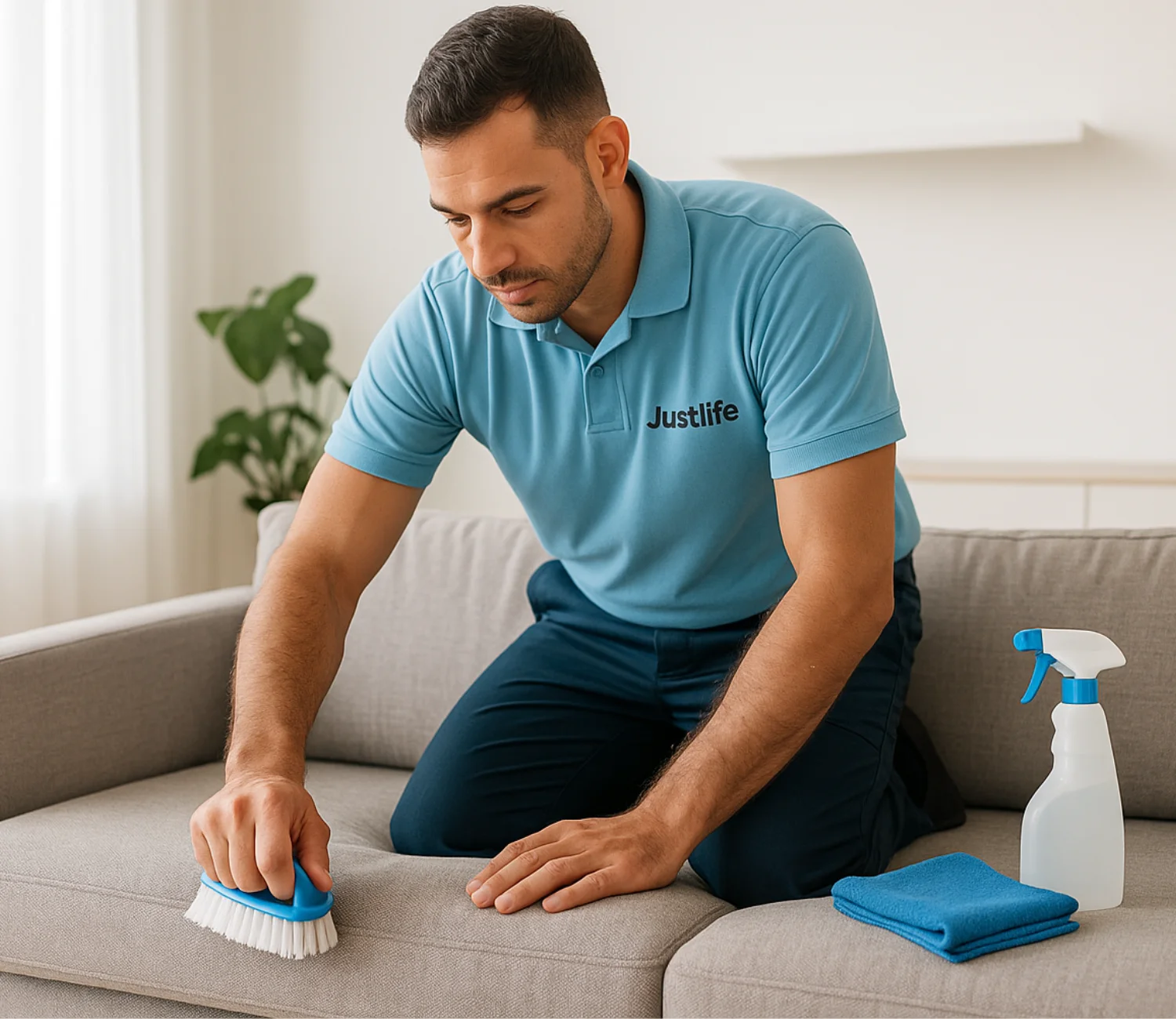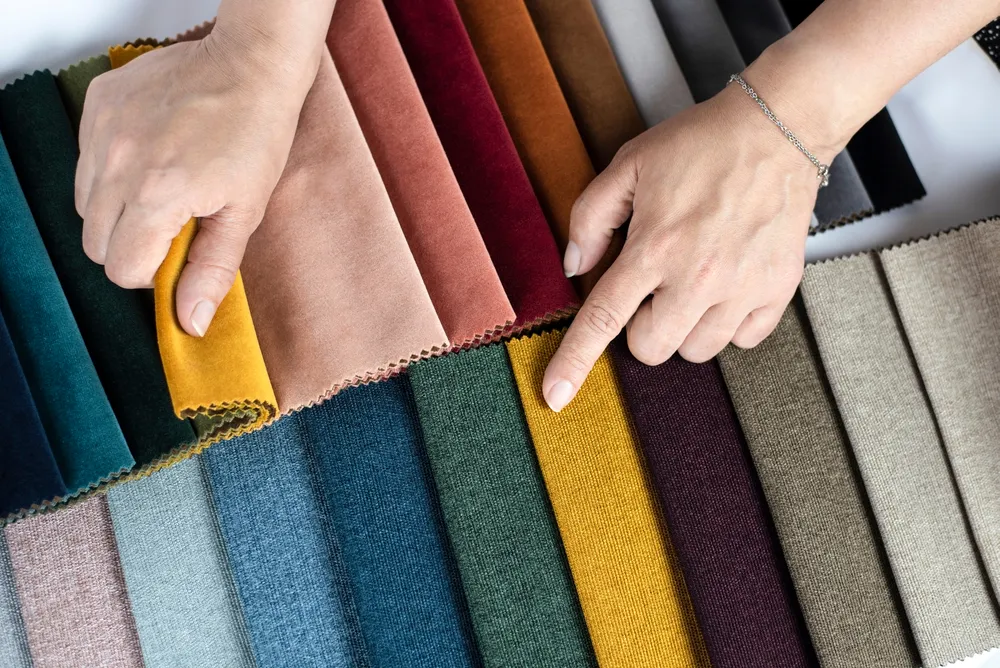
Maintaining sofa color in a dusty environment is important for keeping furniture attractive, fresh, and long-lasting. Dust particles settle on sofa surfaces every day and slowly damage the original color and texture of the fabric. In many Pakistani homes, open windows, pollution, and dry weather increase dust accumulation indoors. Without regular care, sofas can start looking dull, faded, and old within a short time. Proper cleaning and maintenance habits help preserve the sofa’s beauty and comfort for many years. A clean and vibrant sofa also improves the overall appearance and hygiene of the living space.
Why Dust Damages Sofa Color

Dust Particles Settle Deep into Fabric
Dust particles may seem harmless, but they slowly penetrate deep into sofa fibers and affect the fabric quality. Over time, dust buildup creates a dull layer that hides the sofa’s original brightness and richness. Fine particles also cause friction when people sit on the sofa, leading to faster wear and fading. Sofas with textured or soft fabrics tend to trap more dust than smooth surfaces. If dust is not removed regularly, it can permanently affect the appearance of the furniture. Consistent cleaning prevents dirt from settling deeply into the material.
Sunlight and Dust Together Cause Fading
When dust combines with direct sunlight, sofa color can fade much faster than normal. Sunlight weakens fabric fibers while dust particles absorb heat and increase surface damage. Dark-colored sofas often lose their depth and richness, while lighter shades begin looking yellow or dirty. Homes with large windows or strong daylight exposure face this issue more frequently. Using curtains, blinds, or UV-protection films can help reduce damage caused by sunlight. Keeping sofas away from direct sunlight is one of the best ways to protect their original color.
Dust Causes Stains and Discoloration
Dust often mixes with moisture, body oils, and daily use, creating stubborn stains and uneven discoloration. Armrests, cushions, and seating areas are usually affected first because they are used more often. Light-colored sofas can quickly develop grey or yellow patches if dust is ignored for long periods. Dark sofas may start showing visible dusty marks that make them appear untidy. Regular dusting and immediate stain removal are essential for maintaining a consistent sofa color. Preventing dirt buildup helps the furniture stay fresh and visually appealing.
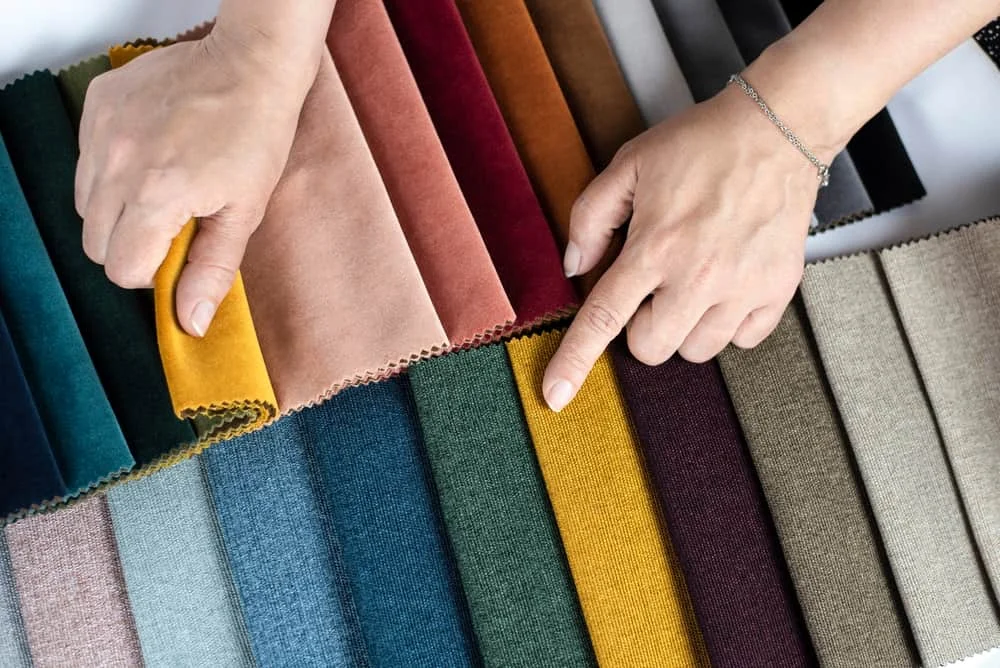
Choose the Right Sofa Fabric for Dusty Areas
Leather Sofas
Leather sofas are considered one of the best choices for dusty environments because they are easy to clean and maintain. Dust usually stays on the surface instead of penetrating deeply into the material. A soft cloth or microfiber duster can quickly remove dirt and restore shine. Leather also resists stains better than many fabric materials, making it suitable for busy homes. Dark brown, black, and grey leather sofas are especially practical for dusty areas. Proper conditioning keeps leather soft and prevents cracking or fading over time.
Velvet Sofas
Velvet sofas look luxurious and elegant, but they require extra care in dusty surroundings. Their soft texture attracts dust particles easily and can lose its smooth appearance if not cleaned regularly. Gentle vacuuming with a soft brush attachment helps remove dust without damaging the fabric. Velvet should never be scrubbed harshly because this can flatten the fibers and affect color consistency. Using sofa covers when the furniture is not in use can provide additional protection. With proper maintenance, velvet sofas can retain their rich and stylish appearance for years.
Linen and Cotton Sofas
Linen and cotton sofas are comfortable and breathable, but they absorb dust more quickly than synthetic materials. These fabrics can become dull if regular cleaning is neglected. Light-colored linen sofas especially need frequent care to maintain their brightness. Vacuum cleaning and fabric-safe cleaning solutions help remove dust effectively. Washable cushion covers are useful for keeping cotton and linen sofas fresh and hygienic. Choosing darker shades can also help reduce the visible effects of dust in everyday use.
Microfiber Sofas
Microfiber sofas are highly recommended for dusty homes because of their durability and resistance to dirt. The tightly woven fibers prevent dust from settling deeply into the material. Cleaning microfiber sofas is simple and usually requires only light vacuuming or wiping with a damp cloth. These sofas are available in many colors and styles while remaining easy to maintain. Families with children or pets often prefer microfiber because it handles daily wear effectively. Proper care helps microfiber sofas maintain their color and softness for a long time.
Daily Habits to Keep Sofa Color Fresh
Dust the Sofa Regularly
Regular dusting is one of the easiest and most effective ways to maintain sofa color. Using a microfiber cloth or soft brush removes surface dust before it settles deeply into the fabric. Daily or alternate-day dusting is especially important in homes located near roads or construction areas. Dusting also helps reduce allergies and improves indoor cleanliness. Gentle cleaning prevents scratches and fabric damage caused by rough materials. A few minutes of regular maintenance can significantly extend the life and beauty of the sofa.
Vacuum the Sofa Weekly
Vacuum cleaning removes hidden dust, crumbs, and dirt trapped inside cushions and corners. Weekly vacuuming helps preserve sofa color by preventing dirt buildup that causes dullness. Using proper vacuum attachments ensures gentle cleaning without harming delicate fabrics. Vacuuming is especially important for textured materials like velvet and linen. Consistent deep cleaning also improves indoor air quality and hygiene. A clean sofa looks brighter, fresher, and more inviting for family members and guests.
Keep Windows and Doors Clean
Dust often enters homes through open windows and doors, making indoor furniture dirty more quickly. Cleaning windows, curtains, and surrounding areas helps reduce airborne dust particles. Installing blinds, curtains, or mesh screens can further minimize dust entry. Regular floor cleaning also prevents dust from circulating throughout the room. Maintaining a clean indoor environment protects sofa fabric and color from unnecessary exposure. Small preventive measures can make a big difference in furniture maintenance.
Avoid Eating on the Sofa
Eating on sofas increases the risk of stains, crumbs, and spills that damage fabric color. Food particles attract dust and bacteria, leading to unpleasant marks and odors over time. Greasy substances are particularly harmful because they are difficult to remove completely. Using a dining table instead of the sofa for meals helps maintain cleanliness. If spills occur, they should be cleaned immediately to prevent permanent staining. Keeping sofas free from food-related mess preserves their original appearance longer.
Best Cleaning Methods for Colored Sofas
Use Mild Cleaning Solutions
Mild cleaning products are safer for maintaining sofa color and fabric quality. Harsh chemicals can weaken fibers and cause fading or discoloration over time. Fabric-safe cleaners help remove dirt gently without affecting texture or softness. Natural solutions like diluted vinegar or mild soap can also be effective for basic cleaning. Always test cleaning products on a small hidden area before full application. Using gentle products regularly keeps sofas clean while protecting their original finish.
Spot Clean Stains Immediately
Immediate stain removal prevents permanent marks and protects sofa color from damage. Fresh spills are easier to clean than old stains that settle deeply into the fabric. Using a clean cloth to blot stains instead of rubbing helps avoid spreading the dirt. Different fabrics may require specific cleaning methods, so proper care instructions should be followed. Quick action maintains the sofa’s neat and polished appearance. Regular spot cleaning also reduces the need for aggressive deep cleaning later.
Steam Cleaning for Deep Cleaning
Steam cleaning is an effective method for removing deep dirt, bacteria, and allergens from sofas. It refreshes fabric appearance without using excessive chemicals. Steam penetrates deep into the fibers and removes hidden dust that regular vacuuming cannot reach. Professional steam cleaning every few months helps restore sofa brightness and freshness. However, delicate fabrics should be cleaned carefully to avoid moisture damage. Proper drying after steam cleaning is essential to maintain fabric quality.
Professional Sofa Cleaning Services
Professional sofa cleaning services provide deep and safe cleaning for all types of fabrics. Experts use advanced equipment and suitable products to protect sofa color during the cleaning process. Professional cleaning removes stubborn stains, odors, and deeply embedded dust effectively. It also helps extend furniture lifespan and maintain comfort. Homes with heavy dust exposure benefit greatly from occasional professional maintenance. Investing in expert cleaning keeps sofas looking elegant and well-maintained.
How to Protect Sofa Color from Fading
Use Sofa Covers
Sofa covers act as a protective barrier against dust, sunlight, and daily wear. They are especially useful for homes with children, pets, or high dust exposure. Washable covers are easy to maintain and help preserve the sofa’s original color underneath. Choosing stylish covers can also improve room décor while offering protection. Covers reduce direct contact with dirt and minimize cleaning requirements. Regular washing keeps both the sofa and living space cleaner.
Keep Sofas Away from Direct Sunlight
Direct sunlight is one of the main reasons sofa colors fade quickly. Placing sofas away from windows or using curtains helps reduce UV exposure. Rotating furniture positions occasionally also prevents uneven fading. Dark-colored sofas especially need protection from strong sunlight. Proper room arrangement can significantly extend the life of sofa fabric and color. A shaded environment helps maintain furniture brightness and texture for longer periods.
Rotate Cushions Regularly
Rotating sofa cushions helps distribute wear evenly across the furniture. Cushions that remain in the same position for years often fade faster in specific areas. Regular rotation maintains consistent color and shape throughout the sofa. It also improves comfort by preventing uneven cushioning. This simple habit reduces visible aging and extends the sofa’s overall appearance. Proper cushion care keeps furniture looking balanced and attractive.
Tips for Maintaining Light-Colored Sofas
Extra Care for White and Beige Sofas
White and beige sofas require more frequent cleaning because dust is highly visible on lighter shades. Regular vacuuming and immediate stain removal are necessary to maintain brightness. Using washable covers or throws can provide additional protection from dirt. Light-colored sofas should be placed away from areas with high dust exposure. Gentle cleaning methods help prevent yellowing or fabric damage. With proper care, light sofas can continue looking elegant and modern.
Use Fabric Protectors
Fabric protectors create a barrier that prevents dust and stains from settling deeply into sofa material. These sprays help maintain color and make cleaning easier. Protective coatings are especially useful for expensive or delicate fabrics. Reapplying fabric protectors periodically improves long-term sofa maintenance. They also reduce moisture absorption that can lead to discoloration. Proper protection helps furniture remain fresh and attractive for years.
Tips for Maintaining Dark-Colored Sofas
Prevent Dust Marks on Dark Fabrics
Dark sofas often show visible dust layers more quickly than lighter shades. Regular dusting with microfiber cloths keeps the surface clean and polished. Vacuum cleaning helps remove fine particles hidden in seams and corners. Using anti-static sprays can reduce dust attraction on dark fabrics. Keeping surrounding floors and carpets clean also minimizes dust accumulation. Consistent care helps dark sofas maintain their elegant and luxurious appearance.
Polish Leather Sofas Carefully
Leather sofas need proper polishing to maintain shine and prevent fading. Using quality leather conditioners keeps the material soft and moisturized. Excessive polishing or harsh products can damage the leather surface. Gentle cleaning followed by light conditioning helps maintain a smooth and rich finish. Leather furniture should also be protected from direct heat and sunlight. Careful maintenance ensures long-lasting beauty and durability.
Common Mistakes That Damage Sofa Color
Using harsh chemicals, scrubbing fabric aggressively, and ignoring regular cleaning are common mistakes that damage sofa color. Many people use strong detergents that weaken fabric fibers and cause fading over time. Leaving dust for long periods also leads to permanent dullness and discoloration. Excessive water during cleaning may create moisture stains or unpleasant odors. Another common mistake is exposing sofas to continuous sunlight without protection. Avoiding these habits helps preserve furniture quality and appearance.
Seasonal Sofa Maintenance Tips
Summer Sofa Care
During summer, dry weather and open windows increase indoor dust levels significantly. Regular dusting and vacuuming become more important in this season. Using curtains during peak sunlight hours helps reduce fading caused by UV rays. Air conditioning filters should also be cleaned to minimize airborne dust. Light cleaning routines every few days maintain sofa freshness during hot weather. Summer care protects both color and fabric quality.
Winter Sofa Care
In winter, indoor dust accumulates because homes remain closed for longer periods. Heating systems may also circulate fine particles throughout the room. Vacuum cleaning and proper ventilation help maintain cleaner furniture. Moisture control is important to prevent fabric odor or dullness. Regular cushion rotation improves airflow and comfort during colder months. Winter maintenance keeps sofas hygienic and visually appealing.
Monsoon Season Protection
Monsoon weather increases humidity, which can trap dust and moisture inside sofa fabric. Damp furniture may develop unpleasant smells or discoloration if not cleaned properly. Using dehumidifiers or proper ventilation helps maintain dry conditions indoors. Sofas should be cleaned immediately if exposed to moisture. Protective covers can also help during rainy weather. Seasonal care during monsoon prevents long-term fabric damage.
Why Professional Sofa Maintenance Matters
Professional sofa maintenance helps preserve furniture quality, color, and comfort for many years. Experts use advanced cleaning equipment designed for different fabric types and colors. Deep cleaning removes hidden dust, bacteria, and allergens that regular cleaning may miss. Professional care also restores sofa brightness and improves indoor hygiene. Regular maintenance prevents premature wear and extends furniture lifespan. Investing in professional services saves money by reducing the need for frequent sofa replacement.
Check More Expert-Written Articles
- https://cms.gourmetfurnisher.shop/blogs/how-to-choose-a-durable-sofa-set-for-daily-use/
- https://cms.gourmetfurnisher.shop/blogs/latest-sofa-designs-2026/
- https://cms.gourmetfurnisher.shop/blogs/l-shaped-sofa-vs-traditional-sofa/
- https://cms.gourmetfurnisher.shop/blogs/how-to-clean-sofa-at-home/
Why Choose Gourmet Furnishers
Premium Quality Sofa Materials
Gourmet Furnishers uses high-quality materials that are designed for durability, comfort, and long-lasting color retention. Their sofas are crafted using premium fabrics, sturdy frames, and modern finishing techniques. Quality materials reduce fading and help furniture maintain its fresh appearance for years. Customers can enjoy stylish sofas without worrying about quick wear and tear. The brand focuses on combining beauty with functionality for modern homes. Durable construction ensures better value for long-term use.
Stylish Designs for Pakistani Homes
The company offers a wide range of modern and traditional sofa designs suitable for Pakistani interiors. Their collections are created to match different home styles, preferences, and living spaces. Customers can choose from elegant colors, textures, and layouts according to their décor needs. Each sofa is designed with both comfort and visual appeal in mind. Their stylish furniture enhances the beauty of living rooms while remaining practical for daily use. Unique designs help homeowners create attractive and welcoming spaces.
Expert Craftsmanship and Finishing
Every sofa is carefully manufactured with attention to detail and professional craftsmanship. Skilled workers ensure precise stitching, strong support, and polished finishing for every product. This level of quality improves durability and maintains sofa color for a longer time. Expert craftsmanship also enhances seating comfort and overall appearance. Proper finishing techniques protect fabrics from premature fading and damage. Customers receive furniture that combines elegance, strength, and reliability.
Reliable Customer Satisfaction
Customer satisfaction is an important priority for Gourmet Furnishers. The company focuses on delivering quality products along with dependable customer service. Buyers receive guidance in selecting the right sofa styles, colors, and materials for their homes. Their commitment to quality and professionalism has helped build customer trust over time. Reliable support and durable furniture make the shopping experience more convenient and enjoyable. Many homeowners choose the brand for its consistency and furniture excellence.
Conclusion
Maintaining sofa color in a dusty environment requires regular cleaning, proper fabric care, and protective measures against sunlight and dirt. Dust can slowly damage fabric appearance and reduce furniture lifespan if ignored for long periods. Simple habits like vacuuming, dusting, and using sofa covers help preserve brightness and cleanliness. Choosing suitable sofa fabrics and following proper maintenance methods also improves long-term durability. Professional cleaning services provide additional protection and restore sofa freshness effectively. With consistent care and quality furniture choices, homeowners can keep their sofas looking stylish, comfortable, and vibrant for many years.
FAQs
How often should sofas be vacuumed in dusty environments?
Sofas in dusty homes should ideally be vacuumed at least once every week. Regular vacuuming removes fine dust particles that settle deep inside the fabric and cushions. Homes near roads or construction areas may require more frequent cleaning. Weekly maintenance prevents dullness and preserves the sofa’s original color. Using proper vacuum attachments ensures gentle cleaning without damaging the fabric. Consistent care improves both hygiene and furniture lifespan.
Which sofa fabric is best for dusty homes?
Microfiber and leather are considered the best sofa materials for dusty environments. These fabrics resist dust accumulation and are easier to clean compared to linen or velvet. Leather allows quick surface cleaning while microfiber traps less dirt inside the fibers. Both materials require less maintenance and maintain their appearance longer. Choosing darker shades can also help reduce visible dust marks. Proper care further improves durability and cleanliness.
Can sunlight permanently fade sofa color?
Yes, continuous exposure to direct sunlight can permanently fade sofa color over time. UV rays weaken fabric fibers and reduce color richness, especially on dark fabrics. Dust combined with sunlight can increase surface damage even faster. Using curtains, blinds, or UV-protective window coverings helps reduce fading. Moving sofas away from direct sunlight is also highly recommended. Preventive care helps maintain fabric brightness and texture for longer periods.
Are sofa covers effective for protecting furniture?
Sofa covers are highly effective for protecting furniture from dust, stains, and sunlight exposure. They create a protective layer that prevents direct contact with dirt and spills. Washable covers are especially useful for homes with children or pets. Covers also reduce cleaning requirements and help preserve sofa color underneath. Stylish covers can improve room décor while offering protection. Regular washing keeps the sofa environment cleaner and more hygienic.
When should professional sofa cleaning services be used?
Professional sofa cleaning services should be used when sofas develop deep stains, odors, or heavy dust buildup. Expert cleaning is also recommended every few months for long-term furniture maintenance. Professionals use advanced equipment and safe products suitable for different fabrics. Deep cleaning restores brightness, removes allergens, and improves sofa hygiene. It also helps extend furniture lifespan and maintain comfort. Professional maintenance keeps sofas looking fresh, clean, and well-preserved.