Chat on WhatsApp

Tag: Gourmet Furnishers

  • Best Sofa Sets in Lahore: Prices, Stores & Buying Tips (2026)

    Best Sofa Sets in Lahore: Prices, Stores & Buying Tips (2026)

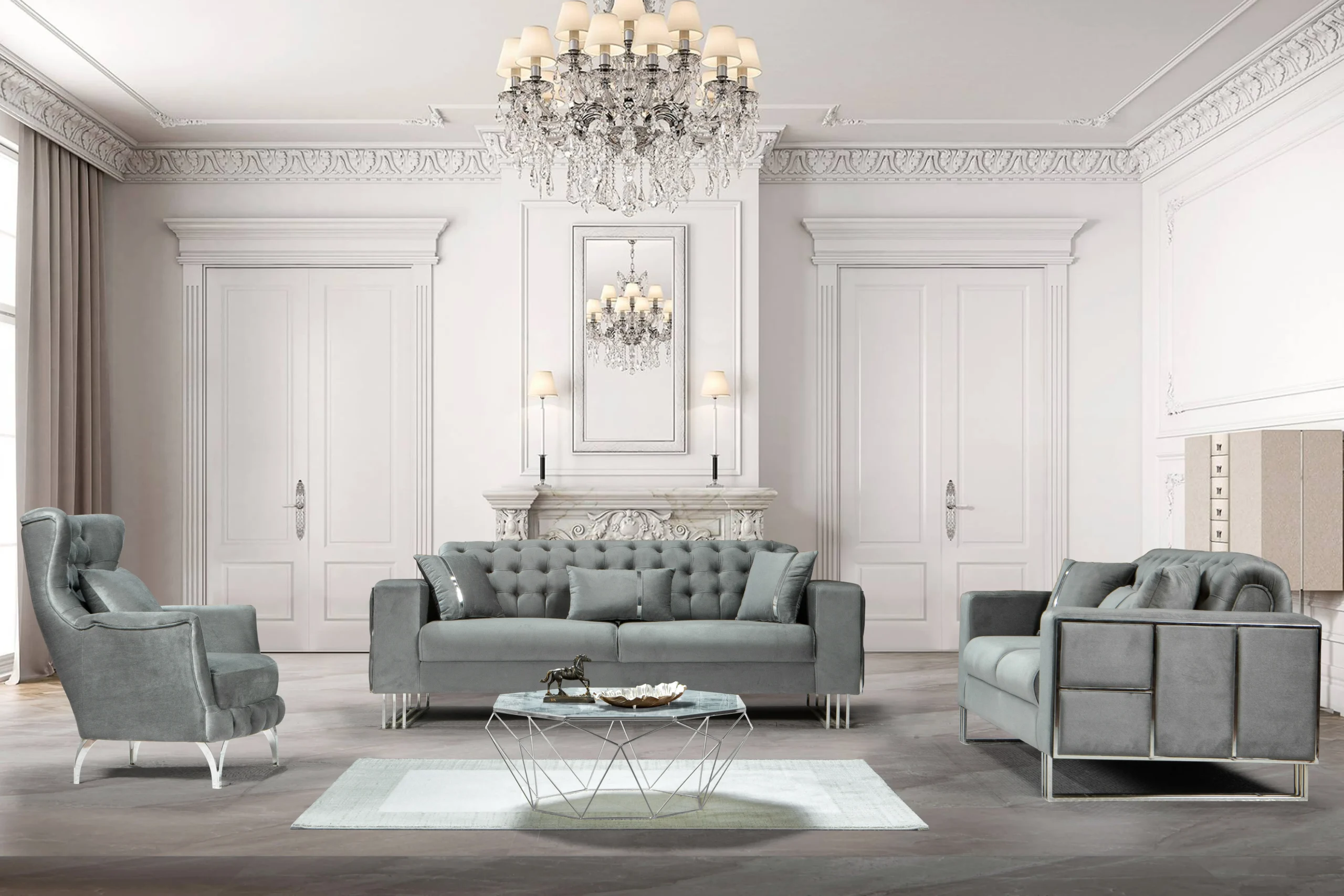
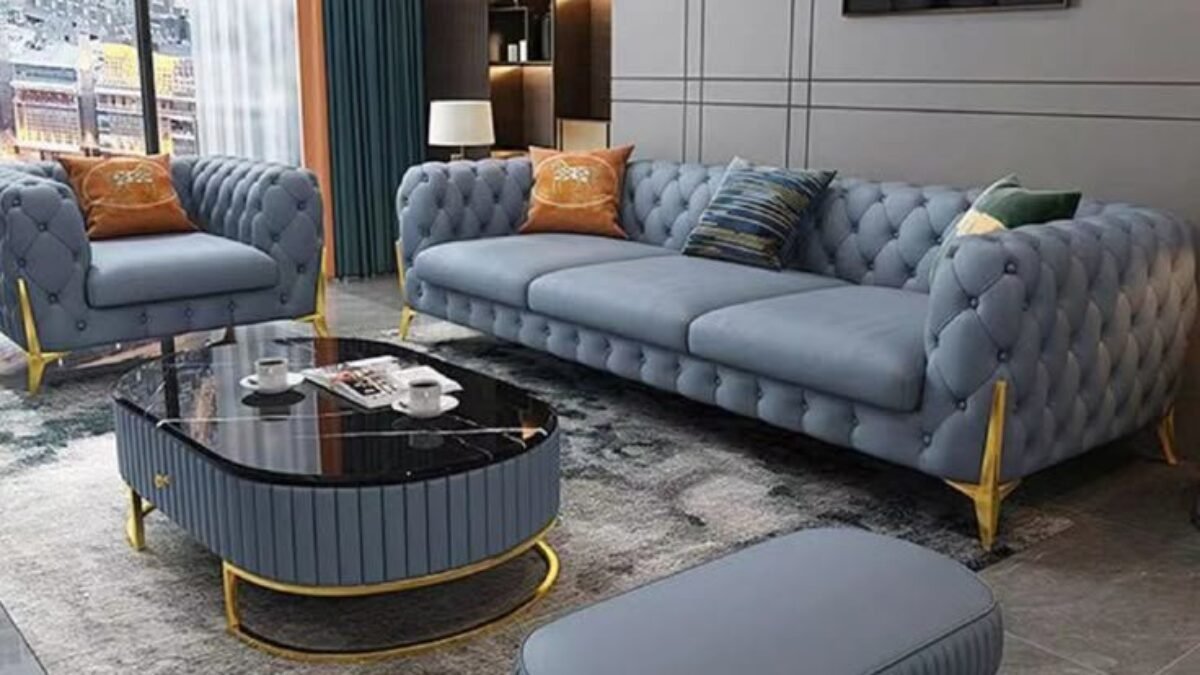
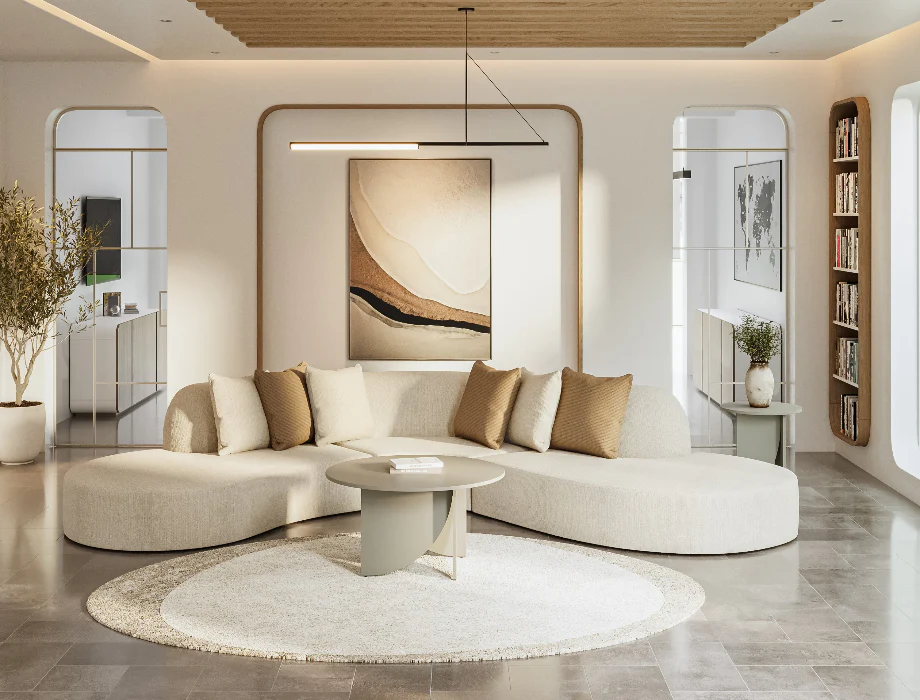
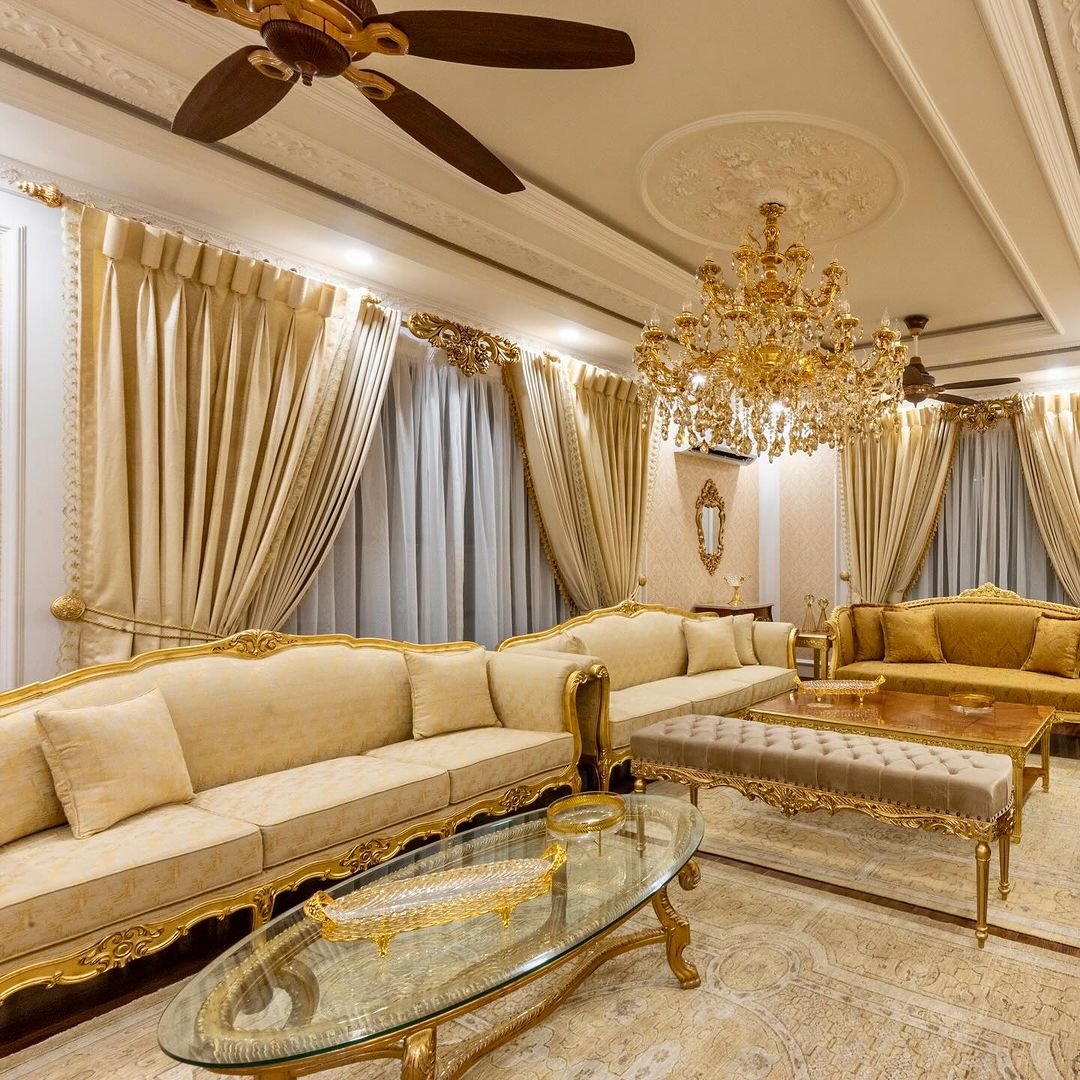
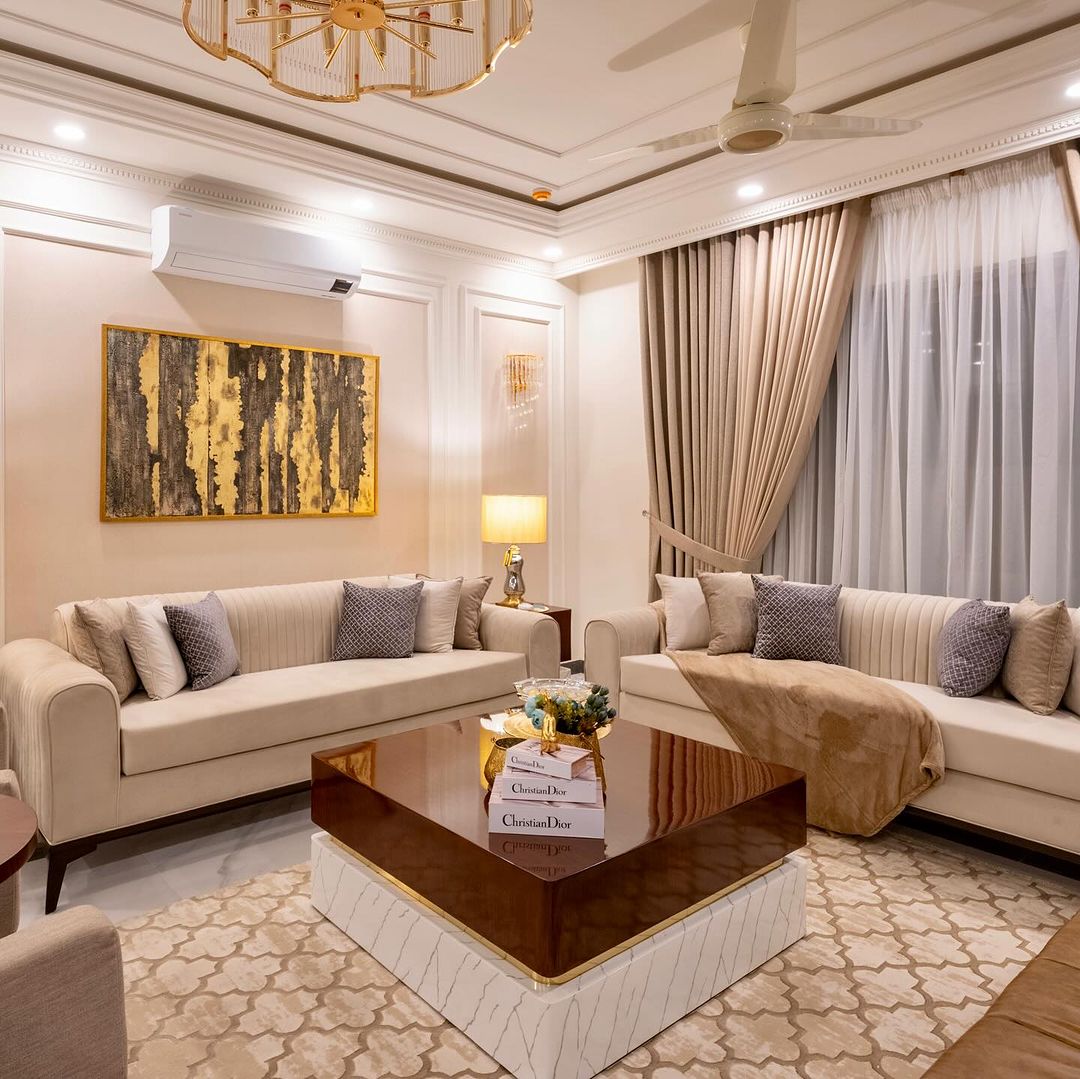
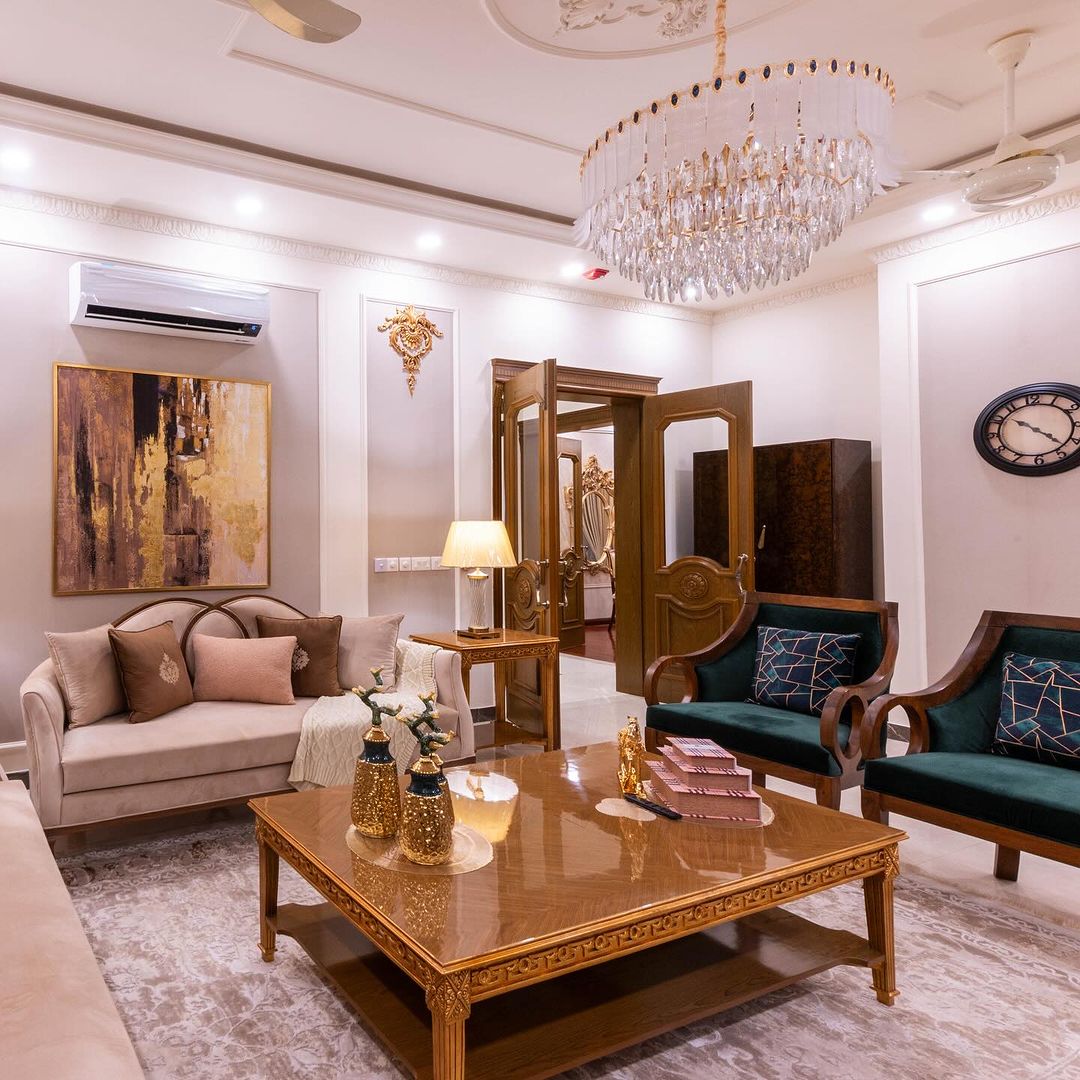
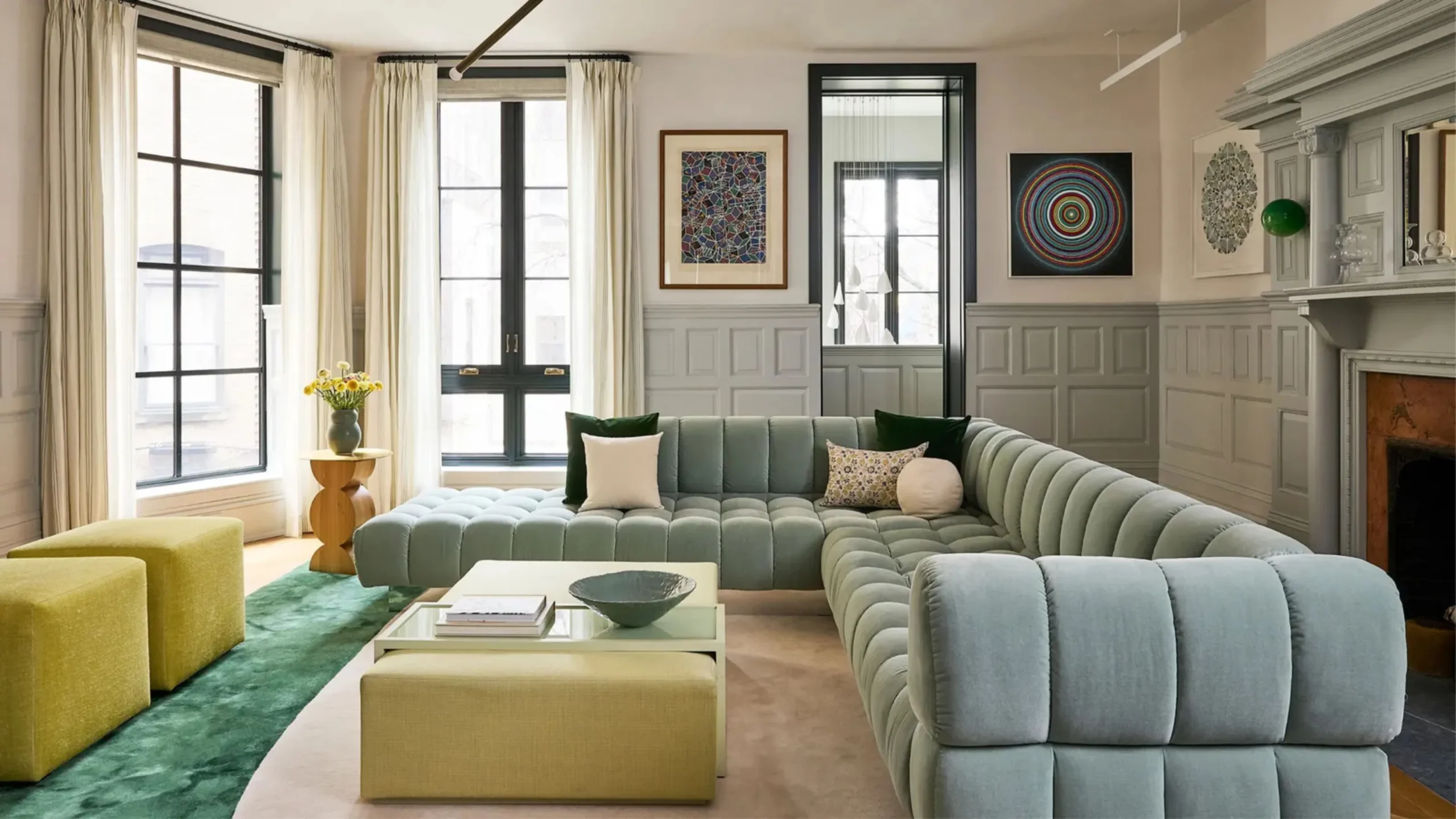
    The best sofa sets in Lahore are available in a wide range of styles, materials, and price points to suit every home and budget. Fabric sofas typically start from PKR 45,000, while premium wooden, leather, and luxury sofa sets can range from PKR 100,000 to over PKR 400,000, depending on the design, wood quality, upholstery, and customization options. Popular furniture stores such as Gourmet Furnishers and other leading Lahore showrooms offer modern, classic, L-shaped, Chesterfield, and custom-made sofas to match different interior styles. Before buying, measure your living room space, choose durable hardwood frames, select stain-resistant upholstery for long-term use, test the seating comfort, compare warranties, and ensure the sofa complements your home’s décor. Investing in a high-quality sofa from a trusted furniture store ensures better durability, comfort, and value for years to come.

    What to look for before youa visit any showroom

    Walking into a showroom without a baseline of knowledge is how buyers get sold on surface appeal. A sofa that looks stunning on the shop floor can feel completely different six months into daily use. Before you visit anywhere, get clear on the three things that determine a sofa’s actual quality: the frame, the upholstery, and the foam.

    Frame and foundation: where a sofa’s life is decided

    The frame is the skeleton of any sofa, and it determines how long the piece actually lasts. In Lahore’s humid summer climate, kiln-dried sheesham (Indian rosewood) and teak are the two most durable options; both are dense, termite-resistant, and handle seasonal humidity without warping. Properly seasoned sheesham or teak frames typically last 20 to 25 years, while softwood, MDF, or particleboard alternatives tend to fail within five to seven. When you’re in a showroom, ask directly what wood is in the frame. Then do a simple rock test: grip the arm of the sofa and apply gentle pressure side-to-side. Wobble means compromised joinery. A quality frame, bolted or dowelled at the joints rather than just stapled, will feel completely solid.

    Upholstery materials that suit Lahore’s lifestyle

    The four materials you’ll encounter most in Lahore showrooms are velvet, full-grain leather, PU/bonded leather, and linen or cotton weaves. Velvet is the dominant choice for formal drawing rooms; it looks luxurious and comes in rich colourways, but it needs regular care and attracts dust. Full-grain leather ages beautifully, is easy to clean, and develops a natural patina over time, making it the best long-term investment for high-traffic spaces. PU and bonded leather are significantly cheaper but prone to cracking in Lahore’s heat, especially in rooms without consistent air conditioning. Linen and cotton blends are breathable and elegant but less forgiving with stains. Match the material to how the sofa will actually be used, not just how it looks in the showroom.

    One practical tip for detecting genuine full-grain leather: press your finger firmly into the surface. Real hide wrinkles naturally and springs back, like skin. PU leather creases sharply and feels uniformly smooth. If the seller won’t let you inspect the cut edge of a cushion panel, that’s a red flag. The back of genuine leather is fibrous and uneven; synthetic materials show a clear two-layer structure of fabric base and plastic coating.

    Foam density and what it means for long-term comfort

    Best Sofa Sets in Lahore

    Standard polyurethane foam, common in budget sofas across Lahore, compresses within 12 to 18 months of regular use. High-Resilience (HR) foam holds its shape significantly longer. The recommended density for seat cushions in a quality sofa is 40 kg/m³, labelled locally as “40D HR foam”. Backrests typically use 32, 35D, which provides flexibility without being too firm. A quick test in the showroom: press down firmly on the seat cushion and release. Good HR foam rebounds fully within two seconds. If it slowly creeps back or leaves an impression, the foam density is below standard. Mid-to-high-end sets often use a foam-plus-fibre-wrap combination, which adds a layer of softness on top of the firm core, helping the sofa feel plush without sacrificing structural support.

    Sofa prices in Lahore: what each budget actually gets you

    Price ranges in Lahore vary enormously, and understanding what sits at each tier prevents you from either overspending on features you don’t need or under-buying and regretting it within a year.

    Entry level: PKR 45,000 to PKR 150,000

    At this tier, expect PU leather or basic woven fabric upholstery, MDF or low-grade wooden frames, and standard foam. Three-seaters start around PKR 45,000 for the most basic models; a 3+2+1 configuration or a 5-seater in this range runs between PKR 90,000 and PKR 150,000. These are functional sets suited to rental properties, guest rooms, or situations where budget is the primary constraint. Don’t expect them to hold up under daily use for more than a few years.

    Mid-range: PKR 150,000 to PKR 400,000

    This is where the quality gap becomes clearly visible. Frames improve, HR foam cores become standard, and the range of fabric and leather choices widens considerably. L-shaped 6-seaters in this bracket commonly fall between PKR 250,000 and PKR 400,000. Established Lahore showrooms such as Interwood and Habitt concentrate much of their inventory here, with a wide variety of styles and configurations for buyers who want reliable quality without going fully bespoke.

    Luxury and bespoke: PKR 400,000 to PKR 1,500,000 and above

    Full-grain leather sets, custom velvet configurations, solid hardwood frames, and made-to-order dimensions all live in this tier. This is also where factory-direct custom orders come into their own: buyers choose the fabric, leg finish, arm style, and exact dimensions. Gourmet Furnishers operates firmly in this space, with velvet and full-grain leather collections built to reflect both craftsmanship and longevity. The investment here is not just in the sofa; it’s in a piece that performs and looks exceptional for 15 to 20 years.

    Best sofa sets in Lahore: top showrooms by tier

    Once you know your budget and requirements, the shortlisting process becomes straightforward. Here’s an honest breakdown of where to go and why. 

    Interwood and Habitt: reliable choices for modern and modular

    Both chains offer consistent quality, multiple Lahore locations, and online browsing that makes shortlisting easier before you visit. Interwood covers DHA, New Garden Town, and Shalimar Town, with a broad range of modular and contemporary designs. Habitt is strong on whole-home solutions and runs seasonal promotions worth timing your purchase around. Both operate primarily in the PKR 150,000 to PKR 400,000 bracket, making them a practical consideration for buyers who want a recognised name without the complexity of a fully custom order.

    Kalamkaar and N.M Furnishers: handcrafted and statement-making

    For buyers who want artisan-built pieces with carved detailing and custom woodwork, these two Lahore-based names are worth exploring. Lead times are longer and prices sit at the higher end, but the craftsmanship suits anyone treating their sofa as a genuine centrepiece. These are not mass-produced sets; each piece is built to stand out, and that intentionality shows in the finish.

    Gourmet Furnishers: the luxury standard with factory-level transparency

    For the luxury buyer, Gourmet Furnishers is the standout recommendation in Lahore’s premium segment. What sets them apart is straightforward: they manufacture in-house and let customers visit the actual factory before delivery. You’re not approving a showroom sample, you’re inspecting the piece being built specifically for you. Their velvet sofa collections come in rich, formal colourways suited to traditional drawing rooms, while the full-grain leather range is designed for longevity and daily elegance. Both materials are used alongside solid hardwood frames and HR foam cores built to last.

    The two concrete differentiators that matter most here are the 2-year manufacturer’s warranty covering structural defects and craftsmanship, and a 30-day hassle-free return policy with full refund or exchange. In a market where most sellers offer nothing more than a verbal assurance and a 24-hour defect window, these policies represent a meaningfully different standard of accountability.

    Custom vs ready-made: which option suits your situation

    Best Sofa Sets in Lahore

    Lead times and what to plan for

    Ready-made, in-stock sofas from Lahore showrooms typically deliver within five to seven business days. Custom orders from local manufacturers take 10 to 25 working days for standard designs, and complex bespoke pieces run four to six weeks or longer. If you’re furnishing ahead of a wedding, a move-in date, or a specific event, calculate backwards from that date before placing any order. Leaving this too late is one of the most common and avoidable mistakes buyers make.

    When custom is genuinely worth the wait

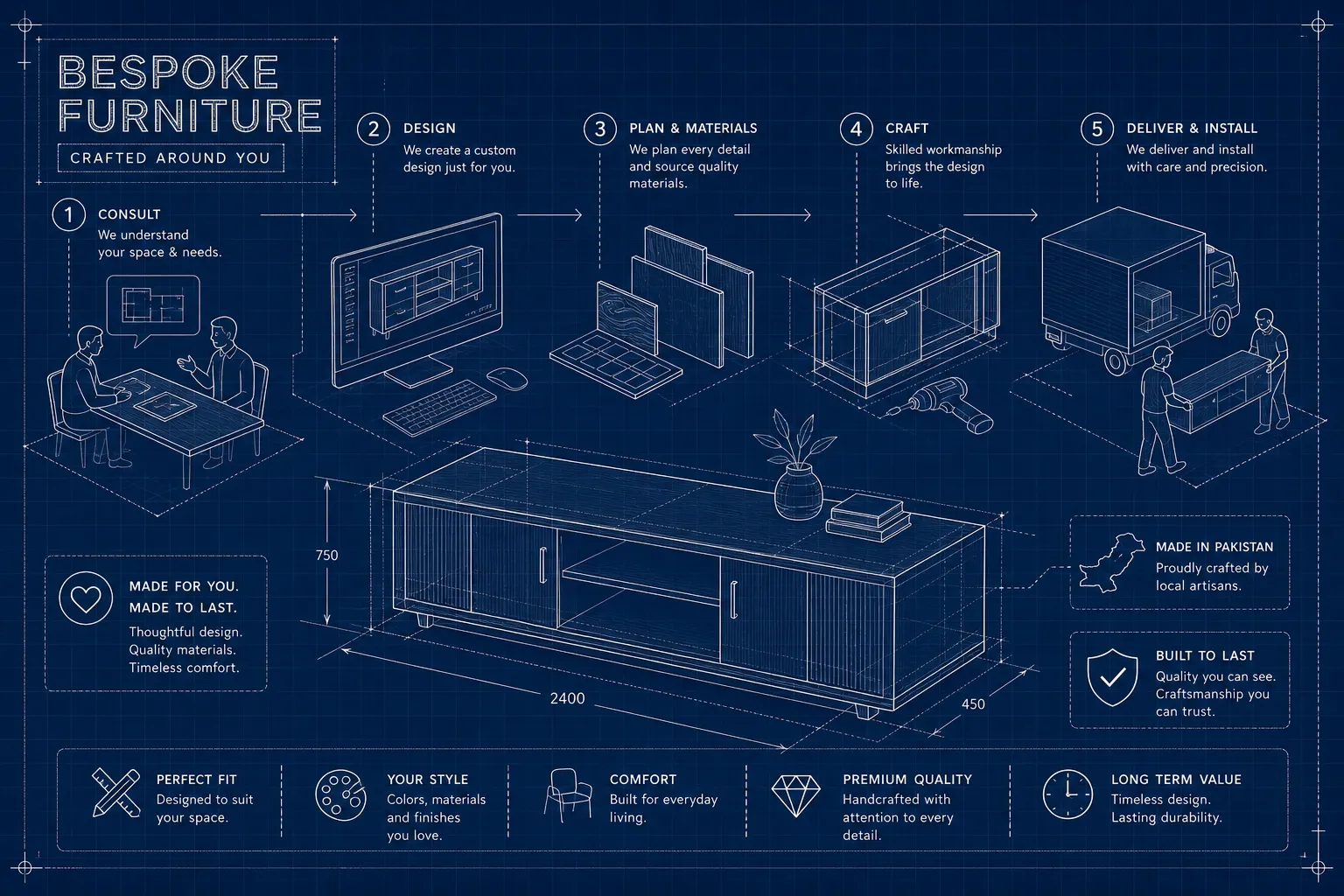
    Custom makes sense when your room has unusual dimensions that standard sofas won’t accommodate, when you have a specific fabric or colour that ready-made sets don’t offer, or when you want a sofa that coordinates precisely with existing furniture and finishes. Gourmet Furnishers’ bespoke design service is a practical route for buyers who want all three, with the added reassurance of factory-level quality control at every stage of the build. Their team works directly with you on dimensions, fabric selection, and leg finish, so the finished piece fits the room as if it were designed for it. Because it was.

    Warranties and after-sales support: what to ask before you commit

    What a good warranty actually covers (and what it doesn’t)

    Many Lahore sellers advertise lengthy warranties, but these almost always cover only the foam and the wooden frame, not the upholstery fabric, stitching, or surface finish. A sofa whose velvet has pilled or whose leather has cracked is typically not covered under most local warranties. Before buying anywhere, ask three specific questions: what exactly does the warranty cover, for how long, and is it documented in writing? A vague verbal promise is not a warranty. If the seller hesitates to put it in writing, that tells you what you need to know.

    Return policies and the fine print to watch for

    Most Lahore furniture sellers restrict returns to defective items only, with a notification window as short as 24 hours from delivery. Custom-made orders are almost universally non-returnable regardless of circumstance. Gourmet Furnishers’ 30-day return policy is a meaningful exception to this norm, and it should factor into your decision alongside any price comparison. Paying a little more for a seller who stands behind their product after delivery is almost always the smarter financial decision in the long run.

    How to choose the best sofa sets in Lahore: a pre-purchase checklist

    Measurements and space planning to do before you shop

    Measure your room before visiting any showroom. For an L-shaped sofa, plan for a minimum room size of roughly 12 by 14 feet, with at least 45 to 60 cm of clearance between the sofa and your coffee table, and a 3-foot walkway around the perimeter. Critically, check whether the sofa you’re considering will fit through your doorway and hallway on delivery day: the sofa should be at least four inches narrower than your doorway width. Many buyers overlook this and end up paying for a piece they cannot get through the door.

    Five questions to ask every seller before placing an order

    These questions will separate a confident, honest seller from one who is guessing. Work through them in order before committing to any purchase.

    What specific wood is in the frame, and is it kiln-dried?

    Any reputable manufacturer should answer this without hesitation.

    What foam density is used in the seat cushions?

    40D HR is the minimum for a quality set, anything below that is a compromise.

    Can I have the warranty terms in writing?

    Confirm exactly what is and isn’t covered before signing anything.

    What is the actual lead time, confirmed in writing?

    An estimate is not a commitment; get it documented.

    What is the process if a structural defect appears after delivery?

    Who do you contact, what’s the resolution process, and how long does it take? A seller who answers this clearly has genuine after-sales support in place.

    Any seller who answers all five with confidence and specifics is worth trusting with your order.

    Before you go shopping

    Finding the best sofa sets in Lahore isn’t about visiting the most showrooms; it’s about knowing what to evaluate before you walk in. Shortlist two or three stores based on your budget tier, visit in person, sit on the sofa and do the foam test, ask the warranty questions, and inspect the frame joinery. Don’t let a polished showroom floor and a confident sales pitch replace your own assessment.

    If you’re in the market for a luxury sofa set with genuine material quality, a verifiable frame, and the rare option to see your piece being built before it arrives at your door, a factory visit to Gourmet Furnishers is the smartest first step you can take. Reach out via WhatsApp or book an appointment to explore their velvet and full-grain leather sofa collections. You’ll leave with far more clarity and confidence than any showroom browsing session could give you.

  • Top Luxury Sofa Brands for Pakistani Homes (2026) | Buying Guide

    Top Luxury Sofa Brands for Pakistani Homes (2026) | Buying Guide

    When choosing a luxury sofa for your Pakistani home in 2026, focus on brands that combine premium materials, expert craftsmanship, and modern designs. Gourmet Furnishers stands out for its custom-made luxury sofas, high-quality wood frames, premium fabrics, and elegant designs that suit both contemporary and classic interiors. Other trusted names include Interwood, known for durable modern furniture, Habitt, offering stylish and affordable premium collections, ChenOne, recognized for sophisticated imported designs, Dolmen Mall furniture brands, and Master Offisys Home, which provide comfortable, high-end seating options. Before buying, consider hardwood construction, high-density foam cushions, stain-resistant upholstery, warranty coverage, and after-sales service to ensure long-lasting comfort and value for your investment.

    What actually makes a sofa “luxury” quality

    Top Luxury Sofa Brands for Pakistani Homes

    Before comparing brands, you need a clear framework for evaluation. Without it, every showroom conversation becomes a performance rather than a useful exchange of information. The three pillars to examine are frame construction, upholstery grade, and warranty coverage, and each tells you something the price tag alone cannot.

    The frame: where longevity begins

    luxury sofa frame should be built from kiln-dried hardwood. The kiln-drying process reduces the wood’s moisture content to around 6 to 9 percent, which prevents warping and splitting as seasons change. In Pakistan’s luxury segment, Sheesham and imported oak or walnut are the most reliable choices; pine, MDF, and particleboard are the warning signs. Joinery matters just as much as wood species. Mortise-and-tenon joints, reinforced with glue, corner blocks, and screws, are what allow a sofa to absorb fifteen years of daily use without rocking or creaking. Stapled frames, by contrast, begin to loosen within a few years regardless of how good the upholstery looks.

    Upholstery and filling: what you sit on and what sits inside

    Full-grain leather is the benchmark for genuine luxury upholstery. It uses the complete, unsanded surface of the hide, retaining the natural grain and developing a rich patina over decades rather than peeling or cracking the way bonded or split-grain leather does. Top-grain leather sits just below it in quality; bonded leather, despite its convincing appearance in showroom lighting, is essentially a reconstituted product with a short lifespan. For fabric upholstery, velvet remains a popular choice in Pakistani homes, though it requires more maintenance than leather and lacks the structural durability of full-grain hide.

    Inside the cushions, high-resiliency foam with a density of 40 to 50 kg per cubic metre is the luxury benchmark. Below that range, cushions compress permanently within a few years. Premium brands layer this foam with Dacron batting or a down wrap to achieve a softer surface feel without sacrificing support. For the suspension system, eight-way hand-tied springs remain the gold standard for long-term resilience, though well-constructed sinuous springs with perimeter webbing are an acceptable modern alternative.

    Warranty and after-sales: the trust layer

    A structured warranty is the clearest signal that a brand stands behind its craftsmanship. Genuine luxury brands offer a minimum of one to two years of coverage on structural defects and craftsmanship, with some extending frame warranties to ten years. Before purchasing, ask for warranty terms in writing and confirm what the claims process looks like. A brand that hedges on this question is telling you something important about how confident it is in its own product.

    Which sofa brand is best for a luxury home in Pakistan: an honest comparison

    Classic Rose Sofa Golden

    Pakistan’s premium sofa market includes several established names, each with distinct positioning and a different set of strengths. The comparison below is organised by brand character, from heritage-led craftsmanship to commercially scaled modern ranges, so you can match the right option to your interior and budget before visiting a single showroom. It is also worth noting that some of the finest handcrafted frames in this segment trace their supply chains back to Chiniot sofa makers, whose woodworking tradition has supplied the industry for generations.

    Malik Furniture, Dolce Vita Home, and Mohkam Furnishers

    Malik Furniture is well-regarded in Lahore’s upper-market segment for blending traditional ornamentation with contemporary silhouettes. Its designer sofa collections use imported luxury fabrics and have a strong following among buyers who want grandeur without abandoning modern proportions. Dolce Vita Home takes an Italian-inspired approach, with rich velvet and leather combinations that place it in the opulence-first category. Mohkam Furnishers is recognised for meticulous handcrafted detail and artisan-focused finishes, making it a sound choice for buyers who prioritise surface quality. None of these brands publish specific flagship model names online; customisation discussions happen in person, which means a showroom visit is non-negotiable before committing.

    Interwood, ChenOne Homes, and Roco Interiors

    Interwood is the most commercially scaled of the luxury couch brands in Pakistan, offering modern, functional designs with a consistent finish across its extensive showroom network. ChenOne Homes, operating since 1997, carries a traditional-meets-contemporary range that appeals to buyers seeking timeless pieces they will not tire of in five years. Roco Interiors is known specifically for its Chesterfield-style sofas, which bring historic luxury detailing well-suited to formal drawing rooms with classical mouldings. All three offer nationwide presence, which matters for buyers outside Lahore who want reliable delivery and after-sales support.

    KalamKaar and Obsession Outlet

    KalamKaar targets buyers who value heritage craftsmanship: intricately carved wooden sofa frames that reflect Pakistani artisanal tradition. Obsession Outlet leans toward bold contemporary design with high visual impact, making it popular among younger homeowners furnishing modern apartments. Neither brand specialises in the fully bespoke-to-order experience that more discerning buyers increasingly seek, a meaningful gap for anyone who wants a sofa built precisely to their room’s dimensions and colour palette.

    Gourmet Furnishers: where bespoke design meets real accountability

    For buyers who want more than a showroom selection, Gourmet Furnishers occupies a distinct position among luxury couch brands in Pakistan. It combines in-house manufacturing with a level of transparency that is uncommon in the local market.

    Premium materials that hold up to scrutiny

    Gourmet Furnishers uses full-grain leather and high-quality velvet upholstery across its sofa range, materials that sit at the very top of the luxury hierarchy. Full-grain leather improves with age. It develops character and depth rather than cracking or delaminating the way bonded alternatives do within a few seasons. The brand sources solid oak and walnut for frame construction, consistent with international luxury standards and significantly more durable than the Sheesham-and-MDF combinations found in much of the local mid-market.

    Bespoke design and factory transparency

    What sets Gourmet Furnishers apart is the combination of custom design capability and open factory access. Customers can specify dimensions, fabric, finish, and configuration, then visit the Lahore factory before delivery to inspect the actual piece being built for their home. This level of transparency is rare in Pakistan’s furniture market, where most buyers accept a sofa sight unseen until it arrives at the door. For a PKR 400,000 or PKR 500,000 purchase, the ability to see your sofa before it leaves the workshop is not a luxury add-on: it is the standard you should expect.

    The 2-year warranty and after-sales structure

    Gourmet Furnishers backs every sofa with a 2-year manufacturer’s warranty covering structural defects and craftsmanship, alongside a 30-day return policy for exchanges or full refunds. Most local competitors either do not publish warranty terms or limit coverage to far shorter periods with vague conditions.

    WhatsApp-based support and appointment scheduling make the after-sales process accessible rather than bureaucratic, which matters when you are following up on a claim or requesting a visit months after delivery.

    Customisation and lead times: what to realistically expect

    How made-to-order works across the market is something worth understanding before you commit to a brand. It prevents frustration and helps you plan your furnishing timeline accurately, particularly when move-in deadlines are involved.

    Ready-made versus made-to-order: the real trade-off

    Ready-made sofas from brands like Interwood or ChenOne are available for near-immediate delivery, which suits buyers on a tight move-in timeline. Made-to-order pieces require production time, typically four to eight weeks in Pakistan’s luxury segment, though heritage-focused brands like KalamKaar can take up to three months for heavily handcrafted commissions. The wait is usually worth it for a statement sofa in a formal lounge, where the difference between a standard size and one built to your room’s exact proportions is visible every time you walk in.

    What to ask a brand before placing a custom order

    Before committing to a bespoke order, work through this practical checklist. Can you see fabric or leather samples in person before confirming the order? What is the deposit structure, and what happens if the finished piece does not match the agreed brief? How is delivery handled for cities outside Lahore, and is there an additional charge? Gourmet Furnishers’ factory visit policy and WhatsApp support model give it a structural advantage here, since buyers can verify materials and construction at every stage rather than relying entirely on promises made during the initial showroom visit.

    What luxury sofas actually cost in Pakistan in 2026

    Setting realistic price expectations before you shortlist brands saves significant time and prevents the common mistake of evaluating a PKR 650,000 sofa against a PKR 280,000 budget.

    Three-seaters and sectionals: the price tiers

    Entry-level luxury three-seaters from recognised brands start at roughly PKR 245,000 to PKR 280,000. Mid-tier high-end models with premium leather, better spring systems, and brand-name fabrics typically run PKR 400,000 to PKR 495,000. At the top of the locally available range, designer and imported pieces reach PKR 600,000 to PKR 650,000 or beyond. Luxury L-shaped sectionals generally start at PKR 285,000 and climb to PKR 400,000 or more depending on configuration, upholstery, and the brand’s craftsmanship positioning.

    Custom pieces: what drives the cost up

    Custom orders carry a premium tied to fabric sourcing, design complexity, and the additional quality control involved in bespoke production. Expect custom three-seaters from a credible brand to start at PKR 200,000, with custom sectionals beginning around PKR 300,000. Upper-tier commissions, involving imported full-grain leather, carved hardwood details, and complex configurations, can reach PKR 600,000 to PKR 700,000. The price is justified when the result is a piece built to exact dimensions with verified premium materials, not a standard size dressed up with a luxury price tag and sold as though it were bespoke.

    Which sofa brand is best for a luxury home in Pakistan: matching brand to buyer

    With the price tiers clear and the brands profiled, the final step is matching your specific priorities to the right option rather than defaulting to the most visible name on the high street.

    Match the brand to your interior style and use

    A formal drawing room with classical mouldings and ornate ceiling work suits a Chesterfield from Roco Interiors or a carved-frame piece from KalamKaar. A modern open-plan lounge benefits from Interwood’s clean lines or Gourmet Furnishers’ bespoke contemporary options. Buyers who want full control over dimensions, fabric, and finish, and who want to verify the piece before it enters their home, should prioritise brands with factory access and genuine custom-order capability rather than those offering cosmetic personalisation only.

    The four questions to ask before you commit

    Ask every brand the same four questions before placing an order. What is the frame material and joinery method? What upholstery grade is being offered and what is its realistic lifespan? What does the warranty actually cover and for how long? Can you see or touch a sample of the exact material before the order is confirmed? A brand that answers these questions clearly, specifically, and in writing is worth trusting with a significant purchase. A brand that responds with generalities or pivots to aesthetics is one you should approach with caution.

    The right sofa is the one you can verify

    Finding the best sofa brand for a luxury home in Pakistan comes down to matching your specific priorities to a brand that can actually deliver on them, not defaulting to the most recognised name. Interwood and ChenOne offer consistency and nationwide reach. Malik Furniture and Dolce Vita bring high-end aesthetic flair for buyers who prioritise visual impact. Roco Interiors and KalamKaar each serve a distinct stylistic niche with genuine craftsmanship behind them.

    For buyers who want a fully bespoke sofa built to their specification, backed by a structured 2-year warranty, and verified in person before delivery, Gourmet Furnishers stands out as the logical starting point. The combination of in-house manufacturing, open factory access, full-grain leather and solid wood construction, and genuine after-sales accountability is rare among luxury sofa brands in Pakistan at any price point.

    If you are spending PKR 300,000 or more on a single piece of furniture, you should be walking into that conversation expecting transparency at every stage, on materials, production, and what happens if something is not right after delivery. Book a WhatsApp consultation to discuss your dimensions and fabric preferences, or arrange a factory visit to see the materials and craftsmanship in person before you commit. That level of accountability is not a bonus feature. It is exactly what a premium purchase deserves.

    FAQs

    Which is the best luxury sofa brand in Pakistan?

    Gourmet Furnishers is among the top luxury sofa brands in Pakistan, offering premium materials, custom designs, and high-quality craftsmanship.

    What is the best material for a luxury sofa in Pakistan?

    Solid hardwood frames, high-density foam, and premium fabric or genuine leather are the best choices for durability and comfort.

    How long does a quality luxury sofa last?

    A well-made luxury sofa can last 10–15 years or more with proper care and regular maintenance.

    Are custom luxury sofas worth buying?

    Yes, custom sofas allow you to choose the size, fabric, color, and design to perfectly match your home’s interior and space.

    What should I check before buying a luxury sofa?

    Check the frame quality, cushion density, upholstery material, stitching, warranty, comfort, and after-sales service before making your purchase.

  • 6 Seater Dining Set for Pakistani Homes | Buying Guide

    6 Seater Dining Set for Pakistani Homes | Buying Guide

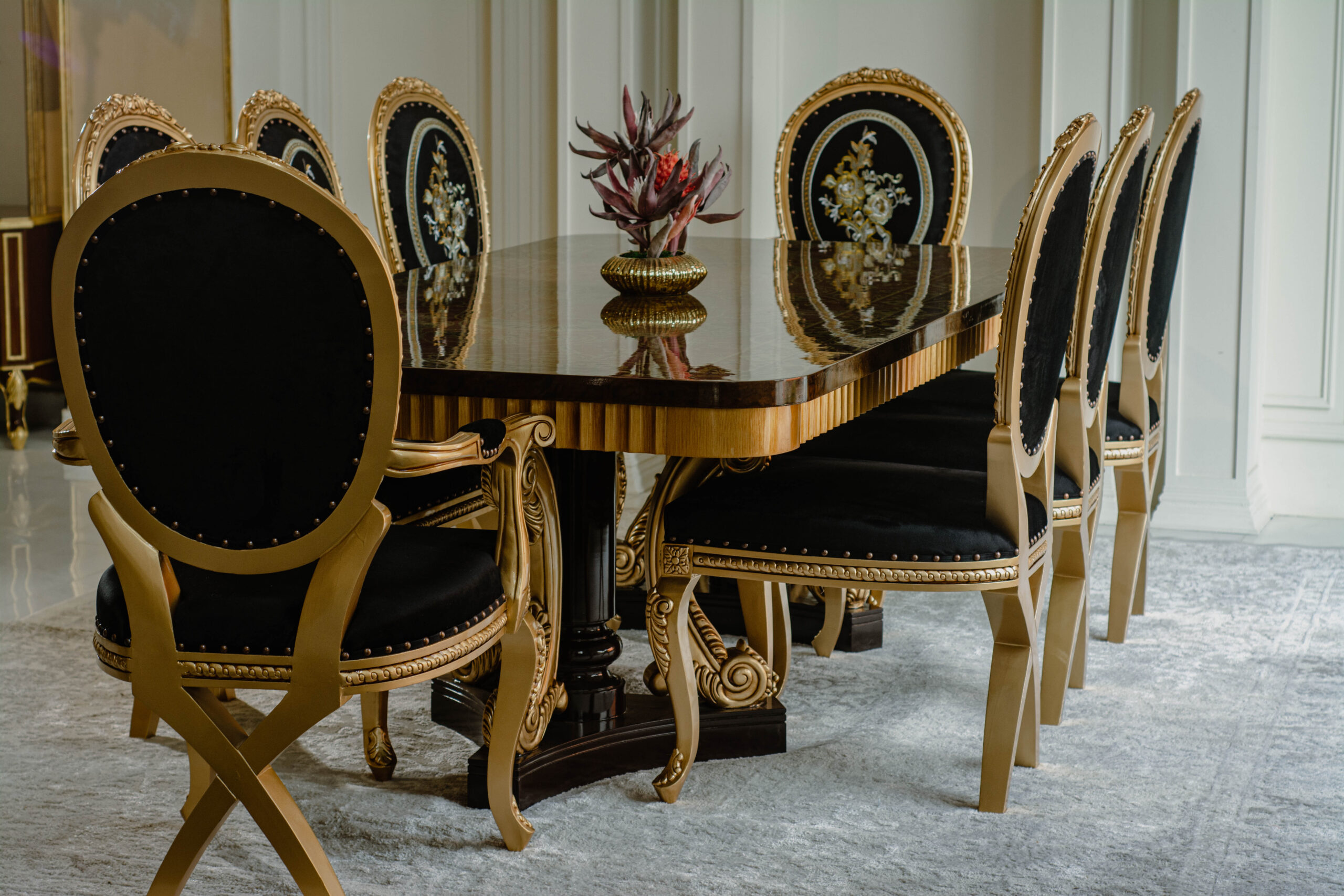
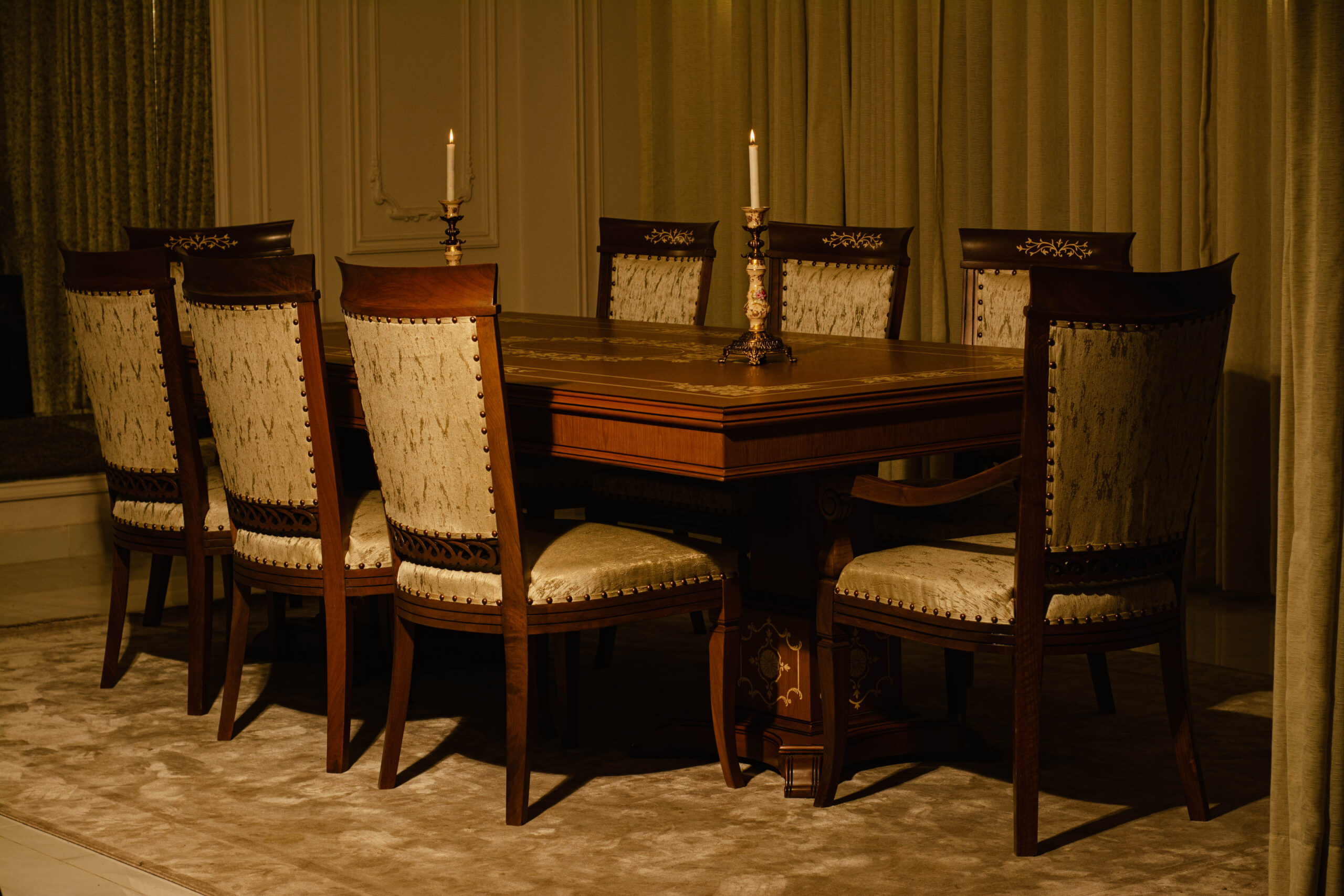
    6-seater dining set is an ideal choice for Pakistani homes because it offers the perfect balance of comfort, style, and functionality for family meals and gatherings. When choosing a dining set, consider the available space, table size, material quality, and design that matches your home interior. Wooden dining tables are popular in Pakistan due to their durability and elegant look, while modern designs with glass or engineered wood finishes provide a contemporary feel. Select comfortable chairs, strong construction, and a design that fits your lifestyle to create a beautiful and practical dining area. A well-chosen 6-seater dining set can enhance your home’s décor while providing a comfortable space for everyday dining and special occasions.

    Why six seats are the right number for most Pakistani families

    6 Seater Dining Set for Pakistani

    How Pakistani dining habits shape the table choice

    Pakistani family life is built around the table. It is where extended family visits happen without notice, where Eid gatherings stretch from lunch into dinner, and where the everyday rhythm of the household plays out. A four-seater leaves you scrambling for extra chairs the moment relatives arrive, while an eight-seater often overwhelms a standard dining room and makes the space feel cavernous on ordinary days.

    Table shape matters here too. Rectangular tables suit long, narrow dining rooms, a layout common in many DHA and Bahria Town houses, allowing chairs to line up neatly along each side. Round tables work better in square rooms or compact apartment dining nooks, where they eliminate awkward corners, improve circulation, and make conversation flow naturally across all six seats. Knowing your room shape before choosing a table shape saves a great deal of regret later.

    The difference between a dining set and a dining table alone

    A complete six-seater dining set includes the table and six matching chairs, and sometimes a bench in place of two chairs on one side. Buying a matched set matters more than many buyers realise. When the table and chairs come from the same manufacturer, the proportions are designed to work together: seat height, table apron clearance, and material finishes all align. Mixing a table from one source with chairs from another often produces a result that looks assembled rather than considered. A matched set also tends to result in more consistent proportions and finishes throughout, which matters significantly when you are spending a serious amount of money.

    Material comparison for a 6 seater dining set in Pakistan

    Gold Leaf Dining Set

    Solid wood: sheesham, oak and walnut

    Solid wood has always been the default choice for dining tables in Pakistani homes, and the reasons are practical rather than sentimental. Sheesham (Indian rosewood) leads the local market because of its natural resistance to the dry-wood termites common across Pakistan, its density, and its ability to be repaired and refinished years down the line. A well-made sheesham dining table can last two or three generations with basic maintenance.

    Premium hardwoods like solid oak and walnut occupy a different tier entirely. Oak offers a richer, more defined grain and greater long-term structural strength, though it requires proper sealing to handle Pakistan’s humidity. Walnut brings a deep, warm tone that works beautifully in contemporary interiors, though it is softer than sheesham and less suited to households with very heavy daily use. Gourmet Furnishers produces dining sets in both solid oak and walnut, built in their Lahore factory using properly seasoned timber. For buyers who want wood that improves in character as it ages, these are the materials to consider.

    Marble-top sets: elegance with a practical trade-off

    Marble dining tables look genuinely striking in a formal dining room. The veining, the cool surface, the weight of the material, they all signal permanence and luxury. Prices for marble-top six-person sets in Pakistan run from roughly PKR 145,000 to PKR 260,000, depending on the marble quality and the base material. The trade-offs are real, though. Marble is heavy, cold to the touch, and prone to staining from acidic foods and liquids if the surface is not properly sealed. It also chips along edges if struck hard. This material suits homeowners who use the dining room primarily for formal entertaining rather than everyday family meals.

    Glass-top sets: modern look, careful upkeep

    Tempered glass gives a dining table a light, airy feel that suits contemporary urban interiors, particularly in apartments in Karachi, Lahore, and Islamabad where space is at a premium. Spills wipe up quickly, and the transparency of the glass makes a small room feel more open. The downside is upkeep: fingerprints show immediately, water spots appear after every meal, and the surface requires daily cleaning to look presentable. Glass-top sets typically sit in the PKR 120,000 to PKR 200,000 range for a six-seater and work best for buyers who prioritise modern aesthetics and are prepared to stay on top of maintenance.

    Space planning: dimensions and clearance before you buy a 6 seater dining set

    Best Dining Room Set for Pakistani Homes

    Standard measurements for a six-seater dining table

    A standard rectangular six-seater measures 72 inches long by 36 inches wide (183 by 91 cm). You can stretch comfortably up to 84 inches in length without the table feeling oversized in most dining rooms. The 24-inch-per-person guideline governs the length: each seated diner needs 24 inches of table width to eat without bumping elbows. Table height should fall between 28 and 30 inches, which pairs correctly with standard dining chairs. For a round table, a minimum diameter of 54 inches is needed for six adults to sit without feeling cramped, with 60 inches being noticeably more comfortable.

    Clearance rules that make or break the dining experience

    The number buyers most frequently overlook is clearance: the distance from the table edge to the nearest wall or piece of furniture. The minimum is 36 inches (three feet), which allows a person to push back their chair and stand without hitting anything behind them. Near doorways or high-traffic areas like the kitchen entrance, aim for 42 to 48 inches. This allows people to pass behind seated guests without asking them to move. As a practical guide, a six-seater with functional clearance on all sides needs a dining room of at least 10 by 12 feet, treat anything smaller as a tight minimum that warrants careful measurement. Measure your room before you browse, not after you fall in love with a table.

    Style directions: contemporary designs vs. classic carved sets

    Minimalist and modern dining sets for contemporary interiors

    Contemporary dining sets are defined by clean lines, minimal ornamentation, and a restrained material palette. Think straight-legged tables with slim metal accents, chairs with compact upholstered seats in neutral linen or leather, and an overall silhouette that does not compete with the rest of the room. This style works particularly well in urban apartments and newer homes in Islamabad and Karachi where interior design leans towards modern Scandinavian or transitional aesthetics. Solid oak or walnut in a clean, understated form bridges the gap between warmth and minimalism: you get the beauty of natural wood without the heaviness of a traditional carved design.

    Traditional and ornate sets for formal Pakistani dining rooms

    Carved sheesham dining sets remain a popular and enduring choice for larger, more traditional Pakistani homes. Deep-toned stains, high-back chairs with fabric or velvet upholstery, and bold joinery details define this aesthetic. These sets signal permanence and investment, and they suit formal dining rooms used

    specifically for hosting rather than daily meals. Buyers in this style category usually want custom dimensions or specific wood finishes that off-the-shelf retail cannot deliver, which is precisely why many turn to manufacturers like Gourmet Furnishers rather than showrooms. Custom-made means the proportions fit the room, the finish matches the existing interior, and nothing feels like a compromise.

    Price bands for a 6 seater dining set in Pakistan

    Budget sets: PKR 50,000, 95,000

    At this price point, you are working with engineered wood: MDF board, sheesham board, or plywood with a veneer finish. These sets look reasonable in photographs and can serve their purpose in a rental property or a temporary living situation. The reality of daily use, however, reveals their limits quickly. Surfaces scratch, edges chip, and veneer begins to lift within a few years. Standard fabric upholstery in this tier fades and stains easily. For a family that eats together daily, this is not a long-term solution.

    Mid-range sets: PKR 95,000, 180,000

    This is the most active segment of the Pakistani dining furniture market. Good-quality sheesham board or entry-level solid sheesham, better joinery, and a wider range of design options characterise this tier.

    Brands like Wooden Hub, FurnitureZone, and Renome Interiors operate here, with sets like the SOLIS and Fusion models from Wooden Hub sitting in the PKR 125,000 to PKR 165,000 range. For homeowners furnishing a new house who want quality without crossing into the luxury bracket, this tier offers real value, provided you inspect the joinery and material quality before committing.

    Premium and luxury sets: PKR 180,000, 500,000+

    Solid hardwood, marble or glass tops, velvet or full-grain leather upholstery, and the option of custom dimensions define this tier. The difference between a premium set and a mid-range set is not just the materials: it is the craftsmanship in the joints, the consistency of the finish, and the fact that the piece is built to last decades rather than years. Sets from brands like Meeshan and THEMES reach PKR 445,000 to PKR 595,000 for their top models. Gourmet Furnishers’ solid oak and walnut dining sets sit firmly in this bracket, built in-house in their Lahore factory with the kind of structural integrity you can assess in person before delivery.

    What to check before placing your order

    Warranty, delivery and assembly: questions worth asking every seller

    Most budget and mid-range retailers in Pakistan offer no formal warranty on dining sets. Before you pay, ask these questions directly: What is the delivery timeline? Is assembly included or charged separately? What does the return policy actually cover, and for how long? Some established retailers (such as Interwood) deliver in-stock items to major cities within five to six working days, though additional charges typically apply for locations outside the main urban centres. A seller who can answer all of these questions clearly, in writing, is a seller worth trusting.

    Why inspecting furniture before delivery matters

    One option that Lahore-based buyers should consider is visiting a manufacturer’s factory or showroom before the furniture leaves the building. Gourmet Furnishers allows customers to inspect their dining sets at their Lahore facility, so you can see the timber, assess the joinery, and confirm the finish before anything is loaded for delivery. That kind of transparency is rare among Pakistani furniture brands and removes much of the risk from a high-value purchase.

    According to the company, Gourmet Furnishers backs their sets with a 2-year manufacturer’s warranty covering structural defects and craftsmanship issues, along with a 30-day return policy. For buyers outside Lahore, the team handles queries, appointments, and custom orders directly through WhatsApp, which keeps the process personal and responsive regardless of your city.

    Buying a 6 seater dining set in Pakistan: making the decision with confidence

    A six-seater dining set is one of the few furniture decisions that touches daily life for a decade or more. It is worth getting right. The framework is straightforward: measure your room first, choose the material that suits your household’s actual behaviour, match the style to your existing interior, and set a budget that reflects how long you want the piece to last.

    If you are looking for a handcrafted solid wood 6 seater dining set in Pakistan, with the confidence of a factory visit, a real warranty, and the ability to customise proportions to your space, Gourmet Furnishers is a strong place to start. Browse their dining room collections online or reach out on WhatsApp to discuss your room dimensions, preferred wood, and finish. A dining table this central to daily life deserves exactly that level of care when you choose it.

    FAQs 

    What is the ideal size of a 6-seater dining table?

    A 6-seater dining table usually ranges between 5 to 6 feet in length, providing enough space for six people to sit comfortably without feeling crowded.

    Which material is best for a 6-seater dining set in Pakistan?

    Solid wood is one of the best choices for Pakistani homes because it offers durability, long life, and a classic appearance. Engineered wood and modern finishes are also popular options.

    Is a 6-seater dining set suitable for small homes?

    Yes, a 6-seater dining set can work well in medium-sized spaces. Choosing a compact design with slim chairs and the right table shape can help save space.

    How much does a 6-seater dining set cost in Pakistan?

    The price depends on the material, design, craftsmanship, and brand. Wooden dining sets generally cost more due to their quality and durability.

    How can I choose the right dining set design for my home?

    Choose a design that matches your interior style, available space, and daily needs. Modern, traditional, and luxury designs are available to suit different Pakistani home décor styles.

  • Modern Kitchen Furniture in Pakistan: Complete Buyer’s Guide 2026

    Modern Kitchen Furniture in Pakistan: Complete Buyer’s Guide 2026

    Modern kitchen furniture in Pakistan combines functionality, style, and smart storage solutions to create comfortable and attractive cooking spaces. When choosing kitchen furniture, buyers should consider factors such as kitchen size, layout, material quality, durability, maintenance, and budget. Popular options include modular kitchens, custom-made cabinets, wooden finishes, laminates, and modern storage systems that maximize space. High-quality kitchen furniture should be resistant to moisture, heat, and daily wear, especially in Pakistan’s climate. A well-designed modern kitchen not only improves organization and efficiency but also adds value and elegance to your home. Choosing a trusted furniture brand like Gourmet Furnishers can help ensure premium designs, quality craftsmanship, and long-lasting kitchen solutions.

    Why Pakistani kitchens are shifting to a modern aesthetic

    Modern kitchen furniture

    The change is partly cultural and partly architectural. Homeowners in Lahore, Karachi and Islamabad are increasingly treating the kitchen as a designed, visible space rather than a purely functional one. Social media exposure to international kitchen design has accelerated this appetite considerably: what was once an aspirational reference point is now a practical expectation for new homes in Pakistani housing societies.

    Open-plan builds are doing a lot of the heavy lifting here. When your modular kitchen faces the dining table, poorly finished cabinets or mismatched hardware read immediately. Buyers in newer housing society builds expect the kitchen to arrive with the same level of finish as the rest of the house, and that expectation has pushed local furniture manufacturers to develop structured product lines with clear material and finish options. The era of entirely ad-hoc carpenter solutions is fading, and understanding your choices as a buyer matters more now than it ever has.

    Materials that shape modern kitchen furniture in Pakistan

    Most modern kitchen cabinets in Pakistan use a combination of marine plywood for the carcass (the structural body) and MDF for the doors and shutters. MDF, known locally as “Lassani board,” creates a smooth, compressed surface that takes lacquer, laminate and acrylic finishes cleanly. Marine-grade or boiling-water-resistant (BWR) plywood handles moisture better, holds screws more reliably and resists warping in humid conditions. For most Pakistani kitchens, this combination is the right starting point.

    Acrylic, lacquered MDF and glass-fronted options

    Acrylic is frequently described as a material in its own right, but it is actually a high-gloss finish applied over MDF rather than a structural component. It delivers the sleek, reflective look popular in contemporary kitchens and performs well against scratches when edge-banded with ABS. Lacquered MDF offers a slightly softer sheen and a broader colour palette, though it requires more careful handling and is more vulnerable to yellowing over time, particularly with direct sunlight exposure. Aluminium-framed cabinets fitted with tempered glass panels are a growing choice for fully moisture-resistant, modern kitchens and work especially well in Karachi, where humidity is a persistent concern.

    Solid wood and what to avoid

    Solid wood (oak, walnut, sheesham) is rarely used across entire kitchen cabinet sets in Pakistan due to cost and the risk of expansion in humid conditions. It works beautifully as an accent: a solid wood kitchen island, open shelving or a statement countertop edge. Premium manufacturers use solid wood selectively, prioritising it where visual impact and durability intersect rather than specifying it across every surface. Particle board, meanwhile, is the cheapest structural option but swells easily near sinks and is becoming obsolete in any kitchen intended to last.

    Cabinet styles and finishes trending in Pakistani homes

    Handleless kitchens are increasingly popular in urban Pakistan and are among the most commonly requested styles. Push-to-open mechanisms or integrated recessed rails keep surfaces clean and uncluttered, which suits smaller kitchens particularly well. Paired with a high-gloss acrylic finish in white, graphite or deep navy, the result reads as unmistakably contemporary. The practical caveat: darker finishes show fingerprints clearly, so your finish choice should account for how the kitchen is actually used day to day.

    Two-tone kitchens are gaining real traction in Pakistani interior design. The typical configuration pairs lighter upper cabinets with darker lower units, often in matte finishes of sage, warm grey, mushroom or even aubergine. Unlike high-gloss finishes, matte surfaces reduce glare and do not show reflections, a genuine advantage in Pakistani kitchens with strong natural light, where gloss can create distracting hotspots. Matte finishes in warmer neutrals also perform better under low-light conditions, a practical consideration given the reality of load-shedding in many cities. This approach lets homeowners personalise a kitchen without committing to a single dramatic colour throughout the entire space.

    Tempered glass inserts in upper cabinet doors soften an otherwise all-panel kitchen and create visual breathing room. Open shelving in a floating style adds warmth when styled with ceramics, plants or glassware, but it requires a certain level of organisation to look good consistently. In kitchens where cooking is heavy, open shelves also accumulate grease faster than closed cabinets, so factor your cooking habits into the decision before committing to them as a primary storage solution.

    Making storage work without sacrificing style

    A functional modern kitchen starts with zoning before it starts with aesthetics. The four zones to plan are: prep, cooking, cleaning and pantry. Each has different cabinet requirements. Upper cabinets handle dry goods and occasional-use items, while lower cabinets and deep drawers should prioritise daily-access items like pots, pans and dinnerware. A well-zoned layout reduces unnecessary steps between tasks and produces a kitchen that genuinely works rather than simply photographs well.

    Hardware is where the difference between a frustrating kitchen and an intuitive one becomes apparent. Soft-close hinges, pull-out pantry racks, corner carousel units and spice pull-outs are the details that earn their price over years of daily use. Quality branded hardware adds PKR 2,500 to 4,000 per hinge set but delivers a noticeably better daily experience. Full pantry pull-outs run PKR 10,000 to 20,000 per unit, but for a kitchen used seriously, they reclaim corner and tall-unit space that would otherwise go underused. Over five years of daily use, the cost per use of quality hardware becomes negligible, it is a practical outlay, not an optional luxury.

    Standard cabinet dimensions in Pakistan follow international norms: base cabinets sit at 34.5 inches high without the countertop (36 inches including a standard top), 24 inches deep and between 9 and 48 inches wide in modular increments. Upper cabinets typically mount 18 to 20 inches above the countertop and run 12 inches deep. Tall pantry units extend from 84 to 96 inches high. Knowing these figures before you speak to a supplier means you can verify that quotes cover your full wall runs and do not leave awkward gaps.

    What modern kitchen furniture costs in Pakistan

    Modern kitchen furniture

    Economy kitchen furniture in Pakistan runs from PKR 25,000 to 45,000 per linear foot, using standard laminate shutters, particle board or MDF carcasses and basic hardware without soft-close mechanisms. A full 8 to 10-foot kitchen at this grade typically costs between PKR 300,000 and 500,000. The finish is functional, but the limitations in material quality become apparent within a few years of regular use.

    Mid-range kitchens, using BWR plywood carcasses, acrylic or PVC fronts and soft-close hardware, run PKR 50,000 to 85,000 per linear foot. Full project costs at this grade fall between PKR 600,000 and 900,000. Premium kitchens with lacquered MDF or solid wood accents, quartz countertops and quality branded hardware start at PKR 100,000 per linear foot, with total project costs frequently reaching PKR 1.7 million and above.

    Cabinet pricing in Pakistan almost always excludes countertops, installation labour and hardware upgrades. Installation labour typically adds PKR 50,000 to 200,000 to a project. Upgrading to quartz or granite countertops can shift a mid-range project into the premium bracket by adding PKR 300,000 to 600,000. Pull-outs and lift-up mechanisms add approximately 10 to 25 percent to the base cabinet cost.

    Always ask for a fully itemised quote that separates carcass, shutters, countertop, hardware and labour from the outset. Bundled quotes make it impossible to compare suppliers fairly or identify where costs are inflated, a common issue in the Pakistani market, where total project pricing frequently bundles items that vary significantly between suppliers.

    Custom versus ready-made modern kitchen furniture: how to decide

    Ready-made and semi-custom cabinets suit standard kitchen layouts with predictable dimensions and buyers working within a tighter budget. They are typically 30 to 50 percent cheaper than fully bespoke kitchens and can be sourced and installed faster, sometimes within one to two weeks. The trade-off is limited finish choice, fixed sizes and lower-grade materials. For a rental property, a secondary kitchen or a temporary fit-out, ready-made is a sensible call.

    For a home you intend to live in for years, the limitations of ready-made become more obvious over time. Non-standard kitchen dimensions, unusual ceiling heights and personal finish preferences all push a buyer towards custom. A kitchen fitted to the exact dimensions of your space, in the material and finish you have chosen, with hardware selected for your household’s actual habits, will outperform a ready-made unit on every practical measure over a ten-year horizon.

    That specificity of fit is exactly what separates a well-chosen manufacturer from a catalogue supplier, and it is where Gourmet Furnishers offer something genuinely different. Their kitchen furniture is designed and built in-house using premium materials, including lacquered MDF, tempered glass and solid wood accents. Buyers can also visit the Lahore facility before delivery to inspect craftsmanship and materials firsthand, a level of transparency that is rare among kitchen furniture stores in Pakistan. When you are committing a significant sum to a space you use every day, seeing the build quality before it arrives in your home removes much of the uncertainty that makes custom furniture feel like a risk.

    Plan your kitchen with the right information behind you

    The core decisions now sit clearly in front of you: layout configuration, material grade, cabinet finish, storage zoning, budget tier and whether custom or ready-made suits your situation. Modern kitchen furniture in Pakistan is no longer a one-size-fits-all market. Genuine choices exist at every price point, from small kitchen designs in Pakistan’s compact urban apartments to fully fitted premium kitchens in larger homes, and knowing what to ask for is half the work of getting it right.

    Measure your kitchen accurately, including ceiling heights, window positions and any fixed services like gas points or drainage. Shortlist two or three suppliers, request fully itemised quotes and ask specifically about carcass material, shutter finish, hardware brand and countertop options. Where possible, visit a showroom or factory before committing. A kitchen that works well, holds up over years of daily use and looks considered is entirely within reach when you go into the process informed.

    FAQs

    What is the best material for modern kitchen furniture in Pakistan?

    The best materials for modern kitchen furniture in Pakistan include high-quality wood, MDF, plywood, and moisture-resistant laminates. The right choice depends on your budget, kitchen usage, and desired design style.

    How much does modern kitchen furniture cost in Pakistan?

    The cost of modern kitchen furniture in Pakistan varies based on kitchen size, materials, design complexity, and customization. Modular and premium-quality kitchens usually cost more due to better finishes and durability.

    What are the latest modern kitchen furniture trends in Pakistan?

    Popular trends include minimalist cabinet designs, handleless kitchens, smart storage solutions, matte finishes, island counters, built-in appliances, and a combination of wood and modern textures.

    How can I choose the right kitchen furniture for my home?

    Consider your kitchen layout, available space, storage requirements, material durability, maintenance needs, and overall home interior style before selecting kitchen furniture.

    Why should I choose custom kitchen furniture in Pakistan?

    Custom kitchen furniture allows you to create designs that match your exact space, lifestyle, and storage needs while providing a personalized look and better use of available space.

  • Best Kitchen Cabinet Designs for Pakistani Homes 2026

    Best Kitchen Cabinet Designs for Pakistani Homes 2026

    The best kitchen cabinet designs for Pakistani homes in 2026 combine modern aesthetics with practical storage solutions. Homeowners are choosing modular kitchen cabinets with soft-close drawers, handleless finishes, matte and high-gloss laminates, and durable materials like MDF, plywood, and solid wood. Popular color combinations include white and wood, grey, black, and earthy tones that complement contemporary interiors. Smart storage features such as pull-out pantry units, corner organizers, and overhead cabinets help maximize space, making these designs ideal for both small and large kitchens. Selecting high-quality, moisture-resistant cabinets ensures long-lasting performance while enhancing the overall style and functionality of the kitchen.

    Why Pakistani kitchens demand a different approach to cabinet design

    Best Kitchen Cabinet Designs for Pakistani Homes 2026

    Before you shortlist any cabinet style, it helps to understand the specific demands that make kitchen design in Pakistan distinct. Much online kitchen advice targets Western markets with different cooking habits, so be cautious when applying it directly to a Pakistani home.

    Heavy, daily cooking changes everything about cabinet planning

    High-heat stovetops, constant steam from daigs and pressure cookers, oil splatter zones, and collections of 30 or more loose spices are the reality in most Pakistani households. These factors directly affect which materials survive long-term and which layouts make daily cooking manageable rather than frustrating. Ornate carved door profiles, for instance, look handsome in a showroom but tend to trap grease more quickly and require far more frequent cleaning than flat surfaces. Smooth, flat doors are simply easier to maintain in a kitchen that sees heavy activity every day.

    Open-plan kitchens in DHA and Bahria Town have changed the design brief

    New construction in Lahore’s housing societies has largely shifted to open-plan kitchen and dining arrangements. This changes what your cabinets need to do: they now face the living area, which means the aesthetic finish matters as much as the functional layout. Upper cabinets need to feel lighter and less imposing in these spaces. Handle-less and shaker-style designs have grown increasingly popular in new homes across Lahore and Islamabad partly for this reason, they sit comfortably in open-plan settings without dominating the room.

    Most urban Pakistani kitchens are between 8 and 12 feet

    In many urban areas, villa-sized kitchens are less common than apartment-sized ones. The majority of practical cabinet decisions in this guide are calibrated for kitchens in the 8, 12 foot range, common in apartments and mid-range houses across every major city. Everything from layout choice to hardware selection should start with your actual floor plan, not an aspirational one.

    What are the best kitchen cabinet designs for Pakistani homes, layouts and configurations

    Best Kitchen Cabinet Designs for Pakistani Homes 2026

    Your cabinet layout is the structural frame that every other decision sits within. Get this right first and the rest of the design falls into place far more easily. The sections below cover the three configurations that suit Pakistani kitchen shapes most reliably.

    L-shaped kitchens: the most versatile choice for most homes

    The L-shaped layout dominates Pakistani kitchen design for good reason. It works across a wide range of room sizes, keeps the cooking triangle compact between the hob, sink, and refrigerator, and uses corner space efficiently when fitted with smart corner cabinet solutions like magic corners or carousel units. A 10, 12 foot run is typical, and this layout handles the multi-task cooking that Pakistani households require without cramping the cook into a single corridor.

    Parallel or galley layouts for narrow spaces

    When a kitchen is long and narrow, roughly 6, 7 feet wide, a galley layout makes more practical sense than forcing an L-shape into the space. Two parallel counter runs keep the workflow one-directional and prevent household traffic from cutting through the cooking zone, which matters when cooking is a multi-person activity. A minimum aisle width of 900, 1,000 mm is essential for comfort; anything narrower creates a bottleneck the moment two people are in the kitchen at the same time.

    Open-plan and island configurations for larger homes

    Island kitchens are increasingly popular in villa-style homes in Bahria Town and DHA, and they earn their footprint when designed well. An island adds prep space, a casual dining surface, and a social connection between the kitchen and living area. The practical rule is a minimum clearance of 900, 1,000 mm on all sides. Built-in kitchen storage within the island itself, including deep drawers for pots and pull-outs for dry goods, dramatically improves workflow and justifies the space the island occupies.

    Cabinet design styles worth shortlisting for your kitchen

    Design trends come and go, but the styles below have earned their place in Pakistani kitchens because they balance appearance with the maintenance realities of heavy daily cooking.

    Shaker-style cabinets: timeless, forgiving, and widely available

    The shaker profile features a flat recessed centre panel within a simple rail frame. It has become one of the most popular cabinetry styles across Pakistani homes because it suits both modern and traditional interiors, the flat panel surface is straightforward to clean, and it is widely produced by local manufacturers. It works equally well in painted finishes and in wood-look laminates, which gives you genuine flexibility depending on your interior’s overall direction.

    Handle-less (push-to-open) cabinets for a clean, modern look

    Push-to-opencabinets eliminate the handle entirely. A light press on the door face releases the catch. In a Pakistani kitchen, the practical advantage is significant: no handles to collect grease, no protruding hardware to catch clothing, and a seamless surface that suits the open-plan layouts now standard in newer homes. This design works particularly well with high-gloss acrylic or PVC finishes. One honest trade-off: the mechanism requires precise installation alignment, and cheap hardware fails within two to three years of daily use. If you choose this style, the quality of the push-to-open mechanism matters as much as the cabinet itself.

    Mica kitchen cabinets, a practical mid-range option

    Mica kitchen cabinets remain a staple of the mid-range market in Pakistan. The mica laminate sheet is bonded over an MDF or plywood carcass, producing a hard, wipe-clean surface at a considerably lower cost than acrylic or PVC. Colour and pattern options have improved markedly, and modern mica sheets resist peeling better than older formulations. For homeowners who want a clean, low-maintenance finish without moving into the upper-mid price bracket, mica is a sensible, well-tested choice.

    Built-in spice storage and tall pantry units: a Pakistani essential

    Spicestorage deserves its own design conversation in any Pakistani kitchen. Slim pull-out units, 150, 300 mm wide, positioned directly next to the hob provide one-step access to oils and daily spices. Tall pantry cabinets, 84, 96 inches in height, handle dry goods and bulk storage without consuming counter space.

    Toe-kick drawers beneath base cabinets use otherwise wasted space for baking sheets and flat trays. These are not optional extras; they are the difference between a kitchen that works and one that deposits everything onto the countertop by default.

    Small kitchen cabinet ideas for apartments

    Compact kitchens in apartments and smaller houses call for specific thinking. Full-height wall cabinets maximise vertical storage where floor space is limited. Shallow upper cabinets, 250,300mmdeep rather than the standard 300, 350 mm, prevent the kitchen from feeling enclosed. Pull-out larder units, corner carousel fittings, and integrated toe-kick drawers recover space that open-shelf arrangements waste. If your kitchen sits under 8 feet on its longest wall, prioritise built-in storage density over decorative features.

    Best cabinet materials for Pakistani homes in 2026

    The material your cabinets are built from affects how long they last, how much maintenance they require, and whether they survive the specific climate conditions of your city. Here is an honest breakdown.

    MDF and plywood: the two materials running most Pakistani kitchens

    MDF, locally known as Lassani, dominates the budget-to-mid range because it takes finishes beautifully, is widely available, and costs considerably less than plywood. Its key limitation is moisture sensitivity: unsealed MDF will swell and deform in a steam-heavy kitchen or a humidclimate. Plywood, particularly BWR (Boiler Water Resistant) or marine grade, offers stronger structural performance and handles moisture far better, making it the preferred choice for cabinet carcasses in Karachi and other high-humidity environments. This combination gives you structural durability in the carcass alongside a high-quality, easy-clean finish on the door surface.

    PVC and acrylic finishes: the moisture-resistant upgrade

    PVC and acrylic are finishing materials applied over a plywood or MDF carcass, not full cabinet body materials. They resist steam, cooking oils, and frequent cleaning without peeling or warping, which is why they are worth the additional cost in a kitchen that sees heavy daily use. As of 2026, acrylic high-gloss has become the premium finish of choice across Pakistan’s modular kitchen market, particularly for handle-less designs where the surface becomes the focal point of the aesthetic. If your budget allows for one upgrade, switching from standard laminate to acrylic or PVC on the door fronts is where it makes the most tangible difference.

    When aluminium or stainless steel makes sense

    Aluminium and stainless steel kitchen cabinets are not the right choice for most residential Pakistani kitchens. They are hygienic and highly durable, but expensive, limited in design options, and visually cold in a domestic setting. The exception is homes in coastal cities like Karachi where persistent humidity causes accelerated moisture damage to wood-based materials, or for specific components such as under-sink cabinets where water contact is frequent. For general residential use, the better strategy is marine-grade plywood carcasses with PVC or acrylic finishes, which achieve comparable moisture resistance with far greater design flexibility.

    What a kitchen cabinet project actually costs in Pakistan (2026)

    Prices vary considerably depending on finish, hardware quality, and who you commission. The figures below reflect current market rates across Lahore and other major cities and will help you have an informed conversation with any supplier or carpenter. Note that the ranges below cover cabinetry and hardware only; countertops and appliances are excluded unless stated.

    Price ranges by tier

    • Entry (basic laminate, standard hardware, 7, 9 ft run):

    PKR 300,000, 450,000

    • Mid-range (laminate or wood-look, soft-close hinges, 10, 12 ft):

    PKR 450,000, 700,000

    • Upper mid (quartz countertops, branded hardware, 12 ft):

    PKR 1,000,000, 1,600,000

    • Premium (acrylic or lacquer fronts, pull-outs, built-in oven, quartz):

    PKR 1,700,000, 2,500,000+

    A typical 10, 12 foot L-shaped kitchen with mid-range laminate finishes and soft-close hardware generally lands between PKR 600,000 and 1,000,000, excluding appliances. That is the realistic budget for a well-made, durable kitchen built to last in a Pakistani household, though actual longevity will depend on material quality and how well it is installed and maintained.

    What drives the price up and what you can control

    The biggest cost variables are cabinet finish (moving from laminate to acrylic adds significant cost), hardware quality (soft-close mechanisms and pull-out organisers carry a premium), countertop material, and installation complexity. Always request an itemised quote that separates the carcass, door fronts, hardware, countertop, and installation. A per-square-foot rate is the clearest basis for comparing suppliers fairly, and it prevents hidden costs from appearing once the project is underway.

    How to commission kitchen cabinets that fit your home exactly

    Choosing a design and material is only part of the process. Who builds your kitchen cabinets, and how they approach the brief, determines whether the final result actually works in your space.

    Why standard modular sizes rarely fit Pakistani kitchens perfectly

    Off-the-shelf modular cabinet units are designed around Western standard dimensions, fixed modular increments calibrated for European kitchens. Pakistani kitchens frequently have irregular wall angles, existing structural elements, or non-standard room widths that create awkward gaps when standard units are installed. A bespoke approach, where cabinets are designed and manufactured to the exact dimensions of your kitchen, eliminates filler panels, wasted corners, and height mismatches that make a kitchen feel cobbled together rather than purposefully designed.

    What to look for in a kitchen cabinet manufacturer in Pakistan

    A reliable manufacturer visits the site before quoting rather than working from approximate measurements. They build both the carcass and door fronts in-house rather than outsourcing critical components to unverified third parties. They can show you completed projects from previous clients, and they provide a clear warranty covering both structural integrity and hardware performance. Manufacturers who offer a factory visit, so you can inspect cabinet construction and materials before anything is delivered, provide a level of transparency that many local suppliers do not.

    Gourmet Furnishers: bespoke kitchen cabinetry built around Pakistani dimensions and cooking habits

    Gourmet Furnishers custom-builds kitchen cabinets to the exact measurements and storage requirements of each home. According to the company, the process starts with your kitchen’s actual dimensions and your household’s cooking habits, then designs the cabinetry around those specific requirements. The result is a kitchen where the spice pull-outs sit beside the hob, the pantry cabinet reaches the ceiling, and the corner units do not waste a single cubic foot. Gourmet Furnishers offers factory visits at their Lahore facility so customers can inspect cabinet construction and materials before delivery, and cabinetry is backed by a warranty covering craftsmanship and structural integrity.

    Consultations are available via WhatsApp. It is a straightforward entry point for homeowners across Lahore and beyond who want a kitchen built precisely for them rather than adapted from a generic template.

    What are the best kitchen cabinet designs for Pakistani homes, a final checklist

    The best kitchen cabinet designs for Pakistani homes are not necessarily the most expensive options or the trendiest finishes on social media. They are the designs that fit your kitchen’s actual dimensions, handle the demands of Pakistani cooking without deteriorating within a few years, and use materials suited to your city’s climate conditions.

    Start with layout: L-shaped works for most kitchens in the 8, 12 foot range. Choose a design style that suits maintenance realities, shaker or handle-less, both of which clean easily and hold up under daily use. Select materials based on your budget and location: plywood carcasses with PVC or acrylic finishes offer the strongest combination of durability and finish quality for most Pakistani homes. Then commission from a manufacturer who builds specifically for your space rather than installing standard units and filling the gaps.

    If you are ready to take the next step, get in touch with Gourmet Furnishers via WhatsApp to schedule a kitchen consultation. Bring your floor plan, your wishlist, and your questions. A kitchen designed around how your household actually cooks is the one upgrade that genuinely changes daily life.

    FAQs

    What is the most popular kitchen cabinet style in Pakistan in 2026?

    Modern modular kitchen cabinets with clean lines, matte finishes, and smart storage features are the most popular choice.

    Which material is best for kitchen cabinets in Pakistan?

    Moisture-resistant MDF, plywood, and solid wood are commonly used because they offer durability, strength, and a premium appearance.

    Are modular kitchen cabinets suitable for small kitchens?

    Yes, modular cabinets are designed to maximize storage and make efficient use of limited kitchen space.

    What cabinet colors are trending in 2026?

    White, grey, black, natural wood finishes, and two-tone combinations are among the top kitchen cabinet color trends.

    How can I make my kitchen cabinets last longer?

    Choose high-quality materials, use moisture-resistant finishes, clean cabinets regularly, and avoid prolonged exposure to water and excessive heat.

  • Modular Kitchen Cost in Pakistan | Complete 2026 Price Guide

    Modular Kitchen Cost in Pakistan | Complete 2026 Price Guide

    The cost of a modular kitchen in Pakistan depends on the kitchen size, layout, materials, finishes, hardware, and customization. On average, a small modular kitchen costs between PKR 250,000 and 500,000, a medium-sized kitchen ranges from PKR 500,000 to 900,000, while a premium or fully customized modular kitchen can cost PKR 1,000,000 or more. Materials such as MDF, HDF, plywood, acrylic, laminate, and solid wood, along with branded accessories like soft-close hinges, pull-out baskets, and premium countertops, significantly affect the final price. Investing in a high-quality modular kitchen provides better storage, durability, modern aesthetics, and long-term value, making it a practical choice for homeowners in Pakistan.

    What actually determines modular kitchen pricing in Pakistan

    Modular Kitchen Cost in Pakistan

    Price is not random. Almost every quote you receive is shaped by three core variables, and understanding them will save you from expensive misunderstandings.

    Kitchen size, layout, and running metres

    Kitchens are typically measured in linear running metres or square feet. A straight-run kitchen is the cheapest to build because it has no corners, no intersecting cabinets, and minimal complexity. L-shaped and U-shaped layouts cost more because corner units require specialised fittings, pull-out systems, and additional carpentry time. A standard urban apartment kitchen in Pakistan runs between 60 and 120 sq ft. A small 60 sq ft kitchen with a U-shaped layout can cost as much as a 90 sq ft straight-run kitchen for precisely this reason.

    Scope: what the quote actually covers

    Most pricing confusion in Pakistan comes from mismatched scope. One supplier quotes carcass and shutters only. Another includes countertops, hardware, and installation. A third adds a chimney and hob to sweeten the number. The standard scope components are: carcass, shutters, hardware, countertop, and installation. Items that are almost always excluded from the base quote include appliances, civil or tile work, and plumbing. Before comparing any two numbers, confirm what each one actually contains.

    City and neighbourhood premium

    Islamabad and Karachi sit roughly 10 to 15% above Lahore baseline rates due to higher logistics costs and demand. Within Lahore, high-demand localities like DHA, Bahria Town, and Gulberg push installation costs up a further 15 to 20% due to site access restrictions and contractor demand. Use Lahore as your baseline and adjust accordingly.

    How much does a modular kitchen cost in Pakistan, three cost tiers explained

    These are the numbers most homeowners search for. Here is what each tier actually delivers in Pakistan’s current market. Note that all per-sq-ft figures below cover carcass and shutters as the base scope; countertops, hardware, appliances, and installation are costed separately in the sections that follow. These ranges reflect market estimates for 2025, 2026 and should be treated as indicative rather than fixed, as prices vary by supplier, city, and project complexity.

    Basic kitchens: PKR 4,000 to 7,000 per sq ft

    For a typical 60 to 80 sq ft kitchen, this translates to a total cost range of PKR 300,000 to 500,000. At this tier, expect entry-level laminate cabinetry, basic local hardware from brands like Lasani or Alnoor, a simple splash tile, and a standard countertop. What you will not get: soft-close fittings, pull-out organisers, or any branded hardware. This tier works for rental properties or secondary kitchens where decade-long durability is not the priority.

    Mid-range kitchens: PKR 5,000 to 13,000 per sq ft

    This is the most popular tier for urban homeowners in Pakistan’s housing societies. For a 100 to 120 sq ft kitchen, expect a total modular kitchen price in Pakistan of PKR 600,000 to 1,600,000. At the lower end, you get wood-look laminate fronts and basic soft-close hardware. The upper mid-range adds quartz or solid-surface countertops and branded hardware from Hettich or Ebco. The wide range within this tier is precisely why scope standardisation matters so much: two “mid-range” quotes can be PKR 600,000 apart depending on what each one includes.

    Premium kitchens: PKR 12,000 to 20,000+ per sq ft For a 120 to 150 sq ft premium kitchen, total costs start at PKR 1,700,000 and run to PKR 2,500,000 and beyond. This tier includes acrylic or lacquer-finish fronts, Blum or Hafele hardware, pull-out pantry systems, quartz or granite countertops, and integrated appliances. Per-sq-ft rates vary most widely here because customisation, finish quality, and hardware brand diverge significantly between suppliers. Even with identical square footage, two premium quotes can differ by several hundred thousand rupees once material grades and hardware brands are factored in.

    Material costs that shape your kitchen’s final price

    Two kitchens can look nearly identical in a showroom yet differ in cost by a factor of two to three. The difference is almost always in the materials used for the carcass and shutters.

    Carcass materials: MDF, plywood, and HDF/HDHMR

    MDF is the cheapest carcass option at approximately PKR 500 to 700 per sq ft. It works in dry areas but performs poorly near steam or water without proper sealing, making it a risky choice for most Pakistani kitchens. Plywood is more moisture-resistant and durable, running PKR 850 to 1,200 per sq ft; it is the go-to choice for mid-range builds. HDF/HDHMR is the premium base material at PKR 1,000 to 1,400 per sq ft. It offers high density, superior longevity, and stronger resistance to the humidity and heat typical of Pakistani kitchen environments.

    Shutter and finish options: laminate, PVC, and acrylic

    Laminate is the most practical and widely used finish across all tiers, running PKR 1,000 to 2,000 per sq ft. PVC shutters cost PKR 1,000 to 1,600 per sq ft and are particularly common for budget and mid-range kitchens in humid cities like Karachi. Acrylic or high-gloss finishes sit at PKR 2,500 to 4,200 per sq ft, adding 20 to 30% over laminate and delivering the premium look common in custom kitchen builds.

    One critical point most buyers miss: combining a premium shutter finish with a budget carcass is a false economy. The carcass determines how long your kitchen lasts. An acrylic-fronted kitchen built on cheap MDF is far more likely to suffer moisture-related warping and swelling in Pakistan’s humid kitchen environments, particularly in coastal cities, than one built on plywood or HDF. Invest in the carcass first.

    Hardware, accessories, and appliances: the costs most quotes leave out

    This is where budgets blow out. Accessories and hardware are systematically underestimated by first-time kitchen buyers, and most suppliers do not volunteer the breakdown.

    Soft-close fittings, hinges, and pull-out systems

    The price gap between local and imported hardware is significant. Standard hinges from local brands like Lasani cost PKR 150 to 300 per unit. Blum or Hettich premium hinges run PKR 600 to 1,200 per unit. Drawer channels from Chinese suppliers cost PKR 1,500 to 3,000 per set; Hafele or Blum equivalents cost PKR 5,000 to 12,000 per set. Soft-close wire baskets run PKR 12,000 to 16,000 per unit. For a 10 Marla home kitchen, premium hardware alone can add PKR 200,000 to 400,000 to your total. This single variable is the most common reason two “mid-range” quotes look nothing alike.

    Hobs, chimneys, sinks, and taps

    Most kitchen quotes exclude appliances entirely, yet these are non-negotiable purchases. A gas hob from an established brand runs PKR 14,000 to 25,000 for entry to mid-range models. A kitchen chimney costs PKR 10,000 to 20,000 at standard brand levels. A single-bowl stainless steel sink runs PKR 5,000 to 8,000. A standard kitchen tap or faucet costs PKR 1,200 to 3,000. Budget a minimum of PKR 50,000 to 80,000 as a separate line item for these four essentials when comparing kitchen quotes.

    Labour and installation charges by city

    Installation costs vary meaningfully by city and locality. Use Lahore as your baseline and apply the adjustments below.

    Lahore: the baseline rate

    Labour-only for a kitchen installation in Lahore runs approximately PKR 500 to 1,000 per sq ft depending on complexity. A simple straight-run kitchen sits at the lower end; a U-shaped design with corner systems and pull-outs pushes toward the upper range. Grey structure work, if civil modifications are needed, adds PKR 450 to 750 per sq ft separately. For a standard mid-range kitchen installation, expect to budget PKR 10,000 to 50,000 in labour alone, excluding any civil work.

    Karachi and Islamabad: what to add to the baseline

    Both cities sit approximately 10 to 15% above Lahore rates due to higher logistics costs and market demand. Karachi’s coastal humidity increases waterproofing requirements, which pushes overall kitchen renovation costs slightly higher than the standard percentage adjustment alone. Islamabad’s DHA and Bahria Town localities add a further 15 to 20% premium due to site access restrictions. The adjustment is straightforward: take your Lahore-based estimate and multiply by 1.10 to 1.15 for Islamabad or Karachi, then multiply by 1.15 to 1.20 for premium localities in either city. These figures are approximate averages and will vary by project complexity and contractor.

    How to estimate modular kitchen cost in Pakistan before you commit

    Most homeowners walk into a kitchen showroom without a baseline figure in their head. Suppliers know this and price accordingly. Here is a simple process to estimate your total before any conversation begins.

    A simple budget formula to estimate your total

    1. Measure your kitchen’s linear running metres and convert to square
    2. Identify your tier (budget, mid-range, or premium) and multiply by the per-sq-ft rate from the cost tiers above.
    3. Add accessory and hardware costs based on your chosen brand
    4. Add your appliance budget separately as a fixed line item (minimum PKR 50,000 to 80,000).
    5. Add installation and labour based on your city using the adjustment factors
    6. Add a 10 to 15% contingency buffer for design changes and unforeseen civil

    As a worked example: a 100 sq ft mid-range kitchen in Lahore with a plywood carcass, laminate shutters, Hettich hardware, and standard appliances carries a realistic total estimate of PKR 950,000 to 1,300,000, including installation and a 10% contingency. If a supplier quotes you PKR 600,000 for the same spec, ask immediately what the quote excludes.

    Questions to ask before signing a kitchen quote

    Every supplier you approach should be able to answer these clearly and without hesitation. If they cannot, that is information worth having before you pay a deposit.

    • Does this quote cover carcass and shutters only, or does it include countertops, hardware, and installation?
    • What carcass material and specific board brand are you using?
    • Which hardware brand is included: local or imported?
    • What is the installation timeline and what warranty coverage applies?

    For readers considering a premium or custom kitchen, Gourmet Furnishers in Lahore allows customers to schedule a factory visit: inspect cabinet construction in person, verify the board brand and material quality, and receive a fully itemised custom quote before any payment is made. This level of pre-purchase transparency is uncommon among Pakistani kitchen suppliers and is worth seeking out, particularly at the upper end of the market.

    Why Choose Gourmet Furnishers?

    Gourmet Furnishers is committed to delivering premium-quality furniture that combines elegant design, durable craftsmanship, and practical functionality for modern Pakistani homes. From custom-made modular kitchens to stylish bedroom, living room, and dining furniture, every piece is crafted using high-quality materials and attention to detail. Customers benefit from personalized design solutions, skilled installation, competitive pricing, and reliable after-sales support. Whether you’re furnishing a new home or upgrading your interior, Gourmet Furnishers offers furniture that is built to last while enhancing the beauty, comfort, and value of your living space.

    What to take away from this guide

    So how much does a modular kitchen cost in Pakistan? A basic fitted kitchen starts around PKR 300,000 to 500,000. Mid-range builds sit between PKR 600,000 and PKR 1,600,000. Premium custom kitchens start at PKR 1,700,000 and run well beyond PKR 2,500,000. Per-sq-ft rates range from PKR 4,000 at entry level to PKR 20,000 and above for premium builds. The biggest variables are material choice, hardware brand, and what the quote scope actually includes.

    The most important practical rule is this: never compare two quotes without standardising the scope first. Use the budget formula from this guide as a sanity check against every number a supplier presents. If a quote sits significantly below your estimate, find out exactly what it excludes before assuming it is a better deal.

    Before committing to any supplier at the premium end of the market, ask to see work in progress or visit the manufacturing facility. Seeing the materials and construction before delivery is the most reliable protection for an investment of this size.

    FAQs

    What is the average cost of a modular kitchen in Pakistan?

    The average cost ranges from PKR 250,000 to PKR 1,000,000+, depending on size, materials, and customization.

    Which material is best for a modular kitchen in Pakistan?

    MDF, HDF, plywood, and solid wood are popular choices, with plywood offering the best balance of durability and moisture resistance.

    What factors affect the price of a modular kitchen?

    The main factors include kitchen size, cabinet material, countertop type, hardware quality, finishes, accessories, and installation charges.

    How long does it take to install a modular kitchen?

    A standard modular kitchen typically takes 2 to 6 weeks to design, manufacture, and install, depending on project complexity.

    Is a modular kitchen worth the investment?

    Yes, a modular kitchen offers efficient storage, a modern appearance, easy maintenance, and long-lasting functionality, making it a valuable investment for most homes in Pakistan.

  • Is Gourmet Furnishers the Best Furniture Brand in Lahore?

    Is Gourmet Furnishers the Best Furniture Brand in Lahore?

    Gourmet Furnishers is widely regarded as one of the best furniture brands in Lahore, known for its premium craftsmanship, stylish designs, high-quality materials, and excellent customer service. Whether you’re furnishing your home, office, or commercial space, Gourmet Furnishers offers a diverse range of modern and classic furniture that combines durability, comfort, and elegance. With a strong reputation for quality and customer satisfaction, Gourmet Furnishers has become a trusted choice for customers seeking reliable and beautifully crafted furniture in Lahore.

    What “the best” actually means in Lahore’s furniture market

    Most shoppers walk into a showroom with vague criteria: something that looks good and lasts long. Neither criterion is actionable on its own. Looks good according to what reference point? Lasts long compared to what? Many showroom pieces underperform over time, according to customer feedback, and separating a genuinely excellent brand from one with a well-lit display requires sharper questions.

    Material sourcing and structural integrity

    Premium material selection is not about listing impressive-sounding names on a spec sheet. It is about the underlying difference between solid hardwoods and engineered board, between full-grain leather and bonded alternatives, between tempered glass and standard float glass. Solid oak and walnut, for example, are dense and stable hardwoods that handle Pakistan’s humidity cycles far better than MDF cores wrapped in veneer. The material choice determines how a piece performs in year five, not just on delivery day.

    Craftsmanship and finish consistency

    A premium material still depends entirely on the skill of the craftsman shaping it. What distinguishes serious manufacturers is joint precision, surface finishing, upholstery tension, and whether the brand controls its own production or outsources to third parties. In-house manufacturing means quality is controllable and traceable. Outsourced production introduces variability that no quality-control checklist fully eliminates.

    Warranty, returns, and after-sales accountability

    A brand’s after-sales policy is the clearest indicator of its confidence in its own product. A written, multi-year structural warranty is not a marketing courtesy; it is a promise that the manufacturer expects its furniture to hold. Brands that offer no written warranty are communicating something specific about how long their pieces are built to last. The accountability gap in Lahore’s furniture retail sector is wide, and the few brands that offer written protection stand out precisely because most do not.

    How Gourmet Furnishers performs against each benchmark

    Applying these criteria to Gourmet Furnishers directly produces a cleaner picture than any general impression from a showroom visit. Each area has specifics worth knowing before you commit to a purchase, and taken together, they form the basis for an honest answer to whether Gourmet Furnishers is the best furniture brand in Lahore for your particular needs.

    Materials and build quality

    Based on the brand’s product range, Gourmet Furnishers works with materials including solid oak, walnut, full-grain leather, marble, brass, velvet, rattan, and tempered glass, verify the full catalogue directly with the showroom for your specific collection. The Alamgir Sofa and the Antique Chest bed, two of the brand’s most referenced pieces, demonstrate what happens when quality materials are paired with skilled execution: the joinery is clean, the upholstery sits correctly under tension, and the surface finishes hold their character. In Lahore’s luxury residential market, which in 2026 is leaning heavily towards warm, rich wood tones and organic material palettes, this range positions the brand well within current buyer expectations.

    The factory visit: a transparency standard most brands skip

    This is the most operationally distinctive feature Gourmet Furnishers is reported to offer. Most shoppers buying luxury furniture in Lahore have no direct visibility into what they are purchasing until it arrives at their door. Gourmet Furnishers makes it possible for customers to visit the production facility, inspect their specific piece, and approve it before delivery, confirm this option directly when booking your appointment, as availability may depend on order type. As of mid-2026, no other premium furniture brand in Lahore publicly advertises factory access as a standard retail policy; some may permit visits on request or for large custom orders, but none has made it a transparent, communicated offer. Factory access before delivery is a meaningful differentiator, not a marketing gesture.

    Warranty terms and return policy

    Gourmet Furnishers’ warranty and return terms are not comprehensively documented in public listings at the time of writing, contact the brand directly to confirm the specific coverage, duration, and conditions before committing to a purchase. What can be assessed is the broader context: Interwood, the most established competitor in the premium segment, offers a 1-year warranty on most furniture and a 48-hour defect notification window, with no returns for cancellations or dissatisfaction after delivery. The accountability gap in Lahore’s premium furniture sector is real, and Gourmet Furnishers’ willingness to discuss warranty terms openly, which you should verify, is itself a signal worth noting. Ask specifically about Gourmet Furnishers prices and warranty coverage when you visit.

    How Gourmet Furnishers compares to other top furniture brands in Lahore

    A fair evaluation has to give competitors their honest due. Lahore’s furniture market has genuine depth, and several brands serve specific buyer profiles well. Understanding where they operate helps clarify where Gourmet Furnishers fits, and whether it is, in fact, the right choice for you.

    Interwood: the whole-home system

    Interwood is strong on consistency and nationwide reach. Their manufacturing is industrialised, finishes are reliable across rooms, and their product range covers every area of the home, including dedicated kids and study furniture. They carry a 1-year warranty on most products and operate showrooms in Garden Town and DHA Phase 3. Where Interwood falls short is in material exclusivity and bespoke capability.

    Their range is broad but formula-driven. A custom walnut dining table with brass inlay is simply not something they build to order, and their material choices do not extend to the luxury tier that Gourmet Furnishers works within.

    Habitt: modern aesthetics at a friendlier price

    Habitt appeals strongly to younger buyers who want contemporary design without crossing into luxury price territory. Their designs are trend-led rather than timeless, and their material quality sits in the mid-range. After-sales support is limited, and no comparable warranty structure is publicly documented. If budget is the primary driver and the buyer is furnishing a first apartment rather than a permanent residence, Habitt is a reasonable option. If longevity and craftsmanship matter more than price, the calculus changes quickly.

    Kalamkaar: artisanal solid wood for a specific buyer

    Kalamkaar is among the closer competitors to Gourmet Furnishers in the handcrafted segment. Their sheesham wood pieces carry genuine quality, and their design identity is consistent. The range, however, is narrower, and bespoke options appear more limited based on publicly available information. For a buyer whose aesthetic is specifically sheesham-forward and artisanal, Kalamkaar is worth exploring. For a buyer who wants broader material options, full bespoke capability, and documented after-sales protection, it is worth asking both brands specific questions about warranty terms and custom order processes before deciding.

    Where Gourmet Furnishers leads the market

    After applying the same criteria across brands, a clear pattern emerges. Two areas in particular separate Gourmet Furnishers from much of what else is operating in Lahore’s luxury segment. 

    Bespoke design without the typical constraints

    Most “custom furniture” options in Lahore mean choosing from a fixed set of wood finishes and fabric swatches within a pre-designed silhouette. Gourmet Furnishers’ bespoke process is built around the customer’s actual interior: dimensions, existing colour palette, and design direction. In-house manufacturing means custom orders are executed by the same craftsmen responsible for the standard range, not handed off to a third party, confirm this directly with the brand for your specific order. This matters for quality consistency and for accountability when something needs adjustment. Lead times for custom orders run from four to six weeks depending on complexity, which is standard for genuine bespoke production.

    Curated collections built for specific life moments

    The Wedded Essentials collection and housewarming bundles address a real problem that Pakistani buyers face regularly: how do you furnish an entire home cohesively without an interior designer? These are not simply marketing categories. They are curated answers that reduce decision fatigue and deliver a complete, matched aesthetic rather than a collection of individual purchases that never quite cohere. For newlyweds assembling a first home, or for families moving into a new property in DHA or Bahria Town, this kind of curation has practical value that is worth comparing against what other premium brands currently offer.

    Who should choose Gourmet Furnishers (and who might look elsewhere)

    No brand is the right answer for every buyer. Knowing your own priorities is the most useful filter you can apply before visiting any showroom.

    The right fit

    Gourmet Furnishers serves homeowners in Lahore and other major cities who want premium, long-lasting furniture with direct production oversight and transparent after-sales policies. It is well-suited for newlyweds who want a complete, curated home setup without the stress of coordinating across multiple brands. Interior designers and architects who need a manufacturer willing to build to specification with consistent quality will find the bespoke capability and factory access useful. Overseas Pakistanis furnishing homes in Lahore rely heavily on brand reputation and remote communication, and the brand’s digital presence and appointment scheduling support that buyer journey specifically.

    When to consider alternatives

    If the budget sits firmly in the mid-range, Habitt or Crown Furnitures will deliver reasonable value within that tier. If a very specific artisanal aesthetic in sheesham wood is the priority, Kalamkaar is worth a visit. But for buyers who prioritise factory transparency, written structural protection, and bespoke capability across a wide material range, the alternatives involve real compromises that are worth naming clearly before you make a decision.

    What to do before you visit the showroom

    Evaluating a furniture brand in person is different from browsing online. Coming prepared makes the visit productive rather than atmospheric, bring room measurements, reference images, and a short list of specific questions so the conversation stays focused on your actual requirements.

    Questions to bring to your showroom appointment

    Ask specifically about lead times for your order, which range from immediate availability to four to six weeks depending on the complexity of the piece. Ask whether your specific item can be inspected at the factory before delivery. Ask for the full warranty terms in writing, including what is covered, for how long, and what the claims process looks like. For bespoke orders, ask to see comparable completed work rather than sketches or renders. Seeing finished pieces is the only reliable way to judge whether the execution matches the proposal.

    How to use the factory visit to your advantage

    The factory visit is not simply a trust signal; it is a quality checkpoint. Bring measurements, reference images, and specific questions about joinery techniques and surface finishing. Look at how corners are joined, how upholstery is tensioned at the edges, and whether the finishing is consistent across the full surface rather than just the front face. Very few furniture showrooms in Lahore operate with this level of openness, and the opportunity to inspect before delivery is worth taking seriously rather than treating as a formality.

    Is Gourmet Furnishers the best furniture brand in Lahore? The honest verdict

    “Best” only holds up when tested against real criteria: materials, craftsmanship, transparency, warranty terms, and bespoke capability. Across those benchmarks, Gourmet Furnishers performs consistently at the top of the local market. The factory visit option sets a transparency standard that its direct competitors have not publicly matched. The bespoke capability runs deeper than what narrower-range brands offer. And the curated collections address a specific Pakistani buyer problem, cohesive whole-home furnishing without a designer, in a way that few premium brands in Lahore have approached as deliberately.

    If you are furnishing a new home, planning a wedding setup, or investing in a statement piece that needs to last, Gourmet Furnishers is worth visiting with specific questions in hand. The Gulberg showroom is contactable directly to arrange an appointment, call ahead to confirm scheduling options and to ask about current availability for your preferred materials and finishes. Come prepared with dimensions, your questions about warranty and materials, and a request to inspect at the factory if your order qualifies.

    That preparation will give you the information you need to make a confident decision.

    FAQs

    Does Gourmet Furnishers deliver across Lahore?

    Contact the Gulberg showroom directly to confirm delivery coverage for your area, including DHA, Bahria Town, Johar Town, and other districts. Delivery terms may vary by order size and location.

    What are Gourmet Furnishers’ warranty terms?

    Publicly documented warranty details are limited at the time of writing. Ask the brand directly for written confirmation of warranty duration, what structural defects are covered, and what the claims process involves. Getting this in writing before you pay is advisable regardless of which brand you choose.

    How long does a custom order take?

    Lead times for bespoke orders typically run from four to six weeks depending on complexity. Confirm the timeline for your specific piece when you place the order.

    Can I visit the factory before delivery?

    Gourmet Furnishers has been associated with offering pre-delivery factory inspection as a customer option, confirm availability for your order type when you book your showroom appointment.

    How does Gourmet Furnishers compare to Interwood on warranty?

    Interwood publicly documents a 1-year warranty on most products with a 48-hour defect notification window. Gourmet Furnishers’ terms should be confirmed directly, but asking both brands for written warranty documentation before purchasing is the most reliable way to compare them.

  • New Home in Pakistan? Here’s What Furniture to Buy First

    New Home in Pakistan? Here’s What Furniture to Buy First

    When moving into a new home in Pakistan, start by buying the most essential furniture that supports your daily needs and comfort. A durable bed and mattress should be your first priority, followed by a wardrobe for storage, a comfortable sofa set for the living room, and a dining table if space allows. Next, add practical items like a center table, TV unit, study desk, or office chair based on your lifestyle. Choose high-quality wooden furniture that is durable, easy to maintain, and suits your home’s size and interior style. Instead of purchasing everything at once, invest in essential pieces first and gradually add decorative or luxury furniture as your budget allows, ensuring your new home remains both functional and welcoming.

    The bedroom is where you start, full stop

    You need a functional place to sleep from the very first night in your new home. That alone makes the bedroom your non-negotiable priority. Beyond basic comfort, the bed set defines the scale and proportion of the master bedroom before anything else goes in. Place the bed first, and every other decision in the room follows logically: wardrobe position, side table placement, dresser or dressing table position. Skip it, and you’re arranging furniture around an invisible centrepiece.

    In many Pakistani homes, the master bedroom carries more social weight than people typically account for. It can double as a private sitting area, a nursing room, or a children’s study corner, especially during family gatherings when space is at a premium. This is not just a sleeping space. Getting it right early pays dividends every single day.

    Bedroom first: what furniture to buy for a new house in Pakistan

    Why the bed set is the anchor piece, not just a starting point

    bed set, frame, headboard, and side tables together, functions as both a visual and spatial anchor for the entire room. Once the bed is placed against the right wall, every other piece arranges itself around it naturally. The wardrobe goes here, the dressing table goes there, the lighting follows. Without the bed as a reference point, you’re making spatial guesses that often result in a room that never quite settles.

    For a standard master bedroom in a housing society like DHA or Bahria Town, a king-size frame works well in most room configurations, though room sizes do vary by sector, so measure before you commit. A queen-size works well in tighter rooms without sacrificing too much floor space. Either way, decide on the bed before you buy anything else in the room.

    Wardrobe and storage: don’t underestimate these on day one

    The wardrobe is the second purchase in the bedroom, not something to defer until later. Without proper storage, clothing and belongings pile up immediately, and the room never achieves the settled, organised feel you’re aiming for. A room with a beautiful bed and no wardrobe still looks unfinished and functions poorly.

    For smaller bedrooms in apartments, floor-to-ceiling wardrobes that use vertical space are significantly more effective than standard units. A three-door built-in wardrobe with internal shelving, hanging rails, and a drawer section handles most families’ storage needs without consuming excessive floor area. If your bedroom has an alcove or a non-standard wall configuration, this is precisely where custom becomes worth considering over ready-made.

    Materials that actually hold up in Pakistan’s climate

    Pakistan’s heat-and-humidity cycle, particularly during monsoon season, is genuinely harsh on furniture. Solid sheesham remains the best choice for longevity because it expands and contracts naturally without permanent warping or swelling. Properly seasoned and finished with a polyurethane coating, a sheesham bed frame will outlast multiple house moves.

    MDF is the material to avoid for structural pieces. It absorbs monsoon humidity, swells permanently, and fails within three to five years under heavy use. For mid-range budgets where solid wood is out of reach, marine-grade plywood with sealed edges and a polyurethane finish is a viable and durable alternative. Whatever you choose, ask specifically about the material before you commit.

    What furniture should I buy first, lounge and dining priorities

    The lounge comes next, and the sofa does most of the work

    The lounge is the primary gathering and guest-reception space in Pakistani households. It carries significant social weight, which means the sofa is not simply a seating choice. It anchors the entire room’s layout, sets the colour direction, and communicates the overall style register of your home to every guest who walks through the door. Get the sofa right early, and every other lounge piece, from the coffee table and side tables to rugs and curtains, can be chosen in relation to it rather than in conflict with it.

    Why the sofa is a structural decision, not just a style one

    The size and placement of the sofa determines traffic flow, conversation distances, and how much wall space remains available for other furniture or décor. A sofa that’s too large for the room closes it off entirely; one that’s too small looks lost and inadequate for guests. Before you fall in love with a particular design, measure your lounge and work out the maximum sofa dimensions that allow comfortable movement around it.

    In most standard Pakistani drawing rooms, a three-to-four seater sofa paired with a complementary side chair is the functional baseline. This arrangement comfortably seats four to six people depending on chair choice, allows for conversation across the room, and leaves enough open floor space that the room doesn’t feel crowded. A corner sectional works well in L-shaped lounges but can feel overwhelming in a square room.

    Coffee table and side storage: the room isn’t finished without them

    A sofa without a coffee table feels incomplete and impractical from day one. It anchors the seating arrangement and serves as the primary surface for everyday use: cups of chai, remote controls, books, and the inevitable pile of things that accumulate in a lived-in lounge. For smaller lounges, a lift-top coffee table with internal storage solves two problems at once.

    Storage ottomans are an equally practical alternative. They provide flexible extra seating when guests arrive, work as a footrest during everyday use, and store blankets, magazines, or children’s toys out of sight. In a compact lounge, an ottoman can provide greater versatility and storage density than a traditional coffee table, particularly useful given how many new homes in Pakistan lean towards the space-saving end of the spectrum.

    The dining area gets put off too often, and it’s a mistake

    Many first-time buyers treat the dining area as a third-tier priority and end up eating from the lounge sofa for months. The practical friction this creates accumulates quickly, particularly in Pakistani households where communal meals are a core daily rhythm and family gatherings happen regularly. The dining table is also the homework surface, the workspace, and the centrepiece of Eid lunches. It earns its place early.

    Choosing the right table size before you fall in love with a design

    The most common dining room mistake is choosing a table based on aesthetics without first matching it to actual family size and room dimensions. A six-seater table placed in a tight dining alcove leaves no room to pull chairs out comfortably, which makes every meal feel cramped. Measure the room, account for at least 90 centimetres of clearance on all sides, then select a table size.

    The practical guide is straightforward: a four-seater works for couples and small families in compact spaces; a six-seater is the Pakistani household standard and fits most medium dining rooms comfortably; an eight-seater is only appropriate if the dining room is genuinely large. For a family of six, the recommended table length is between 160 and 180 centimetres, with a width of 90 to 100 centimetres.

    Chairs vs benches: what suits your space and how you actually eat

    Dining chairs take up more floor space when pulled out, which matters in tighter rooms. Benches tuck neatly under the table when not in use and can seat multiple people without the footprint of individual chairs. For families with young children, or homes where the dining area doubles as a study or craft space, a bench along one side of the table offers flexibility without sacrificing seating capacity.

    This is a practical decision that first-time homeowners rarely think about until they’ve already assembled furniture in the room. Consider how you actually use the space daily, not just how it will look for guests.

    Ready-made or custom: a practical call, not just a budget one

    The common assumption is that ready-made furniture is always faster and cheaper, and custom is a luxury for later. The reality is more nuanced. The right answer depends on timing, room dimensions, and how long you intend to stay in the home.

    Ready-made makes complete sense when you need to be functional within a week. If you’re moving in on a Saturday and need a sofa and dining set by Sunday, ready-made is your only realistic option. Ready-made pieces are also sensible for secondary bedrooms, children’s rooms, or spaces that will change as the family grows. The trade-off is standard sizing, standard materials, and lower long-term durability.

    The calculus shifts when the room has non-standard dimensions or you’re buying for the long term. Custom furniture is worth the wait for the master bedroom wardrobe in a non-standard alcove, a dining table that must fit a specific room configuration, or any piece where exact dimensions and premium materials matter. Lead times in Lahore typically run three to eight weeks for most custom residential pieces, worth factoring into your moving timeline. The cost premium of roughly twenty to fifty percent over ready-made equivalents is offset by better material quality, exact fit, and a significantly longer lifespan. For homeowners who plan to stay put for ten or more years, custom furniture in the key rooms is often the more economical decision over time.

    How to furnish every room without the back-and-forth

    Sourcing bedroom furniture from one supplier, lounge furniture from another, and dining furniture from a third creates a coherence problem that’s easy to underestimate. Finishes don’t quite match, proportions feel slightly off, and the overall look of the home never fully comes together. Achieving a cohesive interior when every room comes from a different source requires time, coordination, and a level of design expertise most people furnishing their first home don’t have yet.

    When one brand carries the full range, from bed sets and wardrobes to sofas, dining tables, and home décor accessories, the finish tones and design language stay consistent throughout the home. This is a design principle worth taking seriously. A home where every room speaks the same visual language feels deliberate and considered, even before a single piece of art goes on the wall.

    Gourmet Furnishers is a Lahore-based luxury furniture manufacturer whose range covers bed sets, wardrobes, sofa sets, dining tables, and kitchen fittings. Their pieces are manufactured in-house using materials that include solid sheesham, walnut, marble, and full-grain leather. You can visit the factory in Lahore before delivery to inspect pieces directly, a level of transparency worth asking about when comparing suppliers. The brand offers a two-year warranty on structural defects and craftsmanship, alongside a thirty-day return policy. For further details on specific products and current terms, it’s worth reaching out to them directly.

    For new homeowners in DHA, Bahria Town, or Gulberg who want quality furniture without the coordination overhead, working with a single full-range supplier is the most straightforward route from an empty house to a fully furnished home.

    Start with a sequence, not a shopping list

    So, what furniture should you buy first for a new house in Pakistan? The priority logic is simple once you see it clearly. Bedroom first, because you live there from day one and the bed set shapes every subsequent decision in the room. Lounge second, because it sets the social register of your home and the sofa is the structural starting point for the entire space. Dining area third, because family rhythm and daily life depend on it more than most first-time buyers realise until the sofa has doubled as their dining table for four weeks running.

    Settle your material and budget decisions before you walk into any showroom. Know whether you’re choosing solid wood or marine-grade plywood, know your maximum dimensions for each room, and know which pieces are worth the wait for custom and which can be ready-made without compromise. That preparation alone will save you from the two most common mistakes: buying the wrong thing quickly, or buying nothing because the decisions feel too large.

    If you want to skip the back-and-forth entirely, Gourmet Furnishers’ housewarming bundles are designed for exactly this moment. You can browse their range online, book a factory visit, or simply reach out via WhatsApp with your room dimensions and budget, they’ll take it from there.

  • How Bespoke Furniture Works in Pakistan | Step-by-Step Guide

    How Bespoke Furniture Works in Pakistan | Step-by-Step Guide

    Bespoke furniture in Pakistan works through a personalized process that begins with a consultation to understand your design preferences, space, and budget. After discussing your requirements, the furniture maker creates a custom design, selects the wood, fabric, and finishes, and provides a quotation for approval. Once confirmed, skilled craftsmen build the furniture according to the agreed specifications, with quality checks carried out throughout production. Finally, the completed piece is delivered and installed in your home, ensuring a perfect fit, unique style, and long-lasting craftsmanship tailored to your needs.

    How does bespoke furniture work in Pakistan, the consultation stage

    How does bespoke furniture work in Pakistan,

    The first stage is a consultation. Before any design is sketched or material is selected, a good maker needs to understand your space, your style preferences, the function of the piece, and your budget. This is not an interview. It is a focused conversation, and it works best when you come prepared.

    What to bring to your first consultation

    Bring the basics: room dimensions (including door swing and ceiling height), a rough idea of your budget range, and a few inspiration images from Instagram or Pinterest. You do not need a formal design brief or architectural drawings. A phone photo of your room and a rough sketch on paper are enough for a skilled maker to start building a picture. If the piece needs to work alongside existing furniture, note down the colours and finishes of what you already own.

    How WhatsApp-first consultation removes the barrier

    Many makers now handle the opening consultation entirely over WhatsApp. Clients share room photos, dimensions, and style references over chat, and a design conversation begins the same day. This removes the need to schedule a formal appointment and makes the process genuinely accessible, whether you are a first-time buyer in Lahore or an overseas Pakistani furnishing a property back home. Gourmet Furnishers operate this way, and it is a small operational decision that changes everything about how approachable tailor-made furniture feels.

    Choosing materials: where the character of your piece is decided

    Once the design direction is agreed, the focus shifts to materials. This is the stage where clients feel least prepared, but it is also where custom-made furniture earns its long-term value over anything ready-made off the showroom floor.

    Woods that hold up in Pakistan’s climate

    Sheesham, also known as Indian rosewood, is the workhorse of bespoke carpentry in Pakistan. It is dense, naturally termite-resistant, and handles the heat and humidity of the subcontinent better than most alternatives. It also holds intricate carving beautifully, which is why it remains the standard for premium custom pieces. Walnut brings a contemporary luxury finish, while solid oak offers exceptional structural strength.

    MDF and laminate can lower the upfront cost, but they swell and crack in humid conditions and rarely last beyond three to seven years. Treat the material decision as a long-term investment, not a short-term saving.

    The finishing decisions that affect daily use

    Beyond the wood, you will need to make practical decisions about polish type, upholstery fabric, and hardware. Matte, glossy, and antique polishes each produce a distinctly different look, and the right choice depends on the room’s existing aesthetic. For sofas and bed sets, fabric or leather selection has as much impact on daily comfort as the frame itself. On wardrobes and kitchen units, the choice between brass and powder-coated metal hardware affects both appearance and durability over time. Moisture-resistant PU polish is worth the slight premium in Pakistan’s climate; it keeps the finish intact through monsoon seasons and humid winters in a way that standard polish simply does not.

    What happens on the factory floor

    With materials confirmed and a design sign-off in place, production begins. Many clients picture a lone craftsman with a chisel. The reality is a team working through defined stages, each one building on the last with precision and sequence.

    From raw timber to finished piece

    Wood is cut to precise dimensions, shaped and carved by artisans, then assembled using strong joinery methods. Mortise-and-tenon and dowelled joints are the standard for quality makers; glued and stapled joints are a warning sign, not a construction method. After assembly, the piece is sanded smooth and finished with polish or lacquer. For a standard custom piece, production typically runs one to four weeks. Fitted pieces like kitchen cabinets or wardrobes with internals take longer, often four to eight weeks depending on design complexity.

    Why a factory visit changes the entire experience

    Factory visits are a recommended but sometimes overlooked way for buyers to verify materials and quality before delivery. Gourmet Furnishers offer customers the option to visit their Lahore factory and inspect work in progress. You can verify the wood species, check the joinery, and approve the finish while the piece is still on the workshop floor. This single step removes most of the anxiety around ordering a custom piece you have never physically seen, and most first-time buyers do not expect to have this level of confidence before delivery day arrives.

    What bespoke furniture actually costs in Pakistan, custom furniture cost Pakistan

    Made-to-measure furniture in Pakistan typically runs 20 to 40 per cent above comparable ready-made pieces. That gap narrows considerably when you factor in longevity, exact fit, and the fact that you are not paying for a piece designed to satisfy a hundred different buyers at once.

    Realistic price ranges for common pieces

    Here are approximate ranges for the most commonly ordered custom furniture in Pakistan, reflecting mid-range to premium quality with solid wood construction:

    • Sofa set (7-seater, solid wood frame with custom upholstery):

    PKR 200,000 to 420,000 for mid-range; PKR 400,000 to 800,000 or above for premium

    • Wardrobe (3 to 4 door, custom fit with internals):

    PKR 180,000 to 500,000 depending on finish and fittings

    • Dining table (6-seater, solid Sheesham or walnut):

    PKR 90,000 to 280,000 for mid-range

    • Kitchen cabinets:

    PKR 30,000 to 60,000 per linear metre for quality solid wood construction

    What drives the price up or down

    The three biggest cost drivers are material grade, the level of hand-carving, and finish type. Solid Sheesham costs more than MDF but lasts three to four times longer in Pakistani conditions. A carved dining table takes significantly more artisan hours than a plain-panel design, and that labour is reflected in the quote. Always request an itemised breakdown so you can compare like for like between different makers. A quote with no line-item detail is a quote you cannot properly evaluate.

    On payment terms, most reputable workshops ask for a 40 to 50 per cent advance at sign-off, with the balance due on completion. Some smaller makers request full payment before delivery. Confirm the payment schedule in writing before production begins.

    Lead times: how bespoke furniture works in Pakistan, realistic timelines

    Set your expectations before you set your delivery date. A simple bespoke piece, such as a single bed frame or a console table, can be ready in two to four weeks. A full bedroom set with fitted wardrobes runs four to eight weeks. Complex orders with extensive carving, imported hardware, or multiple rooms can stretch to twelve to sixteen weeks.

    Factors that speed up or delay your order

    The main variables are whether the timber needs sourcing or is already in stock, how quickly you approve the design, and the maker’s current production queue. Seasonal peaks around Eid and the main wedding season consistently stretch lead times across Lahore and Karachi. The single biggest cause of delay is a design change mid-production. Once the timber is cut, revisions cost time and often money. Agree on the design fully, approve it in writing, and let production run without interruption. If your timeline is tight, ask directly about the current queue before you commit to a delivery date.

    How to vet a bespoke furniture maker in Pakistan before you commit

    Not every workshop that calls itself a custom furniture maker operates to the same standard. This section gives you a practical filter to apply before placing an order, regardless of who you are speaking to.

    Five questions to ask upfront

    Ask these as part of a natural conversation, not an inspection. A maker who cannot answer them clearly is telling you something important about how they work:

    1. What species of wood will be used for the primary structure?
    2. What joinery method is used: mortise-and-tenon, dowelled, or glued and stapled?
    3. Is the finish water-resistant, and what type of polish is applied?
    4. Can I see a physical sample of the wood grain or fabric before production begins?
    5. What warranty do you offer, and how is after-sales support handled?

    Red flags that should stop you

    A price significantly below market rate almost always signals MDF being marketed as solid wood. A maker who cannot name the core material is either unqualified or being dishonest, and neither outcome serves you. No warranty and no post-delivery contact number means no accountability when something goes wrong. Refusal to allow a workshop visit should end the conversation entirely. Reputable makers typically offer a one to two-year structural warranty; always confirm warranty and return terms in writing before you pay a deposit. Anything less than clear, written accountability is an avoidable risk.

    How does bespoke furniture work in Pakistan, putting it all together

    Six stages: consultation, design and material sign-off, production, factory inspection, delivery, and installation. That is the full journey from an idea to a finished piece in your home. Made-to-order furniture in Pakistan is not complicated. It requires clear expectations on cost, timeline, and materials, and a maker who backs their craft with genuine transparency.

    If you are wondering how does bespoke furniture work in Pakistan and want to take the first step, start with a WhatsApp message to a maker whose portfolio you have already reviewed. Share your room dimensions and a reference image. A serious maker will come back with a design proposal often within days, depending on their current queue and your brief’s complexity. For those based in or near Lahore, Gourmet Furnishers’ factory visit option is worth using before your order goes into production. Seeing your furniture take shape before it arrives at your door is a level of confidence that most first-time buyers do not expect to have, and it changes the experience entirely. The best piece of furniture you own will be the one made exactly for your home.

    FAQs

    How does bespoke furniture work in Pakistan?

    The process runs in six stages: an initial consultation (often over WhatsApp), design and material sign-off, factory production, an optional mid-production inspection, delivery, and installation. Each stage has a defined purpose, and a good maker will walk you through all of them before asking for a deposit.

    How long does bespoke furniture take in Pakistan?

    Simple pieces such as a console table or single bed frame typically take two to four weeks. Medium-complexity orders, a bedroom set or fitted wardrobes, run four to eight weeks. Large or highly detailed commissions can take twelve to sixteen weeks. Seasonal demand around Eid and wedding season can add time, so plan accordingly.

    How much does custom-made furniture cost in Pakistan?

    Made-to-measure furniture generally runs 20 to 40 per cent above comparable ready-made pieces. A 7-seater solid wood sofa set starts from around PKR 200,000; a fitted wardrobe from PKR 180,000; a solid wood dining table from PKR 90,000. Material grade, carving detail, and finish type are the biggest cost variables.

    What deposit do I need to pay for bespoke furniture in Pakistan?

    Most reputable workshops require a 40 to 50 per cent advance at design sign-off, with the balance paid on completion. Some smaller makers ask for full payment before delivery. Always confirm the payment schedule in writing and request an itemised quote before committing.

    How do I know if a custom furniture maker in Pakistan is reputable?

    Ask about the wood species, joinery method, finish type, and warranty before placing any order. A trustworthy maker will answer these questions clearly, allow a factory visit, and provide written warranty terms. Walk away from any maker who avoids specifics, offers no warranty, or refuses a workshop visit.

  • Which Wood Is Best for Furniture in Pakistan’s Climate?

    Which Wood Is Best for Furniture in Pakistan’s Climate?

    The best wood for furniture in Pakistan’s climate depends on your budget and needs, but Sheesham (Rosewood) is widely considered the top choice because of its exceptional durability, natural resistance to termites, and ability to withstand heat and humidity. Other excellent options include Deodar for its moisture resistance, Oak for strength and longevity, and Engineered Wood (MDF/HDF) for affordable indoor furniture in dry spaces. If you want furniture that lasts for decades with minimal maintenance, solid Sheesham wood offers the best combination of strength, beauty, and performance in Pakistan’s varying weather conditions.

    Understanding Pakistan’s Climate and Its Impact on Wood Furniture

    Pakistan experiences varying weather conditions throughout the year, and these environmental changes directly impact wooden furniture. Heat, humidity, and moisture can cause wood to expand, contract, crack, or warp if the wrong material is used. Understanding these conditions helps buyers make smarter furniture decisions.

    Hot and Dry Regions

    Cities such as Lahore, Multan, and Faisalabad experience long, hot summers with low humidity. Wood exposed to excessive heat may shrink or develop small cracks if it has not been properly seasoned. Dense hardwoods perform much better under these conditions because they remain stable over time.

    Humid Coastal Areas

    Coastal cities like Karachi have high humidity throughout the year. Moisture in the air can cause certain woods to swell, bend, or become vulnerable to fungal growth. Woods with natural oils and excellent moisture resistance are the best choice for these environments.

    Monsoon and Seasonal Moisture

    The monsoon season brings increased humidity and occasional water exposure in many parts of Pakistan. Furniture made from low-quality wood may absorb moisture and lose its original shape. Properly treated hardwood withstands seasonal weather changes much more effectively.

    Common Problems Caused by Climate

    Poor-quality or untreated wood often develops cracks, warping, termite damage, fading, and loose joints due to weather changes. These issues reduce furniture lifespan and increase maintenance costs. Investing in premium wood helps avoid these common problems.

    Factors to Consider When Choosing Wood Furniture

    Before purchasing furniture, buyers should evaluate more than just design and price. The wood’s durability, moisture resistance, and maintenance requirements determine how well it will perform in Pakistan’s climate. Choosing the right material ensures long-term value.

    Moisture Resistance

    Moisture-resistant wood prevents swelling, warping, and fungal damage during humid weather. This feature is especially important for homes in coastal and monsoon-prone regions. Woods like teak and Sheesham naturally resist moisture.

    Durability and Strength

    Furniture should withstand daily use without losing its structural integrity. Dense hardwoods offer excellent strength for beds, dining tables, wardrobes, and sofas. Durable wood minimizes repairs and extends furniture life.

    Resistance to Termites and Insects

    Termites are a major concern in many Pakistani cities. Naturally resistant hardwoods reduce the chances of infestation and require fewer chemical treatments. Choosing termite-resistant wood protects your investment.

    Maintenance Requirements

    Some woods require frequent polishing, while others maintain their appearance with minimal care. Low-maintenance furniture is ideal for busy households. Understanding maintenance needs helps reduce long-term upkeep costs.

    Cost and Long-Term Value

    Cheaper furniture may save money initially but often requires early replacement. Premium hardwood costs more upfront but delivers better durability and lower maintenance expenses. Long-term value should always outweigh short-term savings.

    Best Woods for Furniture in Pakistan’s Climate

    Several hardwoods perform exceptionally well in Pakistan because they offer durability, strength, and resistance to environmental changes. Each wood has unique characteristics that make it suitable for specific furniture types.

    Sheesham Wood (Indian Rosewood)

    Sheesham is Pakistan’s most popular furniture wood because of its exceptional durability and attractive grain. It naturally resists termites and withstands changing weather conditions better than many alternatives. It is ideal for beds, dining sets, wardrobes, and cabinets.

    Best furniture applications: Beds, wardrobes, dining tables, sofas, cabinets.

    Pros: Extremely durable, termite resistant, beautiful grain, long lifespan.

    Cons: Higher price than engineered wood and relatively heavy.

    Deodar Wood

    Deodar is a strong softwood known for its pleasant aroma and natural resistance to insects. It performs well in dry climates and is commonly used for traditional furniture. Proper treatment further enhances its durability.

    Best furniture applications: Beds, cupboards, doors, traditional furniture.

    Pros: Lightweight, naturally insect resistant, affordable.

    Cons: Softer than hardwoods and requires periodic maintenance.

    Oak Wood

    Oak is a premium hardwood valued for its strength and timeless appearance. It handles heavy daily use without significant wear and complements both classic and modern interiors. Oak furniture can last for generations with proper care.

    Best furniture applications: Dining tables, office furniture, cabinets.

    Pros: Extremely strong, durable, elegant finish.

    Cons: Expensive and heavier than many local woods.

    Walnut Wood

    Walnut is prized for its rich dark color and luxurious appearance. It provides excellent strength while adding sophistication to living spaces. Premium furniture manufacturers often use walnut for high-end collections.

    Best furniture applications: Luxury beds, executive desks, cabinets.

    Pros: Attractive color, durable, premium appearance.

    Cons: Costly and less commonly available.

    Ash Wood

    Ash wood offers an excellent combination of flexibility and strength. It resists impact well, making it suitable for frequently used furniture. Its light color also suits contemporary home interiors.

    Best furniture applications: Chairs, dining furniture, office furniture.

    Pros: Strong, flexible, smooth finish.

    Cons: Requires protection from excessive moisture.

    Teak Wood

    Teak contains natural oils that make it highly resistant to moisture, insects, and decay. It performs exceptionally well in humid regions and remains one of the world’s most durable furniture woods. Its longevity justifies its premium price.

    Best furniture applications: Outdoor furniture, dining sets, premium beds.

    Pros: Waterproof, termite resistant, very long lifespan.

    Cons: One of the most expensive wood options.

    Acacia (Kikar) Wood

    Acacia is a dense hardwood widely appreciated for its strength and affordability. It performs well in varying weather conditions and features attractive natural grain patterns. It is becoming increasingly popular for modern furniture.

    Best furniture applications: Dining tables, coffee tables, beds.

    Pros: Strong, affordable, durable.

    Cons: Needs proper seasoning before manufacturing.

    Solid Wood vs Engineered Wood: Which Performs Better?

    Choosing between solid and engineered wood depends on your budget, usage, and durability expectations. Both materials have advantages, but their long-term performance differs significantly in Pakistan’s climate.

    Advantages of Solid Wood

    Solid wood offers unmatched durability, natural beauty, and the ability to be refinished multiple times. It handles heavy use and maintains its value for decades. High-quality hardwood is ideal for long-term investment.

    Advantages of Engineered Wood

    Engineered wood is more affordable and offers consistent dimensions. It suits modern furniture designs and lighter household use. Quality engineered boards also resist minor expansion and contraction.

    Which Option Is Better for Different Homes?

    Families seeking long-lasting furniture should invest in solid hardwood. Engineered wood is suitable for temporary homes, rental properties, or budget-conscious buyers. The best choice depends on lifestyle and expected furniture lifespan.

    Which Wood Is Best for Different Types of Furniture?

    Different furniture pieces require different levels of strength and durability. Selecting the appropriate wood ensures better performance and longer service life.

    Beds

    Beds require strong hardwood that supports daily weight without bending. Sheesham and teak are among the best options due to their strength and longevity.

    Dining Tables

    Dining tables experience constant daily use and occasional spills. Oak, Sheesham, and Acacia provide excellent durability while maintaining their appearance.

    Sofas

    Wooden sofa frames should remain stable despite continuous use. Sheesham and Ash offer excellent structural strength and long-lasting performance.

    Wardrobes

    Wardrobes need wood that resists warping and supports heavy storage loads. Sheesham and Oak are excellent choices for durable wardrobes.

    Coffee and Center Tables

    Center tables should combine durability with attractive grain patterns. Walnut, Acacia, and Sheesham create elegant statement pieces.

    Office Furniture

    Office desks and storage units require strength, stability, and professional aesthetics. Oak, Ash, and Walnut are ideal for office furniture.

    How to Protect Wooden Furniture from Pakistan’s Weather

    Proper maintenance significantly extends the lifespan of wooden furniture. Simple preventive measures help preserve appearance and structural integrity despite seasonal climate changes.

    Keep Indoor Humidity Balanced

    Maintaining balanced indoor humidity reduces expansion and contraction. Good ventilation helps protect wooden furniture throughout the year.

    Avoid Direct Sunlight

    Continuous sunlight causes fading and dries out natural wood. Position furniture away from direct sunlight or use curtains during peak hours.

    Clean and Polish Regularly

    Dust furniture frequently and apply quality wood polish periodically. Regular care preserves shine while protecting the wood surface.

    Prevent Termite Damage

    Inspect furniture regularly for termite activity and seek professional treatment when necessary. Early prevention avoids expensive repairs.

    Use Protective Pads and Covers

    Protective pads prevent scratches, while covers shield furniture from dust and moisture. These simple accessories greatly extend furniture life.

    Common Mistakes to Avoid When Buying Wooden Furniture

    Many buyers focus only on appearance without evaluating wood quality. Avoiding these common mistakes ensures better value and longer-lasting furniture.

    Choosing Based Only on Price

    Cheap furniture often uses inferior materials that deteriorate quickly. Prioritize quality and durability instead of the lowest price.

    Ignoring Wood Quality

    Always verify the type of wood before purchasing. Genuine hardwood delivers better performance than low-grade alternatives.

    Overlooking Proper Seasoning

    Seasoned wood contains less moisture and is less likely to crack or warp. Ask manufacturers whether the wood has been properly seasoned.

    Buying Without Checking Joinery

    Strong joints indicate quality craftsmanship and structural stability. Inspect joints carefully before making a purchase.

    Forgetting Warranty and After-Sales Support

    A warranty reflects the manufacturer’s confidence in product quality. Reliable after-sales service adds extra peace of mind.

    Why Sheesham Remains the Most Popular Choice in Pakistan

    Sheesham combines durability, natural termite resistance, attractive grain, and excellent strength, making it suitable for nearly every furniture category. It performs well across Pakistan’s varying climates and requires relatively low maintenance. These qualities make it the preferred choice for homeowners seeking long-term value.

    How to Identify High-Quality Wooden Furniture Before Buying

    Examine the grain pattern, weight, finish, and joinery before purchasing furniture. High-quality pieces feel sturdy, have smooth finishes, and use properly seasoned hardwood without visible defects. Buying from trusted manufacturers also ensures better craftsmanship and warranty support.

    Why Choose Gourmet Furnishers

    Gourmet Furnishers is committed to providing premium-quality furniture designed to perform in Pakistan’s unique climate. Every piece is crafted using carefully selected materials and expert workmanship to ensure lasting durability and timeless style.

    Customers choose Gourmet Furnishers because of its premium hardwood furniture, skilled craftsmanship, custom furniture solutions, modern and classic designs, competitive pricing, and reliable nationwide delivery across Pakistan. Whether furnishing a new home or upgrading existing interiors, Gourmet Furnishers delivers furniture that combines beauty, comfort, and long-term value.

    Conclusion

    Selecting the right wood is essential for ensuring furniture remains beautiful, durable, and functional despite Pakistan’s changing climate. Woods like Sheesham, Teak, Oak, Walnut, and Acacia each offer unique advantages depending on your location, budget, and furniture needs. Investing in quality hardwood and purchasing from trusted manufacturers ensures your furniture will provide comfort, style, and value for many years.

    FAQs

    Which wood is best for furniture in Pakistan?

    Sheesham is widely considered the best all-around wood due to its strength, termite resistance, and durability.

    Is teak better than Sheesham?

    Teak offers superior moisture resistance, while Sheesham provides excellent durability at a more affordable price.

    Which wood is best for Karachi’s humid climate?

    Teak and Sheesham are excellent choices because they resist moisture and humidity.

    How long does solid wood furniture last?

    High-quality solid wood furniture can easily last 30–50 years or even longer with proper care.

    How can I protect wooden furniture from termites?

    Keep furniture dry, inspect it regularly, and use professional anti-termite treatments when needed.