Chat on WhatsApp

Tag: moisture resistant wood

  • Which Wood Is Best for Furniture in Pakistan’s Climate?

    Which Wood Is Best for Furniture in Pakistan’s Climate?

    The best wood for furniture in Pakistan’s climate depends on your budget and needs, but Sheesham (Rosewood) is widely considered the top choice because of its exceptional durability, natural resistance to termites, and ability to withstand heat and humidity. Other excellent options include Deodar for its moisture resistance, Oak for strength and longevity, and Engineered Wood (MDF/HDF) for affordable indoor furniture in dry spaces. If you want furniture that lasts for decades with minimal maintenance, solid Sheesham wood offers the best combination of strength, beauty, and performance in Pakistan’s varying weather conditions.

    Understanding Pakistan’s Climate and Its Impact on Wood Furniture

    Pakistan experiences varying weather conditions throughout the year, and these environmental changes directly impact wooden furniture. Heat, humidity, and moisture can cause wood to expand, contract, crack, or warp if the wrong material is used. Understanding these conditions helps buyers make smarter furniture decisions.

    Hot and Dry Regions

    Cities such as Lahore, Multan, and Faisalabad experience long, hot summers with low humidity. Wood exposed to excessive heat may shrink or develop small cracks if it has not been properly seasoned. Dense hardwoods perform much better under these conditions because they remain stable over time.

    Humid Coastal Areas

    Coastal cities like Karachi have high humidity throughout the year. Moisture in the air can cause certain woods to swell, bend, or become vulnerable to fungal growth. Woods with natural oils and excellent moisture resistance are the best choice for these environments.

    Monsoon and Seasonal Moisture

    The monsoon season brings increased humidity and occasional water exposure in many parts of Pakistan. Furniture made from low-quality wood may absorb moisture and lose its original shape. Properly treated hardwood withstands seasonal weather changes much more effectively.

    Common Problems Caused by Climate

    Poor-quality or untreated wood often develops cracks, warping, termite damage, fading, and loose joints due to weather changes. These issues reduce furniture lifespan and increase maintenance costs. Investing in premium wood helps avoid these common problems.

    Factors to Consider When Choosing Wood Furniture

    Before purchasing furniture, buyers should evaluate more than just design and price. The wood’s durability, moisture resistance, and maintenance requirements determine how well it will perform in Pakistan’s climate. Choosing the right material ensures long-term value.

    Moisture Resistance

    Moisture-resistant wood prevents swelling, warping, and fungal damage during humid weather. This feature is especially important for homes in coastal and monsoon-prone regions. Woods like teak and Sheesham naturally resist moisture.

    Durability and Strength

    Furniture should withstand daily use without losing its structural integrity. Dense hardwoods offer excellent strength for beds, dining tables, wardrobes, and sofas. Durable wood minimizes repairs and extends furniture life.

    Resistance to Termites and Insects

    Termites are a major concern in many Pakistani cities. Naturally resistant hardwoods reduce the chances of infestation and require fewer chemical treatments. Choosing termite-resistant wood protects your investment.

    Maintenance Requirements

    Some woods require frequent polishing, while others maintain their appearance with minimal care. Low-maintenance furniture is ideal for busy households. Understanding maintenance needs helps reduce long-term upkeep costs.

    Cost and Long-Term Value

    Cheaper furniture may save money initially but often requires early replacement. Premium hardwood costs more upfront but delivers better durability and lower maintenance expenses. Long-term value should always outweigh short-term savings.

    Best Woods for Furniture in Pakistan’s Climate

    Several hardwoods perform exceptionally well in Pakistan because they offer durability, strength, and resistance to environmental changes. Each wood has unique characteristics that make it suitable for specific furniture types.

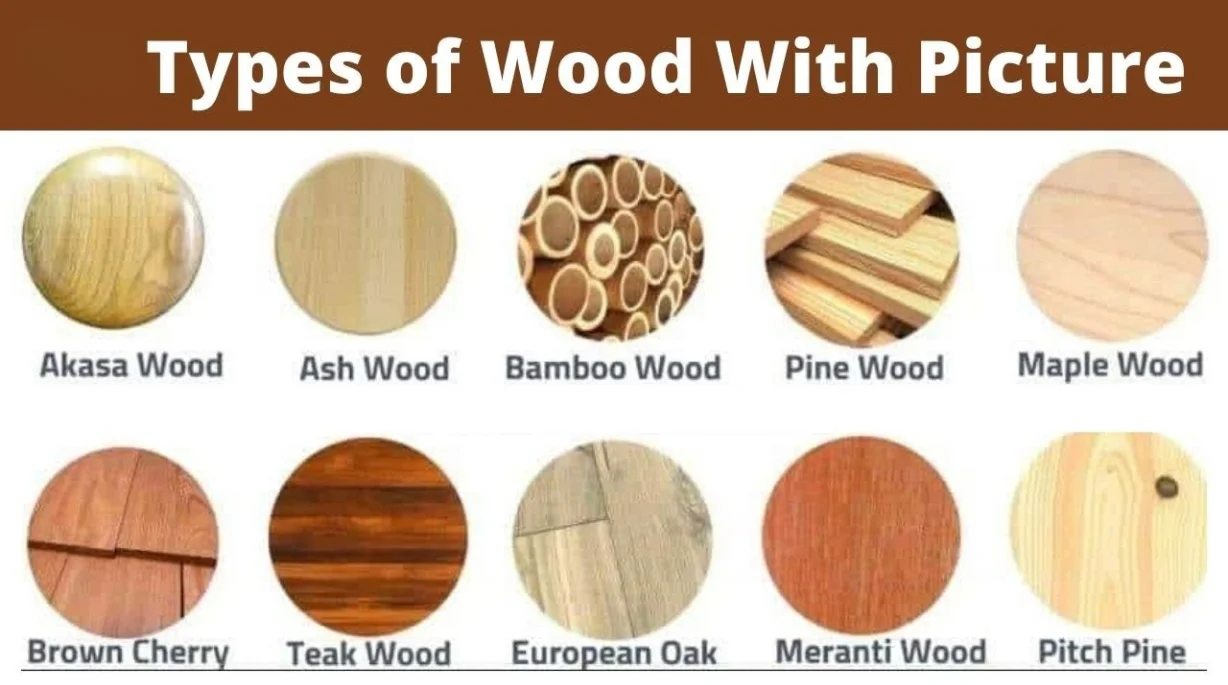
    Sheesham Wood (Indian Rosewood)

    Sheesham is Pakistan’s most popular furniture wood because of its exceptional durability and attractive grain. It naturally resists termites and withstands changing weather conditions better than many alternatives. It is ideal for beds, dining sets, wardrobes, and cabinets.

    Best furniture applications: Beds, wardrobes, dining tables, sofas, cabinets.

    Pros: Extremely durable, termite resistant, beautiful grain, long lifespan.

    Cons: Higher price than engineered wood and relatively heavy.

    Deodar Wood

    Deodar is a strong softwood known for its pleasant aroma and natural resistance to insects. It performs well in dry climates and is commonly used for traditional furniture. Proper treatment further enhances its durability.

    Best furniture applications: Beds, cupboards, doors, traditional furniture.

    Pros: Lightweight, naturally insect resistant, affordable.

    Cons: Softer than hardwoods and requires periodic maintenance.

    Oak Wood

    Oak is a premium hardwood valued for its strength and timeless appearance. It handles heavy daily use without significant wear and complements both classic and modern interiors. Oak furniture can last for generations with proper care.

    Best furniture applications: Dining tables, office furniture, cabinets.

    Pros: Extremely strong, durable, elegant finish.

    Cons: Expensive and heavier than many local woods.

    Walnut Wood

    Walnut is prized for its rich dark color and luxurious appearance. It provides excellent strength while adding sophistication to living spaces. Premium furniture manufacturers often use walnut for high-end collections.

    Best furniture applications: Luxury beds, executive desks, cabinets.

    Pros: Attractive color, durable, premium appearance.

    Cons: Costly and less commonly available.

    Ash Wood

    Ash wood offers an excellent combination of flexibility and strength. It resists impact well, making it suitable for frequently used furniture. Its light color also suits contemporary home interiors.

    Best furniture applications: Chairs, dining furniture, office furniture.

    Pros: Strong, flexible, smooth finish.

    Cons: Requires protection from excessive moisture.

    Teak Wood

    Teak contains natural oils that make it highly resistant to moisture, insects, and decay. It performs exceptionally well in humid regions and remains one of the world’s most durable furniture woods. Its longevity justifies its premium price.

    Best furniture applications: Outdoor furniture, dining sets, premium beds.

    Pros: Waterproof, termite resistant, very long lifespan.

    Cons: One of the most expensive wood options.

    Acacia (Kikar) Wood

    Acacia is a dense hardwood widely appreciated for its strength and affordability. It performs well in varying weather conditions and features attractive natural grain patterns. It is becoming increasingly popular for modern furniture.

    Best furniture applications: Dining tables, coffee tables, beds.

    Pros: Strong, affordable, durable.

    Cons: Needs proper seasoning before manufacturing.

    Solid Wood vs Engineered Wood: Which Performs Better?

    Choosing between solid and engineered wood depends on your budget, usage, and durability expectations. Both materials have advantages, but their long-term performance differs significantly in Pakistan’s climate.

    Advantages of Solid Wood

    Solid wood offers unmatched durability, natural beauty, and the ability to be refinished multiple times. It handles heavy use and maintains its value for decades. High-quality hardwood is ideal for long-term investment.

    Advantages of Engineered Wood

    Engineered wood is more affordable and offers consistent dimensions. It suits modern furniture designs and lighter household use. Quality engineered boards also resist minor expansion and contraction.

    Which Option Is Better for Different Homes?

    Families seeking long-lasting furniture should invest in solid hardwood. Engineered wood is suitable for temporary homes, rental properties, or budget-conscious buyers. The best choice depends on lifestyle and expected furniture lifespan.

    Which Wood Is Best for Different Types of Furniture?

    Different furniture pieces require different levels of strength and durability. Selecting the appropriate wood ensures better performance and longer service life.

    Beds

    Beds require strong hardwood that supports daily weight without bending. Sheesham and teak are among the best options due to their strength and longevity.

    Dining Tables

    Dining tables experience constant daily use and occasional spills. Oak, Sheesham, and Acacia provide excellent durability while maintaining their appearance.

    Sofas

    Wooden sofa frames should remain stable despite continuous use. Sheesham and Ash offer excellent structural strength and long-lasting performance.

    Wardrobes

    Wardrobes need wood that resists warping and supports heavy storage loads. Sheesham and Oak are excellent choices for durable wardrobes.

    Coffee and Center Tables

    Center tables should combine durability with attractive grain patterns. Walnut, Acacia, and Sheesham create elegant statement pieces.

    Office Furniture

    Office desks and storage units require strength, stability, and professional aesthetics. Oak, Ash, and Walnut are ideal for office furniture.

    How to Protect Wooden Furniture from Pakistan’s Weather

    Proper maintenance significantly extends the lifespan of wooden furniture. Simple preventive measures help preserve appearance and structural integrity despite seasonal climate changes.

    Keep Indoor Humidity Balanced

    Maintaining balanced indoor humidity reduces expansion and contraction. Good ventilation helps protect wooden furniture throughout the year.

    Avoid Direct Sunlight

    Continuous sunlight causes fading and dries out natural wood. Position furniture away from direct sunlight or use curtains during peak hours.

    Clean and Polish Regularly

    Dust furniture frequently and apply quality wood polish periodically. Regular care preserves shine while protecting the wood surface.

    Prevent Termite Damage

    Inspect furniture regularly for termite activity and seek professional treatment when necessary. Early prevention avoids expensive repairs.

    Use Protective Pads and Covers

    Protective pads prevent scratches, while covers shield furniture from dust and moisture. These simple accessories greatly extend furniture life.

    Common Mistakes to Avoid When Buying Wooden Furniture

    Many buyers focus only on appearance without evaluating wood quality. Avoiding these common mistakes ensures better value and longer-lasting furniture.

    Choosing Based Only on Price

    Cheap furniture often uses inferior materials that deteriorate quickly. Prioritize quality and durability instead of the lowest price.

    Ignoring Wood Quality

    Always verify the type of wood before purchasing. Genuine hardwood delivers better performance than low-grade alternatives.

    Overlooking Proper Seasoning

    Seasoned wood contains less moisture and is less likely to crack or warp. Ask manufacturers whether the wood has been properly seasoned.

    Buying Without Checking Joinery

    Strong joints indicate quality craftsmanship and structural stability. Inspect joints carefully before making a purchase.

    Forgetting Warranty and After-Sales Support

    A warranty reflects the manufacturer’s confidence in product quality. Reliable after-sales service adds extra peace of mind.

    Why Sheesham Remains the Most Popular Choice in Pakistan

    Sheesham combines durability, natural termite resistance, attractive grain, and excellent strength, making it suitable for nearly every furniture category. It performs well across Pakistan’s varying climates and requires relatively low maintenance. These qualities make it the preferred choice for homeowners seeking long-term value.

    How to Identify High-Quality Wooden Furniture Before Buying

    Examine the grain pattern, weight, finish, and joinery before purchasing furniture. High-quality pieces feel sturdy, have smooth finishes, and use properly seasoned hardwood without visible defects. Buying from trusted manufacturers also ensures better craftsmanship and warranty support.

    Why Choose Gourmet Furnishers

    Gourmet Furnishers is committed to providing premium-quality furniture designed to perform in Pakistan’s unique climate. Every piece is crafted using carefully selected materials and expert workmanship to ensure lasting durability and timeless style.

    Customers choose Gourmet Furnishers because of its premium hardwood furniture, skilled craftsmanship, custom furniture solutions, modern and classic designs, competitive pricing, and reliable nationwide delivery across Pakistan. Whether furnishing a new home or upgrading existing interiors, Gourmet Furnishers delivers furniture that combines beauty, comfort, and long-term value.

    Conclusion

    Selecting the right wood is essential for ensuring furniture remains beautiful, durable, and functional despite Pakistan’s changing climate. Woods like Sheesham, Teak, Oak, Walnut, and Acacia each offer unique advantages depending on your location, budget, and furniture needs. Investing in quality hardwood and purchasing from trusted manufacturers ensures your furniture will provide comfort, style, and value for many years.

    FAQs

    Which wood is best for furniture in Pakistan?

    Sheesham is widely considered the best all-around wood due to its strength, termite resistance, and durability.

    Is teak better than Sheesham?

    Teak offers superior moisture resistance, while Sheesham provides excellent durability at a more affordable price.

    Which wood is best for Karachi’s humid climate?

    Teak and Sheesham are excellent choices because they resist moisture and humidity.

    How long does solid wood furniture last?

    High-quality solid wood furniture can easily last 30–50 years or even longer with proper care.

    How can I protect wooden furniture from termites?

    Keep furniture dry, inspect it regularly, and use professional anti-termite treatments when needed.
  • How to Identify High-Quality Wood Furniture?

    How to Identify High-Quality Wood Furniture?

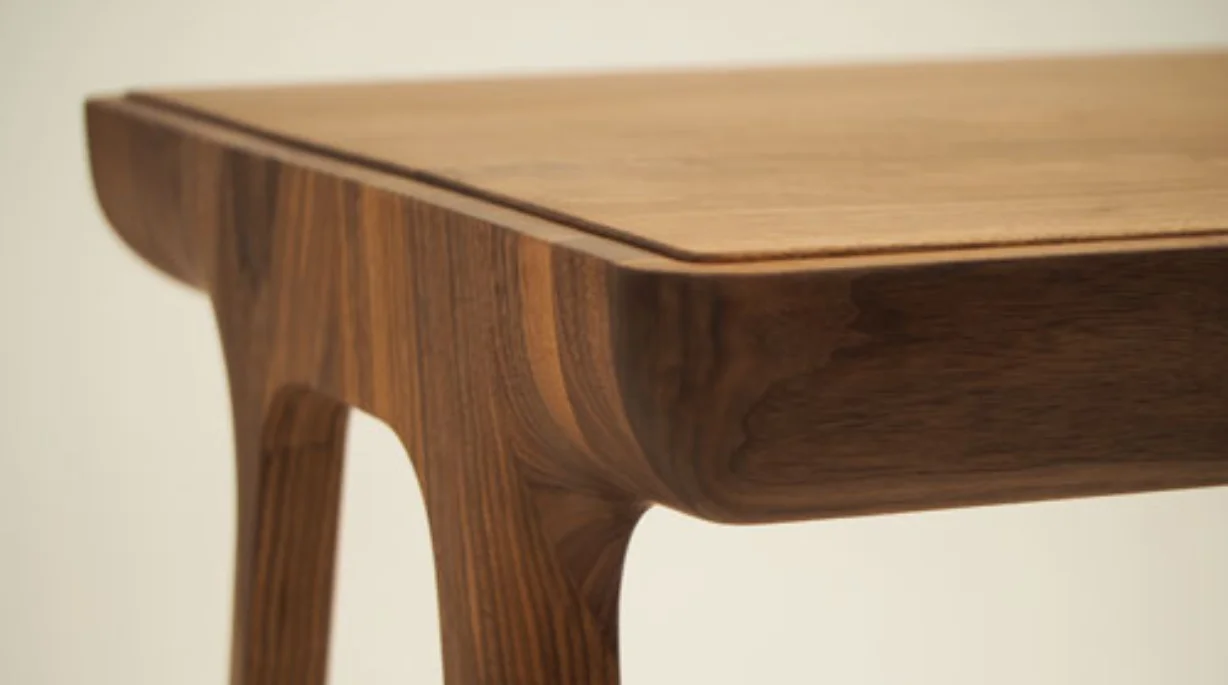
    High-quality wood furniture can be identified by carefully checking the type of wood, craftsmanship, and finishing details. Solid hardwoods like oak, teak, walnut, and maple are usually stronger and more durable than engineered or particle boards. You should look at the joints of the furniture; well-made pieces often use strong joinery techniques such as dovetail or mortise-and-tenon joints instead of nails or weak glue. The surface should feel smooth, even, and properly sealed without rough edges, bubbles, or uneven paint or polish.

    Another important factor is weight and stability, as good-quality wooden furniture tends to feel solid and heavy rather than lightweight or hollow. Check for consistency in color and grain pattern, which reflects careful selection of wood and proper finishing. Also, open drawers or doors to test movement—high-quality furniture operates smoothly without sticking or wobbling. Lastly, reputable manufacturers usually provide warranties, which is a strong sign of confidence in their product quality.

    What Defines High-Quality Wood Furniture?

    High-Quality Wood Furniture

    High-quality wood furniture is defined by its material strength, craftsmanship, and finishing. Solid wood pieces are generally more durable and long-lasting compared to engineered alternatives. The way furniture is designed and assembled also plays a major role in its quality. Strong joints, proper finishing, and attention to detail are key indicators. A premium product feels stable, smooth, and well-balanced. Overall, quality furniture combines beauty with long-term durability.

    Types of Wood Used in Furniture

    Types of Wood Used in Furniture

    Solid Wood

    Solid wood furniture is made from natural timber like teak, oak, walnut, or sheesham. These woods are known for their strength, natural texture, and long lifespan. They often improve in appearance over time and can be refinished if needed. Solid wood is resistant to heavy use and provides a premium look. It is generally heavier, which adds to its durability. This type is ideal for long-term investment.

    Engineered Wood

    Engineered wood includes materials like MDF, plywood, and particle board. It is more affordable and widely used in modern furniture. However, it is less durable compared to solid wood and may get damaged with moisture. It is suitable for budget-friendly or temporary furniture needs. Engineered wood can still look stylish with good finishing. But it usually does not last as long as natural wood.

    How to Check Wood Quality Before Buying

    How to Check Wood Quality Before Buying

    Inspect the Surface Finish

    A high-quality furniture piece will have a smooth and even surface finish. There should be no rough edges, cracks, or uneven polishing. Good finishing also protects the wood from moisture and damage. It enhances the overall appearance of the furniture. Poor finishing often indicates low-quality production. Always run your hand over the surface before buying.

    Check the Weight of Furniture

    Weight is a simple but effective indicator of wood quality. Solid wood furniture is usually heavier due to its dense structure. Lightweight furniture may indicate hollow or engineered materials. Heavy furniture also tends to be more stable and durable. However, weight alone should not be the only factor. It should be checked along with other quality signs.

    Examine the Grain Pattern

    Natural wood has unique and irregular grain patterns. These patterns are never perfectly repeated, making each piece unique. Engineered wood often shows artificial or repeated designs. Observing grain helps you identify authenticity. Natural grain also enhances the aesthetic value of furniture. It is a strong indicator of real wood material.

    Joinery and Construction Quality 

    Joinery and Construction Quality

    What is Joinery in Furniture?

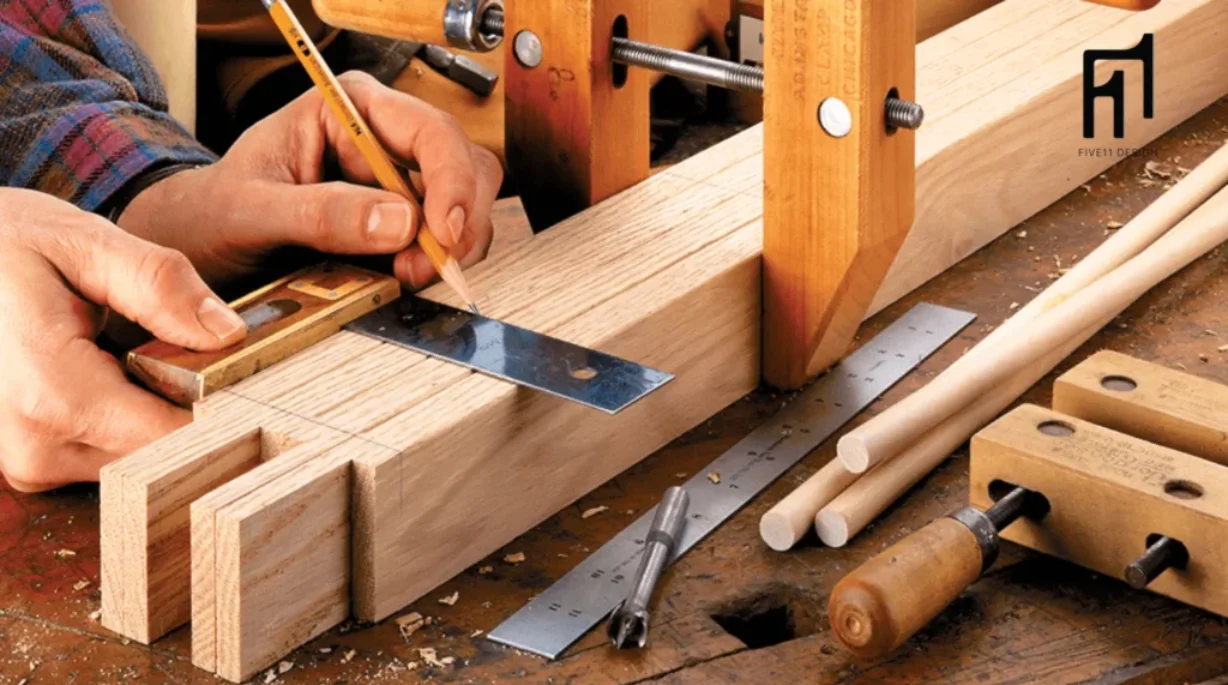
    Joinery refers to the method used to connect different parts of furniture, such as legs, frames, panels, and supports. It is one of the most important factors in determining the strength and lifespan of any furniture piece. Good joinery ensures that all parts fit tightly and securely without unnecessary movement. High-quality furniture avoids weak connections and focuses on precision fitting. When joinery is strong, the furniture remains stable even after long-term use. Poor joinery, on the other hand, leads to loosening, wobbling, and early damage.

    Types of High-Quality Joinery

    There are several traditional and modern joinery techniques used in premium furniture making. Dovetail joints are commonly used in drawers because they interlock strongly and resist pulling apart. Mortise and tenon joints are widely used in chairs and tables, providing excellent strength and stability. Finger joints and lap joints are also used for added support in wooden frames. These joints are designed to distribute weight evenly and prevent structural failure. High-end furniture often combines multiple joinery techniques for maximum durability.

    Importance of Strong Joinery

    Strong joinery directly impacts the durability, safety, and performance of furniture. Well-joined furniture can handle daily pressure, movement, and weight without weakening. It prevents issues like shaking chairs, loose table legs, or broken frames. Good joinery also improves the overall finish and appearance of furniture by keeping everything aligned properly. In contrast, furniture made with nails, staples, or weak glue tends to fail quickly. That’s why joinery quality is a key indicator of premium furniture.

    Construction Quality in Furniture Making

    Construction Quality in Furniture Making

    Construction quality refers to how carefully and professionally the furniture is built from start to finish. It includes material selection, cutting accuracy, assembly technique, and finishing details. High-quality construction ensures that every component is properly balanced and aligned. Skilled craftsmanship plays a major role in achieving smooth edges, tight fittings, and solid structure. Poor construction often results in uneven surfaces, gaps, and unstable design. Well-constructed furniture not only lasts longer but also provides better comfort and usability.

    How to Inspect Joinery and Build Quality

    You can easily check furniture quality by closely inspecting the joints and overall build. Look for tight fittings where no gaps or cracks are visible between connected parts. Try gently shaking the furniture to see if it feels stable or loose. Check drawers and doors to ensure they open smoothly without sticking or wobbling. High-quality furniture will feel solid and heavy due to strong internal structure. Avoid items that rely too much on visible screws, nails, or excessive glue marks.

    Common Problems in Poor Joinery

    Furniture with poor joinery often develops several issues over time. The most common problem is loosening of joints, which causes wobbling and instability. Cracks may appear at weak connection points due to pressure or weight. Cheap adhesives can dry out and lose strength, causing parts to separate. Poor alignment can also affect usability, making doors or drawers difficult to operate. These problems reduce the lifespan of furniture and lead to frequent repairs or replacement.

    Moisture Resistance and Durability in Wood Furniture 

    Moisture Resistance and Durability in Wood Furniture

    What is Moisture Resistance in Furniture?

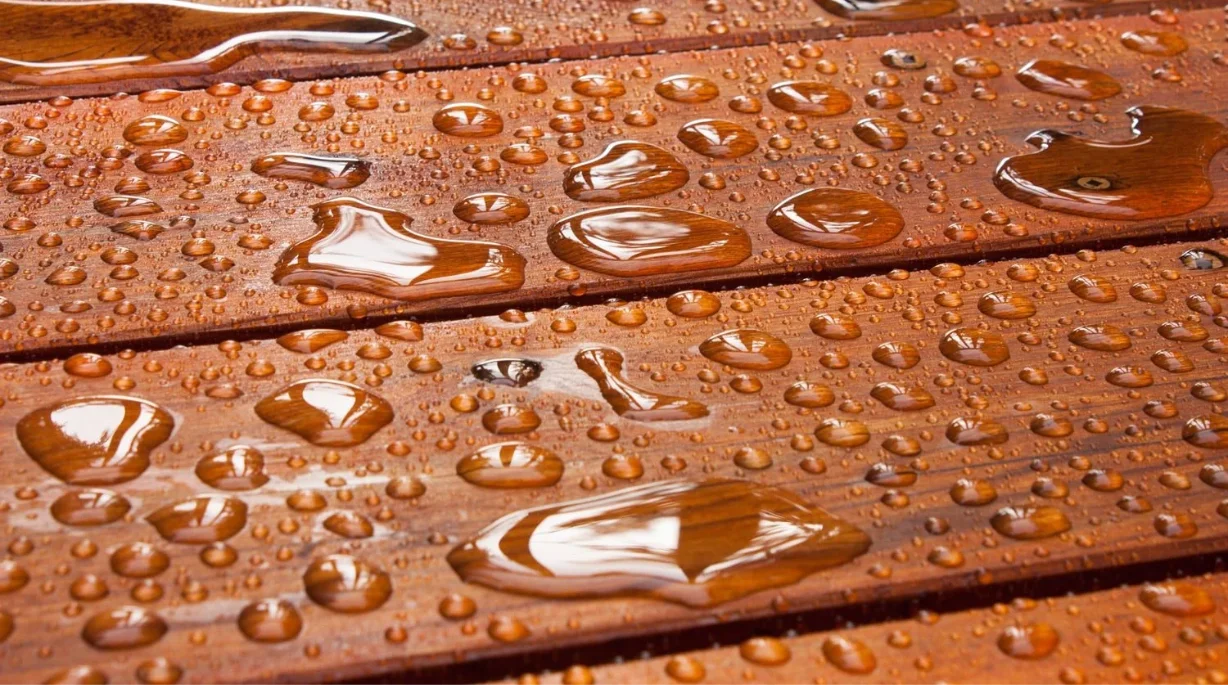
    Moisture resistance refers to the ability of wood furniture to withstand exposure to water, humidity, and environmental moisture without getting damaged. High-quality furniture is specially treated or naturally dense so it does not absorb excessive moisture. This prevents swelling, softening, or structural weakening. Moisture resistance is especially important in areas with high humidity or seasonal weather changes. Without it, wood can quickly lose its strength and appearance.

    Importance of Kiln-Drying Process

    Kiln-drying is a controlled heating process used to remove excess moisture from wood before furniture is made. This process stabilizes the wood by reducing internal water content. As a result, the wood becomes less likely to warp, crack, or shrink over time. Kiln-dried wood is more reliable and long-lasting compared to air-dried or untreated wood. It also improves the bonding of joints and finishes. This step is essential in producing durable, high-quality furniture.

    Protection Against Warping and Cracking

    One of the biggest benefits of moisture control is protection against warping and cracking. When wood absorbs too much moisture, it expands unevenly, causing distortion in shape. Over time, this leads to visible cracks and structural weakness. Properly treated furniture maintains its original shape even after years of use. This ensures smooth functionality of doors, drawers, and frames. Good moisture control significantly increases furniture lifespan.

    Role of Anti-Termite and Pest Treatment

    High-quality furniture is often treated with chemical or natural solutions to resist termites and wood-boring insects. These pests can destroy internal wood structure without being immediately visible. Anti-termite treatment creates a protective barrier that prevents infestation. This is especially important in warm and humid climates where pests are more active. Without such treatment, even strong wood can become hollow and weak over time. Pest resistance is therefore a key part of durability.

    Durability and Long-Term Strength

    Durability refers to how well furniture maintains its strength, shape, and appearance over many years. Moisture-resistant wood stays stable under different environmental conditions. It does not easily bend, crack, or lose its finish. Strong durability means less maintenance and fewer repairs over time. High-quality furniture can last for decades if properly maintained. This makes it a long-term investment for homes and offices.

    Effects of Poor Moisture Protection

    Furniture without proper moisture protection can deteriorate quickly. It may absorb humidity, leading to swelling or uneven surfaces. Joints may loosen, and paint or polish may start peeling off. Over time, the structure becomes weak and unsafe for regular use. In severe cases, fungal growth or pest infestation may occur. This significantly reduces the value and usability of the furniture.

    Finishing and Coating Quality in Wood Furniture 

    Finishing and Coating Quality in Wood Furniture

    What is Furniture Finishing?

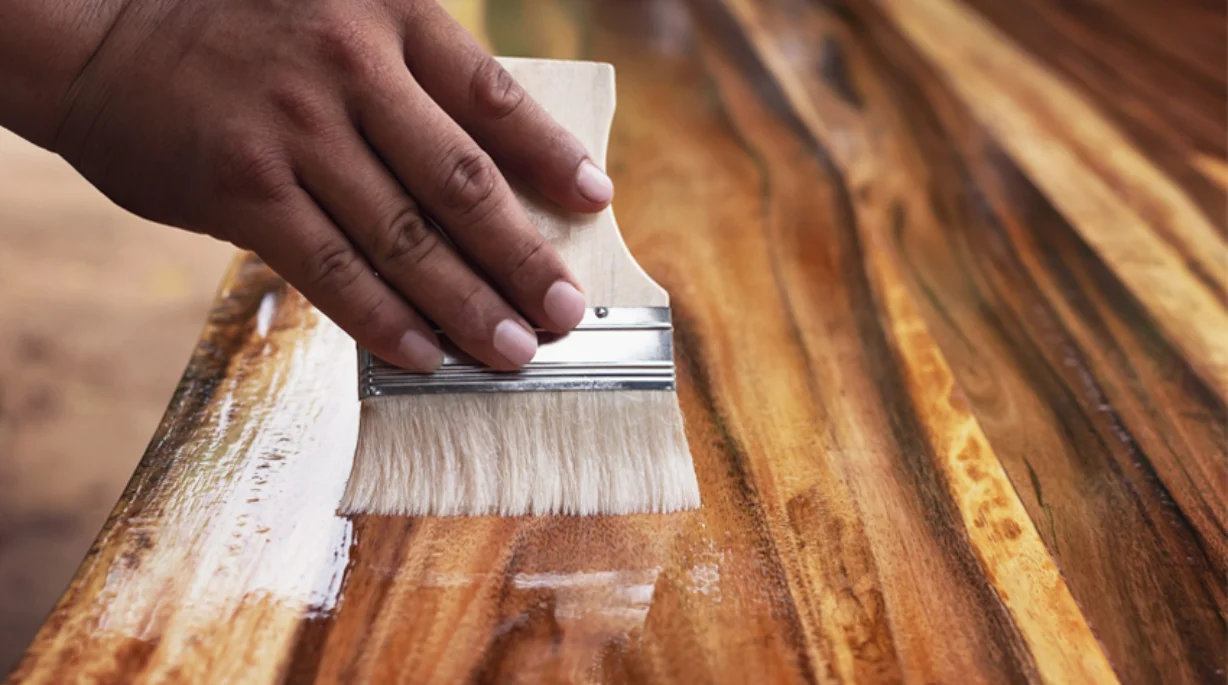
    Finishing refers to the final surface treatment applied to wood furniture after it is shaped and assembled. It is not only about making furniture look attractive but also about protecting the surface from external damage. A good finish enhances the texture, color, and natural grain of wood. It also helps seal the surface, making it smoother and more durable. Without proper finishing, even strong furniture can look dull and wear out quickly.

    Importance of High-Quality Coatings

    High-quality furniture uses strong protective coatings such as lacquer, polyurethane, varnish, or premium polish. These coatings create a protective layer over the wood surface. This layer prevents moisture, dust, and chemicals from penetrating the wood. It also helps maintain the furniture’s shine and color for a longer time. Poor-quality coatings may peel, crack, or fade within a short period, reducing both beauty and durability.

    Protection Against Scratches and Stains

    One of the main purposes of finishing is to protect furniture from daily wear and tear. High-quality coatings make the surface resistant to scratches caused by regular use. They also prevent stains from liquids such as water, tea, or coffee from seeping into the wood. This is especially important for tables, chairs, and frequently used surfaces. A strong finish keeps furniture looking new even after years of use.

    Enhancing Natural Wood Beauty

    Good finishing does more than just protect—it enhances the natural beauty of wood. It highlights the grain patterns, color depth, and texture of the material. A well-applied polish gives the furniture a smooth and elegant appearance. Matte, semi-gloss, or high-gloss finishes can be chosen depending on design style. High-quality finishing ensures that the wood looks rich and premium rather than dull or artificial.

    Signs of Poor Finishing

    Poor finishing is easy to identify if you look closely at the surface. It may show uneven color, rough patches, or visible brush marks. The coating may feel sticky or inconsistent in different areas. Over time, such finishes start fading, peeling, or cracking. Furniture with poor finishing also becomes more vulnerable to water damage and scratches. These issues reduce both the appearance and lifespan of the product.

    Importance of Consistency and Shine

    A high-quality finish is always consistent across the entire furniture piece. There should be no dull spots, bubbles, or uneven gloss levels. The shine should look natural and evenly distributed under light. Consistency in finishing reflects skilled craftsmanship and attention to detail. Always inspect furniture under proper lighting to check for uniformity. This is one of the most reliable indicators of premium-quality furniture.

    Brand Reputation and Craftsmanship in Furniture 

    Brand Reputation and Craftsmanship in Furniture

    What is Brand Reputation in Furniture?

    Brand reputation refers to how trustworthy and reliable a furniture company is in the market. A well-known brand usually builds its reputation through consistent quality, durable products, and good customer service. When a brand has a strong reputation, it means customers are generally satisfied with their purchases. This helps new buyers feel more confident in choosing their products. A poor reputation, on the other hand, often indicates inconsistent quality or weak after-sales support.

    Importance of Experienced Craftsmanship

    Craftsmanship plays a key role in determining the overall quality of furniture. Skilled craftsmen understand how to properly cut, shape, join, and finish wood with precision. Their experience allows them to create furniture that is not only strong but also visually appealing. They pay attention to small details like alignment, smooth edges, and structural balance. Poor craftsmanship can lead to weak joints, uneven surfaces, and reduced durability. High-quality furniture is always a result of expert workmanship.

    Custom-Made vs Mass-Produced Furniture

    Custom-made furniture is often crafted with greater attention to detail compared to mass-produced items. It allows better control over materials, design, and finishing quality. Customers can also request specific adjustments according to their needs and space. Mass-produced furniture, while cheaper, is often made quickly in large quantities, which may affect precision and durability. Custom pieces usually last longer and offer better performance. This makes them a preferred choice for quality-focused buyers.

    Role of Customer Reviews and Feedback

    Customer reviews are an important factor in evaluating a furniture brand’s reliability. Positive reviews usually indicate good product quality, durability, and customer satisfaction. Negative feedback can highlight issues like poor finishing, weak structure, or delayed service. Reading reviews helps buyers make informed decisions before purchasing. Trusted brands often maintain a strong online and offline reputation supported by real customer experiences. This builds long-term trust in the market.

    Long-Term Customer Satisfaction

    A reliable furniture brand focuses not just on selling products but also on ensuring long-term satisfaction. This includes offering durable designs, warranty support, and responsive customer service. Such brands aim to build lasting relationships with their customers. They prioritize quality materials and proper construction to reduce future complaints. Long-term satisfaction is a sign of consistent quality and professionalism. It also reflects the brand’s commitment to excellence.

    Why Choosing a Trusted Manufacturer Matters

    Choosing a reputable furniture manufacturer reduces the risk of receiving low-quality or poorly built products. Trusted brands follow proper quality standards and use better materials in production. They also ensure that each piece undergoes quality checks before delivery. This minimizes defects and improves overall reliability. Investing in a trusted manufacturer gives peace of mind and ensures better value for money.

    Price vs Quality in Wood Furniture

    Price vs Quality in Wood Furniture

    Understanding the Relationship Between Price and Quality

    Price in furniture is usually a direct reflection of the materials used, craftsmanship level, and overall build quality. High-quality wood, strong joinery, and premium finishing naturally increase the cost of furniture. When a piece is made with care and durable materials, its price tends to be higher. However, this higher price often ensures better performance and longer lifespan. Cheap furniture, on the other hand, often reduces costs by using low-grade materials and simpler construction methods.

    Why Cheap Furniture Often Compromises Quality

    Low-priced furniture is usually made with cost-cutting techniques that affect durability. Manufacturers may use low-quality wood, weak adhesives, or poor finishing materials. This results in furniture that may look good initially but deteriorates quickly over time. Joints may loosen, surfaces may scratch easily, and structural strength may decrease. In many cases, cheap furniture requires frequent repairs or replacement, increasing long-term expenses.

    Benefits of Investing in High-Quality Furniture

    High-quality wood furniture may require a higher initial investment, but it provides long-term value. It is built using strong materials, precise joinery, and protective finishes that increase durability. Such furniture can last for many years without major issues. It also maintains its appearance and structural strength even with regular use. This makes it a more reliable and cost-effective choice in the long run.

    Long-Term Value vs Short-Term Savings

    Choosing furniture based only on low price can lead to higher costs over time due to replacements and repairs. In contrast, investing in durable furniture reduces maintenance and replacement needs. Long-term value focuses on how well the furniture performs over years rather than its initial cost. Smart buyers understand that quality furniture saves money in the long run. It is always better to think beyond short-term savings.

    How Smart Buyers Make Decisions

    Smart buyers carefully balance cost with durability, design, and material quality. They compare different options instead of choosing the cheapest product available. They also check construction quality, finishing, and brand reputation before purchasing. Reviews and product details help them understand long-term performance. This approach ensures they get the best value for their money while avoiding poor-quality furniture.

    Final Insight on Price and Quality

    Price should never be the only deciding factor when buying furniture. A slightly higher investment in quality furniture often results in better comfort, durability, and satisfaction. Good furniture is not just a purchase but a long-term investment for the home. Choosing quality over price ensures better performance and reduces future expenses.

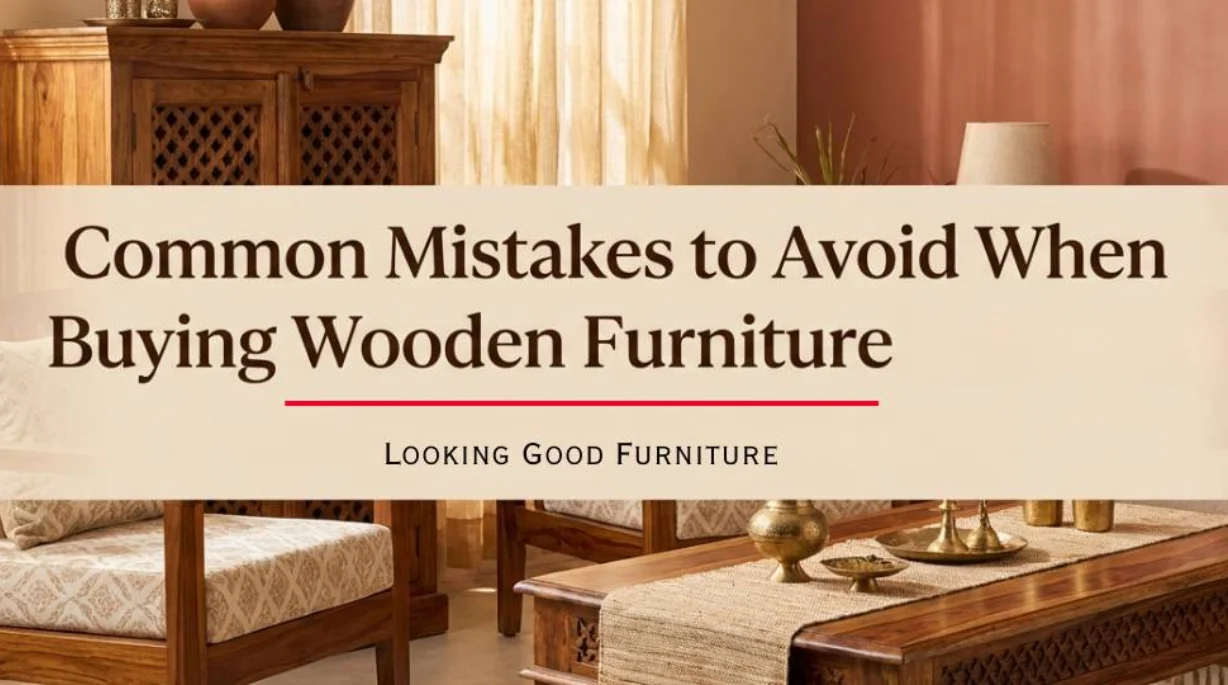
    Common Mistakes to Avoid When Buying Wood Furniture

    Common Mistakes to Avoid When Buying Wood Furniture

    Focusing Only on Appearance

    One of the most common mistakes buyers make is choosing furniture based only on its appearance. While design and style are important, they do not guarantee durability or quality. Beautiful furniture may still be made from low-grade materials that wear out quickly. Many buyers get attracted to polished finishes or modern designs without checking internal strength. Always remember that true quality lies inside the structure, not just the outer look.

    Ignoring Material Quality

    Another major mistake is not paying attention to the type and quality of wood used. Different woods have different strength levels, durability, and resistance to damage. Low-quality or engineered wood may not last long under regular use. High-quality hardwood, on the other hand, offers better strength and stability. Ignoring material quality often results in furniture that breaks, bends, or deteriorates quickly.

    Not Checking Joints and Construction

    Many buyers forget to inspect how furniture pieces are joined together. Strong joinery like dovetail, mortise, and tenon is a sign of good craftsmanship. Weak joints made with nails or poor glue can lead to wobbling and instability. Over time, poorly constructed furniture may loosen or break completely. Always check the joints carefully before making a purchase to ensure long-term durability.

    Overlooking Moisture Resistance

    Moisture resistance is often ignored by buyers, especially in humid regions. Wood that is not properly treated can absorb moisture, leading to swelling, cracking, or warping. This can significantly reduce the lifespan of furniture. Kiln-dried and treated wood performs much better in varying weather conditions. Ignoring this factor can result in early damage and costly replacements.

    Not Researching the Brand or Manufacturer

    Many people fail to research the brand or manufacturer before buying furniture. A trusted brand usually guarantees better quality, consistency, and customer support. Unverified sellers may offer low prices but compromise on materials and craftsmanship. Checking reviews, reputation, and past customer experiences can help avoid poor-quality products. A reliable brand ensures better long-term satisfaction and peace of mind.

    Making Decisions Based on Price Alone

    Choosing furniture only because it is cheap is another common mistake. Low-cost furniture often sacrifices durability, finishing, and material quality. While it may seem like a good deal initially, it usually leads to higher replacement or repair costs later. It is always better to balance price with quality and long-term value. Smart buying focuses on durability rather than just saving money upfront.

    Why Choose Gourmet Furnishers 

    Premium Quality Wood Furniture

    Premium Quality Wood Furniture

    Gourmet Furnishers is known for offering high-quality wood furniture that combines strength, durability, and style. Each product is carefully manufactured using selected materials that ensure long-lasting performance. The brand focuses on delivering furniture that can withstand daily use without losing its structure or appearance. This makes it a reliable choice for both home and office interiors. Quality is always maintained as a top priority in every product.

    Attention to Detail in Craftsmanship

    Every furniture piece is designed with strong attention to detail, from cutting and assembly to finishing. Skilled craftsmen ensure precise construction, smooth edges, and perfect alignment in every design. This level of craftsmanship enhances both durability and visual appeal. Small details such as joints, polish, and texture are carefully handled to achieve a premium look. Such dedication ensures that each item meets high-quality standards.

    Modern Designs with Long-Lasting Strength

    Gourmet Furnishers focuses on combining modern aesthetics with solid construction. Their designs are created to match contemporary interior trends while maintaining structural strength. This balance ensures that customers do not have to compromise between style and durability. Furniture pieces are built to remain strong even after years of use. This makes them suitable for long-term investment in home décor.

    Customization Options for Customers

    One of the key advantages of choosing Gourmet Furnishers is the availability of customized furniture solutions. Customers can select designs, materials, sizes, and finishes according to their personal requirements. This flexibility allows buyers to create furniture that perfectly fits their space and style. Custom-made options also ensure better satisfaction and usability. It is ideal for those who want unique and personalized interiors.

    Strong Construction and Premium Finishing

    The brand emphasizes strong construction techniques and high-quality finishing in every product. Durable joinery and solid wood structure ensure stability and long life. At the same time, premium coatings and polishing enhance the beauty and protection of the furniture. This combination prevents damage from scratches, moisture, and daily wear. As a result, the furniture remains elegant and functional for years.

    Value, Reliability, and Customer Satisfaction

    Choosing Gourmet Furnishers means investing in long-term value and reliability. The brand focuses on customer satisfaction by delivering durable and stylish furniture solutions. It aims to build trust through consistent quality and dependable service. Customers receive products that are both practical and visually appealing. This makes it a trusted choice for quality furniture buyers.

    Conclusion

    Identifying high-quality wood furniture requires careful attention to material, construction, and finishing. Understanding wood types and joinery helps you make smarter buying decisions. Good furniture is not just about looks but also long-term durability. Investing in quality saves money in the long run. Always choose trusted brands and inspect details before purchasing. With the right knowledge, you can select furniture that lasts for generations.

    FAQs

    What is the strongest wood for furniture?

    Teak and oak are considered among the strongest and most durable woods for furniture.

    How can I check if wood furniture is real?

    Check grain patterns, weight, and natural imperfections in the surface.

    Is solid wood better than engineered wood?

    Yes, solid wood is more durable and long-lasting compared to engineered wood.

    How long does quality wood furniture last?

    High-quality wood furniture can last 15 to 50 years or more with proper care.

    What is the most important factor in furniture quality?

    Strong joinery and high-quality wood material are the most important factors.