
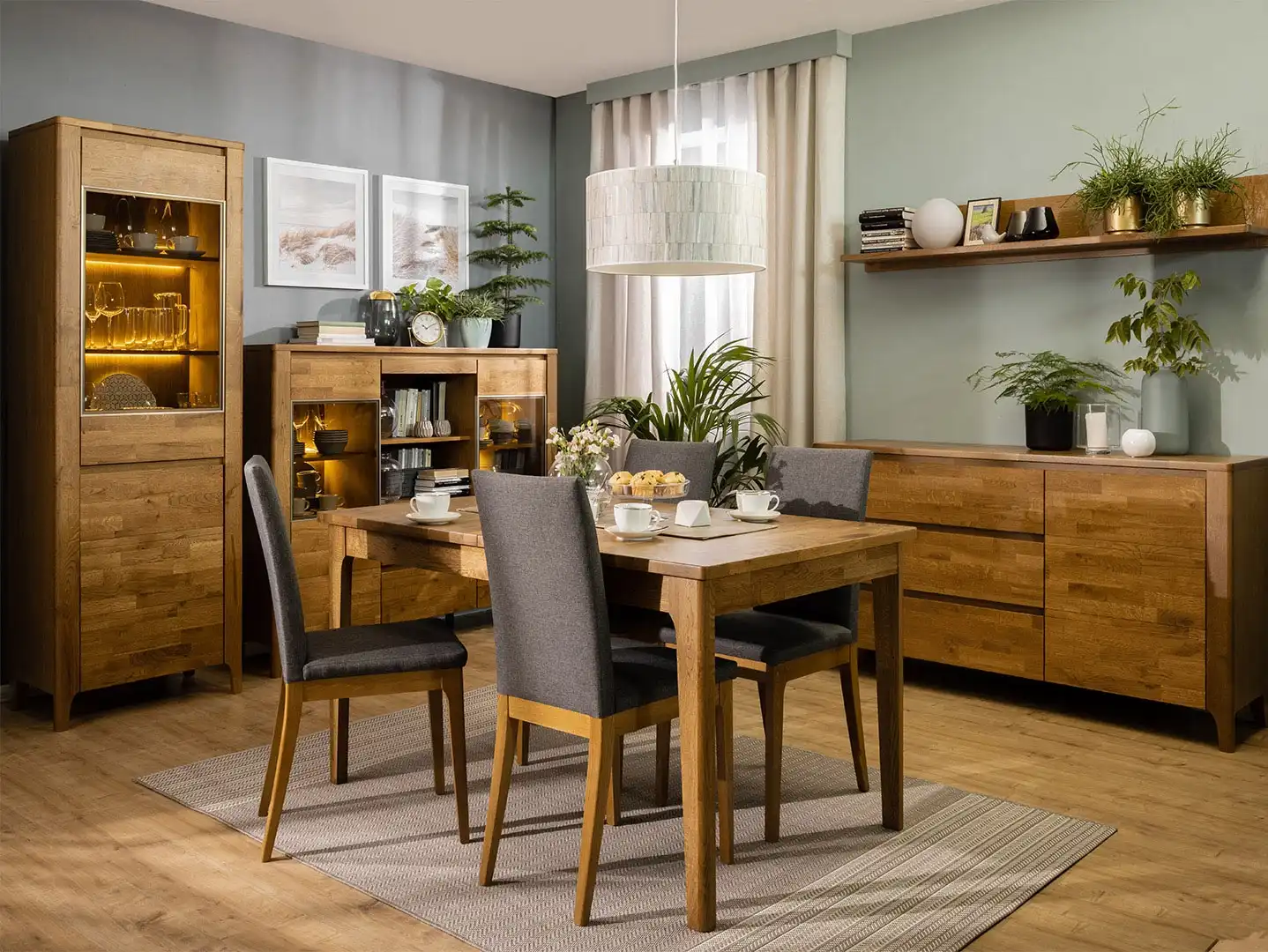
The best wood for furniture in Pakistan’s climate depends on your budget and needs, but Sheesham (Rosewood) is widely considered the top choice because of its exceptional durability, natural resistance to termites, and ability to withstand heat and humidity. Other excellent options include Deodar for its moisture resistance, Oak for strength and longevity, and Engineered Wood (MDF/HDF) for affordable indoor furniture in dry spaces. If you want furniture that lasts for decades with minimal maintenance, solid Sheesham wood offers the best combination of strength, beauty, and performance in Pakistan’s varying weather conditions.
Understanding Pakistan’s Climate and Its Impact on Wood Furniture
Pakistan experiences varying weather conditions throughout the year, and these environmental changes directly impact wooden furniture. Heat, humidity, and moisture can cause wood to expand, contract, crack, or warp if the wrong material is used. Understanding these conditions helps buyers make smarter furniture decisions.
Hot and Dry Regions
Cities such as Lahore, Multan, and Faisalabad experience long, hot summers with low humidity. Wood exposed to excessive heat may shrink or develop small cracks if it has not been properly seasoned. Dense hardwoods perform much better under these conditions because they remain stable over time.
Humid Coastal Areas
Coastal cities like Karachi have high humidity throughout the year. Moisture in the air can cause certain woods to swell, bend, or become vulnerable to fungal growth. Woods with natural oils and excellent moisture resistance are the best choice for these environments.
Monsoon and Seasonal Moisture
The monsoon season brings increased humidity and occasional water exposure in many parts of Pakistan. Furniture made from low-quality wood may absorb moisture and lose its original shape. Properly treated hardwood withstands seasonal weather changes much more effectively.
Common Problems Caused by Climate
Poor-quality or untreated wood often develops cracks, warping, termite damage, fading, and loose joints due to weather changes. These issues reduce furniture lifespan and increase maintenance costs. Investing in premium wood helps avoid these common problems.
Factors to Consider When Choosing Wood Furniture
Before purchasing furniture, buyers should evaluate more than just design and price. The wood’s durability, moisture resistance, and maintenance requirements determine how well it will perform in Pakistan’s climate. Choosing the right material ensures long-term value.
Moisture Resistance
Moisture-resistant wood prevents swelling, warping, and fungal damage during humid weather. This feature is especially important for homes in coastal and monsoon-prone regions. Woods like teak and Sheesham naturally resist moisture.
Durability and Strength
Furniture should withstand daily use without losing its structural integrity. Dense hardwoods offer excellent strength for beds, dining tables, wardrobes, and sofas. Durable wood minimizes repairs and extends furniture life.
Resistance to Termites and Insects
Termites are a major concern in many Pakistani cities. Naturally resistant hardwoods reduce the chances of infestation and require fewer chemical treatments. Choosing termite-resistant wood protects your investment.
Maintenance Requirements
Some woods require frequent polishing, while others maintain their appearance with minimal care. Low-maintenance furniture is ideal for busy households. Understanding maintenance needs helps reduce long-term upkeep costs.
Cost and Long-Term Value
Cheaper furniture may save money initially but often requires early replacement. Premium hardwood costs more upfront but delivers better durability and lower maintenance expenses. Long-term value should always outweigh short-term savings.
Best Woods for Furniture in Pakistan’s Climate
Several hardwoods perform exceptionally well in Pakistan because they offer durability, strength, and resistance to environmental changes. Each wood has unique characteristics that make it suitable for specific furniture types.
Sheesham Wood (Indian Rosewood)
Sheesham is Pakistan’s most popular furniture wood because of its exceptional durability and attractive grain. It naturally resists termites and withstands changing weather conditions better than many alternatives. It is ideal for beds, dining sets, wardrobes, and cabinets.
Best furniture applications: Beds, wardrobes, dining tables, sofas, cabinets.
Pros: Extremely durable, termite resistant, beautiful grain, long lifespan.
Cons: Higher price than engineered wood and relatively heavy.
Deodar Wood
Deodar is a strong softwood known for its pleasant aroma and natural resistance to insects. It performs well in dry climates and is commonly used for traditional furniture. Proper treatment further enhances its durability.
Best furniture applications: Beds, cupboards, doors, traditional furniture.
Pros: Lightweight, naturally insect resistant, affordable.
Cons: Softer than hardwoods and requires periodic maintenance.
Oak Wood
Oak is a premium hardwood valued for its strength and timeless appearance. It handles heavy daily use without significant wear and complements both classic and modern interiors. Oak furniture can last for generations with proper care.
Best furniture applications: Dining tables, office furniture, cabinets.
Pros: Extremely strong, durable, elegant finish.
Cons: Expensive and heavier than many local woods.
Walnut Wood
Walnut is prized for its rich dark color and luxurious appearance. It provides excellent strength while adding sophistication to living spaces. Premium furniture manufacturers often use walnut for high-end collections.
Best furniture applications: Luxury beds, executive desks, cabinets.
Pros: Attractive color, durable, premium appearance.
Cons: Costly and less commonly available.
Ash Wood
Ash wood offers an excellent combination of flexibility and strength. It resists impact well, making it suitable for frequently used furniture. Its light color also suits contemporary home interiors.
Best furniture applications: Chairs, dining furniture, office furniture.
Pros: Strong, flexible, smooth finish.
Cons: Requires protection from excessive moisture.
Teak Wood
Teak contains natural oils that make it highly resistant to moisture, insects, and decay. It performs exceptionally well in humid regions and remains one of the world’s most durable furniture woods. Its longevity justifies its premium price.
Best furniture applications: Outdoor furniture, dining sets, premium beds.
Pros: Waterproof, termite resistant, very long lifespan.
Cons: One of the most expensive wood options.
Acacia (Kikar) Wood
Acacia is a dense hardwood widely appreciated for its strength and affordability. It performs well in varying weather conditions and features attractive natural grain patterns. It is becoming increasingly popular for modern furniture.
Best furniture applications: Dining tables, coffee tables, beds.
Pros: Strong, affordable, durable.
Cons: Needs proper seasoning before manufacturing.
Solid Wood vs Engineered Wood: Which Performs Better?
Choosing between solid and engineered wood depends on your budget, usage, and durability expectations. Both materials have advantages, but their long-term performance differs significantly in Pakistan’s climate.
Advantages of Solid Wood
Solid wood offers unmatched durability, natural beauty, and the ability to be refinished multiple times. It handles heavy use and maintains its value for decades. High-quality hardwood is ideal for long-term investment.
Advantages of Engineered Wood
Engineered wood is more affordable and offers consistent dimensions. It suits modern furniture designs and lighter household use. Quality engineered boards also resist minor expansion and contraction.
Which Option Is Better for Different Homes?
Families seeking long-lasting furniture should invest in solid hardwood. Engineered wood is suitable for temporary homes, rental properties, or budget-conscious buyers. The best choice depends on lifestyle and expected furniture lifespan.
Which Wood Is Best for Different Types of Furniture?
Different furniture pieces require different levels of strength and durability. Selecting the appropriate wood ensures better performance and longer service life.
Beds
Beds require strong hardwood that supports daily weight without bending. Sheesham and teak are among the best options due to their strength and longevity.
Dining Tables
Dining tables experience constant daily use and occasional spills. Oak, Sheesham, and Acacia provide excellent durability while maintaining their appearance.
Sofas
Wooden sofa frames should remain stable despite continuous use. Sheesham and Ash offer excellent structural strength and long-lasting performance.
Wardrobes
Wardrobes need wood that resists warping and supports heavy storage loads. Sheesham and Oak are excellent choices for durable wardrobes.
Coffee and Center Tables
Center tables should combine durability with attractive grain patterns. Walnut, Acacia, and Sheesham create elegant statement pieces.
Office Furniture
Office desks and storage units require strength, stability, and professional aesthetics. Oak, Ash, and Walnut are ideal for office furniture.
How to Protect Wooden Furniture from Pakistan’s Weather
Proper maintenance significantly extends the lifespan of wooden furniture. Simple preventive measures help preserve appearance and structural integrity despite seasonal climate changes.
Keep Indoor Humidity Balanced
Maintaining balanced indoor humidity reduces expansion and contraction. Good ventilation helps protect wooden furniture throughout the year.
Avoid Direct Sunlight
Continuous sunlight causes fading and dries out natural wood. Position furniture away from direct sunlight or use curtains during peak hours.
Clean and Polish Regularly
Dust furniture frequently and apply quality wood polish periodically. Regular care preserves shine while protecting the wood surface.
Prevent Termite Damage
Inspect furniture regularly for termite activity and seek professional treatment when necessary. Early prevention avoids expensive repairs.
Use Protective Pads and Covers
Protective pads prevent scratches, while covers shield furniture from dust and moisture. These simple accessories greatly extend furniture life.
Common Mistakes to Avoid When Buying Wooden Furniture
Many buyers focus only on appearance without evaluating wood quality. Avoiding these common mistakes ensures better value and longer-lasting furniture.
Choosing Based Only on Price
Cheap furniture often uses inferior materials that deteriorate quickly. Prioritize quality and durability instead of the lowest price.
Ignoring Wood Quality
Always verify the type of wood before purchasing. Genuine hardwood delivers better performance than low-grade alternatives.
Overlooking Proper Seasoning
Seasoned wood contains less moisture and is less likely to crack or warp. Ask manufacturers whether the wood has been properly seasoned.
Buying Without Checking Joinery
Strong joints indicate quality craftsmanship and structural stability. Inspect joints carefully before making a purchase.
Forgetting Warranty and After-Sales Support
A warranty reflects the manufacturer’s confidence in product quality. Reliable after-sales service adds extra peace of mind.
Why Sheesham Remains the Most Popular Choice in Pakistan
Sheesham combines durability, natural termite resistance, attractive grain, and excellent strength, making it suitable for nearly every furniture category. It performs well across Pakistan’s varying climates and requires relatively low maintenance. These qualities make it the preferred choice for homeowners seeking long-term value.
How to Identify High-Quality Wooden Furniture Before Buying
Examine the grain pattern, weight, finish, and joinery before purchasing furniture. High-quality pieces feel sturdy, have smooth finishes, and use properly seasoned hardwood without visible defects. Buying from trusted manufacturers also ensures better craftsmanship and warranty support.
Why Choose Gourmet Furnishers
Gourmet Furnishers is committed to providing premium-quality furniture designed to perform in Pakistan’s unique climate. Every piece is crafted using carefully selected materials and expert workmanship to ensure lasting durability and timeless style.
Customers choose Gourmet Furnishers because of its premium hardwood furniture, skilled craftsmanship, custom furniture solutions, modern and classic designs, competitive pricing, and reliable nationwide delivery across Pakistan. Whether furnishing a new home or upgrading existing interiors, Gourmet Furnishers delivers furniture that combines beauty, comfort, and long-term value.
Conclusion
Selecting the right wood is essential for ensuring furniture remains beautiful, durable, and functional despite Pakistan’s changing climate. Woods like Sheesham, Teak, Oak, Walnut, and Acacia each offer unique advantages depending on your location, budget, and furniture needs. Investing in quality hardwood and purchasing from trusted manufacturers ensures your furniture will provide comfort, style, and value for many years.
FAQs
Which wood is best for furniture in Pakistan?
Sheesham is widely considered the best all-around wood due to its strength, termite resistance, and durability.
Is teak better than Sheesham?
Teak offers superior moisture resistance, while Sheesham provides excellent durability at a more affordable price.
Which wood is best for Karachi’s humid climate?
Teak and Sheesham are excellent choices because they resist moisture and humidity.
How long does solid wood furniture last?
High-quality solid wood furniture can easily last 30–50 years or even longer with proper care.
How can I protect wooden furniture from termites?
Keep furniture dry, inspect it regularly, and use professional anti-termite treatments when needed.
Leave a Reply
You must be logged in to post a comment.