
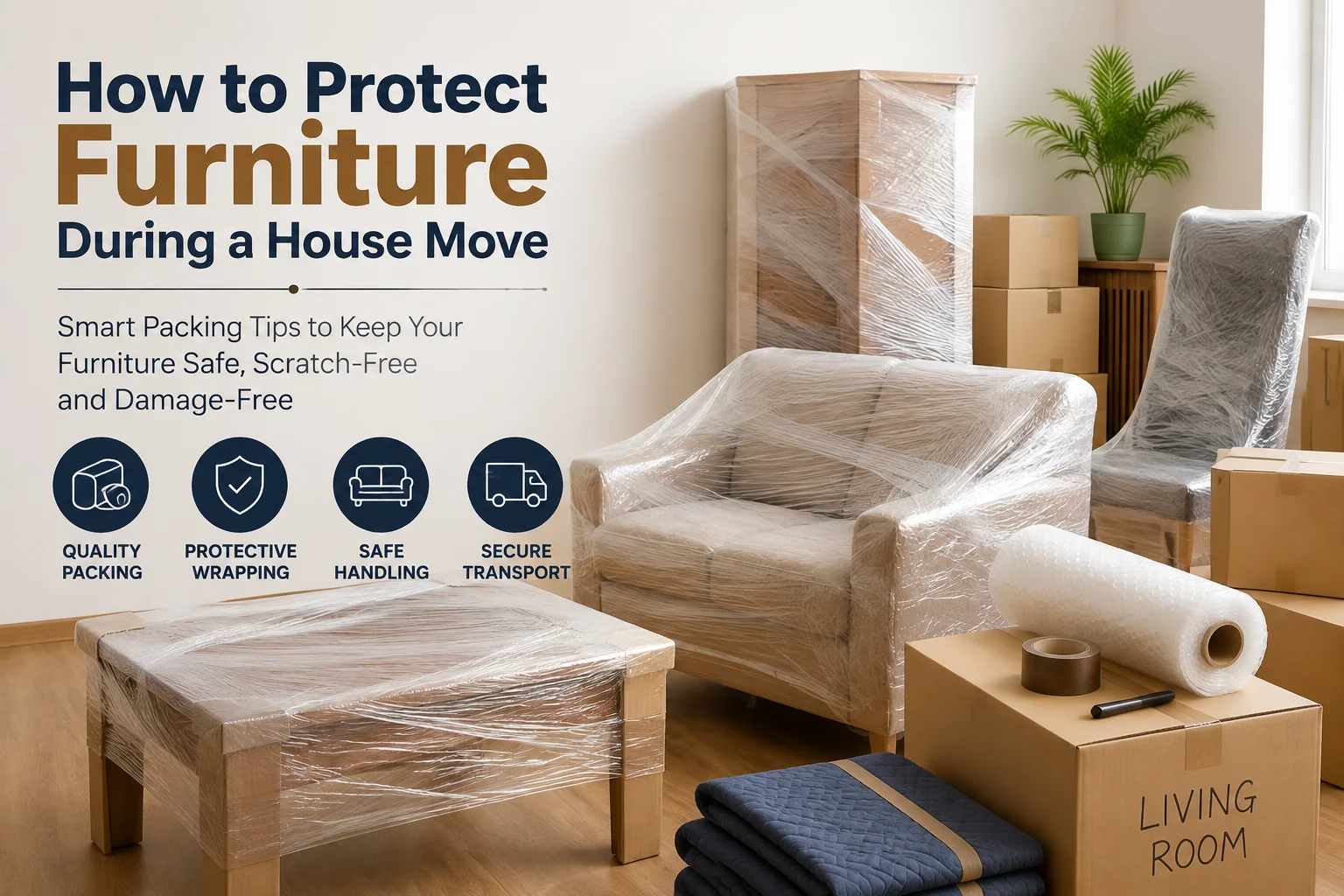
The best way to protect furniture during a house move is to clean and prepare each piece before packing, remove detachable parts such as drawers, shelves, and legs, and wrap surfaces with moving blankets, bubble wrap, or thick protective covers. Use cardboard corners and padding on delicate edges, secure drawers and doors so they do not open during transportation, and avoid placing heavy items directly on fragile furniture. For wooden furniture, keep it protected from moisture and excessive heat, while sofas and mattresses should be covered with plastic or specialized furniture covers to prevent dust and stains. Finally, use proper lifting techniques and carefully secure furniture inside the moving vehicle to prevent shifting, scratches, dents, and other damage.
Why Furniture Protection Is Important During Moving
Furniture is built for everyday comfort and long-term use, but moving creates situations where damage can happen quickly. Furniture has to pass through narrow spaces, be lifted multiple times, and travel on roads where sudden movements can affect its structure.
Wooden furniture, especially, needs extra care because scratches, moisture, and impact can damage the finish permanently. Sofas, wardrobes, and dining tables also require proper wrapping to avoid stains, cracks, and surface damage.T aking preventive steps before moving saves money on repairs and helps preserve the original quality of your furniture for many years.
Prepare Your Furniture Before Moving Day
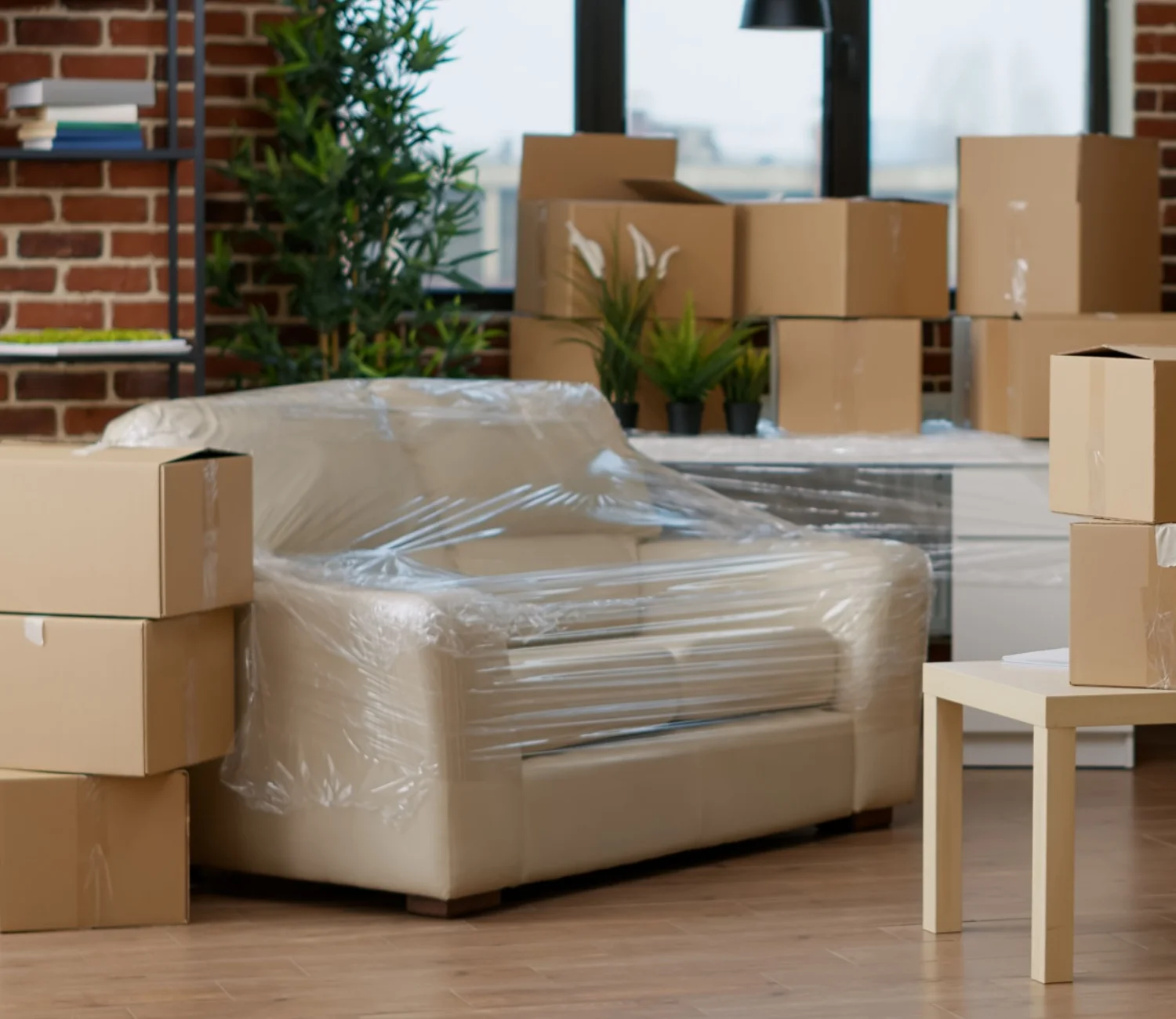
Preparation is one of the most important steps for protecting furniture during relocation. Many damages happen because homeowners start packing at the last moment and handle furniture without a proper plan.
Before moving, inspect each furniture item, remove unnecessary accessories, and prepare the required packing materials. Creating a simple moving plan ensures every item receives the right protection.
Important preparation steps include:
- Measuring doorways and pathways
- Removing drawers and shelves
- Taking pictures before disassembly
- Labeling furniture parts
- Preparing protective covers
A well-planned move reduces stress and prevents accidental damage.
Clean Furniture Before Packing
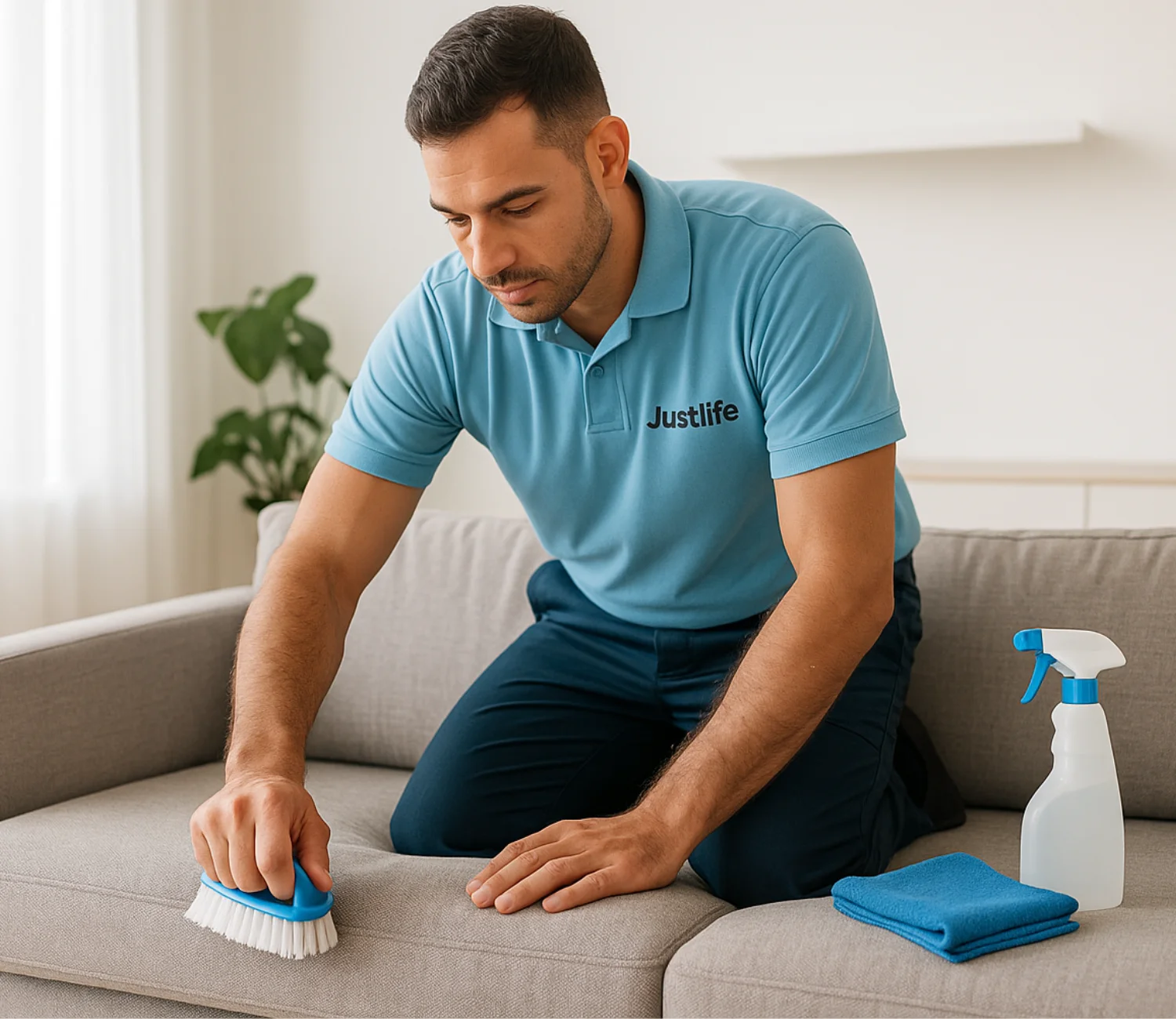
Cleaning furniture before wrapping prevents dust and small particles from creating scratches during transportation. Dirt trapped between protective layers can damage polished surfaces when furniture moves around.
For wooden furniture, use a soft microfiber cloth to remove dust and avoid excessive water. For sofas and upholstered furniture, vacuum the fabric and remove cushions before packing. Proper cleaning also makes your furniture easier to arrange after moving into your new home. You can learn more about long-term care through our guide on how to maintain wooden furniture.
Use Quality Packing Materials for Furniture Protection
The right packing materials provide a protective barrier against scratches, impact, and environmental damage. Using old sheets or weak covers may not provide enough protection for valuable furniture.
Furniture blankets, bubble wrap, stretch film, and corner protectors are commonly used because they protect different parts of furniture during transportation. Each material serves a different purpose:
Furniture Blankets
Furniture blankets provide cushioning and protect wooden surfaces from scratches and impact. They are especially useful for beds, wardrobes, cabinets, and dining tables.
Bubble Wrap
Bubble wrap is ideal for fragile components such as glass panels, mirrors, decorative pieces, and furniture corners. It absorbs impact and reduces the risk of breakage.
Stretch Wrap
Stretch wrap keeps protective layers secure and prevents dust from entering furniture surfaces. It works well for sofa cushions and smaller furniture parts.
Disassemble Large Furniture Before Moving
Large furniture items are difficult to move safely without proper disassembly. Beds, wardrobes, dining tables, and cabinets should usually be separated into smaller parts before transportation.
Disassembling furniture reduces weight, makes carrying easier, and lowers the chances of hitting walls, doors, or other objects during movement. Always keep screws, bolts, and fittings in labeled bags so reassembly becomes simple after reaching your new home. For example, understanding furniture structure is helpful when moving bedroom pieces. You can explore different designs through our guide on latest bed designs in Pakistan.
How to Protect Wooden Furniture During a House Move

Wooden furniture requires special attention because natural wood and polished surfaces can be affected by scratches, moisture, and rough handling. Before moving wooden furniture, cover all surfaces with soft blankets and secure the protection using stretch wrap. Avoid dragging wooden items because friction can damage the finish and weaken joints.
Solid wood furniture is known for durability, but proper care is still necessary. Learn more about wood quality and durability in our article about solid wood vs engineered wood.
Protect Furniture Corners and Edges
Corners and edges are the most vulnerable areas during a move because they often hit walls, floors, or other furniture pieces. Use foam padding, cardboard protectors, or thick blankets around sharp edges. This is especially important for wooden beds, dining tables, wardrobes, and cabinets. Protecting corners helps prevent chips, dents, and expensive refinishing work after relocation.
How to Protect Sofas During a House Move
Sofas require careful handling because fabric, leather, and cushions can easily collect dust, stains, and moisture during transportation. Before moving a sofa, remove cushions, cover the upholstery, and protect the legs. Avoid placing heavy items on top because pressure can damage the frame and shape. Different sofa materials require different care methods. For additional maintenance advice, read our guide on how to clean sofa at home.
Protect Wardrobes and Cabinets During Relocation
Wardrobes are large furniture pieces that need careful handling because incorrect movement can affect doors, shelves, and internal structures. Remove clothing, accessories, and removable shelves before moving. Secure doors properly and protect mirrors or glass sections separately. Modern wardrobe designs often include delicate finishes and storage features, making careful transportation important. Explore wardrobe ideas through our article on 15 wardrobe design ideas.
Move Dining Tables Safely
Dining tables often have large surfaces that are exposed to scratches and impact during transportation. Proper wrapping and handling help maintain their original appearance. Remove table legs if possible and wrap the tabletop separately with protective material. Never place heavy objects directly on the surface during moving. You can explore different dining furniture options and designs through our guides on top 10 table designs in Pakistan and round vs rectangular dining tables.
Load Furniture Properly Into the Moving Vehicle
Correct loading plays an important role in preventing furniture damage. Even well-packed furniture can get damaged if items move around during transportation. Place heavier furniture at the bottom and lighter items on top. Use straps to secure large pieces and fill empty spaces to prevent shifting.
Careful loading reduces pressure on furniture joints and prevents accidental scratches during the journey.
Avoid Common Furniture Moving Mistakes
Many furniture damages happen because of simple mistakes during relocation. Knowing what to avoid can protect your furniture from unnecessary problems.
Common mistakes include:
- Dragging furniture instead of lifting it
- Using poor-quality wrapping materials
- Moving large furniture without disassembly
- Leaving furniture exposed to rain
- Placing heavy items on delicate surfaces
A careful moving process ensures better protection and reduces repair costs.
Check Furniture After Moving Into Your New Home
After reaching your new home, inspect every furniture item before removing all protective covers. Look for scratches, loose fittings, cracks, or moisture issues. Reassemble furniture carefully and tighten all screws properly. Allow wooden furniture to adjust before placing it against damp walls or exposing it to direct sunlight. Proper post-move care helps maintain furniture quality and ensures everything remains comfortable and functional.
How Gourmet Furnishers Helps You Choose Long-Lasting Furniture
At Gourmet Furnishers, furniture is designed with quality materials, modern aesthetics, and practical home needs in mind. Well-built furniture is easier to maintain and provides better durability during everyday use.
From elegant wooden beds and comfortable sofa sets to stylish dining tables and customized furniture solutions, Gourmet Furnishers focuses on creating pieces that add beauty and functionality to your home.
Customers looking for durable furniture can also explore our guides on:
- How long should a quality wooden bed last
- How to identify high-quality wood furniture
- Affordable yet durable furniture
Conclusion
Protecting furniture during a house move requires careful planning, the right packing materials, and proper handling techniques. From wrapping wooden surfaces and securing furniture corners to safely transporting sofas, beds, wardrobes, and dining tables, every step helps prevent unnecessary damage.
Quality furniture is a long-term investment, and taking extra care during relocation ensures it continues to look beautiful and function properly for years. By following these furniture moving tips, you can reduce the risk of scratches, moisture damage, and structural problems.
FAQs
How do I protect furniture during a house move?
Protect furniture by cleaning it first, using quality packing materials, covering surfaces, protecting corners, and transporting each item carefully to prevent scratches and damage.
What is the best way to protect wooden furniture while moving?
The best method is to wrap wooden furniture with blankets, protect corners, avoid dragging, and keep it away from moisture during transportation.
Should I disassemble furniture before moving?
Yes, large furniture such as beds, wardrobes, and dining tables should usually be disassembled because it makes transportation safer and reduces damage risks.
How can I protect my sofa during relocation?
Remove cushions, cover upholstery with protective sheets, protect sofa legs, and avoid placing heavy items on the sofa during transportation.
Can moving damage solid wood furniture?
Yes, even solid wood furniture can suffer scratches, moisture damage, or joint problems if it is not packed and handled correctly during a move.
Leave a Reply
You must be logged in to post a comment.