Chat on WhatsApp

Blog

  • How to Remove Termites from Wooden Furniture Permanently?

    How to Remove Termites from Wooden Furniture Permanently?

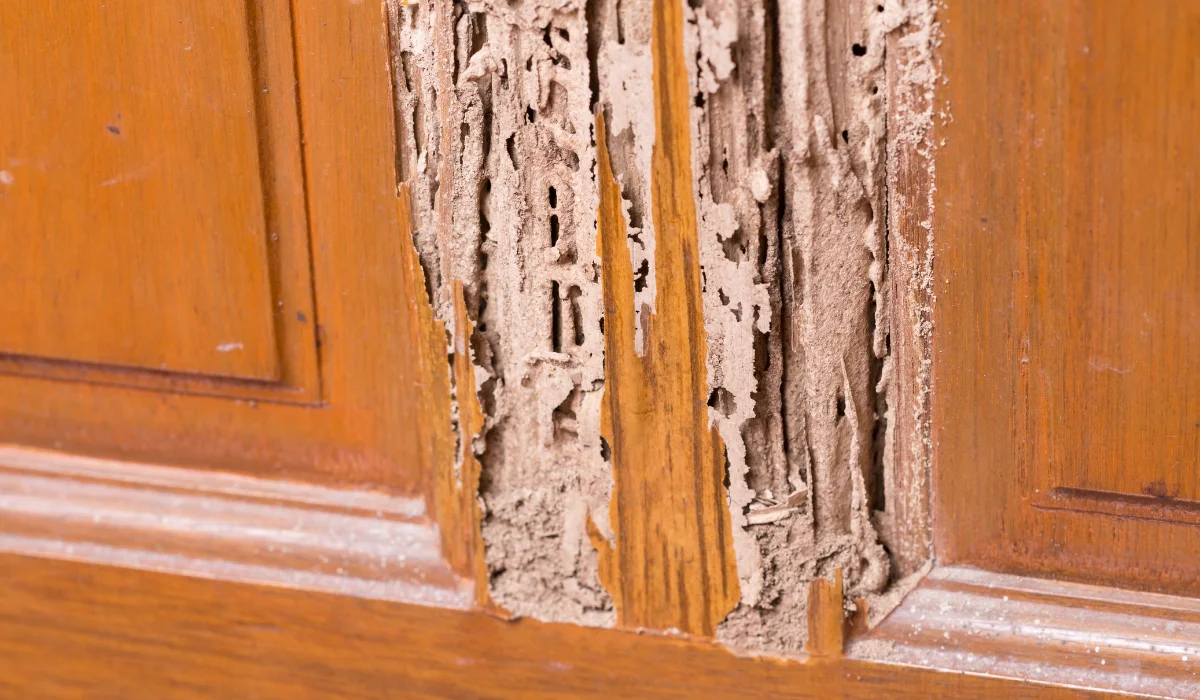
    Termites are among the most destructive pests that can damage wooden furniture from the inside out. They feed on cellulose present in wood and often remain unnoticed until significant damage has occurred. If left untreated, termites can weaken the structure and reduce the lifespan of valuablefurniture. Permanent removal requires a combination of proper treatment and preventive measures. Understanding the causes and signs of infestation helps homeowners take timely action. With the right approach, wooden furniture can remain protected and termite-free for many years.

    What Causes Termites in Wooden Furniture?

    Termites are attracted to damp and untreated wood, making furniture vulnerable to infestation. Excess moisture and humidity create ideal conditions for termite colonies to thrive. Cracks, gaps, and hidden corners provide safe shelter where termites can multiply unnoticed. Storing furniture close to walls or in poorly ventilated areas increases the risk of attack. Lack of regular inspection and maintenance allows termite activity to continue undetected. Identifying these causes is essential for preventing future infestations and protecting wooden items.

    Moisture and Humidity Attract Termites

    Termites prefer environments with high moisture because it helps them survive and reproduce. Water leaks, damp floors, and humid rooms create perfect conditions for termite growth. Furniture placed in basements or near windows can absorb moisture over time. Excess humidity weakens wood and makes it easier for termites to feed. Using dehumidifiers and ensuring proper ventilation can reduce the chances of infestation. Keeping furniture dry is one of the best ways to discourage termites.

    Cracks and Hidden Spaces Provide Shelter

    Small cracks and hidden cavities in furniture offer termites a safe place to live. These areas are difficult to inspect, allowing colonies to grow unnoticed. Termites often build tunnels inside wood without leaving visible signs initially. Old furniture with loose joints and gaps is particularly susceptible. Sealing cracks and repairing damaged sections can reduce termite hiding places. Regular inspections help identify these spaces before termites spread further.

    Lack of Regular Maintenance Encourages Infestation

    Neglecting wooden furniture makes it more vulnerable to termite attacks. Dust accumulation and moisture retention create favorable conditions for pests. Without routine checks, infestations can remain hidden for months. Applying protective coatings and polishing wood regularly helps maintain its strength. Timely repairs prevent termites from exploiting weak areas. Consistent maintenance is essential for long-term furniture protection.

    Common Signs of Termite Infestation

    Recognizing termite activity early can prevent severe damage to furniture. Several warning signs indicate the presence of termites inside wood. Ignoring these signs may allow the infestation to spread rapidly. Homeowners should inspect furniture regularly for unusual changes. Early detection makes treatment easier and more effective. Prompt action can save furniture from extensive destruction.

    Mud Tubes Around Furniture

    Termites build mud tubes to travel safely between their nests and food sources. These narrow tunnels are often found near furniture legs and walls. Mud tubes protect termites from light and dry conditions. Their presence usually indicates an active infestation. Breaking the tubes may reveal live termites inside. Professional inspection is recommended if mud tubes are discovered.

    Tiny Holes and Powder-Like Dust

    Small holes on wooden surfaces are common signs of termite activity. Fine powder or wood particles around furniture indicate internal damage. Termites create these openings while feeding inside the wood. The damage often spreads before becoming visible externally. Cleaning the area and monitoring for fresh dust can help confirm infestation. Immediate treatment prevents further destruction.

    Hollow Sound When Tapping Wood

    Wood damaged by termites often sounds hollow when tapped. This occurs because termites consume the interior while leaving the outer surface intact. Furniture may appear normal despite severe internal damage. Hollow sounds indicate weakened structural strength. Inspecting suspicious areas can reveal hidden termite activity. Early treatment helps preserve the furniture.

    Discarded Wings Near Wooden Items

    Flying termites shed their wings after establishing new colonies. These wings are commonly found near windows, doors, and furniture. Their presence indicates termite breeding activity nearby. Discarded wings should never be ignored. They are often one of the earliest signs of infestation. Quick action helps prevent colony expansion.

    Inspect the Furniture Thoroughly

    Careful inspection is necessary to determine the extent of termite damage. Examining all sides of the furniture helps locate affected areas. Hidden corners and joints should be checked thoroughly. Nearby walls and floors should also be inspected for signs of infestation. Understanding the severity of damage guides treatment decisions. Regular inspections can prevent major repairs in the future.

    Identify Affected Areas

    Determining the exact location of termite activity is essential for targeted treatment. Damaged sections may show holes, cracks, or discoloration. Focusing on affected areas reduces unnecessary repairs. Detailed inspection ensures no hidden colonies are overlooked. Marking damaged spots helps during treatment. Accurate identification increases the success of termite removal.

    Check Nearby Walls and Floors

    Termites often spread beyond furniture to surrounding structures. Walls, flooring, and skirting boards should be inspected carefully. Mud tubes or cracks may indicate colony movement. Ignoring nearby areas can lead to reinfestation. Comprehensive inspection ensures complete elimination. This approach provides long-term protection.

    Determine the Severity of Infestation

    Understanding the extent of termite damage helps choose the appropriate treatment. Minor infestations can often be treated with simple methods. Severe damage may require professional intervention. Structural weakness should be assessed before repairs. Identifying infestation levels prevents wasted effort. Proper evaluation ensures effective results.

    Use Sunlight to Eliminate Termites

    Sunlight is a natural method for reducing termite populations. Termites cannot survive prolonged exposure to heat and dryness. Placing furniture outdoors in direct sunlight helps kill hidden pests. Repeating the process over several days increases effectiveness. Sunlight treatment is eco-friendly and inexpensive. It works best for mild infestations.

    Why Heat Kills Termites

    Termites require moisture and stable temperatures to survive. Excessive heat dehydrates and kills them quickly. Direct sunlight disrupts their natural environment. Heat also reduces moisture within the wood. This makes furniture less attractive to termites. Combining heat with other treatments provides better results.

    Proper Way to Expose Furniture to Sunlight

    Furniture should be placed in an open area with strong sunlight. Rotating it ensures all sides receive adequate exposure. Several hours of sunlight each day improve effectiveness. Cushions and accessories should be removed before treatment. Proper handling prevents discoloration and warping. Repeating the process helps eliminate hidden termites.

    How Long the Treatment Should Last

    Sunlight treatment usually requires several days to achieve results. Exposing furniture for at least six hours daily is recommended. Longer treatment periods improve effectiveness. Severe infestations may require additional methods. Regular observation helps monitor progress. Persistence increases the chances of complete removal.

    Apply Natural Remedies

    Natural solutions offer environmentally friendly termite control options. They are useful for minor infestations and preventive care. These remedies are safe when used correctly. Repeated applications may be necessary for lasting results. Natural treatments work best when combined with maintenance. They provide an affordable alternative to chemical solutions.

    Neem Oil Treatment

    Neem oil contains compounds that disrupt termite growth and reproduction. Applying it directly to affected areas helps control infestations. The oil penetrates wood and reaches hidden pests. Repeated applications improve effectiveness. Neem oil is non-toxic and eco-friendly. It also helps prevent future termite attacks.

    White Vinegar and Lemon Solution

    A mixture of vinegar and lemon juice creates an acidic solution that repels termites. Spraying affected areas regularly helps control minor infestations. The solution is easy to prepare and inexpensive. It can reach cracks and crevices in furniture. Repeated use increases effectiveness. However, severe infestations may require stronger treatments.

    Orange Oil for Localized Infestations

    Orange oil contains d-limonene, which is toxic to termites. Applying it to infested areas kills termites on contact. It penetrates wood and targets hidden colonies. Orange oil is suitable for small infestations. Reapplication may be necessary for complete control. It is considered a safer alternative to harsh chemicals.

    Use Anti-Termite Chemical Treatments

    Chemical treatments provide long-lasting protection against termites. They are highly effective for moderate and severe infestations. Proper application ensures maximum results. Following safety instructions is essential. Chemicals should be used carefully around children and pets. Professional assistance may be necessary for extensive infestations.

    Fumigation for Severe Infestations

    Fumigation is recommended when termites have spread extensively. The process eliminates colonies hidden deep inside furniture. Professional experts use specialized chemicals to ensure complete eradication. Fumigation provides fast and reliable results. Safety measures are necessary during treatment. It is one of the most effective solutions for severe infestations.

    Repair and Restore Damaged Furniture

    After termite removal, damaged sections should be repaired promptly. Wood fillers and replacement parts restore structural integrity. Sanding and polishing improve appearance. Repairs prevent further deterioration. Proper restoration extends furniture lifespan. Regular maintenance keeps furniture in excellent condition.

    Prevent Termites from Returning

    Preventive measures are essential for permanent termite control. Keeping furniture dry and clean reduces the risk of infestation. Protective coatings add an extra layer of defense. Routine inspections help detect problems early. Proper ventilation prevents moisture buildup. Consistent care ensures long-lasting protection.

    Professional Termite Control Services

    Professional services provide advanced solutions for serious infestations. Experts use specialized equipment and proven methods. Their experience ensures complete elimination of termite colonies. Professional treatments offer long-term protection. Regular maintenance plans reduce future risks. Hiring experts saves time and prevents costly repairs.

    Mistakes to Avoid When Treating Termites

    Ignoring early signs often leads to extensive damage. Incomplete treatments allow termites to return. Delaying action makes infestations harder to control. Relying solely on temporary solutions is ineffective. Skipping preventive measures increases future risks. Proper treatment and maintenance are essential for permanent results.

    How to Protect Wooden Furniture for Years

    Long-term protection requires regular maintenance and inspections. Using termite-resistant wood products improves durability. Applying protective finishes helps preserve furniture quality. Moisture control plays a vital role in prevention. Seasonal inspections detect issues before they worsen. These practices ensure furniture remains strong and attractive for years.

    Why Choose Gourmet Furnishers

    Gourmet Furnishers is committed to providing high-quality furniture that combines durability and elegant design. The company uses premium materials and expert craftsmanship to ensure long-lasting performance. Every piece is designed with attention to detail and superior finishing. Customer satisfaction remains a top priority through reliable service and professional guidance. Their furniture solutions are built to withstand everyday use while maintaining aesthetic appeal. Choosing Gourmet Furnishers means investing in quality, style, and lasting value.

    Conclusion

    Removing termites permanently requires early detection, effective treatment, and continuous prevention. Natural remedies, chemical solutions, and professional services all play important roles depending on the severity of infestation. Maintaining dry and well-protected furniture helps prevent future termite attacks. Regular inspections ensure problems are identified before serious damage occurs. With proper care and maintenance, wooden furniture can remain durable and attractive for many years. Combining treatment with preventive measures is the key to permanent termite control.

    FAQs

    Can termites be removed permanently from furniture?

    Yes, proper treatment combined with preventive maintenance can eliminate termites permanently.

    Does sunlight kill termites?

    Yes, prolonged exposure to direct sunlight and heat can help kill termites.

    What is the best chemical treatment for termites?

    Liquid termiticides and anti-termite wood preservatives are highly effective.

    How often should furniture be inspected for termites?

    Inspect wooden furniture every few months to detect early signs of infestation.

    When should I hire professional termite control services?

    Professional help is recommended when infestations are severe or widespread.

  • How to Protect Furniture from Heat and Sun Damage?

    How to Protect Furniture from Heat and Sun Damage?

    To protect furniture from heat and sun damage, keep it away from direct sunlight whenever possible, use curtains, blinds, or UV-blocking window films to reduce harmful UV exposure, and maintain a stable indoor temperature to prevent warping and cracking. Apply protective finishes, sealants, or conditioners to wood and leather furniture to preserve their appearance and durability. Regularly rotate furniture, cushions, and decorative items to prevent uneven fading, and use furniture covers for added protection, especially for outdoor pieces. Consistent cleaning and maintenance also help extend the lifespan of furniture by minimizing the effects of heat, sunlight, and environmental wear.

    Understanding the Effects of Heat and Sunlight on Furniture

    Heat and sunlight may seem harmless, but prolonged exposure can gradually weaken furniture materials and finishes. Direct sunlight contains ultraviolet (UV) rays that break down dyes, stains, and protective coatings, leading to discoloration and fading. High temperatures can cause materials such as wood and leather to dry out, resulting in cracks and brittleness. Changes in humidity caused by heat can make wooden furniture expand and contract, which often leads to warping and structural issues. Upholstered furniture may also lose its original color and texture when exposed to excessive sunlight. Understanding these effects is the first step toward implementing effective protection measures.

    UV Radiation Damage

    Ultraviolet radiation is one of the primary causes of furniture deterioration in sun-exposed areas. UV rays penetrate surfaces and gradually break down pigments, causing colors to fade and lose their original vibrancy. Wooden furniture may develop uneven discoloration, while fabrics and leather can become dull and worn-looking. Over time, UV exposure can also weaken protective finishes, making furniture more vulnerable to additional damage. Rooms with large windows often experience higher levels of UV exposure, increasing the risk of fading. Using UV-protective solutions can significantly reduce these harmful effects and help maintain the furniture’s original appearance.

    Heat-Related Problems

    Excessive heat can negatively impact furniture by altering the physical properties of various materials. Wood naturally expands and contracts as temperatures fluctuate, which may result in cracks, splits, or warping. Leather furniture can lose moisture when exposed to heat, causing it to become dry, stiff, and susceptible to cracking. Adhesives used in furniture construction may weaken under prolonged heat, potentially affecting structural stability. Upholstery materials can also deteriorate faster in hot environments. Proper temperature control and protection measures are essential to minimize heat-related damage and preserve furniture quality.

    Signs Your Furniture Is Suffering from Sun Damage

    Recognizing the early signs of sun damage can help prevent more serious and costly repairs. One of the most noticeable indicators is fading, where certain areas appear lighter than others due to uneven sunlight exposure. Wooden surfaces may develop cracks, splits, or warped sections that affect both appearance and functionality. Leather furniture can become dry, brittle, and prone to peeling. Fabrics may lose their original color and texture, making them appear aged and worn. By identifying these warning signs early, homeowners can take corrective action before the damage becomes permanent.

    Effective Ways to Protect Furniture from Heat and Sun Damage

    Protecting furniture from environmental damage requires a combination of preventive strategies and regular maintenance. Simple changes such as adjusting furniture placement, controlling indoor temperatures, and using protective treatments can significantly extend furniture lifespan. Window coverings and UV-blocking solutions help reduce direct sunlight exposure, while conditioners and protective coatings strengthen surfaces against heat damage. Rotating furniture and accessories ensures even exposure to light and prevents uneven fading. Consistent care not only preserves aesthetics but also helps maintain structural integrity. Implementing these protective measures can save money on repairs and replacements in the long run.

    Position Furniture Away from Direct Sunlight

    One of the simplest ways to protect furniture is to place it away from direct sunlight whenever possible. Furniture positioned directly in front of windows receives the highest level of UV exposure throughout the day. Rearranging sofas, tables, and cabinets can reduce the risk of fading and surface damage. If relocation is not practical, consider adjusting the layout to minimize the most intense sunlight exposure. Strategic placement can also help maintain more stable temperatures around furniture. This small adjustment can make a significant difference in preserving furniture quality over time.

    Use Window Treatments

    Window treatments provide an effective barrier against harmful sunlight and excessive heat. Curtains, blinds, and shades help reduce the amount of UV radiation entering a room while also controlling indoor temperatures. Blackout curtains are especially useful in rooms that receive strong sunlight during peak hours. UV-blocking window films can further enhance protection without sacrificing natural light. Combining multiple window treatment options offers maximum effectiveness and flexibility. These solutions are affordable and can significantly extend the life of your furniture.

    Apply Protective Finishes

    Protective finishes create a shield that helps furniture withstand environmental stressors. Wood sealants, varnishes, and UV-resistant coatings can reduce fading and protect surfaces from moisture loss. These finishes also enhance the natural beauty of furniture while providing an extra layer of defense. Furniture waxes and conditioners can help maintain smooth surfaces and prevent drying. Regular reapplication ensures continued protection as finishes gradually wear over time. Investing in quality protective products can help preserve both appearance and durability.

    Maintain Proper Indoor Temperature

    Stable indoor temperatures play an important role in furniture preservation. Excessive heat accelerates material deterioration and can cause structural changes in wood and upholstery. Air conditioning systems help regulate temperatures and reduce stress on furniture materials. Maintaining consistent conditions prevents sudden expansion and contraction that may lead to cracks or warping. Proper ventilation also contributes to healthier indoor environments and furniture longevity. A well-regulated indoor climate benefits both your furnishings and overall comfort.

    Rotate Furniture and Accessories

    Rotating furniture and decorative accessories can prevent uneven fading caused by prolonged sunlight exposure. Cushions, rugs, and decorative pieces often receive varying amounts of light throughout the day. Periodically changing their positions ensures that wear and fading occur more evenly. This simple maintenance practice helps preserve a consistent appearance across all furniture components. Rotating items also allows homeowners to identify potential damage early. Consistent rotation is an easy yet highly effective protective measure.

    Protect Leather Furniture

    Leather furniture requires special attention because it is particularly vulnerable to heat and sunlight. Direct exposure can remove natural oils, causing leather to dry out and crack over time. Applying high-quality leather conditioners helps maintain moisture and flexibility. Positioning leather furniture away from windows and heat sources reduces the risk of deterioration. Regular cleaning removes dust and contaminants that may accelerate wear. With proper care, leather furniture can retain its luxurious appearance and comfort for many years.

    Use Furniture Covers

    Furniture covers provide an additional layer of protection against sunlight, dust, and heat. They are especially beneficial for outdoor furniture that faces continuous environmental exposure. High-quality covers shield surfaces from UV rays and reduce moisture-related issues. Indoor furniture can also benefit from covers during periods of extended inactivity. Choosing breathable materials prevents trapped moisture and mildew growth. Furniture covers offer a practical and cost-effective solution for long-term protection.

    Special Care Tips for Different Furniture Materials

    Different furniture materials respond differently to heat and sunlight, making specialized care essential. Wood, leather, fabric, and outdoor furniture each require unique maintenance approaches to remain in excellent condition. Understanding material-specific vulnerabilities helps homeowners select the most effective protective measures. Regular inspections and tailored treatments can significantly extend furniture lifespan. Investing time in proper care reduces the likelihood of costly repairs or replacements. Material-specific maintenance ensures optimal performance and appearance over the years.

    Wooden Furniture

    Wooden furniture is highly susceptible to temperature and humidity fluctuations. Excessive heat can cause wood to dry out, resulting in cracks, warping, and weakened joints. Regular polishing and conditioning help maintain moisture balance and protect the surface finish. Using humidifiers during dry seasons can also reduce stress on wooden materials. Avoid placing wooden furniture near windows, radiators, or heating vents. Consistent care preserves both the beauty and structural integrity of wood furniture.

    Leather Furniture

    Leather furniture requires regular conditioning to maintain its softness and resilience. Exposure to direct sunlight can fade colors and remove essential natural oils from the material. Cleaning leather with appropriate products prevents dirt buildup and surface damage. Conditioning treatments help restore moisture and reduce the risk of cracking. Keeping leather furniture away from direct heat sources further enhances its longevity. Proper maintenance ensures that leather retains its elegant appearance and comfort.

    Fabric Upholstery

    Fabric upholstery can fade quickly when exposed to direct sunlight for extended periods. UV-protective sprays help reduce color loss and maintain fabric vibrancy. Regular vacuuming removes dust and particles that can weaken fibers over time. Cleaning according to manufacturer recommendations helps preserve texture and appearance. Rotating cushions ensures even wear and minimizes noticeable fading. Proper fabric care contributes to a fresher and more attractive living environment.

    Outdoor Furniture

    Outdoor furniture faces constant exposure to sunlight, heat, moisture, and changing weather conditions. Choosing weather-resistant materials provides a strong foundation for durability. Protective covers help shield furniture from UV rays and environmental contaminants. Regular cleaning prevents dirt accumulation and surface deterioration. During extreme weather conditions, storing furniture in a sheltered area offers additional protection. Consistent maintenance helps outdoor furniture remain functional and visually appealing throughout the year.

    Common Mistakes to Avoid

    Many homeowners unintentionally accelerate furniture damage through avoidable mistakes. Placing furniture directly beside windows without protection exposes it to intense UV radiation. Ignoring early signs of fading or cracking often leads to more extensive damage. Using harsh cleaning products can strip protective finishes and weaken materials. Neglecting regular maintenance reduces furniture resilience against environmental stressors. Avoiding these common errors helps preserve furniture condition and reduces long-term repair costs.

    Long-Term Maintenance Practices

    Long-term furniture preservation requires a proactive and consistent maintenance routine. Regular inspections help identify minor issues before they become significant problems. Cleaning furniture according to material-specific guidelines prevents premature wear and surface damage. Reapplying protective finishes and conditioners maintains resistance against heat and sunlight. Seasonal adjustments, such as changing furniture placement, can further reduce exposure risks. A dedicated maintenance plan ensures that furniture remains attractive, functional, and durable for years to come.

    Why Choose Gourmet Furnishers

    Gourmet Furnishers is committed to providing high-quality furniture solutions that combine style, durability, and exceptional craftsmanship. Our furniture is designed using premium materials and expert manufacturing techniques to ensure long-lasting performance. We understand the challenges that heat and sunlight can pose, which is why we offer guidance on proper furniture care and maintenance. Our team prioritizes customer satisfaction by delivering reliable products that enhance both residential and commercial spaces. Whether you are furnishing a new home or upgrading an existing space, Gourmet Furnishers offers trusted solutions tailored to your needs. Choosing Gourmet Furnishers means investing in quality, elegance, and long-term value.

    Conclusion

    Protecting furniture from heat and sun damage is essential for maintaining its appearance, comfort, and longevity. Direct sunlight and excessive temperatures can lead to fading, cracking, warping, and material deterioration if left unchecked. Fortunately, simple preventive measures such as using window treatments, applying protective finishes, maintaining stable indoor temperatures, and following material-specific care routines can significantly reduce these risks. Regular maintenance and early intervention further help preserve furniture quality over time. By implementing these strategies and investing in quality furnishings, homeowners can enjoy beautiful and durable furniture for many years while protecting their investment from environmental damage.

    FAQs

    How does sunlight damage furniture?

    Sunlight contains UV rays that fade colors, weaken finishes, and gradually deteriorate furniture materials over time.

    Can heat cause wooden furniture to crack?

    Yes, excessive heat can dry out wood, causing expansion, contraction, cracking, and warping.

    Are UV window films effective for furniture protection?

    Yes, UV window films help block harmful rays while allowing natural light to enter the room.

    How often should leather furniture be conditioned?

    Most leather furniture benefits from conditioning every three to six months, depending on usage and climate.

    What is the best way to protect outdoor furniture from sun damage?

    Using weather-resistant covers, cleaning regularly, and storing furniture during extreme conditions provide the best protection.

  • How to Know If Furniture Price is Fair or Overcharged

    How to Know If Furniture Price is Fair or Overcharged

    A furniture price is considered fair when it reflects the quality of the materials, craftsmanship, durability, and overall value offered by the product. To determine whether you are being overcharged, compare similar furniture items from multiple retailers while paying close attention to factors such as solid wood versus engineered wood construction, upholstery quality, warranty coverage, and included services like delivery or assembly. A higher price may be justified if the furniture is built with premium materials and designed to last for many years, while an overpriced item often relies on branding, marketing, or artificial discounts without offering superior quality. By researching market prices, evaluating product specifications, and considering long-term durability, you can confidently decide whether a furniture piece is fairly priced or costs more than its true value.

    Understand What Determines Furniture Pricing

    Furniture pricing is influenced by several factors that go beyond appearance alone. Materials, construction methods, labor costs, transportation, brand reputation, and retailer markups all contribute to the final price. While some furniture commands a higher price due to superior durability and craftsmanship, other products may be overpriced because of branding or marketing strategies. Knowing what drives furniture costs helps buyers evaluate whether a price reflects actual value. Instead of focusing solely on the sticker price, it’s important to understand what you’re getting in return. This knowledge allows you to make smarter purchasing decisions and avoid unnecessary expenses.

    Material Quality

    The materials used in furniture construction play a major role in determining its price and long-term value. Solid hardwoods such as oak, walnut, and teak generally cost more because they offer superior durability and longevity. In contrast, engineered wood products like MDF or particleboard are more affordable but may not last as long under heavy use. Upholstery materials also affect pricing, with genuine leather and high-performance fabrics typically costing more than standard synthetic options. Premium materials often provide better resistance to wear, moisture, and daily damage. Evaluating material quality is one of the most effective ways to determine whether a furniture price is justified.

    Construction and Craftsmanship

    The way furniture is built significantly impacts both its quality and price. Well-crafted furniture often features strong joinery techniques, reinforced frames, and careful attention to detail. Handcrafted pieces generally require more labor and expertise, resulting in higher costs compared to mass-produced furniture. Quality craftsmanship contributes to stability, comfort, and durability over many years of use. Buyers should inspect joints, hardware, stitching, and finishing details to assess construction quality. A higher price is often fair when superior craftsmanship results in a longer-lasting and more reliable product.

    Brand Reputation

    Established furniture brands often charge higher prices due to their reputation for quality, consistency, and customer service. Consumers may be willing to pay more because trusted brands have a proven track record of delivering durable products. However, not all brand premiums are justified, and some companies rely heavily on marketing to command higher prices. Researching customer reviews and product specifications can help determine whether the reputation aligns with actual quality. A well-known brand may offer benefits such as better warranties and support services. Understanding the role of branding helps buyers separate genuine value from unnecessary markups.

    Research Average Market Prices

    Before making a purchase, it is important to understand the typical price range for the type of furniture you need. Comparing prices across multiple retailers provides valuable insight into what constitutes a fair market value. Market research helps identify unusually high prices and reveals competitive alternatives with similar features. Buyers who take time to compare options are less likely to overpay. Looking at both online and physical stores can provide a broader understanding of pricing trends. A little research can often save a substantial amount of money.

    Compare Multiple Retailers

    Comparing products from several furniture retailers allows buyers to identify pricing patterns and evaluate available options. Different stores may offer the same or similar products at significantly different prices. Retailers also vary in terms of warranties, delivery services, and customer support, all of which affect overall value. Checking multiple sources prevents buyers from assuming that the first price they encounter is fair. Online marketplaces, local furniture stores, and manufacturer websites are all useful comparison points. Gathering information from several retailers leads to more informed purchasing decisions.

    Check Similar Products

    When comparing furniture prices, it’s essential to evaluate products with similar specifications and features. Factors such as dimensions, materials, upholstery, frame construction, and included features should be as close as possible. Comparing dissimilar products can create misleading conclusions about value. Similar products provide a realistic benchmark for determining whether a particular item is priced competitively. This approach helps buyers identify products that offer better quality for a comparable cost. Careful comparison ensures a more accurate assessment of fair pricing.

    Evaluate Material Quality Before Comparing Prices

    Price comparisons are only meaningful when product quality is properly evaluated first. Two furniture items may look alike in photos while differing significantly in materials and construction. Examining material specifications allows buyers to understand what they are truly paying for. Higher-quality materials generally offer improved durability, appearance, and long-term performance. Ignoring material differences can result in purchasing a lower-quality product simply because it appears less expensive. Assessing quality before comparing prices leads to better value and greater satisfaction.

    Solid Wood Furniture

    Solid wood furniture is widely regarded as one of the most durable and valuable furniture options available. Woods such as oak, maple, walnut, and teak provide exceptional strength and longevity. Genuine solid wood typically withstands years of daily use while maintaining its appearance and structural integrity. Buyers should examine grain patterns, weight, and product descriptions to confirm authenticity. Although solid wood furniture often costs more initially, it can provide excellent long-term value. Its durability often justifies a higher purchase price compared to engineered alternatives.

    Upholstered Furniture

    The quality of upholstered furniture depends heavily on the fabric, cushioning, and frame construction used. High-density foam cushions generally retain their shape longer and provide greater comfort over time. Durable fabrics resist stains, fading, and wear, making them suitable for busy households. The frame should be sturdy and properly reinforced to support regular use. Buyers should consider both comfort and durability when evaluating upholstered furniture. Higher-quality upholstery often justifies a higher price due to its extended lifespan.

    Metal and Glass Furniture

    Metal and glass furniture can vary considerably in quality depending on the materials and manufacturing methods used. Thicker metal frames typically provide greater stability and durability than lightweight alternatives. Tempered glass is generally safer and more resistant to breakage than standard glass. Quality finishes help protect metal surfaces from rust, scratches, and discoloration. Buyers should inspect welds, connections, and overall construction quality before making a purchase. Well-made metal and glass furniture often offers excellent long-term value despite a higher initial cost.

    Look Beyond the Price Tag

    The listed price is only one component of the total cost of owning furniture. Additional expenses such as delivery, assembly, maintenance, and warranty coverage can significantly affect overall value. Some lower-priced products become more expensive after these costs are included. Buyers should evaluate the complete ownership experience rather than focusing solely on the advertised price. Considering all associated costs provides a more accurate picture of value. This approach helps prevent unexpected expenses after purchase.

    Delivery Costs

    Furniture delivery fees can vary greatly depending on product size, location, and service level. Some retailers include delivery in the purchase price, while others charge separate fees. Large furniture items often require specialized transportation and handling. Buyers should always confirm delivery costs before finalizing a purchase. Comparing total costs rather than base prices helps ensure a fair evaluation. Understanding delivery expenses prevents surprises and supports better budgeting.

    Warranty and After-Sales Service

    A comprehensive warranty often indicates confidence in a product’s quality and durability. Warranties can protect buyers against manufacturing defects, structural failures, and material issues. Reliable after-sales service adds value by providing assistance when problems arise. Buyers should carefully review warranty terms, coverage periods, and claim procedures. Furniture backed by strong warranties may justify a higher purchase price. Long-term support contributes to greater peace of mind and customer satisfaction.

    Return Policies

    Return policies are an important consideration when evaluating furniture purchases. Flexible return options provide reassurance if the product does not meet expectations after delivery. Buyers should review return windows, restocking fees, and return shipping requirements. Restrictive policies may increase the risk associated with a purchase. Understanding return terms allows consumers to make more confident decisions. A fair return policy can significantly enhance the overall value of a furniture purchase.

    Watch for Common Overpricing Tactics

    Some retailers use marketing techniques that make products appear more valuable than they actually are. Understanding common pricing strategies helps consumers identify potential overcharging. Not all discounts represent genuine savings, and not all premium prices indicate superior quality. Buyers who recognize these tactics can make more objective purchasing decisions. Careful evaluation reduces the likelihood of paying more than necessary. Awareness is one of the best defenses against overpriced furniture.

    Artificial Discounts

    Artificial discounts occur when retailers inflate original prices before advertising significant markdowns. This strategy creates the impression of exceptional savings even when the final price is close to normal market value. Buyers should compare prices across multiple retailers to verify the legitimacy of discounts. Historical pricing tools and competitor comparisons can provide useful insights. Genuine sales typically reflect meaningful reductions from established market prices. Research helps distinguish authentic deals from marketing tactics.

    Luxury Marketing Without Added Value

    Some furniture products are marketed as luxury items despite offering little difference in quality or performance. Premium branding, elaborate showrooms, and sophisticated advertising can contribute to inflated prices. Buyers should focus on tangible factors such as materials, craftsmanship, and durability rather than marketing claims alone. Genuine luxury furniture typically demonstrates exceptional construction and premium materials. Understanding the difference between perceived and actual value prevents unnecessary spending. Careful evaluation ensures that higher prices are justified.

    Limited-Time Pressure Sales

    Limited-time offers are commonly used to encourage quick purchasing decisions. While some promotions are legitimate, others create unnecessary urgency that discourages proper research. Buyers should avoid making purchases solely because a sale appears to be ending soon. Taking time to compare alternatives often reveals whether the offer is truly valuable. Thoughtful decision-making reduces the risk of overpaying. A quality furniture purchase should be based on value rather than pressure.

    Use the Cost-Per-Year Method

    The cost-per-year approach helps buyers evaluate furniture value over its expected lifespan. Instead of focusing solely on purchase price, this method considers how long a product will remain functional and attractive. A more expensive piece may actually cost less per year if it lasts significantly longer. This perspective encourages long-term thinking and smarter investments. Durable furniture often provides better value despite higher upfront costs. Calculating cost per year can simplify purchasing decisions.

    Calculate Long-Term Value

    Long-term value is determined by balancing purchase price against expected durability and performance. For example, a sofa that lasts fifteen years may represent better value than a cheaper alternative that requires replacement after five years. Buyers should consider expected lifespan, maintenance requirements, and overall quality. Products that maintain their appearance and functionality longer often justify higher prices. Looking beyond initial cost provides a more complete assessment of value. Long-term thinking leads to more economical furniture choices.

    Consider Maintenance Costs

    Maintenance expenses can affect the true cost of furniture ownership over time. Certain materials require specialized cleaning, refinishing, or repair services. Buyers should consider ongoing care requirements before making a purchase. Furniture with lower maintenance needs may offer greater value in the long run. Understanding these costs helps create realistic ownership expectations. Factoring maintenance into the buying decision supports smarter financial planning.

    Signs a Furniture Price Is Fair

    Fairly priced furniture typically combines quality materials, solid construction, and competitive market pricing. The product should offer durability and functionality that align with its cost. Positive customer reviews and transparent product information further support value. Fair pricing often includes reasonable warranties and dependable customer service. Buyers should feel confident that the product’s quality justifies its price. When these factors are present, the purchase is more likely to represent good value.

    Red Flags That Suggest Overcharging

    Several warning signs may indicate that furniture is overpriced. Excessively high prices compared to similar products should prompt further investigation. Vague descriptions, poor-quality materials, and limited warranty coverage can also signal overcharging. Retailers that rely heavily on marketing while providing little product detail may deserve extra scrutiny. Buyers should carefully compare specifications before committing to a purchase. Recognizing these red flags helps prevent costly mistakes.

    Smart Questions to Ask Before Buying

    Asking the right questions can reveal valuable information about furniture quality and value. Buyers should inquire about materials, construction methods, warranty coverage, and expected lifespan. Understanding delivery fees, assembly requirements, and return policies is equally important. Detailed answers demonstrate transparency and confidence from the seller. Well-informed questions help buyers compare products more effectively. This approach leads to smarter purchasing decisions and better long-term satisfaction.

    Why Choose Gourmet Furnishers

    Gourmet Furnishers is committed to delivering furniture that balances quality, craftsmanship, and value. Every piece is carefully selected or manufactured using durable materials designed for long-lasting performance. The company focuses on transparent pricing, helping customers understand exactly what they are paying for without hidden costs. A wide range of furniture styles ensures that customers can find options that suit both their needs and budgets. Dedicated customer support and reliable after-sales service further enhance the buying experience. By prioritizing quality, honesty, and customer satisfaction, Gourmet Furnishers helps buyers invest confidently in furniture that offers genuine value.

    Conclusion

    Determining whether a furniture price is fair requires more than simply comparing price tags. Buyers should evaluate materials, craftsmanship, warranties, market comparisons, and long-term durability before making a decision. Understanding these factors helps separate genuine value from marketing-driven pricing. By conducting careful research and asking the right questions, consumers can avoid overpaying while investing in furniture that meets their needs. A thoughtful approach ensures greater satisfaction and better financial outcomes. Ultimately, fair pricing is about receiving quality, performance, and longevity that justify the cost.

    FAQs

    How can I tell if furniture is overpriced?

    Compare similar products, evaluate material quality, and review construction details. If the price is significantly higher without clear benefits, it may be overpriced.

    Is expensive furniture always better quality?

    Not necessarily. Some products cost more because of branding or marketing. Always assess materials, craftsmanship, and durability before making a decision.

    What is the best way to compare furniture prices?

    Compare products with similar dimensions, materials, and features across multiple retailers to establish a fair market value.

    Why are solid wood furniture pieces more expensive?

    Solid wood offers greater durability, longevity, and structural strength, making it a premium material that often justifies higher pricing.

    Do warranties affect furniture value?

    Yes. Strong warranties provide protection against defects and indicate the manufacturer’s confidence in the product’s quality, adding overall value.


  • Why Cheap Furniture Breaks Quickly and How to Avoid It

    Why Cheap Furniture Breaks Quickly and How to Avoid It

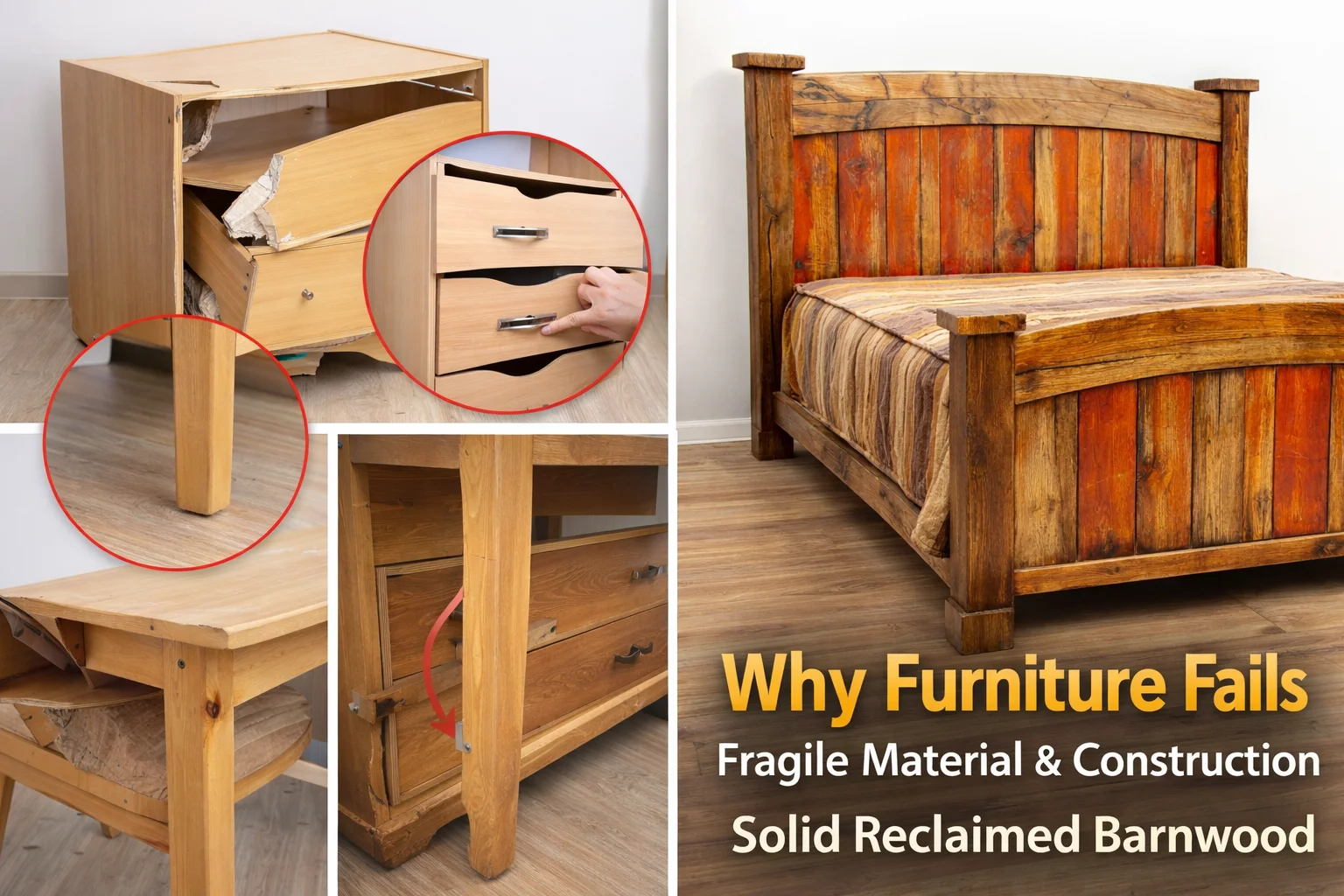
    Cheap furniture breaks quickly mainly because it is made from low-quality materials like thin particle board, weak adhesives, and low-grade metal or plastic fittings that cannot handle regular weight or daily use, and manufacturers often reduce durability to cut costs, resulting in poor joints, weak screws, and minimal structural support. It also lacks proper finishing and moisture resistance, which causes swelling, cracking, or loosening over time. To avoid this, always check for solid wood or high-density engineered wood, strong joinery (like screws and dowels instead of glue-only assembly), good hardware quality, and proper weight capacity ratings before buying. Investing a little more in well-built furniture from trusted makers ensures long-term durability, better stability, and lower replacement costs in the future.

    Why Does Cheap Furniture Break Quickly?

    Many low-cost furniture pieces are manufactured with the primary goal of reducing production expenses. This often leads to compromises in material quality, construction methods, and finishing standards. While these products may look attractive in showrooms, they may not withstand everyday use. Weak structures and low-grade components make them more susceptible to damage. Knowing the reasons behind premature wear can help buyers avoid costly mistakes. Investing in durable furniture provides better performance and greater value over time.

    Low-Quality Materials

    One of the biggest reasons cheap furniture breaks quickly is the use of low-quality materials. Manufacturers often use particle board, thin MDF, or weak plywood instead of solid wood. These materials are less durable and can crack or bend under pressure. Low-grade laminates and veneers may peel off after prolonged use. Moisture and temperature changes can also affect these materials more severely. Choosing furniture made from premium wood or high-quality engineered boards increases durability significantly.

    Poor Construction and Workmanship

    Even attractive furniture can fail quickly if it is poorly constructed. Weak joints, inadequate screws, and poor adhesives reduce structural stability. Furniture made with shortcuts during manufacturing often becomes loose over time. Wobbly legs and unstable frames are common signs of poor workmanship. Lack of reinforcement in key areas causes stress-related damage. High-quality craftsmanship ensures strength and extends the life of furniture.

    Inferior Hardware and Accessories

    Furniture hardware plays an essential role in functionality and durability. Cheap hinges, handles, and drawer channels wear out quickly with regular use. Doors may stop closing properly, and drawers may become difficult to open. Weak fittings can loosen and require frequent maintenance. Inferior accessories negatively affect the overall performance of furniture. Premium hardware provides smooth operation and long-lasting reliability.

    Thin Upholstery and Foam

    Low-quality sofas and chairs often contain thin foam and poor fabric materials. These materials lose their shape quickly and become uncomfortable after regular use. Sagging cushions and torn upholstery reduce both comfort and appearance. Inferior foam lacks resilience and cannot support daily usage effectively. Cheap fabrics may fade or wear out prematurely. Investing in quality upholstery ensures lasting comfort and elegance.

    Lack of Moisture and Termite Protection

    Furniture without proper protection is vulnerable to environmental damage. Humidity can cause swelling, warping, and cracking in weak materials. Termites and insects may also attack untreated wooden furniture. Exposure to moisture shortens the lifespan of cabinets, beds, and wardrobes. Protective coatings and treated wood improve resistance against such issues. Quality furniture manufacturers prioritize moisture and termite resistance for long-term durability.

    Mass Production Over Quality

    Many inexpensive furniture products are mass-produced to minimize manufacturing costs. Speed often becomes more important than quality control during production. As a result, inconsistencies in finishing and structural integrity are common. Low attention to detail affects overall strength and appearance. Mass-produced furniture may look appealing initially but often lacks durability. Choosing reputable brands helps ensure better craftsmanship and quality standards.

    Signs That Furniture Is Made Cheaply

    Buyers can identify low-quality furniture by paying attention to certain signs. Lightweight construction often indicates weak materials and poor support. Uneven surfaces and rough edges suggest inadequate finishing processes. Loose joints and unstable frames point toward weak workmanship. Thin panels and poor-quality veneers are also warning signs. Examining furniture carefully before purchase helps prevent expensive disappointments. Quality furniture generally feels sturdy, balanced, and professionally finished.

    Lightweight and Unstable Construction

    Furniture that feels excessively light may lack the structural strength needed for long-term use. Weak frames and thin materials contribute to instability. Wobbling tables and chairs indicate poor support systems. Lightweight pieces are more prone to damage during regular use. Strong furniture should feel solid and balanced. Stability is a key indicator of durability and quality.

    Uneven Finishes and Rough Edges

    Poor finishing reflects inadequate manufacturing standards. Uneven paint, chipped surfaces, and rough corners affect both appearance and durability. Low-quality finishes may peel or fade with time. Imperfections are signs of limited quality control. Smooth surfaces and precise detailing indicate superior craftsmanship. Proper finishing enhances both beauty and longevity.

    Loose Joints and Wobbly Legs

    Weak joints reduce the structural integrity of furniture. Loose screws and unstable legs often become worse with regular use. Wobbly furniture creates safety concerns and discomfort. Properly reinforced joints improve stability and strength. High-quality furniture uses advanced joinery techniques for added durability. Strong construction ensures long-term performance.

    Thin Panels and Weak Frames

    Thin boards and weak frames cannot handle daily stress effectively. They are more likely to bend, crack, or break over time. Weak structures compromise overall functionality and safety. Furniture frames should provide solid support to maintain stability. Thick panels and reinforced frames increase durability significantly. Quality materials contribute to a longer lifespan.

    Low-Quality Fabric or Veneer

    Cheap upholstery fabrics wear out quickly and lose their appearance. Thin veneers may peel or crack after prolonged use. Poor materials reduce the visual appeal of furniture. High-quality fabrics provide better comfort and durability. Premium veneers maintain their finish for years. Investing in superior materials enhances long-term satisfaction.

    Cheap Hardware and Fittings

    Low-grade fittings are among the first components to fail. Drawer slides and hinges may become loose or malfunction. Poor hardware affects daily convenience and usability. Durable accessories improve furniture performance significantly. Strong fittings reduce maintenance costs over time. Premium hardware ensures smooth and reliable operation.

    Hidden Costs of Buying Cheap Furniture

    While cheap furniture appears affordable initially, it often leads to higher expenses later. Frequent repairs and replacements increase overall costs. Poor durability means furniture may need replacement within a few years. Inferior quality also affects comfort and aesthetics. Investing in quality products reduces long-term expenses and improves satisfaction. Durable furniture provides better value for money over its lifespan.

    How to Avoid Buying Furniture That Breaks Easily

    Making informed decisions can help buyers avoid low-quality furniture. Always inspect materials, construction, and hardware carefully. Test the stability and comfort of furniture before purchasing. Research reputable brands and customer reviews for better assurance. Consider warranties and after-sales services as indicators of quality. Taking these precautions helps ensure long-lasting satisfaction.

    Check the Material Quality

    Materials determine the strength and durability of furniture. Solid wood and premium engineered boards offer better performance. High-quality finishes improve resistance against wear and moisture. Strong materials maintain their appearance over time. Investing in superior materials reduces repair costs. Quality construction starts with quality raw materials.

    Inspect the Frame and Construction

    The frame acts as the foundation of furniture durability. Strong joints and reinforced corners provide better support. Proper construction techniques prevent loosening and instability. A sturdy frame increases safety and lifespan. Buyers should examine structural strength before making a purchase. Quality craftsmanship ensures long-lasting performance.

    Examine Hardware and Accessories

    Hardware quality directly affects furniture functionality. Smooth drawer channels and durable hinges enhance user experience. Strong fittings reduce wear and tear over time. Premium accessories require less maintenance and replacement. Buyers should inspect handles and mechanisms carefully. High-quality hardware contributes to overall durability.

    Test Comfort and Stability

    Comfort is as important as durability when choosing furniture. Sofas and chairs should provide proper support and cushioning. Tables and beds should feel stable and balanced. Testing furniture before purchase helps identify weaknesses. Stable furniture performs better over the years. Comfort and strength should always go hand in hand.

    Buy From Trusted Furniture Brands

    Reputable brands maintain higher manufacturing standards. They use quality materials and experienced craftsmanship. Established companies also provide warranties and after-sales support. Positive customer reviews indicate reliability and trust. Trusted brands focus on long-term customer satisfaction. Buying from reputable manufacturers reduces the risk of poor-quality products.

    Best Materials for Long-Lasting Furniture

    The choice of material greatly influences furniture durability. Solid Ashwood and Sheesham wood are known for their strength and elegance. High-quality MDF with deco paint provides modern appeal and resistance. UV sheet furniture with aluminum and glass offers durability and contemporary style. Premium upholstery materials enhance comfort and longevity. Selecting quality materials ensures years of dependable performance.

    Is Expensive Furniture Always Better?

    Higher prices do not always guarantee superior quality. Buyers should focus on materials, craftsmanship, and durability rather than cost alone. Some affordable furniture options provide excellent value and longevity. Understanding construction and quality indicators helps make better decisions. Value should always take precedence over price. Smart purchases deliver long-term satisfaction and savings.

    Why Investing in Quality Furniture Saves Money

    Quality furniture lasts longer and requires fewer repairs. Durable products maintain their appearance and functionality for years. Better materials provide enhanced comfort and support. Long-lasting furniture reduces replacement costs significantly. Investing wisely increases overall value and satisfaction. Quality furniture becomes more economical over time.

    Why Choose Gourmet Furnishers

    Gourmet Furnishers is committed to delivering premium-quality furniture designed for modern Pakistani homes. Every product is crafted using durable materials and superior workmanship to ensure long-lasting performance. Their collection includes stylish bedroom sets, dining furniture, center tables, wardrobes, and living room essentials. Attention to detail, premium finishes, and reliable hardware make each piece both functional and elegant. Customers benefit from exceptional quality, contemporary designs, and excellent value for money. Gourmet Furnishers focuses on creating furniture that combines beauty, comfort, and durability for years of use.

    Conclusion

    Cheap furniture may save money initially, but its limited lifespan often leads to higher costs in the future. Weak materials, poor construction, and inferior hardware are common reasons behind frequent damage. Understanding quality indicators helps buyers make smarter decisions. Investing in durable furniture ensures comfort, style, and long-term value. Choosing trusted manufacturers reduces maintenance and replacement expenses. Quality furniture remains a worthwhile investment for every home.

    FAQs

    Why does cheap furniture break easily?

    Cheap furniture often uses low-quality materials and weak construction, which reduces durability and lifespan.

    How can I identify quality furniture?

    Check the materials, frame strength, hardware, and overall finishing before buying.

    Is MDF furniture durable?

    High-quality MDF with proper finishing can provide excellent durability and long-lasting performance.

    Which wood is best for furniture in Pakistan?

    Sheesham wood and Ashwood are popular choices because of their strength and elegant appearance.

    Why should I buy from Gourmet Furnishers?

    Gourmet Furnishers offers premium-quality furniture with stylish designs, durable materials, and reliable craftsmanship.

  • How to Choose Furniture Color According to Wall Paint: A Complete Guide

    How to Choose Furniture Color According to Wall Paint: A Complete Guide

    To choose furniture color according to wall paint, focus on balance and contrast: if your walls are light (white, cream, pastels), you can go for darker furniture like walnut, black, or deep grey to create contrast and make the room feel grounded; if your walls are dark or bold (navy, forest green, maroon), choose lighter furniture like beige, light wood, or off-white to avoid making the space feel heavy. For neutral walls, both warm tones (brown, oak, tan) and cool tones (grey, white, blue-based furniture) work depending on the mood you want. You can also use a “tone-on-tone” approach by matching warm walls with warm furniture or cool walls with cool furniture for a harmonious look, and always add small accent colors through cushions or décor to tie everything together.

    Understanding Color Basics in Interior Design

    Warm vs Cool Colors

    Warm colors include shades like red, orange, and yellow, which create a cozy and energetic environment. These tones are often used in living rooms or dining spaces to make them feel more inviting. Cool colors like blue, green, and grey bring calmness and relaxation, making them ideal for bedrooms and offices. When pairing furniture, warm walls often go well with earthy or wooden furniture tones. Cool walls pair better with neutral or light-colored furniture. Understanding this balance helps you create emotional harmony in your space.

    Neutral Colors

    Neutral colors such as white, beige, grey, and black are highly flexible in interior design. They act as a base that allows furniture and décor to stand out without overwhelming the space. Neutral walls are perfect for experimenting with bold or colorful furniture pieces. They also help maintain a clean and timeless look that does not go out of style easily. Furniture in natural wood, black, or soft pastel shades works very well with neutral walls. This combination is widely used in modern homes.

    Color Harmony Concepts

    Color harmony refers to how different colors work together visually in a space. Complementary colors are opposite on the color wheel and create strong contrast, making furniture stand out. Analogous colors sit next to each other and create a smooth, calming effect. Monochromatic schemes use variations of one color for a very clean and elegant appearance. Using these principles helps avoid clashing colors in interiors. They guide you in choosing furniture that enhances rather than competes with wall paint.

    Matching Furniture Colors with Wall Paint

    White or Light-Colored Walls

    White or light-colored walls create a bright and open environment, making rooms look larger. To balance this brightness, darker furniture such as walnut brown, black, or navy blue works very well. These contrasts add depth and sophistication to the space. Pastel-colored furniture can also be used for a soft and modern feel. Light walls give you freedom to experiment with bold statement pieces. Overall, this combination creates a clean yet stylish interior.

    Dark-Colored Walls

    Dark walls like deep blue, charcoal, or forest green create a dramatic and luxurious atmosphere. However, they need lighter furniture to prevent the room from feeling too heavy or closed. Beige, cream, white, and light wood furniture help balance the intensity. Metallic accents like gold or silver can add elegance and shine. This combination works especially well in spacious rooms with good lighting. It creates a bold and premium interior feel.

    Grey Walls

    Grey walls are extremely popular in modern interiors because they are neutral yet stylish. They pair well with a wide range of furniture colors, making them very versatile. Yellow or mustard furniture adds energy and contrast to grey tones. Teal and blue create a cool, modern aesthetic. Wooden furniture adds warmth and balance to the overall look. This flexibility makes grey a safe and trendy choice.

    Beige or Earth-Tone Walls

    Beige and earth-tone walls create a warm and natural environment in any room. They work beautifully with wooden furniture, especially in medium or dark brown shades. Cream and ivory furniture enhance softness and elegance. Olive green or rust-colored accents add depth and personality. These combinations are often used in traditional and cozy interiors. They give a calm and grounded feel to the space.

    Bold Colored Walls

    Bold wall colors like red, royal blue, or bright green need careful furniture selection. In most cases, neutral furniture works best to balance strong wall tones. Too many bold colors together can make the space visually overwhelming. Soft shades like white, grey, or beige help maintain harmony. You can also use matching accents in small amounts for consistency. This approach ensures a stylish yet controlled interior design.

    Choosing Furniture Based on Room Type

    Living Room

    The living room is the central space of the home and should feel welcoming and balanced. Furniture colors should match wall tones while also reflecting comfort and style. Neutral or earthy furniture works best in most cases. Accent colors can be added through cushions or rugs. The goal is to create a space that is both functional and visually appealing. It should feel warm for guests and family alike.

    Bedroom

    Bedrooms require calm and relaxing color combinations. Soft tones like pastel, beige, and light wood furniture work best with gentle wall colors. Avoid overly bright or harsh combinations that disturb relaxation. Matching tones help create a peaceful sleep environment. Minimal contrast is usually preferred in bedroom design. The focus should be comfort and tranquility.

    Kitchen/Dining Area

    Kitchens and dining areas need clean and practical color choices. White, grey, and light wood furniture are commonly used with simple wall colors. These combinations create a hygienic and fresh look. Slight pops of color can be added through accessories or chairs. Durability and cleanliness matter more than bold design here. The overall look should be neat and functional.

    Office Space

    Office spaces should promote focus, productivity, and professionalism. Neutral or cool-toned walls paired with simple furniture work best. Colors like grey, white, and light wood reduce distractions. A clean and organized appearance improves concentration. Minimal design is preferred in most work environments. The goal is efficiency with a modern aesthetic.

    Lighting and Its Effect on Color Selection

    Natural Light Impact

    Natural daylight is the most accurate source for viewing true colors in a room. It changes throughout the day, affecting how wall paint and furniture appear in the morning, afternoon, and evening. South-facing rooms usually look brighter, making colors appear more vibrant. North-facing rooms may look cooler and slightly darker. Because of this variation, furniture that looks perfect in a showroom may appear different at home. That is why testing colors under natural light is essential before final selection.

    Artificial Lighting Impact

    Artificial lighting can significantly change the appearance of both wall paint and furniture colors. Warm white lights make colors appear more yellow or cozy, while cool white lights create a sharper and more modern tone. LED, incandescent, and fluorescent lights all influence color perception differently. A beige sofa might look creamier under warm light but slightly grey under cool lighting. This makes lighting choice an important part of interior design planning. Proper lighting ensures your furniture and walls look consistent and attractive.

    Color Distortion Issues

    Poor or uneven lighting can distort colors and ruin the intended interior design effect. Shadows, dim corners, or overly bright spots can make furniture look mismatched with wall paint. Even high-quality furniture may appear dull or unattractive under bad lighting. This is a common mistake in many homes where lighting is not planned carefully. Balanced lighting helps maintain color accuracy and visual harmony. It ensures the space looks well-designed from every angle.

    Testing in Different Conditions

    It is always important to test furniture samples in multiple lighting conditions before finalizing a design. Check how the colors look during daytime, evening, and at night under artificial lights. This helps you understand how the furniture will actually appear in daily life. Small sample swatches or fabric pieces can be very useful for comparison. This step reduces the risk of wrong color choices. It ensures long-term satisfaction with your interior design.

    Common Mistakes to Avoid

    Overmatching Colors

    One major mistake is choosing furniture that exactly matches wall paint, which can make the room look flat and lifeless. A lack of contrast reduces depth and visual interest. Instead, it is better to use complementary or slightly contrasting tones. This adds dimension and makes the space more dynamic. Balanced contrast creates a more professional interior look. Overmatching should be avoided in modern design.

    Using Too Many Bold Colors

    Another common mistake is combining too many strong or bold colors in one space. This creates visual chaos and makes the room feel overwhelming. Bold walls and bold furniture should rarely be used together. Instead, one element should stand out while others remain neutral. This helps maintain harmony and focus in the room. A controlled color palette always looks more elegant.

    Ignoring Room Size and Space

    Room size plays an important role in color selection, but many people ignore it. Dark furniture in small rooms can make the space feel even smaller. Similarly, too many light colors in large rooms can make them feel empty. Proper balance based on space size is essential for good design. Furniture color should always support spatial perception. This improves comfort and usability of the room.

    Following Trends Blindly

    Many people choose furniture colors based only on current trends without considering personal style or home environment. Trends change quickly, but furniture is a long-term investment. What looks stylish today may not suit your space tomorrow. Personal preference and comfort should always come first. A timeless design is more valuable than a trendy one. This ensures long-lasting satisfaction.

    Ignoring Lighting Conditions

    Poor lighting awareness is another serious mistake in interior design. Even the best furniture colors can look unattractive under bad lighting. Many people finalize choices without checking how lighting affects color appearance. This leads to disappointment after installation. Proper lighting planning is essential for accurate color matching. It ensures the design looks consistent at all times.

    Pro Tips for a Balanced Interior Look

    60-30-10 Color Rule

    The 60-30-10 rule is a simple but powerful interior design principle. It suggests using 60% dominant color (walls), 30% secondary color (furniture), and 10% accent color (decor). This creates a well-balanced and visually appealing space. It prevents color overload and ensures proper distribution. Following this rule makes any room look professionally designed. It is widely used by interior designers.

    Use of Texture Variety

    Adding different textures helps enhance the visual depth of a room. Wood, fabric, glass, and metal can all be combined to create contrast even within similar color tones. For example, a wooden table with fabric chairs creates a balanced look. Texture variation prevents interiors from looking flat or boring. It adds richness without needing bold colors. This makes the design more sophisticated.

    Decorative Balance Elements

    Small decorative items like cushions, rugs, curtains, and artwork help tie the room together. These elements connect wall colors and furniture tones visually. They can also be used to introduce accent colors in a controlled way. Accessories are an easy way to update interior style without changing furniture. Proper use of décor enhances overall harmony. It completes the interior design story.

    Importance of Sample Testing

    Always test paint and furniture samples before making final decisions. This allows you to see real-life color interaction in your own space. It helps avoid costly mistakes and redesigns later. Samples should be viewed under different lighting conditions. This ensures better accuracy in selection. It is a simple step that improves results significantly.

    Balancing Bold and Neutral Tones

    A balanced mix of bold and neutral colors creates the best interior effect. Neutral tones provide stability, while bold colors add personality. Too much of either can disrupt harmony. Using them together ensures both comfort and style. This balance works well in all types of rooms. It creates a timeless and elegant interior look.

    Why Choose Gourmet Furnishers

    Premium Quality Furniture

    Gourmet Furnishers is known for offering premium-quality furniture designed for long-term durability and comfort. Their products are carefully crafted using high-grade materials that ensure strength and elegance. Each piece is designed to meet modern interior needs while maintaining classic appeal. Quality control is maintained throughout the production process. This ensures customers receive reliable and lasting furniture. Their focus is on combining style with practicality.

    Wide Range of Designs

    They offer a diverse collection of furniture styles suitable for all types of interiors. Whether you prefer modern, minimalist, or traditional designs, options are available to match every wall color theme. This variety makes it easier to find the perfect furniture combination for your home. Customers can explore multiple design categories under one brand. It simplifies the decision-making process. This wide selection enhances customer satisfaction.

    Expert Interior Guidance

    Gourmet Furnishers also provides expert assistance to help customers choose the right furniture colors. Their guidance helps match furniture with wall paint for better visual harmony. This is especially helpful for people who are unsure about design combinations. Professional advice reduces the chances of design mistakes. It ensures a more polished and coordinated interior. This service adds extra value to the customer experience.

    Comfort and Functionality Focus

    Their furniture is not only stylish but also designed for everyday comfort and use. Ergonomic designs ensure better usability in living rooms, bedrooms, and offices. Functionality is considered alongside aesthetics during design development. This makes their furniture suitable for modern lifestyles. Comfort remains a top priority in every product. It ensures practical and enjoyable living spaces.

    Suitable for Modern and Traditional Homes

    Their collections are versatile enough to fit both modern apartments and traditional homes. Whether your walls are bold, neutral, or earthy, their furniture adapts well to different themes. This flexibility makes them a trusted choice for many homeowners. It allows easy coordination with various interior styles. Their designs help create balanced and attractive spaces. This adaptability makes them highly reliable in the furniture market.

    Conclusion

    Selecting the right furniture color according to wall paint is all about balance, contrast, and harmony. When done correctly, it transforms your space into a visually appealing and comfortable environment. Understanding color basics helps you avoid design mistakes and make confident decisions. Every room has different needs, so thoughtful planning is essential. Lighting and texture also play an important role in final results. With the right approach, you can create a home that feels both stylish and personal.

    FAQs

    What is the safest furniture color for any wall paint?

    Neutral colors like white, beige, grey, and brown are the safest because they match almost all wall colors.

    Can I use dark furniture with dark walls?

    Yes, but only if the room has strong lighting and enough contrast through décor or flooring.

    Which furniture colors make a room look bigger?

    Light-colored furniture such as white, cream, and light wood makes rooms appear more spacious.

    How do I match furniture with colorful walls?

    Use neutral furniture to balance bold wall colors and avoid visual overload.

    Is it better to match or contrast furniture with walls?

    A balanced contrast is usually better, as it adds depth and makes interiors more visually interesting.

  • How to Set Up a Modern Living Room on a Budget

    How to Set Up a Modern Living Room on a Budget

    To set up a modern living room on a budget, focus on a clean, minimal layout and choose a few key pieces instead of filling the space start with a simple neutral sofa, then add a small coffeetable, a rug, and one or two accent chairs if needed. Stick to light, neutral colors like white, beige, or grey to make the room feel modern and spacious, then add contrast with cushions, throws, or wall art. Use affordable flat-pack or second-hand furniture from places like IKEA or local thrift markets, and mix in DIY décor like framed prints or repainted items to save money. Good lighting is also important, so combine natural light with budget-friendly floor or table lamps for a warm, layered effect. Finally, avoid clutter and keep surfaces mostly clear, because a modern look depends more on simplicity and balance than expensive items.

    Define Your Modern Style

    Before purchasing furniture or decorations, it is important to understand what modern design means and how it aligns with your preferences. Modern living rooms emphasize simplicity, balanced layouts, and clutter-free spaces that feel open and inviting. Defining your style early helps prevent impulse purchases and ensures every item contributes to a cohesive design. Consider browsing inspiration photos and identifying elements that appeal to you, such as neutral tones, minimalist furniture, or natural materials. Establishing a clear vision makes it easier to make confident decisions throughout the decorating process. A well-defined style also helps you stay focused on your budget by avoiding unnecessary purchases.

    What Is Modern Design?

    Modern design is characterized by clean lines, functional furniture, and a focus on simplicity. Instead of overcrowding a room with decorative elements, modern interiors prioritize open spaces and purposeful design choices. Neutral color palettes often serve as the foundation, while textures and subtle accents add visual interest. Furniture typically features sleek silhouettes and practical functionality that support everyday living. The overall goal is to create a space that feels organized, comfortable, and visually balanced. Understanding these principles allows you to make design decisions that align with a true modern aesthetic.

    Set a Realistic Budget

    A realistic budget serves as the foundation for any successful living room makeover. Begin by determining how much you can comfortably spend without creating financial stress. Divide your budget into categories such as furniture, lighting, décor, and accessories to maintain control over expenses. Prioritizing essential purchases helps ensure that important items receive adequate funding before decorative additions are considered. Tracking costs throughout the project can prevent overspending and keep your plans on track. A clear budget also encourages smarter shopping decisions and helps maximize the value of every purchase.

    Start with a Simple Color Scheme

    A carefully selected color scheme can instantly transform a living room and create a modern appearance. Neutral shades provide a versatile foundation that makes spaces feel larger, brighter, and more cohesive. Limiting the number of colors used throughout the room helps maintain a clean and organized look. Consistency in color choices allows furniture and decorative accents to complement one another effectively. Even on a limited budget, a fresh coat of paint can dramatically improve the overall aesthetic. A simple palette also makes future updates easier and more affordable.

    Choose Neutral Base Colors

    Neutral colors such as white, gray, beige, and soft earth tones are commonly used in modern interiors because they create a timeless backdrop. These shades reflect light effectively, making rooms appear more spacious and inviting. Neutral walls also provide flexibility when selecting furniture and accessories. Since they do not dominate the visual space, they allow decorative elements to stand out naturally. Additionally, neutral tones are less likely to go out of style, helping maintain a fresh appearance for years. This makes them a cost-effective choice for homeowners seeking long-term value.

    Add Accent Colors

    Accent colors introduce personality and visual interest without overwhelming the room. A few carefully selected accent shades can create contrast and highlight key design features. Popular choices include deep blues, muted greens, black, or warm terracotta tones. These colors can be incorporated through cushions, artwork, rugs, or decorative accessories. Limiting accent colors to one or two shades helps preserve the clean and balanced look associated with modern design. Strategic use of color can make a space feel vibrant while maintaining sophistication.

    Invest in Key Furniture Pieces

    Furniture often represents the largest portion of a living room budget, making thoughtful selection especially important. Investing in a few high-impact pieces can establish the room’s overall style while minimizing unnecessary spending. Focus on quality, comfort, and functionality rather than filling the space with excessive furniture. Well-chosen pieces create a polished appearance and provide lasting value. Selecting timeless designs also reduces the need for frequent replacements. Prioritizing essential furniture helps ensure that your budget is spent where it matters most.

    Prioritize Essential Furniture

    Every modern living room should begin with foundational furniture pieces that support daily living. A comfortable sofa typically serves as the focal point and should be selected carefully based on size, comfort, and durability. A coffee table provides both functionality and visual balance, while a media unit offers practical storage solutions. Investing in these essentials first helps establish a complete and usable living space. Additional furniture can be added gradually as the budget allows. This approach prevents overspending while ensuring the room remains functional.

    Budget-Friendly Shopping Tips

    Smart shopping strategies can significantly reduce furnishing costs without compromising quality. Consider exploring second-hand marketplaces, clearance sales, and outlet stores for affordable options. Comparing prices from multiple retailers helps identify the best deals available. Seasonal promotions often provide substantial discounts on furniture and home décor items. Shopping with patience allows you to wait for sales rather than purchasing items at full price. These simple habits can stretch your budget while helping you create a stylish modern living room.

    Maximize Space with Smart Layouts

    A well-planned furniture arrangement can improve both the functionality and appearance of a living room. Even small spaces can feel larger and more comfortable when furniture is positioned thoughtfully. Strategic layouts promote natural movement and encourage conversation among family members and guests. Creating designated activity zones helps improve organization and usability. Proper spacing between furniture pieces prevents the room from feeling crowded. Effective layouts allow homeowners to maximize every square foot without additional expense.

    Arrange Furniture for Functionality

    Furniture placement should support the way the room is used on a daily basis. Arrange seating to encourage interaction while maintaining clear pathways throughout the space. Position larger pieces against walls when appropriate to maximize floor space. Ensure that tables and storage units remain easily accessible for convenience. Thoughtful arrangements create a sense of balance and improve overall comfort. A functional layout contributes significantly to the room’s success and usability.

    Use Multi-Purpose Furniture

    Multi-purpose furniture offers excellent value for budget-conscious homeowners. Pieces such as storage ottomans, nesting tables, and sofa beds serve multiple functions while reducing clutter. These versatile solutions are especially useful in smaller living rooms where space is limited. By combining storage and functionality, they eliminate the need for additional furniture purchases. Multi-purpose items also contribute to the clean, minimalist appearance associated with modern design. Their practicality makes them a smart investment for any home.

    Upgrade the Room with Affordable Decor

    Decorative elements play a vital role in creating a warm and inviting atmosphere. Fortunately, enhancing a living room’s appearance does not require expensive accessories. Small additions can have a significant visual impact when selected thoughtfully. Decorative accents help personalize the space and reflect the homeowner’s taste. A balanced approach ensures that décor enhances rather than overwhelms the room. Affordable styling choices can elevate the overall design while remaining budget-friendly.

    Add Texture and Warmth

    Textures help create depth and comfort within a modern living room. Soft throw pillows, cozy blankets, and area rugs add warmth while complementing the room’s color palette. Mixing different materials such as fabric, wood, and metal creates visual interest without excessive decoration. Textural elements soften clean lines and make the space feel more welcoming. These additions are often affordable yet highly effective in transforming a room’s atmosphere. A carefully layered design creates both comfort and sophistication.

    Incorporate Wall Decor

    Wall décor provides an opportunity to add personality and character to a living room. Framed artwork, photographs, and floating shelves can enhance visual appeal without requiring major renovations. Selecting pieces that complement the room’s color scheme helps maintain a cohesive appearance. DIY artwork and printable designs offer budget-friendly alternatives to expensive wall art. Thoughtful placement creates focal points that draw attention and add dimension. Well-designed walls contribute significantly to the overall aesthetic of the space.

    Improve Lighting on a Budget

    Lighting has the power to influence mood, comfort, and the perceived size of a room. Effective lighting design combines practicality with visual appeal to create a welcoming environment. Even inexpensive lighting upgrades can dramatically improve a living room’s atmosphere. Layering different light sources enhances flexibility and functionality. Proper lighting highlights key design features while improving everyday usability. A well-lit room feels more spacious, comfortable, and inviting.

    Layer Different Light Sources

    Combining multiple light sources creates depth and flexibility within a living room. Floor lamps, table lamps, and ceiling fixtures each contribute unique lighting effects. Layered lighting allows homeowners to adjust brightness levels based on different activities and occasions. This approach reduces harsh shadows and creates a more balanced environment. Affordable lighting fixtures are widely available and can make a significant impact on the room’s appearance. Proper layering contributes to both style and functionality.

    Make Natural Light a Feature

    Natural light enhances the beauty of any living room and helps create an open, airy atmosphere. Maximizing daylight can reduce energy costs while improving overall comfort. Light-colored curtains and minimal window coverings allow sunlight to enter freely. Keeping windows clean and unobstructed further enhances brightness. Natural light also highlights colors, textures, and decorative elements throughout the room. Taking advantage of available sunlight is one of the most cost-effective design strategies.

    Bring Nature Indoors

    Natural elements help create a relaxing and refreshing living environment. Incorporating greenery into a modern living room adds color, texture, and life without requiring significant investment. Plants can soften contemporary interiors and make spaces feel more welcoming. Their organic shapes provide visual contrast to clean-lined furniture and architectural features. Even a few carefully placed plants can dramatically enhance the room’s atmosphere. Bringing nature indoors supports both aesthetics and well-being.

    Affordable Plant Ideas

    Several low-maintenance plants offer excellent value for homeowners seeking affordable décor. Snake plants, pothos, and ZZ plants are popular choices due to their resilience and ease of care. These plants thrive in a variety of indoor conditions and require minimal maintenance. Their attractive foliage adds visual interest without overwhelming the room. Affordable planters can further enhance their decorative appeal. Choosing easy-care greenery allows homeowners to enjoy the benefits of plants without added stress.

    Benefits of Greenery

    Indoor plants offer more than decorative value; they contribute to a healthier and more pleasant living environment. Greenery can improve mood, reduce stress, and create a calming atmosphere. Plants introduce natural color that complements modern design aesthetics beautifully. They also help make interiors feel more vibrant and inviting. Strategic placement can draw attention to key areas within the room. Incorporating greenery is an affordable way to elevate both style and comfort.

    Declutter and Organize

    A clutter-free environment is essential for achieving a modern aesthetic. Excessive items can make even a beautifully designed room feel cramped and disorganized. Regular decluttering helps maintain visual simplicity and improves functionality. Organized spaces are easier to clean, navigate, and enjoy. By keeping only necessary and meaningful items, homeowners can create a more intentional design. Effective organization enhances both appearance and practicality.

    Adopt a Minimalist Approach

    Minimalism encourages homeowners to focus on quality over quantity when furnishing and decorating a living room. Removing unnecessary items creates a cleaner and more spacious appearance. This approach allows important design elements to stand out without distraction. A minimalist mindset also supports better purchasing decisions by reducing impulse buying. Simplified spaces often feel more calming and organized. Embracing minimalism can improve both aesthetics and budget management.

    Use Smart Storage Solutions

    Smart storage helps maintain organization while preserving a clean and uncluttered appearance. Decorative baskets, storage benches, and wall-mounted shelves provide practical solutions for everyday items. Hidden storage options keep belongings accessible without compromising style. Effective storage systems improve functionality and reduce visual distractions. Integrating storage into furniture design maximizes space efficiency. These solutions support the sleek and organized look associated with modern interiors.

    DIY Projects to Save Money

    DIY projects offer an excellent opportunity to personalize a living room while reducing costs. Creative upgrades can refresh existing furniture and décor without requiring significant investment. Many simple projects can be completed using basic tools and affordable materials. DIY improvements also allow homeowners to customize their spaces according to personal preferences. Taking a hands-on approach can lead to unique and meaningful design elements. These projects provide both financial savings and creative satisfaction.

    Easy DIY Ideas

    Simple DIY projects can dramatically improve a living room’s appearance without stretching the budget. Repainting old furniture, creating custom artwork, and updating decorative accessories are popular options. These projects require relatively little expense while delivering noticeable visual improvements. DIY upgrades allow homeowners to reuse existing items rather than purchasing replacements. They also provide opportunities for creativity and personalization. Small changes can produce surprisingly impactful results.

    Benefits of DIY Decor

    DIY décor combines affordability, creativity, and individuality. Handmade pieces often carry unique character that cannot be replicated by mass-produced products. Creating your own decorations can significantly reduce decorating expenses while enhancing personal satisfaction. DIY projects also encourage resourcefulness and sustainable design practices. Customized décor helps make a living room feel truly personal and distinctive. These benefits make DIY an attractive option for budget-conscious homeowners.

    Why Choose Gourmet Furnishers?

    Gourmet Furnishers is committed to helping homeowners create stylish and functional living spaces without exceeding their budgets. The company offers a carefully selected range of modern furniture that balances quality, comfort, and affordability. Customers benefit from contemporary designs that complement a wide variety of interior styles and preferences. With a focus on durability and craftsmanship, Gourmet Furnishers provides solutions that deliver long-term value. Their dedication to customer satisfaction ensures a smooth and enjoyable furnishing experience. Whether you are redesigning a single room or furnishing an entire home, Gourmet Furnishers offers reliable options to help bring your vision to life.

    Common Mistakes to Avoid

    Many homeowners unintentionally make design choices that increase costs or reduce functionality. Purchasing too much furniture can overcrowd the room and limit movement. Ignoring measurements may result in pieces that do not fit properly within the available space. Following every design trend can create an inconsistent look and lead to unnecessary spending. Prioritizing appearance over comfort may reduce the room’s practicality and enjoyment. Avoiding these common mistakes helps ensure a more successful and budget-friendly design project.

    Conclusion

    Designing a modern living room on a budget is entirely achievable with thoughtful planning and smart decision-making. By focusing on simplicity, functionality, and strategic purchases, homeowners can create attractive spaces without excessive spending. Choosing a cohesive color palette, investing in essential furniture, and incorporating affordable décor can significantly enhance the room’s appearance. Effective organization and lighting further contribute to a polished and welcoming environment. Small improvements made with intention often deliver the greatest impact. With creativity and careful budgeting, a stylish modern living room can become a reality for any homeowner.

    Frequently Asked Questions

    Can I create a modern living room with a very small budget?

    Yes, a modern living room can be achieved on a limited budget by prioritizing essential furniture, shopping during sales, using DIY décor, and focusing on a simple color palette.

    What colors work best in a modern living room?

    Neutral shades such as white, gray, beige, and soft earth tones are commonly used in modern interiors because they create a clean, timeless, and versatile foundation.

    How can I make a small living room look modern?

    Use minimal furniture, maximize natural light, choose multi-functional pieces, and maintain a clutter-free environment to create a spacious and modern appearance.

    Are indoor plants suitable for modern living rooms?

    Yes, indoor plants add natural beauty, texture, and color while complementing the clean and minimalist aesthetic associated with modern interior design.

    What is the most important furniture piece in a living room?

    The sofa is typically the most important piece because it serves as the room’s focal point, provides comfort, and influences the overall design style.

  • How to Arrange Furniture in Small Rooms in Pakistani Homes

    How to Arrange Furniture in Small Rooms in Pakistani Homes

    In small Pakistani homes, arrange furniture by placing larger pieces like beds, sofas, and wardrobes against the walls to maximize open floor space, use multi-functional furniture such as storage beds or nesting tables, keep walkways clear for easy movement, choose compact furniture that fits the room’s size, utilize vertical storage with shelves and wall-mounted units, position mirrors to create a sense of spaciousness, and avoid overcrowding by keeping only essential items in the room.

    Understand Your Room Layout

    Before moving furniture into a room, it is important to understand the available space and how it can be used efficiently. Every room has unique dimensions, architectural features, and traffic patterns that influence furniture placement. A well-planned layout helps avoid clutter and ensures that the room remains functional. Taking time to evaluate the space can prevent costly mistakes and unnecessary rearrangements later. Careful planning also allows homeowners to make better purchasing decisions. Understanding the room’s structure is the foundation of successful furniture arrangement.

    Measure the Available Space

    Accurate measurements are essential when arranging furniture in a small room. Measuring the length, width, and height of the room helps determine how much furniture can comfortably fit without making the area feel crowded. It is also important to measure doorways, windows, and built-in features that may affect furniture placement. Creating a simple floor plan can help visualize different layouts before moving heavy items. This approach reduces trial and error and saves time during the setup process. Proper measurements ensure that each furniture piece contributes to a balanced and functional room design.

    Identify the Room’s Purpose

    Every room should be arranged according to its primary function. A bedroom requires a different furniture layout than a lounge, study area, or guest room. Identifying the room’s purpose helps prioritize essential furniture and eliminate unnecessary items that consume valuable space. For example, a study room may benefit from a compact desk and storage shelves, while a living room may require comfortable seating and a media unit. Defining the room’s purpose creates a clear design direction. This approach ensures that the available space is used effectively and efficiently.

    Choose Multi-Functional Furniture

    Multi-functional furniture is one of the most practical solutions for small Pakistani homes. These furniture pieces serve more than one purpose, reducing the need for additional items and freeing up floor space. Modern furniture manufacturers offer innovative designs that combine storage, seating, and sleeping functions in a single piece. Such furniture is particularly useful in apartments and compact houses where every inch matters. Investing in versatile furniture can improve organization and convenience. It also helps maintain a clean and uncluttered appearance throughout the home.

    Sofa Beds and Storage Beds

    Sofa beds and storage beds are excellent choices for maximizing functionality in limited spaces. A sofa bed can serve as comfortable seating during the day and transform into a sleeping area when needed. Similarly, storage beds provide hidden compartments for storing bedding, clothing, and seasonal items. These solutions help reduce clutter and eliminate the need for extra storage furniture. They are especially beneficial for guest rooms and studio apartments. By combining multiple functions into one piece, homeowners can enjoy greater flexibility and efficiency.

    Nesting Tables and Foldable Furniture

    Nesting tables and foldable furniture offer flexibility that traditional furniture often lacks. Nesting tables can be separated when additional surface space is required and stacked together when not in use. Foldable dining tables, chairs, and desks can be stored away easily, creating more room for movement. These furniture options are ideal for small households that need adaptable living spaces. Their compact design helps maintain a spacious appearance while still providing practical functionality. They are perfect for modern urban living where space optimization is essential.

    Place Large Furniture First

    Large furniture pieces have the greatest impact on a room’s layout and should be positioned before smaller items. Beds, sofas, wardrobes, and dining tables establish the structure of the room and influence traffic flow. Placing these pieces first helps homeowners identify the best locations for additional furniture and decorative elements. A thoughtful arrangement prevents overcrowding and creates a balanced visual appearance. It also ensures that key functional areas remain accessible. Starting with larger furniture simplifies the overall design process.

    Position the Bed or Sofa Strategically

    The bed or sofa is usually the largest furniture item in a room and should be placed carefully. Positioning it against the longest wall often creates a sense of openness and leaves more floor space available for movement. It is important to avoid blocking windows, doors, and natural light sources. Strategic placement enhances comfort while maintaining a practical room layout. A well-positioned bed or sofa can also serve as the visual anchor of the room. This arrangement contributes to a more organized and inviting environment.

    Create a Focal Point

    A focal point gives the room a sense of direction and visual balance. Common focal points include a television unit, decorative wall, window view, or statement furniture piece. Once the focal point is identified, other furniture can be arranged around it to create harmony. This technique helps prevent random furniture placement and improves the overall appearance of the room. A strong focal point can make a small room feel more organized and purposeful. It also enhances the room’s aesthetic appeal without requiring additional decorations.

    Maximize Vertical Space

    When floor space is limited, utilizing vertical space becomes essential. Many homeowners focus solely on floor-level storage and overlook the potential of walls. Vertical storage solutions allow items to be stored higher up, freeing valuable floor space for movement and daily activities. This approach creates a cleaner and more open environment. It also helps maintain organization without sacrificing functionality. Effective use of vertical space is a key strategy in small-room design.

    Install Wall Shelves

    Wall shelves provide additional storage without occupying floor space. They can be used to display decorative items, books, plants, and everyday essentials while keeping surfaces clutter-free. Floating shelves are particularly popular because they offer storage with a minimal visual footprint. Properly installed shelves can make a room appear taller and more spacious. They also allow homeowners to personalize their living spaces without overcrowding the room. Wall shelving is an affordable and practical solution for small homes.

    Use Tall Cabinets

    Tall cabinets take advantage of unused wall height and provide substantial storage capacity. Instead of spreading storage horizontally, these cabinets maximize vertical space while maintaining a compact footprint. They are ideal for storing clothing, household supplies, and personal belongings. Tall cabinets help reduce clutter and improve room organization. Their sleek design can also contribute to a modern and sophisticated appearance. Choosing cabinets that extend upward rather than outward is an effective strategy for small rooms.

    Maintain Clear Walking Paths

    Clear walking paths are essential for comfort and accessibility in small spaces. Furniture should be arranged to allow smooth movement throughout the room without obstacles. Narrow pathways can make a room feel cramped and inconvenient to use. Maintaining adequate circulation space improves both functionality and safety. It also creates the impression of a larger and more open environment. Thoughtful placement ensures that the room remains practical for everyday living.

    Avoid Overcrowding

    One of the most common mistakes in small-room design is adding too much furniture. Overcrowding reduces functionality and makes the room appear smaller than it actually is. Choosing only essential furniture pieces helps maintain a balanced and comfortable environment. A minimalist approach often works best in compact spaces. Removing unnecessary items creates visual openness and improves movement. This strategy allows each furniture piece to serve a meaningful purpose.

    Use Corner Spaces Effectively

    Corners are often underutilized areas that can provide valuable functionality. Corner desks, shelves, cabinets, and seating units make productive use of otherwise unused space. These solutions help maximize room capacity without interfering with traffic flow. Utilizing corners effectively can increase storage and improve organization. It also contributes to a more efficient layout. Small rooms benefit greatly from making use of every available area.

    Select the Right Furniture Size

    Furniture size plays a major role in how spacious a room feels. Oversized furniture can overwhelm a small room and limit movement. Choosing appropriately scaled pieces creates better visual balance and functionality. Compact furniture designs are often more suitable for modern Pakistani homes with limited space. Properly sized furniture allows the room to feel comfortable rather than crowded. This simple consideration can significantly improve the overall living experience.

    Scale Furniture to Room Dimensions

    Furniture should always be selected according to the room’s dimensions. Large sofas, bulky wardrobes, and oversized tables can dominate a small space and reduce usability. Compact alternatives provide the same functionality while preserving openness. Measuring both the room and the furniture before purchasing helps avoid fitting issues. A balanced scale contributes to a harmonious interior design. It also ensures that the room remains practical and visually appealing.

    Prefer Lightweight Furniture

    Lightweight furniture offers flexibility and convenience in small spaces. It can be moved easily when cleaning, rearranging, or accommodating guests. Furniture with slim frames and open designs also creates a less cluttered appearance. Lightweight pieces contribute to a brighter and more spacious atmosphere. They are particularly useful for households that frequently adjust their room layouts. Their versatility makes them a smart choice for compact living environments.

    Use Mirrors and Lighting to Create Space

    Mirrors and lighting are powerful design tools that can visually expand a small room. They help reflect light and create the illusion of greater depth. Proper lighting makes a room feel brighter, more welcoming, and less confined. Combining these elements strategically can dramatically enhance the perception of space. They are cost-effective solutions that deliver significant visual impact. Even the smallest rooms can benefit from thoughtful lighting and mirror placement.

    Strategic Mirror Placement

    Mirrors reflect both natural and artificial light, making rooms appear larger than they actually are. Placing a mirror opposite a window can maximize daylight and brighten the interior. Large mirrors can also create a sense of depth and openness. They work particularly well in narrow rooms and small living areas. Thoughtful placement enhances both functionality and aesthetics. Mirrors remain one of the simplest ways to visually enlarge a space.

    Improve Lighting

    Good lighting is essential for creating an open and comfortable environment. Natural light should be maximized whenever possible by keeping windows unobstructed. Additional lighting from wall sconces, floor lamps, and ceiling fixtures can eliminate dark corners. Bright spaces naturally feel larger and more inviting. Layered lighting creates depth and improves functionality. Effective lighting design can transform the overall atmosphere of a small room.

    Smart Storage Solutions

    Storage is one of the biggest challenges in small homes. Smart storage solutions help keep belongings organized while minimizing clutter. Hidden and space-saving storage options allow homeowners to maximize available space without sacrificing style. Efficient storage contributes to a cleaner and more comfortable living environment. It also simplifies daily routines by keeping essential items accessible. Strategic storage planning is crucial for maintaining order in compact homes.

    Under-Bed Storage

    The area beneath a bed offers valuable storage potential that is often overlooked. Storage boxes, drawers, and containers can be used to store seasonal clothing, bedding, and personal belongings. Utilizing this space reduces the need for additional storage furniture. It also helps maintain a tidy and organized room. Under-bed storage is especially beneficial in bedrooms with limited closet space. This practical solution maximizes functionality without occupying extra floor area.

    Hidden Storage Furniture

    Furniture with built-in storage combines practicality and style. Storage ottomans, benches, and coffee tables provide concealed compartments for everyday items. These pieces help reduce visible clutter while maintaining a neat appearance. Hidden storage is particularly useful in living rooms and multipurpose spaces. It allows homeowners to keep essentials close at hand without compromising aesthetics. This approach supports a more organized and efficient home environment.

    Common Furniture Arrangement Mistakes to Avoid

    Many homeowners unintentionally make design choices that reduce the effectiveness of small spaces. Blocking windows, overcrowding rooms, and neglecting storage needs are common mistakes. These issues can make rooms feel smaller and less functional. Understanding these pitfalls helps homeowners create more efficient layouts. Avoiding common errors can significantly improve comfort and visual appeal. Careful planning ensures that every furniture piece contributes positively to the space.

    Why Choose Gourmet Furnishers?

    Gourmet Furnishers understands the unique space challenges faced by homeowners in Pakistan and offers furniture solutions designed for modern living. The brand focuses on high-quality craftsmanship, functional designs, and stylish aesthetics that complement both small and large homes. From space-saving storage beds to elegant sofas and practical dining sets, every product is designed with comfort and durability in mind. Customers benefit from a wide range of furniture options that maximize functionality without compromising style. The company is committed to providing excellent customer service and furniture that meets evolving lifestyle needs. Choosing Gourmet Furnishers means investing in furniture that enhances both the beauty and practicality of your home.

    Conclusion

    Arranging furniture in a small room requires thoughtful planning, smart furniture choices, and effective use of available space. By understanding the room layout, selecting multi-functional furniture, maximizing vertical storage, and maintaining clear pathways, homeowners can create comfortable and stylish living environments. Small spaces can feel spacious and inviting when every element serves a purpose. Simple design strategies can significantly improve functionality and organization. Whether furnishing a bedroom, living room, or apartment, careful furniture arrangement makes a noticeable difference. With the right approach, even the smallest rooms can become practical, beautiful, and highly efficient.

    FAQs

    How can I make a small room look bigger?

    Using mirrors, light-colored furniture, proper lighting, and minimal clutter can create the illusion of a larger and more open room.

    What type of furniture is best for small Pakistani homes?

    Multi-functional furniture such as storage beds, sofa beds, foldable tables, and nesting tables is ideal for maximizing limited space.

    Should furniture be placed against the walls in a small room?

    Not always. Leaving small gaps between furniture and walls can create visual depth and make the room feel more spacious.

    How do I maximize storage in a small bedroom?

    Use under-bed storage, wall-mounted shelves, tall cabinets, and furniture with built-in storage compartments to increase storage capacity.

    Why is furniture size important in small spaces?

    Appropriately sized furniture prevents overcrowding, improves movement, and creates a balanced layout that makes the room feel more comfortable.

  • How to Select the Right Dining Table for Small Spaces

    How to Select the Right Dining Table for Small Spaces

    To select the right dining table for small spaces, first measure your available area carefully so the table doesn’t block movement, then choose space-saving designs like round or square tables that fit better in tight corners. Opt for extendable, foldable, or drop-leaf tables so you can adjust size when needed, and consider slim legs or glass tops to create a more open visual feel. Always match the table size with the number of people in your home, and use stackable or bench-style seating instead of bulky chairs to save extra space while keeping the area functional and stylish.

    Choosing the right dining table for a small space is important because it directly affects comfort, movement, and overall room appearance. In compact homes, every inch matters, so the wrong table can make the space feel crowded and unbalanced. A well-selected dining table can improve both functionality and interior style. It also helps create a comfortable dining experience without blocking pathways. Small spaces require smart planning rather than large or heavy furniture. This guide will help you make a practical and stylish decision.

    Understanding Your Space Before Buying

    Before buying a dining table, you must carefully measure your available space to avoid sizing mistakes. Many people ignore clearance areas, which later makes the room feel congested. You should leave enough walking space around the table for easy movement. It is also important to consider nearby furniture, walls, and doors. Think about how people will move in and out of the area during daily use. Proper planning ensures your dining setup feels open and functional.

    Choosing the Right Table Shape for Small Spaces

    Round Tables for Maximum Space Efficiency

    Round dining tables are one of the best choices for very small rooms because they eliminate sharp corners, allowing smoother movement around the space. This shape creates a more open and balanced feel, making the room look less crowded. It also encourages better conversation since everyone faces each other equally. Round tables are ideal for 2–4 people setups in compact apartments or small dining areas. They work especially well in square or tight rooms where corners are limited. Overall, they help maximize usability without blocking walkways.

    Square Tables for Balanced Compact Rooms

    Square dining tables are a great fit for small, square-shaped rooms where symmetry is important. They utilize corner space efficiently and provide equal seating on all sides. This shape creates a neat and organized look, especially in modern interior designs. Square tables are suitable for small families or couples who don’t need large seating capacity. They also allow easy placement against walls when not in use. However, they may feel tight if too many chairs are added, so minimal seating works best.

    Rectangular Tables for Narrow Spaces

    Rectangular dining tables are ideal for long, narrow rooms where other shapes may not fit properly. They can be placed against walls or along dining zones to save space. This shape offers more seating capacity compared to round or square tables, making it suitable for slightly larger families. However, proper placement is important to avoid blocking movement paths. When paired with slim chairs, rectangular tables can look elegant while still being space-efficient. They are a practical option for structured room layouts.

    Extendable Tables for Flexible Use

    Extendable dining tables are perfect for people who need flexibility in small spaces. They stay compact for daily use and can be expanded when guests arrive. This feature makes them highly practical for multifunctional rooms or apartments. Extendable designs help save space without sacrificing seating capacity when needed. They are available in various shapes like round, square, and rectangular, giving more design options. This type of table is a smart investment for modern small-space living.

    Final Thought on Table Shape Selection

    Choosing the right table shape depends on your room size, layout, and daily usage needs. Each shape has its own advantages, but the main goal is to maintain comfort without overcrowding the space. Proper selection improves both functionality and interior appearance. Always measure your area before buying to ensure the best fit. A well-chosen dining table can completely transform the usability of a small space.

    Selecting the Ideal Size for a Dining Table

    Matching Table Size with Room Dimensions

    The first step in selecting the ideal dining table size is to carefully match it with your room dimensions. A table that is too large can dominate the space and make movement difficult, while a properly sized table maintains balance in the room. You should always measure your dining area before making a purchase and consider walking space around the table. This ensures chairs can be pulled out easily without hitting walls or furniture. A well-fitted table improves both comfort and visual harmony in the space.

    Avoiding Overcrowding in Small Spaces

    Overcrowding is one of the most common mistakes in small dining areas. A large table can block pathways and make the room feel cramped and uncomfortable. It also reduces the overall functionality of the space, limiting movement for daily activities. Choosing a compact design helps maintain an open and breathable environment. Even in small homes, smart sizing can make the dining area feel more spacious and welcoming. The goal is to keep enough free space around the table for easy access.

    Ensuring Comfortable Seating Per Person

    Comfortable seating space is essential when deciding table size. Each person should have enough room to sit, eat, and move without feeling restricted. If seating is too tight, it can create discomfort during meals and reduce the overall dining experience. Proper spacing between chairs also improves usability and interaction. Standard allowance per person helps you choose the right table length or diameter. This ensures that daily use remains practical and comfortable for everyone.

    Planning for Future Use and Guests

    While selecting a dining table, it is important to think beyond daily usage. You may need extra space for family gatherings, guests, or special occasions. Choosing a slightly larger or extendable table can solve this issue without permanently taking up extra space. This flexibility makes your dining area more functional in the long run. Planning for future needs ensures you don’t have to replace furniture too soon. It also adds value to your investment.

    Achieving a Balanced and Practical Setup

    A well-sized dining table creates a perfect balance between comfort and practicality. It should neither feel too bulky nor too limited for your needs. Proper sizing enhances room flow, improves usability, and maintains a clean interior look. By carefully considering space, seating, and future needs, you can select a table that fits perfectly into your home. The right balance ultimately improves both functionality and overall dining experience.

    Multi-Functional Dining Tables for Small Homes

    Multi-functional dining tables are perfect for modern compact living spaces. Foldable tables can be stored when not in use, freeing up valuable space. Wall-mounted drop-leaf tables are excellent for extremely small apartments. Storage-integrated tables provide hidden compartments for added convenience. Convertible designs can change from coffee tables to dining tables easily. These smart solutions help maximize utility in limited spaces.

    Material and Design Considerations

    The material of your dining table affects both appearance and space perception. Lightweight materials like MDF or engineered wood are easy to move and suitable for small homes. Glass tables create a visual illusion of more space and look modern. Minimalist designs reduce clutter and keep the room visually clean. Durable materials ensure long-term use without frequent replacement. A good balance of style and practicality is essential.

    Seating Options for Small Dining Areas

    Choosing the right seating is just as important as selecting the table. Benches are a great space-saving option because they can be tucked under the table. Stackable chairs are useful when extra seating is needed occasionally. Folding chairs provide flexibility for small gatherings. Built-in seating like corner benches adds both storage and comfort. Smart seating choices improve functionality in limited spaces.

    Color and Style Tips for Small Spaces

    Colors and design styles influence how spacious your room feels. Light colors such as white, beige, and soft wood tones make spaces appear larger. Heavy and dark furniture can make small rooms feel even tighter. A minimalist style helps reduce visual clutter and improves openness. Matching the table with your interior theme creates harmony. Simple designs are always better for compact areas.

    Smart Space-Saving Placement Ideas

    Proper placement of your dining table can completely change the room layout. Corner placements are ideal for saving central space. Open-plan kitchen integration helps create a modern and functional dining zone. Using wall edges efficiently maximizes unused areas. Floating dining setups work well in studio apartments. Smart positioning improves both usability and flow.

    Common Mistakes to Avoid

    Many people make mistakes when selecting dining tables for small spaces. One common mistake is choosing oversized furniture that blocks movement. Another mistake is ignoring walking clearance around the table. Overdecorating the dining area can make it look cluttered. People also forget to consider future needs like guests. Avoiding these mistakes ensures a more practical setup.

    Buying Tips Before Final Decision

    Double-Check All Measurements

    Before finalizing your dining table purchase, it is very important to carefully recheck all room and furniture measurements. Many people make the mistake of estimating instead of measuring, which can lead to fitting issues later. Always measure the available floor space, walking paths, and chair clearance around the table. This ensures the table will not block movement or make the room feel cramped. Accurate measurements help you choose a size that fits perfectly and maintains balance in the space.

    Test Folding and Extendable Features

    If you are considering a foldable or extendable dining table, always test its mechanism before buying. Check how smoothly it opens, closes, and locks into position. Poor-quality mechanisms can become difficult to use over time and may reduce the table’s lifespan. Make sure the extension system is stable and does not wobble when expanded. This step ensures you are investing in a functional and reliable design. It also helps you avoid future inconvenience during regular use or gatherings.

    Compare Materials for Durability

    Different dining table materials offer different levels of strength, maintenance, and appearance. Solid wood is durable and long-lasting, while engineered wood is more affordable but may require extra care. Glass tables offer a modern look but need regular cleaning and careful handling. Metal frames add strength and stability, especially for daily use. Comparing materials helps you choose a table that suits both your lifestyle and maintenance preferences. Durability should always be a priority for long-term satisfaction.

    Set a Practical Budget

    Budget planning is an essential part of the buying process. While it is tempting to choose cheaper options, low-quality tables may not last long and can lead to extra replacement costs. At the same time, there is no need to overspend on unnecessary features. Focus on finding a balance between price and essential quality. A well-planned budget helps you get the best value for your money. It ensures you invest in a table that meets your needs without financial stress.

    Focus on Long-Term Usability

    Instead of choosing a dining table based only on appearance, think about long-term use and practicality. A stylish table may look attractive initially, but if it is not functional, it can become inconvenient over time. Consider factors like daily usage, maintenance, seating capacity, and space flexibility. A table that adapts to your lifestyle will serve you better in the long run. Prioritizing usability ensures your investment remains useful and satisfying for years.

    Make a Careful Final Decision

    The final step is to evaluate all factors together before making your purchase. Double-check space, comfort, durability, and budget to ensure everything aligns with your needs. Avoid rushing the decision, as furniture is a long-term investment for your home. A careful and thoughtful approach helps you avoid regrets later. When all aspects are properly considered, you can confidently choose the best dining table for your space.

    Explore More Helpful Articles

    Why Choose Gourmet Furnishers

    High-Quality Dining Solutions for Modern Homes

    Gourmet Furnishers focuses on providing premium-quality dining furniture designed to meet the needs of modern households. Their products are carefully crafted to combine comfort, functionality, and style in one package. Whether you live in a small apartment or a larger home, their dining solutions are designed to fit seamlessly into different interiors. The brand emphasizes practical designs that support everyday use without compromising aesthetics. This makes their furniture a reliable choice for long-term home use.

    Space-Efficient and Stylish Designs

    One of the key strengths of Gourmet Furnishers is its focus on space-saving designs that are ideal for today’s compact living environments. Their dining tables are created to maximize usability while minimizing space consumption. Smart designs such as compact shapes and extendable features help make small rooms more functional. At the same time, the furniture maintains a modern and stylish appearance that enhances interior décor. This balance of design and efficiency makes their collection highly practical for urban homes.

    Durable Materials for Long-Lasting Use

    Gourmet Furnishers uses high-quality and durable materials to ensure their furniture lasts for years. Each product is built with attention to strength, stability, and resistance to daily wear and tear. This focus on durability reduces the need for frequent replacements, making it a cost-effective choice. The materials are also selected for easy maintenance, helping users keep their furniture in good condition with minimal effort. This long-lasting performance adds value to every purchase.

    Designs Suitable for All Living Spaces

    Their furniture collection is thoughtfully designed to suit both small and large dining areas. Whether you need a compact table for a tight space or a larger setup for family gatherings, they offer versatile options. This flexibility allows customers to find the perfect match for their home layout and lifestyle needs. Each design is created with practicality in mind, ensuring comfort and usability in any setting. This makes their range suitable for a wide variety of customers.

    Affordable and Practical Furniture Options

    Gourmet Furnishers provides furniture that is both affordable and practical without compromising on quality. Their pricing structure is designed to make stylish dining solutions accessible to a wide range of customers. Along with affordability, the focus remains on delivering functional and modern designs. This combination ensures customers receive excellent value for their investment. It also makes it easier for homeowners to upgrade their dining space within budget.

    Transforming Compact Spaces into Elegant Dining Areas

    One of the biggest advantages of choosing Gourmet Furnishers is their ability to transform small and compact spaces into stylish dining areas. Their designs help create a more open, organized, and visually appealing environment. Even limited spaces can feel more functional and inviting with the right furniture arrangement. By combining smart design with elegant finishes, they enhance both usability and aesthetics. This makes every dining area feel more comfortable and well-designed.

    Conclusion

    Selecting the right dining table for small spaces requires careful planning and smart decision-making. Every factor including size, shape, material, and placement plays an important role. A well-chosen table improves comfort and enhances interior aesthetics. Space-saving solutions make even small homes highly functional. With the right approach, you can create a stylish and practical dining area. Thoughtful choices always lead to better living experiences.

    FAQs

    What shape dining table is best for small spaces?

    Round and square tables are best because they save space and improve movement flow.

    Can a small dining table work for a family?

    Yes, extendable or foldable tables can comfortably support family needs.

    Are glass dining tables good for small rooms?

    Yes, glass tables create a visual illusion of more space and openness.

    What is the best material for compact dining tables?

    Lightweight wood, MDF, and glass are ideal for small spaces.

    How much space should be around a dining table?

    At least enough space for comfortable chair movement and walking clearance is recommended.

  • How to Protect Furniture from Termites in Pakistan?

    How to Protect Furniture from Termites in Pakistan?

    To protect furniture from termites in Pakistan, it is important to keep wooden items away from moisture and damp areas, especially during the monsoon season, because termites grow quickly in humid conditions. Make sure your home is well-ventilated and repair any water leaks immediately, as wet surroundings attract termites. Always apply anti-termite treatment or wood preservatives on furniture before use to create a strong protective layer.

    Avoid placing wooden furniture directly on wet floors or soil and use stands or pads to reduce contact with moisture. Regularly inspect your furniture for early signs of termites such as small holes, hollow sound in wood, or powder-like dust. If any infestation is found, use termite control sprays or hire professional pest control services for proper treatment. Storing unused wooden items in dry and sunny areas also helps prevent termite growth and keeps your furniture safe for a longer time.

    Understanding Termites and Their Impact on Furniture

    Termites are small insects that live in colonies and feed mainly on cellulose found in wood. They often enter homes through soil, cracks, or damp areas and slowly spread into wooden furniture. The damage they cause is usually hidden inside, making it hard to detect early. One common sign is hollow-sounding wood when tapped. Another sign includes small mud tunnels on walls or furniture surfaces. If ignored, termites can completely weaken the structure offurniture, making it unsafe to use.

    Common Causes of Termite Infestation in Pakistani Homes

    High Humidity and Monsoon Season

    High humidity is one of the strongest reasons for termite growth in Pakistan. During the monsoon season, moisture levels increase significantly in homes, walls, and wooden furniture. This damp environment becomes ideal for termites to survive and multiply quickly. Wooden items absorb moisture, making them softer and easier for termites to eat. Areas with continuous humidity issues often face repeated termite attacks. Without moisture control, infestation becomes difficult to stop.

    Poor Ventilation in Rooms

    Poor airflow inside rooms creates a closed and damp environment that supports termite activity. When air does not circulate properly, moisture gets trapped in walls and furniture. This makes wooden structures weaker over time. Rooms with no windows or limited ventilation are more prone to infestation. Stale air also prevents wood from drying naturally. Improving ventilation is essential to reduce termite risk in indoor spaces.

    Damp Floors and Water Leakage Issues

    Furniture placed directly on damp floors is highly vulnerable to termite attack. Water leakage from bathrooms, kitchens, or pipes increases moisture levels in nearby areas. Termites are naturally attracted to damp wood and soil. Over time, continuous exposure to moisture weakens furniture structure. Even small leaks can lead to major infestation if ignored. Keeping floors dry and fixing leaks quickly is very important for protection.

    Use of Untreated or Low-Quality Wood

    Low-quality or untreated wood is one of the easiest targets for termites. Such wood does not have protective chemical treatment to resist insects. Softwood and poorly processed materials allow termites to enter and spread quickly. Many inexpensive furniture items in the market lack proper anti-termite protection. This makes them less durable in humid climates like Pakistan. Investing in treated and high-quality wood reduces long-term risk.

    Storing Furniture in Dark and Unused Areas

    Dark and unused storage spaces provide perfect hiding places for termites. Wooden furniture kept in such areas for long periods often goes unchecked. Lack of sunlight and air circulation increases moisture buildup. Termites thrive in silent and undisturbed environments. Old wardrobes, boxes, and unused furniture are often the first to get infected. Regular movement and inspection of stored items can prevent this issue.

    Lack of Regular Inspection and Maintenance

    One of the most ignored causes is not checking furniture regularly. Termites often start damaging wood from the inside, making early detection difficult. Without routine inspection, small infestations grow into serious damage. Homeowners usually notice the problem when furniture becomes weak or hollow. Regular cleaning and checking can identify early signs like mud trails or wood dust. Preventive maintenance is key to avoiding expensive repairs.

    Choosing Termite-Resistant Wood for Furniture

    Selecting the right wood is one of the most effective ways to prevent termite damage. Hardwoods like teak and sheesham naturally resist termites better than softwoods. Engineered wood that is chemically treated also provides strong protection. High-quality furniture from trusted manufacturers usually includes anti-termite treatment during production. Investing in durable materials may cost more initially but saves money in the long run. Always check whether the furniture has been properly treated before buying.

    Use of Anti-Termite Treatments and Chemicals

    Anti-termite treatments are widely used to protect both new and old furniture. Pre-construction treatment involves treating wood before making furniture, which prevents future infestation. Post-construction sprays can be applied directly to existing furniture for protection. These chemicals create a barrier that termites cannot easily cross. Professional-grade solutions are more effective than store-bought sprays. Regular treatment ensures long-lasting protection, especially in high-risk areas of the home.

    Natural Ways to Prevent Termites at Home

    Natural remedies can also help reduce termite risk in a safe way. Neem oil is commonly used because it naturally repels insects. Clove oil and orange oil are also effective in weakening termite colonies. Keeping furniture clean and dry reduces the chance of infestation. Sun-drying wooden items occasionally helps kill hidden termites. While natural methods may not fully eliminate severe infestations, they are useful for prevention and maintenance.

    Proper Furniture Maintenance Tips

    Regular maintenance plays a key role in protecting furniture from termites. Inspect wooden items frequently for early signs of damage or holes. Avoid placing furniture near leaking pipes or damp walls. Applying polish or protective coatings helps seal the wood surface. Keeping furniture slightly raised from the floor improves air circulation. Cleaning dust and moisture regularly reduces termite attraction. Consistent care helps detect problems early and prevents costly damage.

    Importance of Professional Pest Control Services

    Professional pest control services are often necessary when infestation becomes severe. Experts use strong and safe chemicals that reach deep inside wooden structures. They also inspect the entire house to find hidden termite colonies. Professional treatment provides long-term protection compared to DIY methods. It is especially useful for large homes and wooden furniture sets. Regular professional inspections can prevent future infestations effectively.

    Preventing Termites in Storage and Wooden Items

    Storage areas are often ignored, making them a hotspot for termites. Wardrobes, storage boxes, and unused furniture should be checked regularly. Keeping these areas dry and well-ventilated is very important. Using sealed containers and protective covers reduces exposure. Avoid stacking wooden items directly on the floor. Proper organization and regular cleaning help keep termites away from hidden spaces.

    Seasonal Care for Furniture in Pakistan

    Termite activity increases during warm and humid months, especially in monsoon season. Extra care is needed during this time to prevent infestation. Furniture should be inspected more frequently during seasonal changes. Using dehumidifiers or keeping rooms well-ventilated helps reduce moisture. Sunlight exposure during dry seasons can naturally protect wood. Seasonal care ensures year-round protection of furniture.

    Why Choose Gourmet Furnishers

    Gourmet Furnishers provides high-quality, termite-resistant furniture designed for long-lasting durability. Their products use carefully selected wood that undergoes proper anti-termite treatment. The brand focuses on both style and strength, ensuring furniture remains safe from internal damage. Customers benefit from expert craftsmanship and reliable material quality. Their furniture is built to handle Pakistan’s climate conditions effectively. Choosing Gourmet Furnishers means investing in comfort, safety, and long-term value for your home.

    Conclusion

    Protecting furniture from termites in Pakistan requires a combination of prevention, maintenance, and timely treatment. From choosing the right wood to using protective coatings, every step matters in extending furniture life. Regular inspection and seasonal care help detect problems early. Natural and chemical methods together provide strong protection. Professional services add an extra layer of safety for severe cases. With proper care, furniture can remain strong, beautiful, and long-lasting for years.

    FAQs

    1. What is the most effective way to prevent termites in furniture?

    Regular inspection, anti-termite treatment, and keeping furniture dry are most effective.

    2. Can termite-damaged furniture be repaired?

    Yes, minor damage can be repaired, but severe cases may require replacement.

    3. Is neem oil enough to kill termites completely?

    No, it helps in prevention but is not enough for full infestation control.

    4. How often should furniture be checked for termites?

    At least every 3 to 6 months, especially in humid seasons.

    5. Which wood is best for termite resistance in Pakistan?

    Teak and sheesham wood are considered the most resistant options.

  • How to Choose Bed Size for Small Bedrooms in Pakistan

    How to Choose Bed Size for Small Bedrooms in Pakistan

    Choosing the right bed size is one of the most important decisions when furnishing a small bedroom in Pakistan. A bed that is too large can make the room feel cramped and uncomfortable, while a bed that is too small may not provide adequate sleeping space. The right bed size helps create a balanced layout, improves movement within the room, and enhances overall comfort. Modern homes and apartments often have limited bedroom space, making smart furniture selection essential. By carefully evaluating room dimensions and personal needs, homeowners can maximize both functionality and style. Understanding bed sizes and space-saving options can help create a practical and attractive bedroom environment.

    Understanding Standard Bed Sizes in Pakistan

    Single Bed

    A single bed is one of the most common choices for small bedrooms in Pakistan. It is ideal for children, teenagers, students, and single adults who have limited room space. Single beds occupy less floor area, leaving more room for wardrobes, study tables, and other furniture. They are available in a variety of designs, making them suitable for different interior styles. Their compact dimensions make cleaning and room organization easier. For extremely small bedrooms, a single bed often provides the perfect balance between comfort and space efficiency.

    Twin Bed

    Twin beds are slightly larger than standard single beds and are commonly used in children’s rooms or guest bedrooms. They provide extra sleeping comfort without consuming excessive floor space. Twin beds are a practical option for households that frequently accommodate guests. Their manageable size allows flexibility in furniture arrangement and room design. Many homeowners prefer twin beds because they offer comfort while maintaining an open and spacious appearance. They are especially useful in shared bedrooms where maximizing floor space is important.

    Queen Size Bed

    A queen-size bed is a popular option for couples who have moderate bedroom space. It provides sufficient sleeping area while occupying less space than a king-size bed. Many modern Pakistani homes feature bedrooms that can comfortably accommodate a queen bed without feeling overcrowded. Queen beds are available in numerous contemporary and traditional styles. They offer a balance between luxury and practicality, making them suitable for master bedrooms with limited dimensions. Proper room measurements are important before selecting this bed size.

    King Size Bed

    King-size beds offer maximum sleeping comfort and are ideal for spacious bedrooms. However, they may not be suitable for small rooms because they can significantly reduce walking space and storage accessibility. Before purchasing a king-size bed, homeowners should carefully assess room dimensions. While these beds provide luxurious comfort, they can make compact bedrooms appear congested. If the room is small, alternative bed sizes often provide a better overall living experience. Choosing a king-size bed should depend on both comfort requirements and available space.

    Custom Bed Sizes

    Custom bed sizes have become increasingly popular in Pakistan due to varying room dimensions and individual preferences. They allow homeowners to utilize available space more effectively than standard-sized beds. Custom beds can be designed to fit unique room layouts while incorporating additional storage features. This flexibility helps create a more organized and functional bedroom environment. Custom solutions are especially valuable in apartments and compact urban homes. They offer the perfect combination of comfort, practicality, and personalized design.

    Measure Your Bedroom Before Buying a Bed

    Calculate Available Floor Space

    Measuring the available floor space is essential before selecting any bed. Accurate measurements help determine the maximum bed size that can comfortably fit within the room. Taking dimensions of the room ensures that furniture placement remains practical and visually appealing. It also helps prevent costly mistakes and unnecessary furniture returns. Homeowners should consider the location of wardrobes, desks, and other furniture when calculating space. Proper planning leads to a more functional and comfortable bedroom.

    Leave Enough Walking Area

    A bedroom should have sufficient walking space around the bed to ensure comfort and convenience. Limited movement can make the room feel cramped and difficult to use daily. Experts generally recommend leaving adequate clearance around the sides and foot of the bed. This space improves accessibility and enhances the overall appearance of the room. Proper walking areas also make cleaning and maintenance easier. Maintaining open pathways contributes to a more relaxing and organized environment.

    Consider Door and Window Clearance

    Doors and windows should open and close freely without obstruction from furniture. When selecting a bed size, it is important to account for these structural elements. A bed placed too close to a window may block natural light and ventilation. Similarly, obstructing a door can reduce convenience and safety. Proper clearance ensures smooth room functionality and a more pleasant living experience. Considering these factors helps achieve an efficient bedroom layout.

    Best Bed Sizes for Small Bedrooms

    Single Beds for Compact Spaces

    Single beds are often the most practical solution for very small bedrooms. Their compact dimensions allow homeowners to maximize available floor space while maintaining comfort. These beds work well in children’s rooms, guest rooms, and studio apartments. Their smaller footprint creates opportunities for additional furniture and storage solutions. Single beds also contribute to a cleaner and less cluttered room appearance. They remain one of the most efficient choices for compact living spaces.

    Small Queen Beds for Couples

    Couples living in apartments or smaller homes often find small queen beds to be an ideal option. These beds provide adequate sleeping space without overwhelming the room. Their moderate size allows room for bedside tables and storage furniture. Small queen beds strike a balance between comfort and efficient space usage. They help maintain a spacious appearance while meeting daily sleeping requirements. This makes them a practical choice for modern urban living.

    Space-Saving Custom Beds

    Space-saving custom beds are specifically designed to maximize functionality in small bedrooms. These beds often include built-in storage compartments, foldable features, or compact dimensions. Their tailored design allows homeowners to make the most of every square foot. Custom beds can address unique room layouts that standard furniture may not accommodate. They provide convenience while enhancing room organization. Such solutions are becoming increasingly popular in contemporary Pakistani homes.

    Consider Your Lifestyle and Sleeping Needs

    For Single Occupants

    Single occupants should choose a bed size that offers comfort while preserving valuable floor space. Smaller bed sizes often allow for better room functionality and organization. Individual sleeping habits and personal preferences should also influence the selection process. A practical bed size can create a more spacious and comfortable living environment. It also leaves room for additional furniture and storage solutions. Matching the bed size to daily lifestyle needs improves overall satisfaction.

    For Couples

    Couples require sufficient sleeping space to ensure restful and comfortable sleep. A queen-size bed is often the preferred option for small to medium-sized bedrooms. It provides enough room for two people without dominating the entire space. Couples should consider both comfort and room dimensions when making their choice. Proper planning can prevent overcrowding and maintain room functionality. Selecting the right size contributes to long-term comfort and convenience.

    For Children and Teenagers

    Children and teenagers benefit from bed sizes that accommodate growth while preserving room space. Single or twin beds are usually the most practical options. These beds leave enough room for study areas, play zones, and storage furniture. Choosing the right bed size helps create a comfortable and productive environment. It also ensures flexibility as the child’s needs evolve over time. Proper furniture planning supports better room organization.

    For Guest Bedrooms

    Guest bedrooms should balance comfort and efficient use of space. Twin or single beds often work well because they accommodate visitors without consuming excessive floor area. The room can remain versatile and serve multiple purposes when not occupied by guests. Selecting the appropriate bed size helps maintain a welcoming atmosphere. It also allows for easier furniture arrangement and storage. Practical choices enhance both functionality and guest satisfaction.

    Choose Beds with Built-In Storage

    Hydraulic Storage Beds

    Hydraulic storage beds offer a smart solution for maximizing space in small bedrooms. The storage compartment beneath the mattress can hold bedding, clothing, and seasonal items. This feature reduces the need for additional storage furniture. Hydraulic mechanisms make accessing stored items simple and convenient. These beds help maintain a tidy and organized room. They are particularly useful in apartments with limited storage capacity.

    Drawer Storage Beds

    Drawer storage beds provide easy access to stored belongings through built-in drawers. They offer practical storage without requiring additional floor space. These beds are suitable for keeping everyday items organized and accessible. Their design contributes to a clutter-free bedroom environment. Homeowners can efficiently utilize otherwise unused space beneath the bed. This makes drawer storage beds highly functional for compact rooms.

    Box Storage Beds

    Box storage beds feature spacious compartments beneath the mattress, making them ideal for storing large household items. They help maximize bedroom functionality by reducing storage challenges. These beds support better organization while maintaining a clean appearance. Box storage designs are popular among homeowners seeking practical furniture solutions. They are particularly valuable in small homes where every inch of space matters. Their versatility enhances overall room efficiency.

    Bed Frame Design Matters

    Low-Profile Beds

    Low-profile beds create a sense of openness and make small bedrooms appear larger. Their reduced height contributes to a modern and minimalist aesthetic. These beds visually expand the room by maintaining clear sightlines. They are ideal for contemporary interiors focused on simplicity and functionality. Low-profile designs can also improve accessibility for certain users. Their streamlined appearance enhances the overall bedroom atmosphere.

    Minimalist Bed Frames

    Minimalist bed frames emphasize clean lines and simplicity, making them perfect for compact spaces. Their uncluttered design helps create a more spacious visual effect. Minimalist furniture blends well with modern interior styles and promotes organization. These bed frames focus on functionality without unnecessary decorative elements. They contribute to a calm and relaxing bedroom environment. Their versatility makes them suitable for various room layouts.

    Beds with Slim Headboards

    Beds with slim headboards occupy less visual and physical space than bulky alternatives. Their compact design helps maintain an open and airy room appearance. Slim headboards can still provide aesthetic appeal without overwhelming the bedroom. They work particularly well in small rooms where every inch matters. Choosing streamlined furniture supports better space management. This approach enhances both comfort and visual balance.

    Space-Saving Bedroom Layout Tips

    Position the Bed Against the Right Wall

    Strategic bed placement can significantly improve room functionality. Positioning the bed against the most suitable wall maximizes available floor space and enhances movement. This arrangement often creates a more balanced room layout. Proper placement can also improve natural light distribution and furniture accessibility. Evaluating room dimensions helps determine the ideal location. Smart positioning contributes to a more comfortable living environment.

    Use Multifunctional Furniture

    Multifunctional furniture helps maximize utility in small bedrooms. Items such as storage benches, folding desks, and combination furniture reduce clutter and improve organization. These solutions allow homeowners to use limited space more efficiently. Multifunctional designs support both practicality and aesthetics. They are particularly valuable in modern apartments and compact homes. Choosing versatile furniture enhances room flexibility.

    Avoid Oversized Bedroom Furniture

    Oversized furniture can quickly overwhelm a small bedroom and reduce functionality. Selecting appropriately sized pieces helps maintain balance and visual harmony. Compact furniture supports better movement and accessibility. It also creates a more open and inviting atmosphere. Homeowners should prioritize practicality when furnishing small spaces. Avoiding bulky furniture contributes to a more comfortable bedroom environment.

    Common Mistakes to Avoid When Choosing a Bed Size

    Buying a Bed Without Measuring the Room

    Failing to measure the room before purchasing a bed often leads to space-related problems. Accurate measurements help ensure the selected bed fits comfortably within the available area. Proper planning prevents overcrowding and improves room functionality. Measuring the room also simplifies furniture arrangement decisions. It is a crucial step in creating a balanced bedroom layout. Careful preparation reduces the risk of costly mistakes.

    Choosing an Oversized King Bed

    Many homeowners prioritize bed size without considering room dimensions. An oversized king bed can dominate a small bedroom and limit movement. It may also reduce space for essential furniture and storage solutions. Balancing comfort with practicality is essential when selecting a bed. A smaller bed often creates a more comfortable overall environment. Choosing wisely enhances both functionality and aesthetics.

    Ignoring Storage Requirements

    Storage needs should be considered when selecting a bed for a small bedroom. Beds with built-in storage can significantly improve organization and reduce clutter. Ignoring storage requirements may lead to overcrowded spaces and inefficient layouts. Practical furniture choices support long-term convenience and comfort. Storage solutions help maximize available room capacity. They contribute to a cleaner and more organized environment.

    Overcrowding the Bedroom

    Adding too much furniture can make a small bedroom feel cramped and uncomfortable. A well-designed room should prioritize open space and functionality. Careful furniture selection helps maintain balance and accessibility. Homeowners should focus on essential pieces that serve practical purposes. Avoiding unnecessary items creates a more relaxing atmosphere. Simplicity often results in a more attractive and comfortable room.

    How Bedroom Shape Affects Bed Selection

    Square Bedrooms

    Square bedrooms generally offer greater flexibility when arranging furniture. Various bed sizes can fit comfortably depending on overall room dimensions. Balanced proportions make layout planning easier. Homeowners can experiment with different furniture arrangements to maximize functionality. Proper placement helps maintain symmetry and visual appeal. Square rooms often provide the most versatile design opportunities.

    Rectangular Bedrooms

    Rectangular bedrooms require thoughtful furniture placement to utilize space effectively. Bed positioning should align with the room’s proportions to maintain balance. Selecting the right bed size prevents the room from feeling narrow or crowded. Strategic planning improves movement and accessibility. Rectangular layouts often benefit from streamlined furniture designs. Proper arrangement enhances overall room functionality.

    Narrow Rooms

    Narrow bedrooms present unique challenges when selecting furniture. Compact bed sizes and minimalist designs often work best in these spaces. Efficient layouts help preserve walking areas and prevent congestion. Homeowners should prioritize functionality when furnishing narrow rooms. Thoughtful planning can make even limited spaces feel comfortable. Smart furniture choices maximize available room potential.

    Choosing the Right Mattress Size

    Matching Mattress and Bed Dimensions

    The mattress should perfectly match the bed frame dimensions to ensure proper support and comfort. Incorrect sizing can affect sleep quality and reduce mattress lifespan. A well-fitted mattress enhances both functionality and appearance. Matching dimensions also improves safety and stability. Careful selection contributes to a better sleeping experience. Proper compatibility is essential for long-term satisfaction.

    Comfort vs Space Considerations

    Balancing comfort and space is a key factor when choosing a mattress size. Larger mattresses provide additional sleeping room but may reduce available floor space. Homeowners should assess their priorities before making a decision. Selecting the right size helps maintain both comfort and room functionality. Practical choices support a better living environment. Finding the ideal balance leads to greater overall satisfaction.

    Why Custom Bed Sizes Are Popular in Pakistan

    Better Space Utilization

    Custom bed sizes allow homeowners to make full use of available room dimensions. They provide tailored solutions for unique layouts and compact spaces. Customization helps eliminate wasted space and improve room efficiency. These designs support better furniture arrangement and functionality. Homeowners can achieve a more personalized living environment. Custom beds offer flexibility that standard options may not provide.

    Tailored Designs for Modern Homes

    Modern homes often require furniture that complements specific layouts and interior styles. Custom beds allow homeowners to choose dimensions, materials, and features according to their preferences. This flexibility ensures a better fit for contemporary living spaces. Personalized designs enhance both comfort and aesthetics. Custom solutions help create a unique bedroom appearance. They cater to evolving lifestyle needs.

    Practical Solutions for Apartments

    Apartments frequently have limited space, making custom furniture highly beneficial. Custom bed sizes can incorporate storage features and compact dimensions. These solutions help maximize functionality without sacrificing comfort. Apartment residents often prefer furniture that adapts to their specific requirements. Custom beds support efficient space management. They offer practical benefits for modern urban living.

    Why Choose Gourmet Furnishers

    Gourmet Furnishers is committed to providing premium-quality bedroom furniture that combines comfort, durability, and style. Their collection includes a wide range of bed designs suitable for both spacious and compact bedrooms. The company specializes in customized furniture solutions that help homeowners maximize available space. High-quality materials and skilled craftsmanship ensure long-lasting performance and visual appeal. Their furniture reflects modern design trends while maintaining practicality and functionality. Choosing Gourmet Furnishers means investing in furniture that enhances comfort, organization, and overall home aesthetics.

    Conclusion

    Selecting the right bed size for a small bedroom in Pakistan requires careful consideration of room dimensions, storage needs, lifestyle requirements, and furniture design. Measuring the room accurately and choosing practical bed options can significantly improve comfort and functionality. Storage beds, minimalist designs, and custom solutions help maximize available space. Avoiding common mistakes such as purchasing oversized furniture ensures a more organized environment. With thoughtful planning, even compact bedrooms can feel spacious and comfortable. The right bed choice creates a balanced and attractive living space that supports everyday comfort.

    FAQs

    What is the best bed size for a small bedroom in Pakistan?

    A single or small queen-size bed is usually the best option for maximizing space while maintaining comfort.

    Can a queen-size bed fit in a small room?

    Yes, a queen-size bed can fit in a small room if the layout is planned properly and sufficient walking space is maintained.

    Are storage beds suitable for compact bedrooms?

    Yes, storage beds help save space by providing extra storage without requiring additional furniture.

    How much space should be left around a bed?

    Ideally, enough space should be left for comfortable movement and easy access to furniture and storage areas.

    Is a custom bed a good choice for small bedrooms?

    Yes, custom beds can be designed to fit specific room dimensions and often provide better space utilization.