
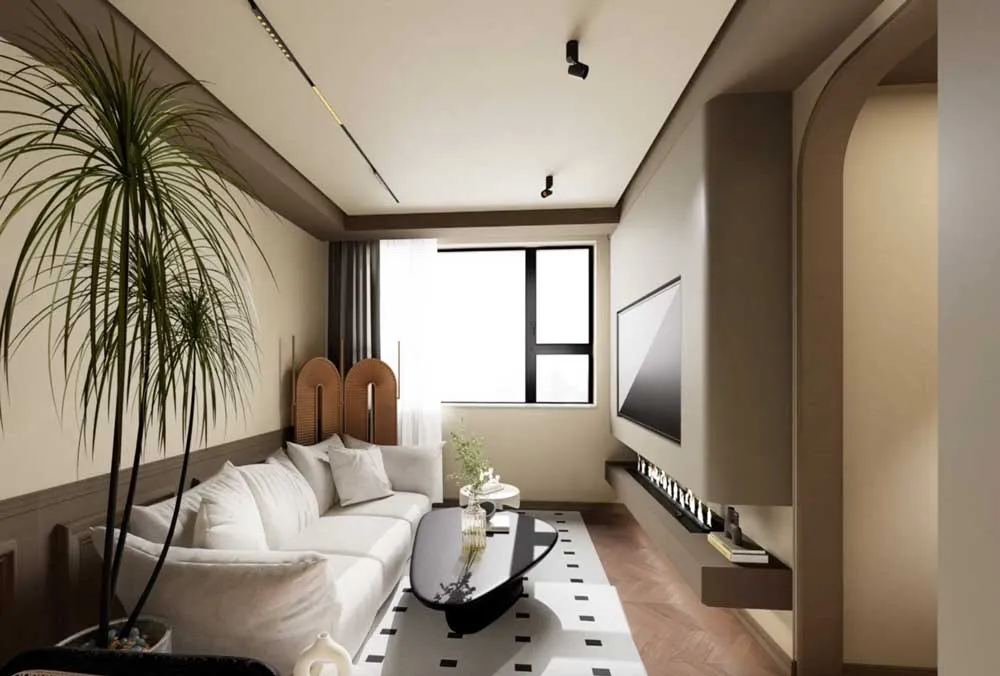
In small Pakistani homes, arrange furniture by placing larger pieces like beds, sofas, and wardrobes against the walls to maximize open floor space, use multi-functional furniture such as storage beds or nesting tables, keep walkways clear for easy movement, choose compact furniture that fits the room’s size, utilize vertical storage with shelves and wall-mounted units, position mirrors to create a sense of spaciousness, and avoid overcrowding by keeping only essential items in the room.
Understand Your Room Layout
Before moving furniture into a room, it is important to understand the available space and how it can be used efficiently. Every room has unique dimensions, architectural features, and traffic patterns that influence furniture placement. A well-planned layout helps avoid clutter and ensures that the room remains functional. Taking time to evaluate the space can prevent costly mistakes and unnecessary rearrangements later. Careful planning also allows homeowners to make better purchasing decisions. Understanding the room’s structure is the foundation of successful furniture arrangement.
Measure the Available Space
Accurate measurements are essential when arranging furniture in a small room. Measuring the length, width, and height of the room helps determine how much furniture can comfortably fit without making the area feel crowded. It is also important to measure doorways, windows, and built-in features that may affect furniture placement. Creating a simple floor plan can help visualize different layouts before moving heavy items. This approach reduces trial and error and saves time during the setup process. Proper measurements ensure that each furniture piece contributes to a balanced and functional room design.
Identify the Room’s Purpose
Every room should be arranged according to its primary function. A bedroom requires a different furniture layout than a lounge, study area, or guest room. Identifying the room’s purpose helps prioritize essential furniture and eliminate unnecessary items that consume valuable space. For example, a study room may benefit from a compact desk and storage shelves, while a living room may require comfortable seating and a media unit. Defining the room’s purpose creates a clear design direction. This approach ensures that the available space is used effectively and efficiently.
Choose Multi-Functional Furniture
Multi-functional furniture is one of the most practical solutions for small Pakistani homes. These furniture pieces serve more than one purpose, reducing the need for additional items and freeing up floor space. Modern furniture manufacturers offer innovative designs that combine storage, seating, and sleeping functions in a single piece. Such furniture is particularly useful in apartments and compact houses where every inch matters. Investing in versatile furniture can improve organization and convenience. It also helps maintain a clean and uncluttered appearance throughout the home.
Sofa Beds and Storage Beds
Sofa beds and storage beds are excellent choices for maximizing functionality in limited spaces. A sofa bed can serve as comfortable seating during the day and transform into a sleeping area when needed. Similarly, storage beds provide hidden compartments for storing bedding, clothing, and seasonal items. These solutions help reduce clutter and eliminate the need for extra storage furniture. They are especially beneficial for guest rooms and studio apartments. By combining multiple functions into one piece, homeowners can enjoy greater flexibility and efficiency.
Nesting Tables and Foldable Furniture
Nesting tables and foldable furniture offer flexibility that traditional furniture often lacks. Nesting tables can be separated when additional surface space is required and stacked together when not in use. Foldable dining tables, chairs, and desks can be stored away easily, creating more room for movement. These furniture options are ideal for small households that need adaptable living spaces. Their compact design helps maintain a spacious appearance while still providing practical functionality. They are perfect for modern urban living where space optimization is essential.
Place Large Furniture First
Large furniture pieces have the greatest impact on a room’s layout and should be positioned before smaller items. Beds, sofas, wardrobes, and dining tables establish the structure of the room and influence traffic flow. Placing these pieces first helps homeowners identify the best locations for additional furniture and decorative elements. A thoughtful arrangement prevents overcrowding and creates a balanced visual appearance. It also ensures that key functional areas remain accessible. Starting with larger furniture simplifies the overall design process.
Position the Bed or Sofa Strategically
The bed or sofa is usually the largest furniture item in a room and should be placed carefully. Positioning it against the longest wall often creates a sense of openness and leaves more floor space available for movement. It is important to avoid blocking windows, doors, and natural light sources. Strategic placement enhances comfort while maintaining a practical room layout. A well-positioned bed or sofa can also serve as the visual anchor of the room. This arrangement contributes to a more organized and inviting environment.
Create a Focal Point
A focal point gives the room a sense of direction and visual balance. Common focal points include a television unit, decorative wall, window view, or statement furniture piece. Once the focal point is identified, other furniture can be arranged around it to create harmony. This technique helps prevent random furniture placement and improves the overall appearance of the room. A strong focal point can make a small room feel more organized and purposeful. It also enhances the room’s aesthetic appeal without requiring additional decorations.
Maximize Vertical Space
When floor space is limited, utilizing vertical space becomes essential. Many homeowners focus solely on floor-level storage and overlook the potential of walls. Vertical storage solutions allow items to be stored higher up, freeing valuable floor space for movement and daily activities. This approach creates a cleaner and more open environment. It also helps maintain organization without sacrificing functionality. Effective use of vertical space is a key strategy in small-room design.
Install Wall Shelves
Wall shelves provide additional storage without occupying floor space. They can be used to display decorative items, books, plants, and everyday essentials while keeping surfaces clutter-free. Floating shelves are particularly popular because they offer storage with a minimal visual footprint. Properly installed shelves can make a room appear taller and more spacious. They also allow homeowners to personalize their living spaces without overcrowding the room. Wall shelving is an affordable and practical solution for small homes.
Use Tall Cabinets
Tall cabinets take advantage of unused wall height and provide substantial storage capacity. Instead of spreading storage horizontally, these cabinets maximize vertical space while maintaining a compact footprint. They are ideal for storing clothing, household supplies, and personal belongings. Tall cabinets help reduce clutter and improve room organization. Their sleek design can also contribute to a modern and sophisticated appearance. Choosing cabinets that extend upward rather than outward is an effective strategy for small rooms.
Maintain Clear Walking Paths
Clear walking paths are essential for comfort and accessibility in small spaces. Furniture should be arranged to allow smooth movement throughout the room without obstacles. Narrow pathways can make a room feel cramped and inconvenient to use. Maintaining adequate circulation space improves both functionality and safety. It also creates the impression of a larger and more open environment. Thoughtful placement ensures that the room remains practical for everyday living.
Avoid Overcrowding
One of the most common mistakes in small-room design is adding too much furniture. Overcrowding reduces functionality and makes the room appear smaller than it actually is. Choosing only essential furniture pieces helps maintain a balanced and comfortable environment. A minimalist approach often works best in compact spaces. Removing unnecessary items creates visual openness and improves movement. This strategy allows each furniture piece to serve a meaningful purpose.
Use Corner Spaces Effectively
Corners are often underutilized areas that can provide valuable functionality. Corner desks, shelves, cabinets, and seating units make productive use of otherwise unused space. These solutions help maximize room capacity without interfering with traffic flow. Utilizing corners effectively can increase storage and improve organization. It also contributes to a more efficient layout. Small rooms benefit greatly from making use of every available area.
Select the Right Furniture Size
Furniture size plays a major role in how spacious a room feels. Oversized furniture can overwhelm a small room and limit movement. Choosing appropriately scaled pieces creates better visual balance and functionality. Compact furniture designs are often more suitable for modern Pakistani homes with limited space. Properly sized furniture allows the room to feel comfortable rather than crowded. This simple consideration can significantly improve the overall living experience.
Scale Furniture to Room Dimensions
Furniture should always be selected according to the room’s dimensions. Large sofas, bulky wardrobes, and oversized tables can dominate a small space and reduce usability. Compact alternatives provide the same functionality while preserving openness. Measuring both the room and the furniture before purchasing helps avoid fitting issues. A balanced scale contributes to a harmonious interior design. It also ensures that the room remains practical and visually appealing.
Prefer Lightweight Furniture
Lightweight furniture offers flexibility and convenience in small spaces. It can be moved easily when cleaning, rearranging, or accommodating guests. Furniture with slim frames and open designs also creates a less cluttered appearance. Lightweight pieces contribute to a brighter and more spacious atmosphere. They are particularly useful for households that frequently adjust their room layouts. Their versatility makes them a smart choice for compact living environments.
Use Mirrors and Lighting to Create Space
Mirrors and lighting are powerful design tools that can visually expand a small room. They help reflect light and create the illusion of greater depth. Proper lighting makes a room feel brighter, more welcoming, and less confined. Combining these elements strategically can dramatically enhance the perception of space. They are cost-effective solutions that deliver significant visual impact. Even the smallest rooms can benefit from thoughtful lighting and mirror placement.
Strategic Mirror Placement
Mirrors reflect both natural and artificial light, making rooms appear larger than they actually are. Placing a mirror opposite a window can maximize daylight and brighten the interior. Large mirrors can also create a sense of depth and openness. They work particularly well in narrow rooms and small living areas. Thoughtful placement enhances both functionality and aesthetics. Mirrors remain one of the simplest ways to visually enlarge a space.
Improve Lighting
Good lighting is essential for creating an open and comfortable environment. Natural light should be maximized whenever possible by keeping windows unobstructed. Additional lighting from wall sconces, floor lamps, and ceiling fixtures can eliminate dark corners. Bright spaces naturally feel larger and more inviting. Layered lighting creates depth and improves functionality. Effective lighting design can transform the overall atmosphere of a small room.
Smart Storage Solutions
Storage is one of the biggest challenges in small homes. Smart storage solutions help keep belongings organized while minimizing clutter. Hidden and space-saving storage options allow homeowners to maximize available space without sacrificing style. Efficient storage contributes to a cleaner and more comfortable living environment. It also simplifies daily routines by keeping essential items accessible. Strategic storage planning is crucial for maintaining order in compact homes.
Under-Bed Storage
The area beneath a bed offers valuable storage potential that is often overlooked. Storage boxes, drawers, and containers can be used to store seasonal clothing, bedding, and personal belongings. Utilizing this space reduces the need for additional storage furniture. It also helps maintain a tidy and organized room. Under-bed storage is especially beneficial in bedrooms with limited closet space. This practical solution maximizes functionality without occupying extra floor area.
Hidden Storage Furniture
Furniture with built-in storage combines practicality and style. Storage ottomans, benches, and coffee tables provide concealed compartments for everyday items. These pieces help reduce visible clutter while maintaining a neat appearance. Hidden storage is particularly useful in living rooms and multipurpose spaces. It allows homeowners to keep essentials close at hand without compromising aesthetics. This approach supports a more organized and efficient home environment.
Common Furniture Arrangement Mistakes to Avoid
Many homeowners unintentionally make design choices that reduce the effectiveness of small spaces. Blocking windows, overcrowding rooms, and neglecting storage needs are common mistakes. These issues can make rooms feel smaller and less functional. Understanding these pitfalls helps homeowners create more efficient layouts. Avoiding common errors can significantly improve comfort and visual appeal. Careful planning ensures that every furniture piece contributes positively to the space.
Why Choose Gourmet Furnishers?
Gourmet Furnishers understands the unique space challenges faced by homeowners in Pakistan and offers furniture solutions designed for modern living. The brand focuses on high-quality craftsmanship, functional designs, and stylish aesthetics that complement both small and large homes. From space-saving storage beds to elegant sofas and practical dining sets, every product is designed with comfort and durability in mind. Customers benefit from a wide range of furniture options that maximize functionality without compromising style. The company is committed to providing excellent customer service and furniture that meets evolving lifestyle needs. Choosing Gourmet Furnishers means investing in furniture that enhances both the beauty and practicality of your home.
Conclusion
Arranging furniture in a small room requires thoughtful planning, smart furniture choices, and effective use of available space. By understanding the room layout, selecting multi-functional furniture, maximizing vertical storage, and maintaining clear pathways, homeowners can create comfortable and stylish living environments. Small spaces can feel spacious and inviting when every element serves a purpose. Simple design strategies can significantly improve functionality and organization. Whether furnishing a bedroom, living room, or apartment, careful furniture arrangement makes a noticeable difference. With the right approach, even the smallest rooms can become practical, beautiful, and highly efficient.
FAQs
How can I make a small room look bigger?
Using mirrors, light-colored furniture, proper lighting, and minimal clutter can create the illusion of a larger and more open room.
What type of furniture is best for small Pakistani homes?
Multi-functional furniture such as storage beds, sofa beds, foldable tables, and nesting tables is ideal for maximizing limited space.
Should furniture be placed against the walls in a small room?
Not always. Leaving small gaps between furniture and walls can create visual depth and make the room feel more spacious.
How do I maximize storage in a small bedroom?
Use under-bed storage, wall-mounted shelves, tall cabinets, and furniture with built-in storage compartments to increase storage capacity.
Why is furniture size important in small spaces?
Appropriately sized furniture prevents overcrowding, improves movement, and creates a balanced layout that makes the room feel more comfortable.
Leave a Reply
You must be logged in to post a comment.