
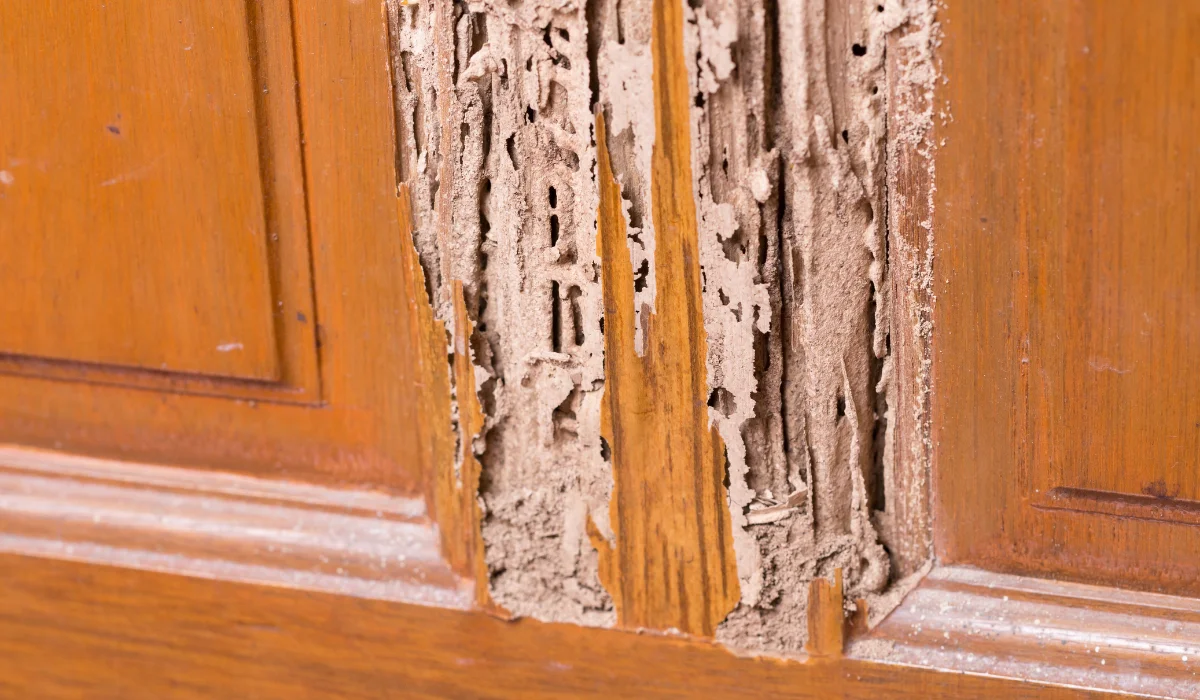
Termites are among the most destructive pests that can damage wooden furniture from the inside out. They feed on cellulose present in wood and often remain unnoticed until significant damage has occurred. If left untreated, termites can weaken the structure and reduce the lifespan of valuablefurniture. Permanent removal requires a combination of proper treatment and preventive measures. Understanding the causes and signs of infestation helps homeowners take timely action. With the right approach, wooden furniture can remain protected and termite-free for many years.
What Causes Termites in Wooden Furniture?
Termites are attracted to damp and untreated wood, making furniture vulnerable to infestation. Excess moisture and humidity create ideal conditions for termite colonies to thrive. Cracks, gaps, and hidden corners provide safe shelter where termites can multiply unnoticed. Storing furniture close to walls or in poorly ventilated areas increases the risk of attack. Lack of regular inspection and maintenance allows termite activity to continue undetected. Identifying these causes is essential for preventing future infestations and protecting wooden items.
Moisture and Humidity Attract Termites
Termites prefer environments with high moisture because it helps them survive and reproduce. Water leaks, damp floors, and humid rooms create perfect conditions for termite growth. Furniture placed in basements or near windows can absorb moisture over time. Excess humidity weakens wood and makes it easier for termites to feed. Using dehumidifiers and ensuring proper ventilation can reduce the chances of infestation. Keeping furniture dry is one of the best ways to discourage termites.
Cracks and Hidden Spaces Provide Shelter
Small cracks and hidden cavities in furniture offer termites a safe place to live. These areas are difficult to inspect, allowing colonies to grow unnoticed. Termites often build tunnels inside wood without leaving visible signs initially. Old furniture with loose joints and gaps is particularly susceptible. Sealing cracks and repairing damaged sections can reduce termite hiding places. Regular inspections help identify these spaces before termites spread further.
Lack of Regular Maintenance Encourages Infestation
Neglecting wooden furniture makes it more vulnerable to termite attacks. Dust accumulation and moisture retention create favorable conditions for pests. Without routine checks, infestations can remain hidden for months. Applying protective coatings and polishing wood regularly helps maintain its strength. Timely repairs prevent termites from exploiting weak areas. Consistent maintenance is essential for long-term furniture protection.
Common Signs of Termite Infestation
Recognizing termite activity early can prevent severe damage to furniture. Several warning signs indicate the presence of termites inside wood. Ignoring these signs may allow the infestation to spread rapidly. Homeowners should inspect furniture regularly for unusual changes. Early detection makes treatment easier and more effective. Prompt action can save furniture from extensive destruction.
Mud Tubes Around Furniture
Termites build mud tubes to travel safely between their nests and food sources. These narrow tunnels are often found near furniture legs and walls. Mud tubes protect termites from light and dry conditions. Their presence usually indicates an active infestation. Breaking the tubes may reveal live termites inside. Professional inspection is recommended if mud tubes are discovered.
Tiny Holes and Powder-Like Dust
Small holes on wooden surfaces are common signs of termite activity. Fine powder or wood particles around furniture indicate internal damage. Termites create these openings while feeding inside the wood. The damage often spreads before becoming visible externally. Cleaning the area and monitoring for fresh dust can help confirm infestation. Immediate treatment prevents further destruction.
Hollow Sound When Tapping Wood
Wood damaged by termites often sounds hollow when tapped. This occurs because termites consume the interior while leaving the outer surface intact. Furniture may appear normal despite severe internal damage. Hollow sounds indicate weakened structural strength. Inspecting suspicious areas can reveal hidden termite activity. Early treatment helps preserve the furniture.
Discarded Wings Near Wooden Items
Flying termites shed their wings after establishing new colonies. These wings are commonly found near windows, doors, and furniture. Their presence indicates termite breeding activity nearby. Discarded wings should never be ignored. They are often one of the earliest signs of infestation. Quick action helps prevent colony expansion.
Inspect the Furniture Thoroughly
Careful inspection is necessary to determine the extent of termite damage. Examining all sides of the furniture helps locate affected areas. Hidden corners and joints should be checked thoroughly. Nearby walls and floors should also be inspected for signs of infestation. Understanding the severity of damage guides treatment decisions. Regular inspections can prevent major repairs in the future.
Identify Affected Areas
Determining the exact location of termite activity is essential for targeted treatment. Damaged sections may show holes, cracks, or discoloration. Focusing on affected areas reduces unnecessary repairs. Detailed inspection ensures no hidden colonies are overlooked. Marking damaged spots helps during treatment. Accurate identification increases the success of termite removal.
Check Nearby Walls and Floors
Termites often spread beyond furniture to surrounding structures. Walls, flooring, and skirting boards should be inspected carefully. Mud tubes or cracks may indicate colony movement. Ignoring nearby areas can lead to reinfestation. Comprehensive inspection ensures complete elimination. This approach provides long-term protection.
Determine the Severity of Infestation
Understanding the extent of termite damage helps choose the appropriate treatment. Minor infestations can often be treated with simple methods. Severe damage may require professional intervention. Structural weakness should be assessed before repairs. Identifying infestation levels prevents wasted effort. Proper evaluation ensures effective results.
Use Sunlight to Eliminate Termites
Sunlight is a natural method for reducing termite populations. Termites cannot survive prolonged exposure to heat and dryness. Placing furniture outdoors in direct sunlight helps kill hidden pests. Repeating the process over several days increases effectiveness. Sunlight treatment is eco-friendly and inexpensive. It works best for mild infestations.
Why Heat Kills Termites
Termites require moisture and stable temperatures to survive. Excessive heat dehydrates and kills them quickly. Direct sunlight disrupts their natural environment. Heat also reduces moisture within the wood. This makes furniture less attractive to termites. Combining heat with other treatments provides better results.
Proper Way to Expose Furniture to Sunlight
Furniture should be placed in an open area with strong sunlight. Rotating it ensures all sides receive adequate exposure. Several hours of sunlight each day improve effectiveness. Cushions and accessories should be removed before treatment. Proper handling prevents discoloration and warping. Repeating the process helps eliminate hidden termites.
How Long the Treatment Should Last
Sunlight treatment usually requires several days to achieve results. Exposing furniture for at least six hours daily is recommended. Longer treatment periods improve effectiveness. Severe infestations may require additional methods. Regular observation helps monitor progress. Persistence increases the chances of complete removal.
Apply Natural Remedies
Natural solutions offer environmentally friendly termite control options. They are useful for minor infestations and preventive care. These remedies are safe when used correctly. Repeated applications may be necessary for lasting results. Natural treatments work best when combined with maintenance. They provide an affordable alternative to chemical solutions.
Neem Oil Treatment
Neem oil contains compounds that disrupt termite growth and reproduction. Applying it directly to affected areas helps control infestations. The oil penetrates wood and reaches hidden pests. Repeated applications improve effectiveness. Neem oil is non-toxic and eco-friendly. It also helps prevent future termite attacks.
White Vinegar and Lemon Solution
A mixture of vinegar and lemon juice creates an acidic solution that repels termites. Spraying affected areas regularly helps control minor infestations. The solution is easy to prepare and inexpensive. It can reach cracks and crevices in furniture. Repeated use increases effectiveness. However, severe infestations may require stronger treatments.
Orange Oil for Localized Infestations
Orange oil contains d-limonene, which is toxic to termites. Applying it to infested areas kills termites on contact. It penetrates wood and targets hidden colonies. Orange oil is suitable for small infestations. Reapplication may be necessary for complete control. It is considered a safer alternative to harsh chemicals.
Use Anti-Termite Chemical Treatments
Chemical treatments provide long-lasting protection against termites. They are highly effective for moderate and severe infestations. Proper application ensures maximum results. Following safety instructions is essential. Chemicals should be used carefully around children and pets. Professional assistance may be necessary for extensive infestations.
Fumigation for Severe Infestations
Fumigation is recommended when termites have spread extensively. The process eliminates colonies hidden deep inside furniture. Professional experts use specialized chemicals to ensure complete eradication. Fumigation provides fast and reliable results. Safety measures are necessary during treatment. It is one of the most effective solutions for severe infestations.
Repair and Restore Damaged Furniture
After termite removal, damaged sections should be repaired promptly. Wood fillers and replacement parts restore structural integrity. Sanding and polishing improve appearance. Repairs prevent further deterioration. Proper restoration extends furniture lifespan. Regular maintenance keeps furniture in excellent condition.
Prevent Termites from Returning
Preventive measures are essential for permanent termite control. Keeping furniture dry and clean reduces the risk of infestation. Protective coatings add an extra layer of defense. Routine inspections help detect problems early. Proper ventilation prevents moisture buildup. Consistent care ensures long-lasting protection.
Professional Termite Control Services
Professional services provide advanced solutions for serious infestations. Experts use specialized equipment and proven methods. Their experience ensures complete elimination of termite colonies. Professional treatments offer long-term protection. Regular maintenance plans reduce future risks. Hiring experts saves time and prevents costly repairs.
Mistakes to Avoid When Treating Termites
Ignoring early signs often leads to extensive damage. Incomplete treatments allow termites to return. Delaying action makes infestations harder to control. Relying solely on temporary solutions is ineffective. Skipping preventive measures increases future risks. Proper treatment and maintenance are essential for permanent results.
How to Protect Wooden Furniture for Years
Long-term protection requires regular maintenance and inspections. Using termite-resistant wood products improves durability. Applying protective finishes helps preserve furniture quality. Moisture control plays a vital role in prevention. Seasonal inspections detect issues before they worsen. These practices ensure furniture remains strong and attractive for years.
Why Choose Gourmet Furnishers
Gourmet Furnishers is committed to providing high-quality furniture that combines durability and elegant design. The company uses premium materials and expert craftsmanship to ensure long-lasting performance. Every piece is designed with attention to detail and superior finishing. Customer satisfaction remains a top priority through reliable service and professional guidance. Their furniture solutions are built to withstand everyday use while maintaining aesthetic appeal. Choosing Gourmet Furnishers means investing in quality, style, and lasting value.
Conclusion
Removing termites permanently requires early detection, effective treatment, and continuous prevention. Natural remedies, chemical solutions, and professional services all play important roles depending on the severity of infestation. Maintaining dry and well-protected furniture helps prevent future termite attacks. Regular inspections ensure problems are identified before serious damage occurs. With proper care and maintenance, wooden furniture can remain durable and attractive for many years. Combining treatment with preventive measures is the key to permanent termite control.
FAQs
Can termites be removed permanently from furniture?
Yes, proper treatment combined with preventive maintenance can eliminate termites permanently.
Does sunlight kill termites?
Yes, prolonged exposure to direct sunlight and heat can help kill termites.
What is the best chemical treatment for termites?
Liquid termiticides and anti-termite wood preservatives are highly effective.
How often should furniture be inspected for termites?
Inspect wooden furniture every few months to detect early signs of infestation.
When should I hire professional termite control services?
Professional help is recommended when infestations are severe or widespread.
Leave a Reply
You must be logged in to post a comment.