
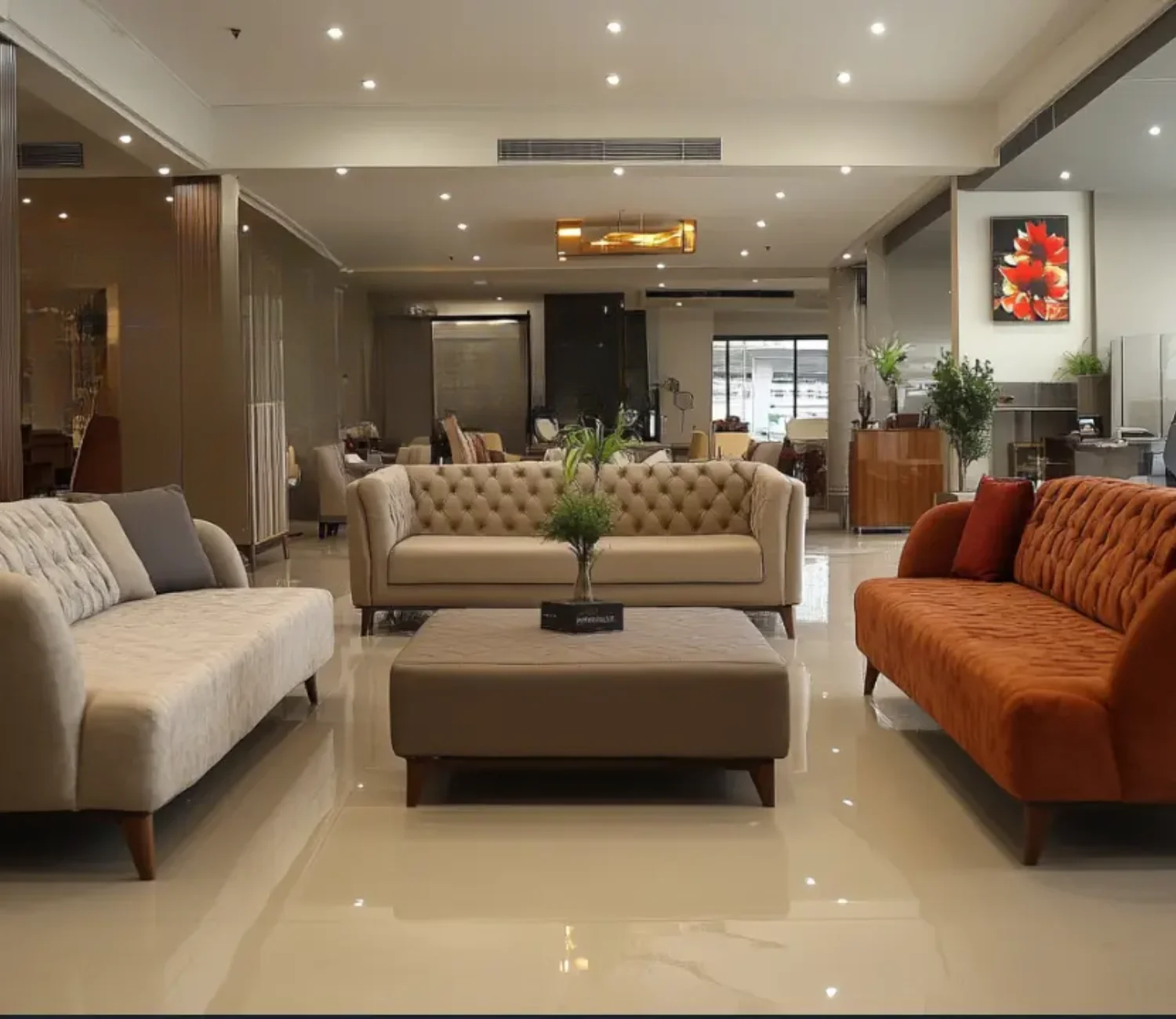
The best ways to protect furniture during the monsoon season include keeping indoor spaces well-ventilated, controlling humidity with dehumidifiers or moisture absorbers, and avoiding direct contact between furniture and damp walls or floors. Wooden furniture should be polished regularly to maintain a protective layer, while fabric upholstery should be cleaned and dried frequently to prevent mold and mildew. Using waterproof covers, placing silica gel packets inside drawers, and ensuring immediate cleanup of any water spills can also help preserve the quality and appearance of your furniture. Regular inspection for signs of moisture, termites, or fungal growth ensures long-lasting protection throughout the rainy season.
How Monsoon Weather Affects Furniture
Heavy rainfall and humid air create conditions that can damage various types offurniture. Excess moisture is absorbed by wood, causing it to expand and weaken. Upholstery can become damp and attract mold and bacteria. Metal fittings and legs may develop rust if exposed to moisture for long periods. These issues not only affect appearance but also reduce structural strength. Knowing the impact of monsoon weather allows homeowners to take timely precautions.
Excess Moisture and Humidity
Humidity levels rise significantly during monsoon season, increasing moisture in indoor spaces. Wooden furniture absorbs this moisture from the air, causing dimensional changes. Damp conditions also create an ideal environment for mold and mildew growth. Fabrics and cushions may retain moisture and produce unpleasant smells. Excess humidity weakens adhesives and joints over time. Maintaining balanced indoor humidity is essential for preserving furniture quality.
Swelling and Warping of Wood
Wood naturally reacts to moisture by expanding and contracting. During monsoon months, prolonged exposure to humidity causes wooden furniture to swell. This swelling may lead to warped doors, drawers, and uneven surfaces. Warping affects both the functionality and appearance of furniture. Fine finishes may crack or peel because of continuous moisture absorption. Proper ventilation and protective coatings help minimize these problems.
Mold, Mildew, and Fungal Growth
Damp and poorly ventilated spaces encourage mold and fungal growth on furniture surfaces. Upholstery and wooden items are especially vulnerable to these issues. Mold creates unpleasant odors and can stain furniture permanently. Fungal growth may also pose health risks for family members. Hidden corners and enclosed spaces often become breeding grounds for mildew. Regular cleaning and moisture control are essential to prevent such problems.
Rust and Corrosion on Metal Parts
Metal hinges, handles, screws, and furniture frames can rust during humid weather. Moisture causes oxidation, which gradually weakens metal components. Rust affects the smooth operation of drawers and cabinets. Corrosion also reduces the aesthetic appeal of furniture. If ignored, metal parts may eventually require replacement. Applying anti-rust treatments and keeping surfaces dry helps prevent corrosion.
Keep Furniture Away from Damp Areas
Placing furniture in damp locations increases the chances of moisture damage. Furniture should be positioned away from leaking walls, windows, and wet floors. Adequate spacing between furniture and walls allows air to circulate freely. Avoid placing wooden items directly on cold surfaces that may retain moisture. Proper placement reduces the risk of mold formation and warping. A well-ventilated arrangement contributes to longer furniture life.
Avoid Direct Contact with Walls
Walls often absorb moisture during rainy seasons, especially exterior walls. Furniture placed directly against these walls may also become damp. Moisture trapped behind cabinets and sofas encourages mold growth. Leaving a small gap allows air circulation and prevents condensation. This simple practice reduces the chances of stains and structural damage. Proper spacing improves both durability and cleanliness.
Place Furniture Away from Windows and Leaks
Rainwater entering through windows or roof leaks can quickly damage furniture. Wooden surfaces may absorb water and become swollen or discolored. Upholstery can develop stains and unpleasant odors if exposed to moisture. Keeping furniture away from vulnerable areas minimizes these risks. Regularly inspecting windows and ceilings helps identify leakage issues early. Timely repairs protect both furniture and interiors.
Ensure Proper Air Circulation
Good airflow helps remove excess moisture from indoor environments. Keeping rooms ventilated prevents dampness from accumulating around furniture. Fans and air conditioners can improve air movement during humid days. Proper circulation also reduces mold and mildew formation. Furniture stays dry and maintains its original appearance. Well-ventilated spaces contribute to healthier living conditions.
Control Indoor Humidity Levels
Managing humidity is one of the most effective ways to protect furniture. Excess moisture inside rooms accelerates wood damage and mold growth. Air conditioners and dehumidifiers help maintain balanced humidity levels. Opening windows during dry weather also improves ventilation. Consistent humidity control preserves furniture structure and finish. Maintaining a dry environment ensures long-lasting durability.
Use Dehumidifiers and Air Conditioners
Dehumidifiers remove excess moisture from indoor air and maintain comfortable conditions. Air conditioners also reduce humidity while improving air circulation. These appliances help protect wooden furniture from swelling and cracking. Upholstered items remain fresher and less susceptible to mold. Controlled humidity levels extend the life of furniture materials. Investing in humidity-control devices provides long-term benefits.
Keep Rooms Well Ventilated
Ventilation prevents stagnant air and moisture accumulation. Open spaces allow humidity to escape and fresh air to enter. Fans can assist in improving airflow throughout the room. Well-ventilated areas discourage fungal growth and unpleasant odors. Furniture remains dry and structurally stable. Proper ventilation is a simple yet effective protective measure.
Open Windows During Dry Hours
Opening windows during periods of low humidity allows fresh air to circulate indoors. Morning or afternoon sunshine helps reduce dampness naturally. Avoid keeping windows open during heavy rainfall. Controlled ventilation removes trapped moisture from rooms. This practice keeps furniture dry and prevents mold formation. Fresh air also improves indoor comfort and cleanliness.
Use Protective Covers and Polishes
Protective measures provide an additional barrier against moisture. Quality furniture polish creates a layer that resists water absorption. Breathable covers shield furniture while allowing airflow. Proper protection prevents discoloration and surface damage. Regular maintenance preserves shine and appearance. Using suitable products extends the life of furniture.
Apply Waterproof Polish on Wooden Furniture
Waterproof polish protects wood from absorbing excess moisture. It enhances the natural beauty and shine of furniture surfaces. Polishing also prevents cracks and surface peeling. High-quality products improve durability and resistance to humidity. Regular application keeps wooden items looking new. Proper polishing is an important part of monsoon maintenance.
Use Breathable Fabric Covers
Breathable covers protect furniture from dust and moisture without trapping humidity. Unlike plastic sheets, they allow air circulation around surfaces. These covers help prevent mold and unpleasant odors. They are particularly useful for sofas and upholstered items. Washable fabric covers are easy to maintain. Choosing breathable materials provides better long-term protection.
Protect Upholstery from Moisture
Fabric furniture easily absorbs moisture and develops musty smells. Regular vacuuming removes dust and prevents bacterial growth. Keeping upholstery dry helps maintain comfort and appearance. Moisture-resistant sprays can offer additional protection. Immediate drying of spills prevents permanent stains. Proper care keeps sofas and chairs fresh throughout the season.
Clean Furniture Regularly
Routine cleaning prevents dirt and moisture buildup on furniture surfaces. Dust particles combined with humidity can damage finishes. Dry cloths are ideal for removing moisture and dust. Mild cleaners help maintain shine without harming materials. Consistent cleaning prevents mold and bacterial growth. Regular maintenance increases furniture longevity.
Wipe Surfaces with Dry Cloths
Dry cloths effectively remove moisture from wooden and metal surfaces. They prevent water droplets from remaining on furniture. Frequent wiping maintains cleanliness and shine. Soft cloths avoid scratches and preserve finishes. Daily cleaning reduces the risk of mold formation. This simple habit significantly improves furniture durability.
Remove Dust and Moisture Immediately
Dust and moisture together create ideal conditions for deterioration. Immediate cleaning prevents stains and fungal growth. Drying wet surfaces protects wood and upholstery. Quick action minimizes long-term damage. Regular inspections help detect hidden moisture. Timely maintenance keeps furniture in excellent condition.
Use Mild Cleaning Solutions
Harsh chemicals can damage furniture finishes and fabrics. Mild cleaners effectively remove dirt while preserving surfaces. Natural cleaning products are safe for most materials. Proper cleaning maintains color and texture. Gentle solutions extend furniture lifespan. Following manufacturer guidelines ensures the best results.
Prevent Mold and Mildew Growth
Preventing mold is essential for maintaining hygiene and furniture quality. Moisture absorbers help keep enclosed spaces dry. Regular inspections identify early signs of mildew. Clean surroundings discourage fungal development. Proper airflow further minimizes risks. Preventive measures keep furniture fresh and healthy.
Use Silica Gel Packs and Moisture Absorbers
Silica gel packs absorb excess moisture from the surrounding air. They are especially useful inside cabinets and drawers. Moisture absorbers prevent mold and unpleasant odors. These products are affordable and easy to use. Regular replacement ensures maximum effectiveness. They provide additional protection during humid months.
Place Neem Leaves or Camphor Around Furniture
Neem leaves and camphor have natural anti-fungal properties. They help repel insects and reduce moisture-related odors. Placing them in cupboards keeps enclosed spaces fresh. Their natural fragrance improves indoor conditions. These remedies are economical and environmentally friendly. Traditional methods provide effective support against mold.
Check Hidden Corners Frequently
Hidden areas behind furniture often accumulate moisture unnoticed. Regular inspections help detect mold before it spreads. Early identification prevents expensive repairs. Cleaning inaccessible corners improves hygiene. Monitoring enclosed spaces protects furniture integrity. Frequent checks ensure long-lasting preservation.
Protect Upholstered Furniture and Mattresses
Soft furnishings require special attention during monsoon season. Moisture trapped inside cushions encourages bacterial growth. Vacuuming removes dust and allergens effectively. Sun exposure helps eliminate dampness and odors. Dry and clean upholstery remains comfortable and hygienic. Regular care increases durability and freshness.
Keep Cushions Dry
Dry cushions maintain their shape and comfort. Moisture can cause unpleasant smells and mold growth. Frequent airing prevents dampness from accumulating. Protective covers provide additional safety. Immediate drying after spills avoids permanent damage. Proper maintenance keeps cushions fresh and supportive.
Vacuum Fabric Surfaces Regularly
Vacuuming removes dirt, dust, and allergens trapped in upholstery. Clean fabrics are less likely to develop mold. Regular cleaning improves indoor air quality. Vacuuming also preserves texture and appearance. This habit enhances comfort and hygiene. Consistent maintenance prolongs fabric life.
Expose Mattresses to Sunlight Occasionally
Sunlight naturally eliminates moisture and bacteria from mattresses. Periodic exposure helps remove unpleasant odors. Dry mattresses provide healthier sleeping conditions. Fresh air improves comfort and cleanliness. Occasional sunning prevents mold development. This traditional practice enhances mattress longevity.
Care for Outdoor Furniture During Rainy Season
Outdoor furniture faces constant exposure to rain and humidity. Protective measures are essential to avoid deterioration. Waterproof covers provide effective shielding. Indoor storage offers maximum protection. Elevated placement prevents contact with wet surfaces. Proper care extends the lifespan of outdoor furniture.
Store Furniture Indoors When Possible
Moving outdoor furniture indoors protects it from heavy rainfall. Sheltered storage prevents moisture damage and fading. Indoor placement extends furniture life considerably. Dry conditions preserve finishes and materials. Temporary storage is especially useful during storms. Proper protection minimizes maintenance costs.
Use Waterproof Covers
Waterproof covers prevent rainwater from directly reaching furniture. They shield surfaces from dirt and moisture. High-quality covers are durable and reusable. Proper fitting ensures maximum effectiveness. Covers help maintain appearance and structure. They are essential for outdoor furniture care.
Elevate Furniture Above Wet Surfaces
Raised furniture avoids direct contact with waterlogged floors. Elevation prevents moisture absorption and rust formation. Small stands or blocks provide adequate support. Dry bases improve overall stability. This practice protects both wood and metal components. Elevated furniture remains in better condition.
Prevent Rust on Metal Furniture
Metal furniture requires protection from humid conditions. Rust weakens structural strength and affects appearance. Anti-rust products create protective barriers. Regular cleaning removes moisture and contaminants. Inspections identify early signs of corrosion. Proper maintenance extends furniture life.
Apply Anti-Rust Coatings
Protective coatings prevent oxidation on metal surfaces. They enhance durability and resistance to moisture. Anti-rust paints improve appearance and longevity. Periodic application maintains effectiveness. These coatings reduce maintenance expenses. Proper protection keeps metal furniture looking attractive.
Keep Metal Parts Dry
Dry surfaces are less likely to develop rust. Wiping metal components removes moisture and dust. Regular care preserves strength and functionality. Dry conditions prevent corrosion from spreading. Frequent cleaning maintains appearance. Consistent maintenance ensures long-term reliability.
Inspect Hinges and Joints Regularly
Hinges and joints are vulnerable to rust and wear. Regular inspections detect problems before they worsen. Lubrication keeps moving parts functioning smoothly. Timely repairs prevent structural damage. Maintaining hardware improves overall performance. Small preventive actions avoid expensive replacements.
Repair Minor Damage Early
Addressing small issues quickly prevents major furniture problems. Loose joints, peeling finishes, and cracks should not be ignored. Early repairs preserve appearance and strength. Preventive maintenance reduces long-term costs. Professional restoration can restore damaged pieces effectively. Timely action increases furniture lifespan.
Identify Signs of Moisture Damage
Swelling, discoloration, and mold indicate moisture problems. Recognizing these signs early prevents severe damage. Regular inspections help identify hidden issues. Prompt treatment maintains structural stability. Early detection reduces repair expenses. Awareness is essential for effective maintenance.
Fix Loose Joints and Peeling Finishes
Loose connections weaken furniture stability over time. Repairing joints restores strength and durability. Peeling finishes expose surfaces to moisture damage. Timely refinishing improves appearance and protection. Maintenance preserves original craftsmanship. Quick repairs prevent extensive deterioration.
Reapply Paint or Varnish When Needed
Fresh paint and varnish provide additional moisture resistance. Protective finishes preserve texture and appearance. Reapplication extends furniture life significantly. Quality coatings prevent cracking and discoloration. Regular refinishing keeps furniture attractive. Proper surface treatment ensures long-term protection.
Long-Term Maintenance Tips
Consistent care is essential for preserving furniture quality. Seasonal inspections help identify issues before they worsen. Rotating furniture prevents uneven wear and sun exposure. Investing in durable materials reduces maintenance requirements. Preventive care saves money over time. Long-term maintenance ensures lasting beauty and functionality.
Schedule Seasonal Furniture Inspections
Regular inspections detect damage at an early stage. Professionals can identify hidden moisture-related issues. Timely maintenance prevents expensive repairs. Seasonal checks improve furniture performance and durability. Consistent monitoring protects valuable investments. Preventive inspections provide peace of mind.
Rotate Furniture Placement Periodically
Changing furniture positions reduces uneven wear. Rotation allows balanced exposure to light and airflow. It prevents certain areas from becoming excessively damp. Periodic movement also refreshes interior arrangements. Balanced conditions improve durability. Rotating furniture contributes to longer service life.
Invest in Quality Furniture Materials
High-quality materials offer greater resistance to moisture and wear. Premium furniture retains its appearance for many years. Durable construction minimizes maintenance costs. Superior finishes provide better protection against humidity. Investing in quality ensures long-term value. Reliable materials deliver better performance throughout changing seasons.
Why Choose Gourmet Furnishers
Gourmet Furnishers is committed to providing premium-quality furniture designed for beauty, durability, and long-lasting performance. The company uses superior materials and expert craftsmanship to create pieces that withstand daily use and seasonal changes. Moisture-resistant finishes and modern designs ensure furniture remains attractive even during humid weather. Customized solutions are available to meet individual home and office requirements. Customers benefit from excellent service, competitive prices, and dependable after-sales support. Choosing Gourmet Furnishers means investing in quality, elegance, and lasting value.
Conclusion
Protecting furniture during monsoon season requires proper care, regular cleaning, and effective moisture control. Preventive measures such as maintaining ventilation, using protective covers, and repairing minor issues early can significantly increase furniture lifespan. Consistent maintenance preserves appearance, comfort, and functionality. By adopting these practices, homeowners can avoid costly repairs and maintain beautiful interiors. Quality furniture combined with proper care delivers lasting value. Seasonal attention ensures your furniture remains strong and stylish throughout the rainy months.
FAQs
How can I prevent wooden furniture from swelling during monsoon?
Keep rooms ventilated, use dehumidifiers, and apply waterproof polish regularly.
Is mold harmful to furniture?
Yes, mold causes stains, unpleasant odors, and can weaken furniture materials over time.
Can sunlight help protect furniture?
Yes, occasional sunlight exposure removes moisture and helps prevent mold growth.
Should I cover furniture during the rainy season?
Yes, breathable covers protect furniture while allowing proper air circulation.
How often should furniture be cleaned during monsoon?
Furniture should be dusted and wiped regularly to prevent moisture buildup and damage.
Leave a Reply
You must be logged in to post a comment.