
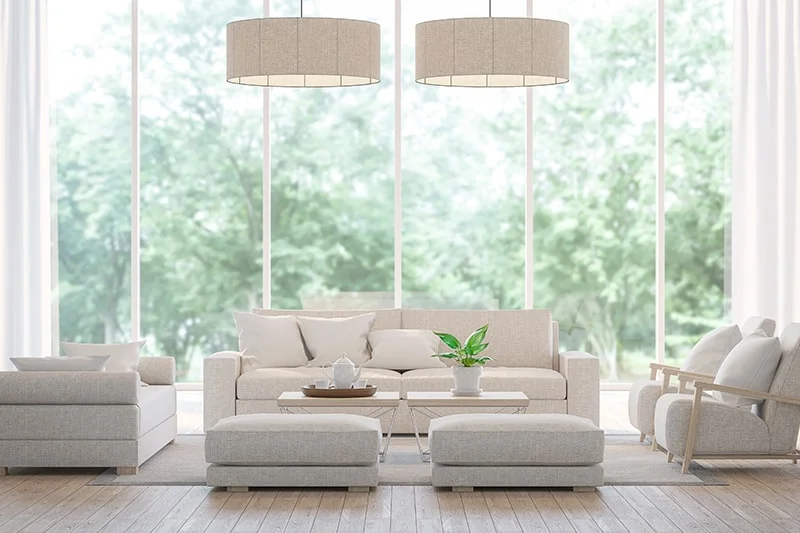
For a small living room, a compact L-shaped sofa or a straight 2–3 seater sofa is usually the best choice. A compact L-shaped sofa makes efficient use of corners and provides more seating without taking up too much floor space, while a straight sofa keeps the room open and easier to move around. Choose sofas with slim arms, raised legs, and a simple design to create a more spacious appearance. Avoid oversized, deep, or heavily rounded sofas, as they can make a small room feel crowded. For most small Pakistani living rooms, a compact L-shaped sofa is the best option when you need maximum seating with efficient use of space.
Why Sofa Shape Matters in a Small Living Room
The shape of a sofa directly affects how efficiently you can use your living room. A sofa with wide arms or excessive depth can take up valuable floor space and restrict movement around the room. In contrast, a streamlined sofa can provide comfortable seating while maintaining an open layout. The shape also determines where you can position other furniture such as a coffee table, side tables, TV unit, or accent chair. For smaller Pakistani homes and apartments, making efficient use of every available area is particularly important. Therefore, homeowners should consider both the sofa’s dimensions and its overall shape before making a purchase.
Best Sofa Shapes for Small Living Rooms
Compact Straight Sofa
A compact straight sofa is one of the most practical choices for a small living room because it has a simple and space-efficient design. A two-seater or smaller three-seater can usually be positioned against a wall without occupying too much floor space. Its straight profile also makes it easier to arrange a coffee table, TV unit, or additional seating around it. This design works particularly well in rectangular living rooms where floor space is limited. Choose a model with moderate depth and slim arms to maximize usable space. You can explore different sofa designs and living room furniture at Gourmet Furnishers when planning a compact living room.
L-Shaped Sofa
An L-shaped sofa can be an excellent choice for a small living room when it is correctly sized for the available space. Instead of spreading seating across multiple pieces of furniture, an L-shaped design uses a corner and provides several seats within one unit. It can work especially well when placed in the corner of the room, leaving the central area open. However, oversized L-shaped sofas can have the opposite effect and make a compact room feel cramped. Always measure both sections of the sofa before purchasing and compare them with your available wall and floor dimensions. A compact L-shaped design can therefore provide a good balance between seating capacity and efficient space utilization.
Loveseat Sofa
A loveseat is designed for smaller seating requirements and can be particularly useful in compact living rooms. Its shorter width allows homeowners to maintain more open floor space while still having comfortable seating for two people. Loveseats can also be combined with a small accent chair or ottoman if additional seating is occasionally required. Their compact size makes them suitable for apartments, bedrooms with sitting areas, and smaller family living rooms. When choosing a loveseat, consider its depth and armrest size rather than looking at width alone. A streamlined loveseat can make a small room feel less crowded while maintaining a comfortable and welcoming appearance.
Armless Sofa
An armless sofa can create a lighter and more open appearance because it eliminates the bulky side sections found on many traditional sofas. This design can be useful when the available width is extremely limited or when you want to maximize seating within a specific area. Without large armrests, more of the sofa’s seating surface can be used comfortably. Armless designs can also visually reduce the amount of furniture occupying the room. However, comfort and back support should still be considered before choosing this style. This option works particularly well with modern, minimalist, and contemporary living-room interiors.
Modular Sofa
A modular sofa provides flexibility because it is made from separate sections that can be arranged according to your room layout. This can be helpful for homeowners who have unusual room dimensions or frequently change their furniture arrangement. Instead of being restricted to one fixed configuration, individual sections can potentially be rearranged to suit different needs. Smaller modular units can also be selected instead of purchasing an oversized sectional. Before choosing this option, make sure each module fits through your doors, hallways, and stairways. Modular sofas are particularly useful when flexibility is as important as seating capacity.
Sofa Shapes to Avoid in Small Living Rooms
Not every attractive sofa design is suitable for a compact room. Large furniture can quickly reduce walking space and make the room feel visually heavy. Deep seats, oversized arms, wide curves, and bulky bases can consume more floor area than expected. This does not mean you must completely avoid these styles, but you should select smaller versions when possible. Always compare the sofa’s actual measurements with your room measurements rather than judging its size from photographs. A sofa that looks comfortable in a showroom may be impractical in a small living room.
Oversized Deep Sofas
Oversized deep sofas can take up a significant amount of floor space, particularly when placed in a narrow living room. Their large seating depth can reduce the distance between the sofa and coffee table or TV unit. They may also make it difficult for people to move comfortably around the furniture. While deep sofas can offer excellent lounging comfort, they are not always practical for smaller rooms. If you prefer a deeper seat, look for a moderately sized model that still leaves sufficient walking space. Measuring the available floor area before purchasing is the best way to avoid choosing a sofa that overwhelms the room.
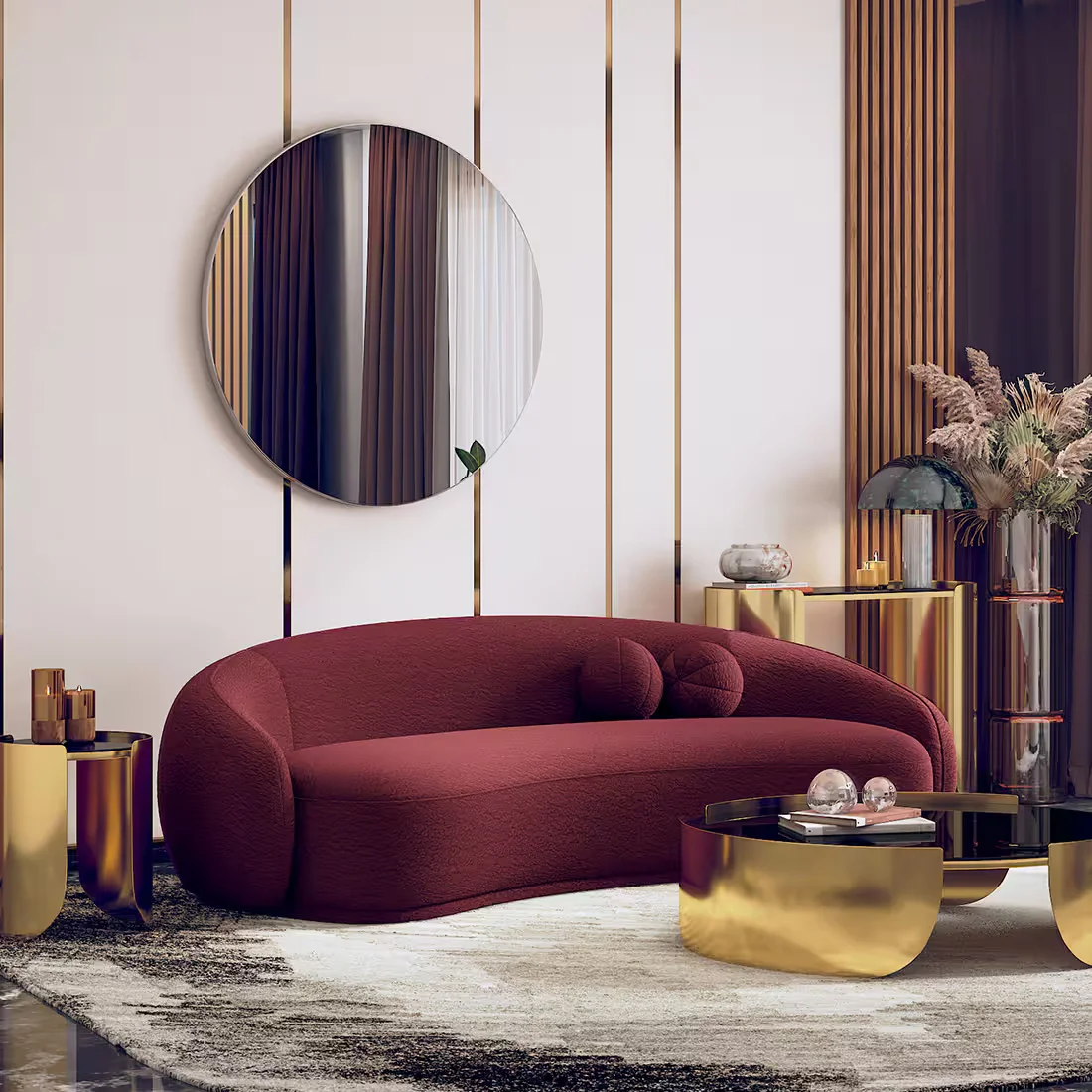
Large Curved Sofas
Curved sofas can create an elegant and distinctive appearance, but their rounded shape often requires more surrounding space than a straight sofa. They may leave unused areas between the sofa and walls or other furniture. In a small rectangular room, this can make furniture placement more difficult. A compact curved sofa may still work in certain layouts, especially in open-plan spaces. However, homeowners should carefully measure the sofa’s maximum width and depth before buying. If efficient space utilization is your priority, a straight or compact L-shaped sofa is usually easier to position.
Bulky Traditional Sofa Sets
Large traditional sofa sets can quickly fill a small living room because they often include several separate seating pieces. A 3-seater, 2-seater, and single chair arrangement may provide plenty of seating but leave very little open floor area. This can also make cleaning and movement around the furniture more difficult. For compact homes, consider using one main sofa combined with one lightweight chair or ottoman. This approach gives you flexibility without filling every corner of the room. You can also browse living room furniture options from Gourmet Furnishers to find designs that better suit your available space.
How to Choose the Right Sofa Shape for Your Room
Start by measuring the length and width of your living room before looking for a sofa. Next, identify the locations of doors, windows, electrical outlets, TV units, and other permanent fixtures. Consider how much space you need for walking around the sofa and how much seating your household actually requires. A compact straight sofa may be ideal for one layout, while an L-shaped model may work better in a corner-based arrangement. Sofa depth is equally important because two sofas with the same width can occupy very different amounts of floor space. The goal should be to select a sofa that provides enough seating without blocking movement or making the room feel crowded.
Best Sofa Placement Ideas for Small Living Rooms
Sofa Against the Wall
Placing a sofa against the wall is one of the simplest ways to maximize usable floor space in a small living room. This arrangement keeps the center of the room open and creates a clear path for movement. A compact straight sofa is particularly suitable for this type of placement. Make sure the sofa does not block windows, doors, switches, or heating and cooling vents. You can place a small coffee table or ottoman in front while maintaining enough clearance for comfortable movement. This simple layout can make a compact room appear more organized and spacious.
Sofa in a Corner
Using a corner can be an effective way to utilize space that might otherwise remain unused. An appropriately sized L-shaped sofa can fit into the corner while providing multiple seats without requiring several separate furniture pieces. This arrangement can also leave the center of the room available for a coffee table or open walking area. However, you should measure both walls before selecting the sofa because an L-shaped design needs sufficient length in both directions. Avoid choosing an oversized sectional simply because the corner appears empty. The sofa should fit the room rather than completely fill it.
Sofa Facing the TV
When positioning a sofa opposite a TV, comfort and available floor space should both be considered. The sofa should be far enough away for comfortable viewing while leaving adequate room for movement. A compact straight sofa can work particularly well because it provides a direct viewing position without taking up unnecessary width. Avoid placing a large coffee table between the sofa and TV if the room is already tight. A narrow table or compact ottoman can provide functionality without restricting movement. Proper positioning can make the room feel more comfortable without requiring additional furniture.
What Sofa Size Is Best for a Small Living Room?
There is no single sofa size that works for every small living room because room dimensions and layouts vary. In general, compact two-seater and three-seater sofas are easier to accommodate than oversized sectional designs. You should measure the wall where the sofa will be placed and leave enough clearance for doors, windows, and walking paths. Do not forget to measure doorways, staircases, elevators, and corridors through which the sofa will need to pass. Sofa depth should also be checked because a relatively narrow sofa can still occupy considerable space if it is very deep. Choosing based on actual measurements rather than appearance will help you avoid costly sizing mistakes.
Best Sofa Colors for Small Living Rooms
Sofa color can influence how spacious or visually heavy a small living room feels. Light neutral shades such as beige, cream, light grey, and soft earthy tones can create a bright and open appearance. Darker shades can still work, especially when the walls and surrounding furniture are lighter. Instead of choosing a very busy pattern, consider a simple upholstery design that complements the room. Cushions and throws can then be used to introduce stronger colors and decorative details. The best choice ultimately depends on your existing interior, lighting, maintenance needs, and personal style.
Sofa Material and Design Considerations
Material and construction are important because a small sofa needs to provide comfort without appearing excessively bulky. Designs with slim arms, moderate seat depth, and raised legs can create a lighter visual appearance. Upholstery should be selected according to how frequently the sofa will be used and how easy it is to maintain. Families with children or frequent guests may prefer durable and easy-to-clean upholstery. Wooden details can also complement traditional Pakistani interiors, while simpler upholstery can suit modern spaces. Consider quality, construction, comfort, and maintenance alongside the sofa’s shape when making your final decision.
Small Living Room Sofa Buying Checklist
Before purchasing a sofa, measure the room and the exact area where you intend to place it. Check the sofa’s overall width, depth, and height rather than relying only on its listed seating capacity. Measure doorways, hallways, stairs, and elevators to ensure the furniture can actually reach the room. Consider whether you need a two-seater, three-seater, loveseat, or compact L-shaped design. Also evaluate the upholstery, frame, cushioning, color, maintenance requirements, and available budget. Most importantly, make sure the final design leaves enough space for people to walk around comfortably.
Straight Sofa vs. L-Shaped Sofa for Small Rooms
A straight sofa is generally easier to position because it can sit against a single wall and works with many different room layouts. An L-shaped sofa can provide more seating while making efficient use of a corner, but it requires sufficient space along two walls. Straight sofas are usually better for rooms where flexibility and easy furniture rearrangement are priorities. L-shaped sofas may be better for families who need more seating but have a suitable corner available. The decision should therefore depend on your room measurements rather than simply choosing the style that looks more attractive. Both can work well when their dimensions are appropriate for the available space.
How to Make a Small Living Room Look Bigger With the Right Sofa
Choose a sofa with a streamlined design rather than oversized arms and excessive depth. Raised legs can allow more of the floor to remain visible, which can make the room feel visually lighter. Light or neutral upholstery can also help reflect available light and create a more open appearance. Keep walking paths clear and avoid placing too many tables, chairs, or decorative pieces around the sofa. A compact coffee table or ottoman can provide functionality without taking over the room. Combining the right sofa shape with smart furniture placement can make even a small living room feel more comfortable and spacious.
Why Choose Gourmet Furnishers for Sofas in Pakistan?
Gourmet Furnishers is a useful option for homeowners looking for furniture for different rooms and interior styles in Pakistan. When selecting a sofa, customers can consider designs based on room size, seating requirements, comfort, materials, and overall interior style. Gourmet Furnishers also provides a range of furniture options that can help homeowners coordinate their living room with other pieces. Before purchasing, compare sofa dimensions carefully with your available space to select the most suitable design. Visit the Gourmet Furnishers to explore available furniture and sofa options.
Conclusion
The best sofa shape for a small living room depends on the room’s dimensions, layout, seating requirements, and existing furniture. Compact straight sofas and loveseats are excellent choices when floor space is extremely limited, while a properly sized L-shaped sofa can make efficient use of an available corner. Avoid oversized and excessively deep designs that restrict movement and make the room feel crowded. Always measure the room, sofa, doorways, and walking paths before making a purchase. With the right shape, size, color, and placement, even a small living room can remain comfortable, functional, and stylish.
FAQs
Which sofa shape is best for a very small living room?
A compact straight sofa or loveseat is usually one of the easiest options for a very small living room. These designs can fit against a wall while leaving more floor space available for movement. A small L-shaped sofa can also work if the room has a suitable corner. The most important factor is not simply the sofa’s shape but its actual width and depth. Always compare the furniture dimensions with your room measurements before purchasing.
Is an L-shaped sofa good for a small living room?
Yes, an L-shaped sofa can work well in a small living room when it is compact and properly positioned. Placing it in a corner can use otherwise underutilized space and provide multiple seats. However, a large sectional can make the room feel cramped. Measure both walls before purchasing an L-shaped sofa. Select a size that leaves enough space for walking and other essential furniture.
Should a small living room have a 2-seater or 3-seater sofa?
A 2-seater is generally better when floor space is extremely limited, while a compact 3-seater can work when the room has enough wall length. Your decision should depend on how many people regularly use the room and how much additional furniture you need. A smaller sofa may be preferable if you also want an accent chair or coffee table. Measure the available wall before deciding. Comfort and movement should remain priorities alongside seating capacity.
What sofa depth is best for a small room?
A moderate or compact sofa depth is generally more suitable for a small living room than an oversized deep design. The exact ideal measurement depends on the room’s dimensions and the amount of walking space required. A shallower sofa can leave more room between the seating area and coffee table or TV unit. However, it should still provide enough seat depth for comfortable use. Always check the manufacturer’s complete dimensions before purchasing.
What color sofa makes a small room look bigger?
Light and neutral colors such as beige, cream, light grey, and soft natural tones can make a small living room appear brighter and more spacious. These shades can work especially well when combined with light walls and good natural lighting. Dark colors are not necessarily unsuitable but can create a heavier visual effect if used throughout a compact room. You can add stronger colors through cushions, rugs, curtains, and other accessories. Choose a shade that also suits your lifestyle and maintenance requirements.
Leave a Reply
You must be logged in to post a comment.